

-
Sri Lanka
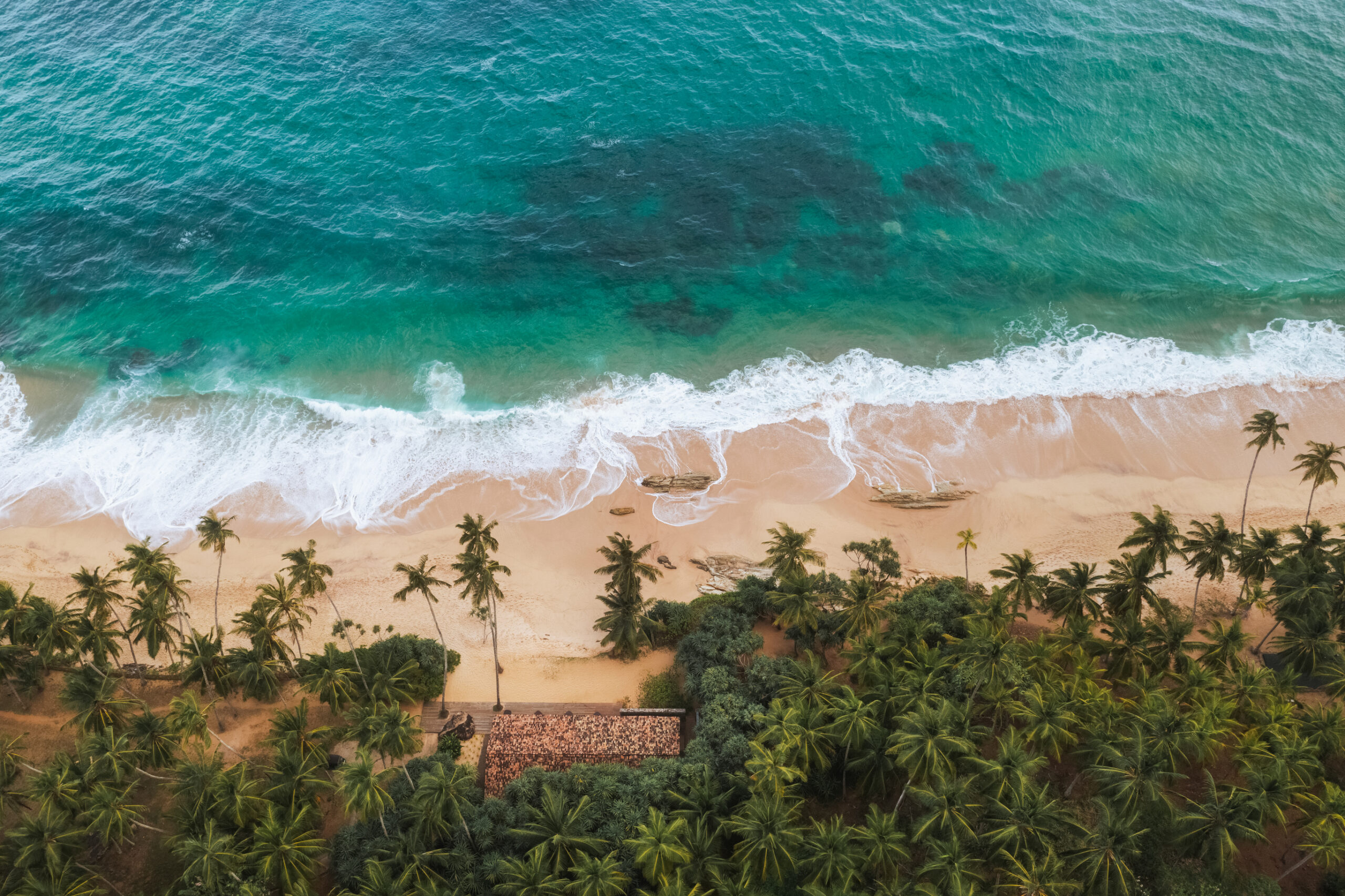
If your happy place is a white-sand beach, hugged by the ocean and flanked by coconut palm trees, Sri Lanka’s coast is the perfect destination. Visually stunning, the local stretches are among Asia’s best for swimming in the Indian Ocean, surfing the ideal swells at sunset, and enjoying exceptional snorkeling. The “new Bali” nickname is often used these days to describe Sri Lanka, but the country is in a league of its own. You’ll discover the rich cultural traditions, unparalleled biodiversity, thrilling safaris in the national parks, stunning mountainous interior, and plenty of spectacular beaches. Sri Lanka is the ultimate place for beach-hopping—the most popular stretches are easily accessed by train, and distances are short. I fell for this country’s coastal charms, and here’s the list of the best beaches to visit for you to do the same.
Mirissa Beach
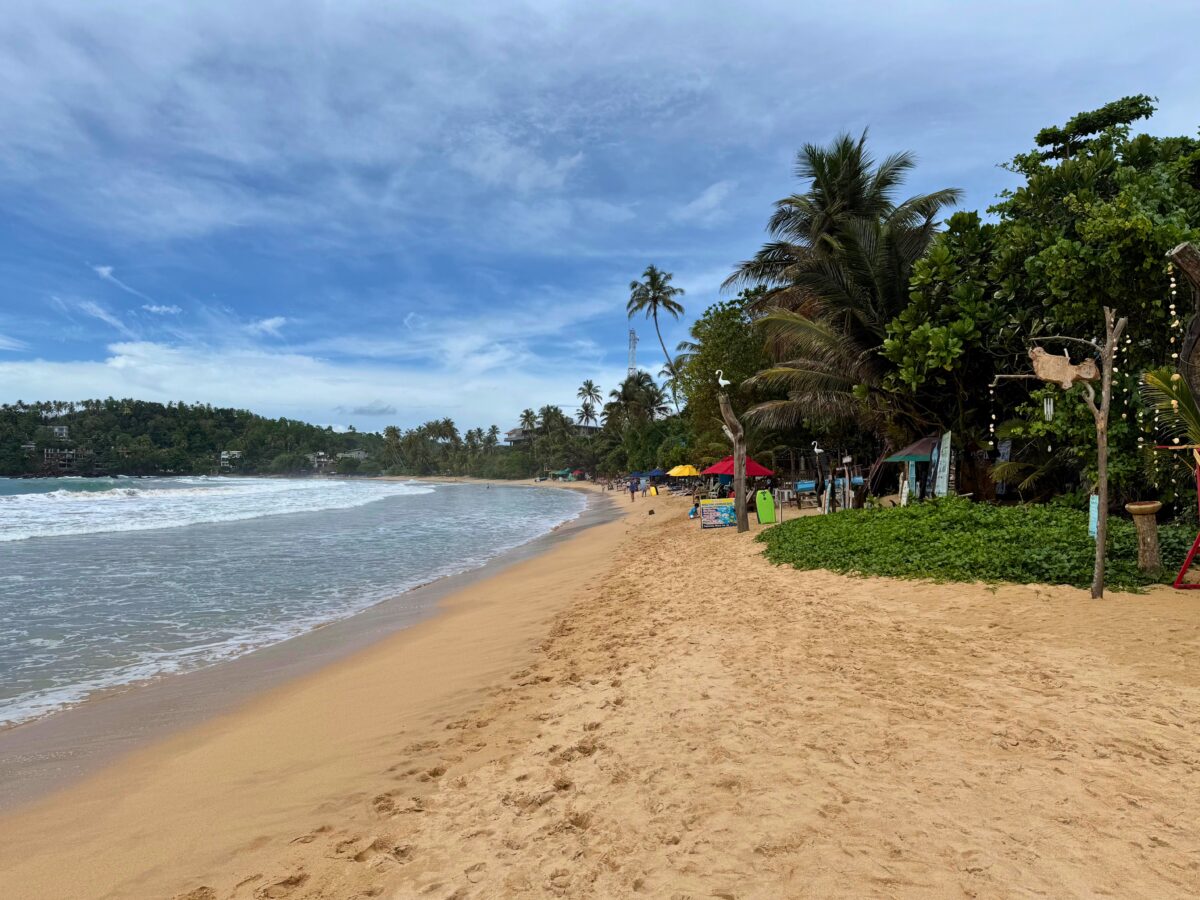
Photo courtesy of Pavlo Fedykovych Best for an all-in-one beach experience
I have traveled to many beach towns around the island, but nothing beats Mirissa when it comes to coziness. It’s a place that “hugs” you in a mellow Indian Ocean embrace and doesn’t let go. The beach here is a photogenic marvel: the softest white sand, the crescent-shaped bay, the rocky islets and the coconut palms. Mirissa is also home to Coconut Tree Hill, one of Sri Lanka’s most stunning coastal viewpoints. The town is great for a tropical retreat. There are plenty of fancy avocado toast-serving coffee shops, Instagrammable beach bars, boutique jungle hotels and souvenir stalls, but it doesn’t feel overwhelming. Its strategic position in the middle of the South Coast makes it easy to travel to other beach towns and go on safari day trips. Check out the Secret Beach, an idyllic cove hiding in a lush jungle behind the Van Bobette Rock.
Hikkaduwa Beach

Photo courtesy of Pavlo Fedykovych Best for turtle-watching
Meeting the gorgeous sea turtles is effortless in Hikkaduwa. A marine national park with a protected fringing coral reef, this beach is a must-visit for the wildlife encounters. The turtles swim next to the shore, so you won’t have to sail far to see them. Apart from the majestic marine creatures, Hikkaduwa Beach offers stunning tropical beauty and unforgettable sunsets. The town behind might be too touristy and too noisy, but it’s worth visiting for the turtles alone. One thing to keep in mind is that it’s prohibited to touch or feed the animals. Reef snorkeling is another fantastic activity to try in Hikkaduwa. As on most of the South Coast beaches, you’ll find many surfing schools offering lessons and renting equipment. The swells here are smaller than in Ahangama or Arugam Bay, but it’s a great spot to try out wave conquering for the first time.
Unawatuna Beach
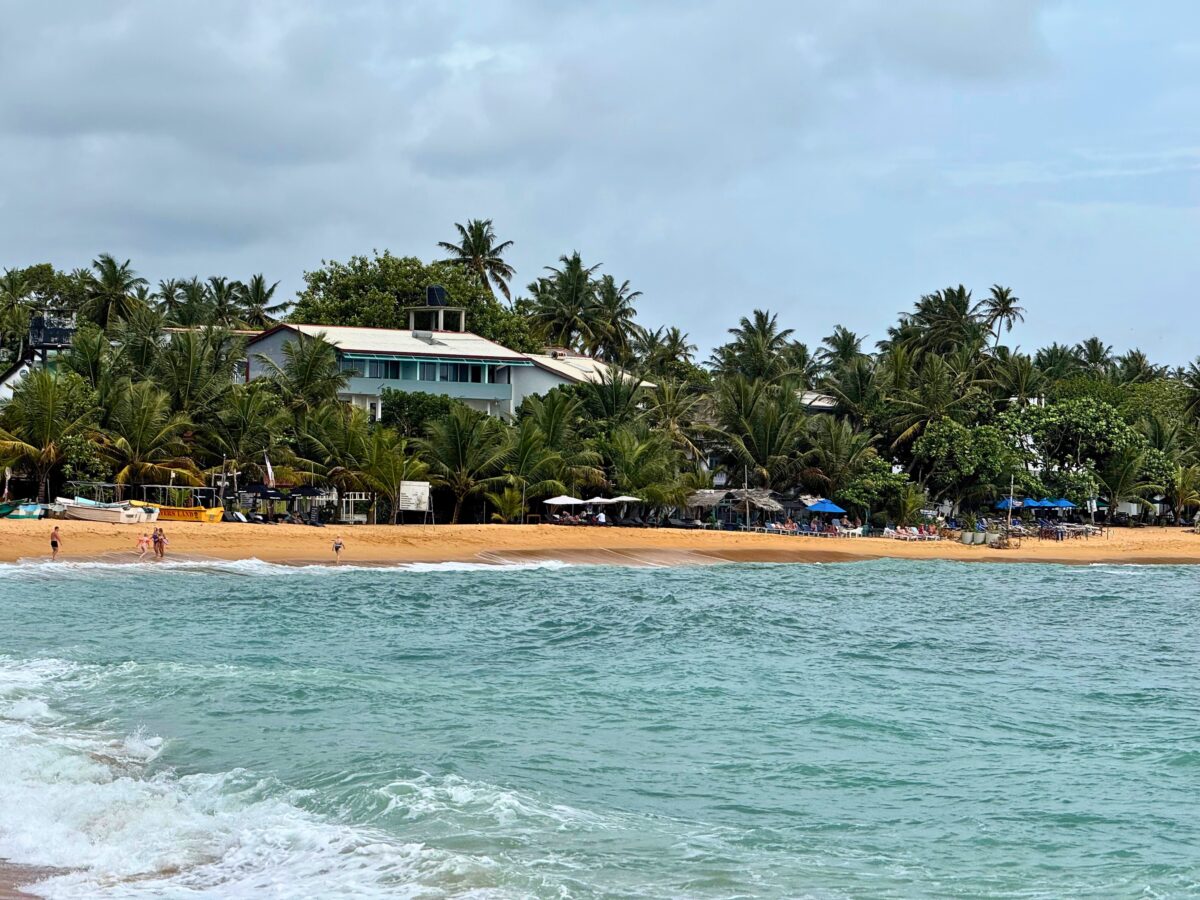
Photo courtesy of Pavlo Fedykovych Best for swimming and family leisure
The Indian Ocean is capricious. That’s why Sri Lankan beaches have a flag signaling system in place. You can often see the red flags waving in the wind, meaning that swimming is prohibited. Thanks to the offshore reef, you will get fewer red-flag notices in Unawatuna. This white-sand beach enjoys calm waters year-round. It’s also among the top stretches for families. As for Unawatuna, the town, opinions differ. In recent years, it has become one of the most touristy beach towns in Sri Lanka. It’s definitely not a tranquil slice of paradise anymore, but it’s still peaceful enough for an oceanside family break. Unlike in most beach towns of the South, the main street here is away from the busy road, giving Unawatuna a more relaxed vibe. Also, you’re never far from the magnificent UNESCO-protected Galle city center, a colonial-era gem and Sri Lanka’s most atmospheric historic destination.
Ahangama Beach
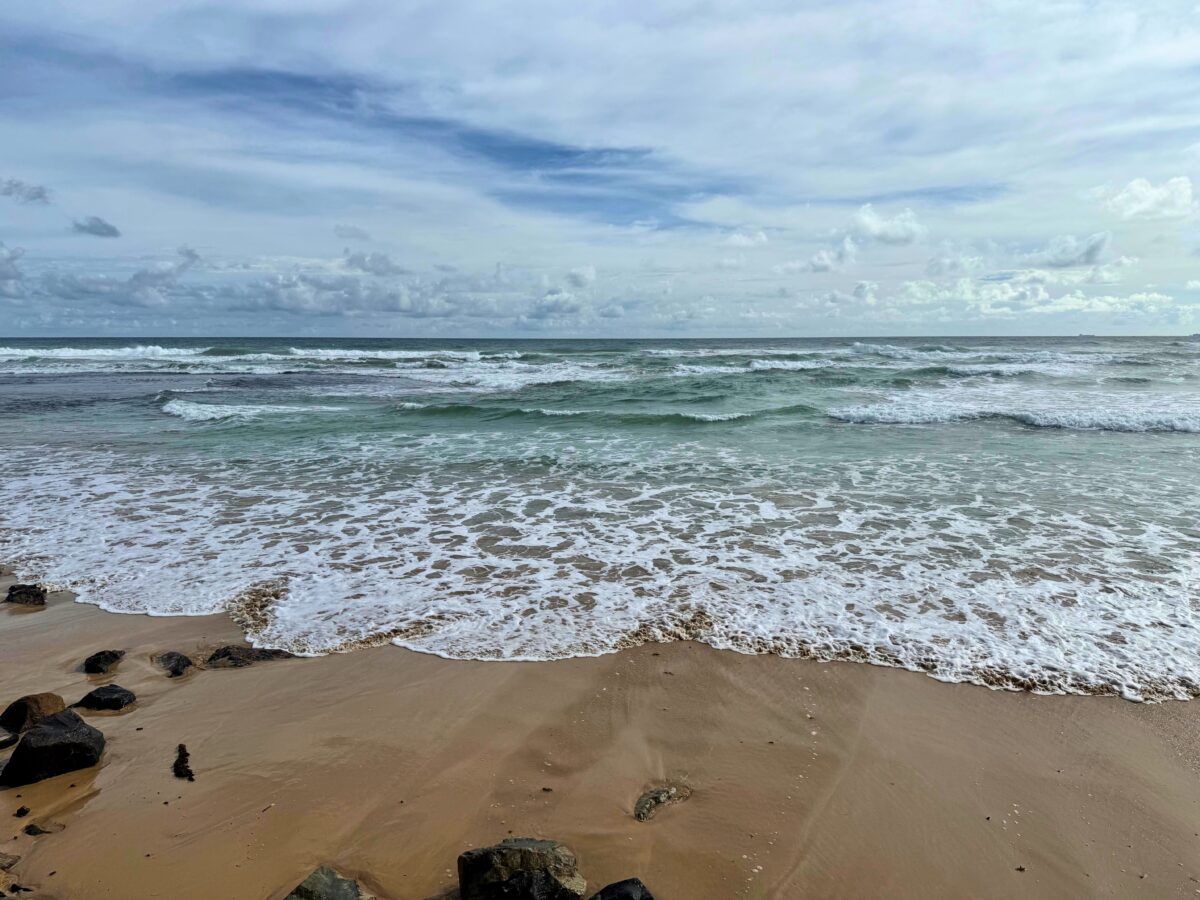
Photo courtesy of Pavlo Fedykovych Best for the laid-back vibes and beach bars
If you’re not shying away from words like coworking, coliving, coconut matcha latte, yoga, and brunch, Ahangama may be the ideal Sri Lankan beach town for you. Today, this tiny village is one of the hottest spots for surfers and digital nomads along the South Coast. Beach bars like Cactus, Abode by the Beach, Kai, and The Wave make rounds on TikTok and Instagram. Many surfer-friendly accommodations dot the coconut palm tree-shaded streets. Surfers love the local Kobalana beach, saying that it offers some of the best breaks in the world. At the end of the day, Ahangama is all about the laid-back, decadent lifestyle—surf morning to sunset with relaxing beach bar breaks. Who wouldn’t want that?
Weligama Beach
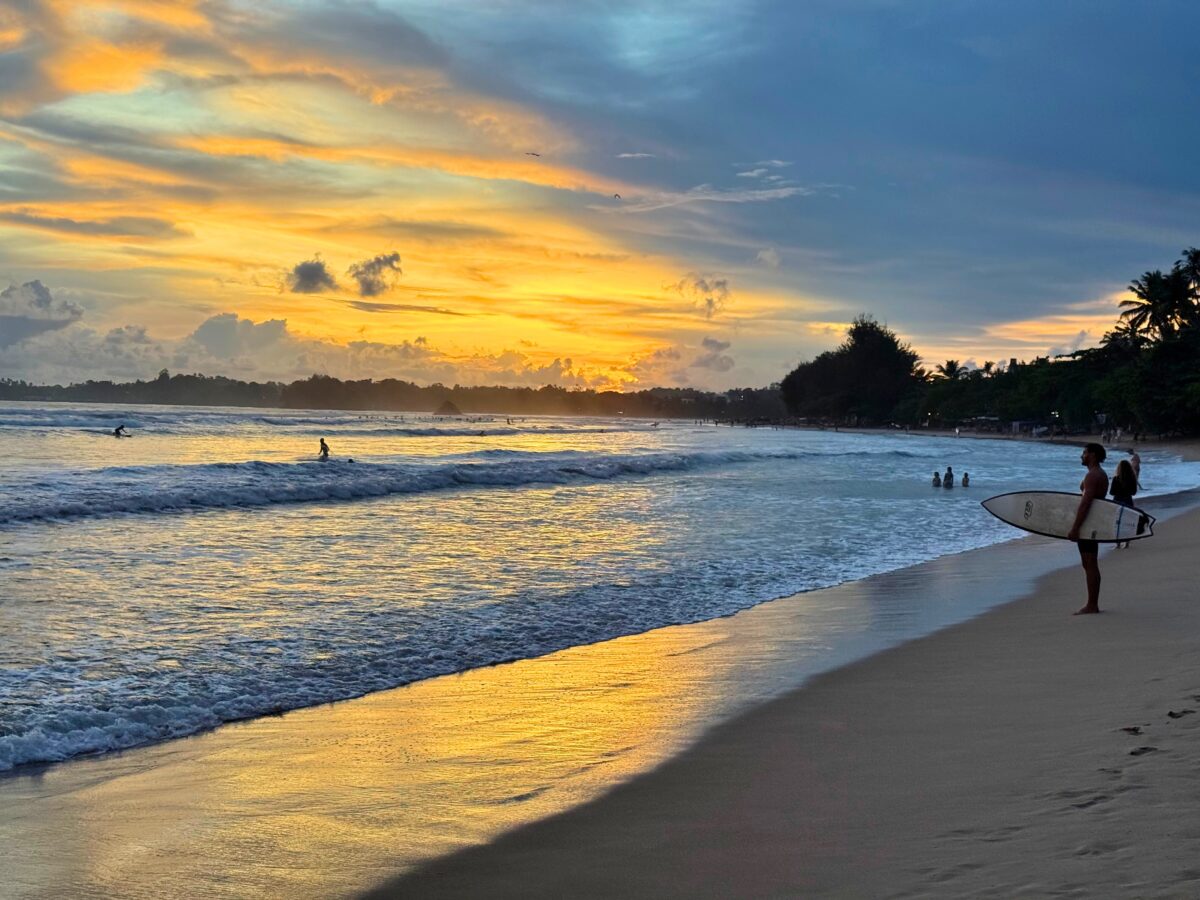
Photo courtesy of Pavlo Fedykovych Best beach overall for surfing
While Ahangama is great for surfing, its beach, quite tiny, isn’t the region’s star. The wide and glorious Weligama Bay is. This is one of the world’s top destinations for the surfing scene. The word “scene” in that case means a well-developed infrastructure that lives and breathes on surfing. There are numerous surfing schools, surfing cafes and restaurants, as well as surfing-themed beach bars and camps. Whether you’re a beginner or a pro, Weligama is always a top idea for having a great time on the swells. It’s also significantly bigger than Ahangama and Mirissa, so you’ll get a feeling of staying in an actual living town. If the main stretch is too busy, you can always escape to the secluded bays of the Weligama Cape, such as Coconut Beach and Abimanagama.
Hirekitiya Beach
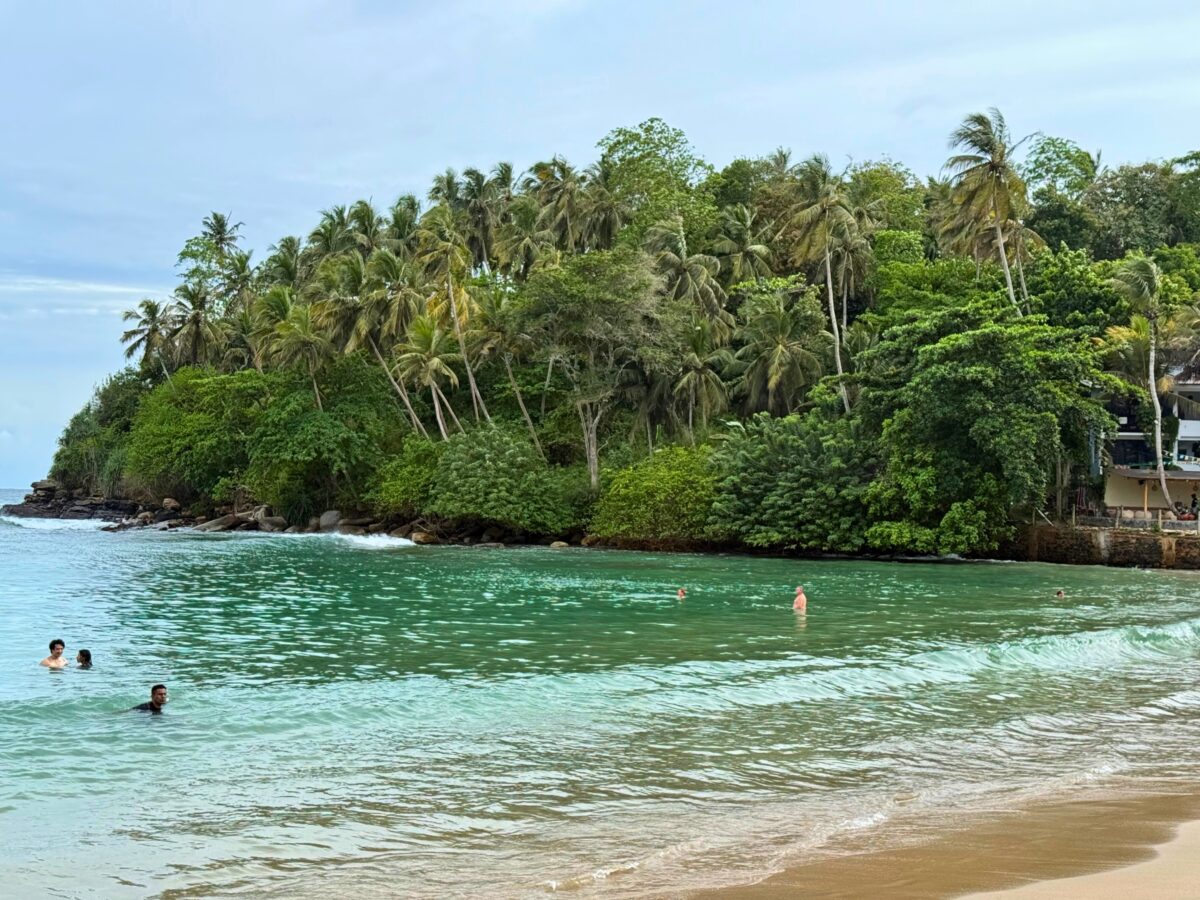
Photo courtesy of Pavlo Fedykovych Best for a jungle escape
Hirekitiya is the most “Westernized” of all the Sri Lankan beach towns, mostly catering to the digital nomad crowd from Europe, the US, and Australia. The protected bay here is absolutely gorgeous: lush green hills and crescent-shaped white sand. It feels remote and tranquil, ideal for a carefree tropical holiday. At the same time, it’s among Sri Lanka’s top coastal destinations for hip third-wave coffee shops, luxurious tree houses, yoga retreats, and fancy seafood restaurants. Hireketiya Beach is fantastic for learning to surf, snorkeling and simply swimming in the ocean waters. The jungle setting is gorgeous, offering the atmosphere of total escape. Like Unawatuna, Hireketiya Beach is far from the main road, meaning more peace and a deeper immersion in nature.
Arugam Bay
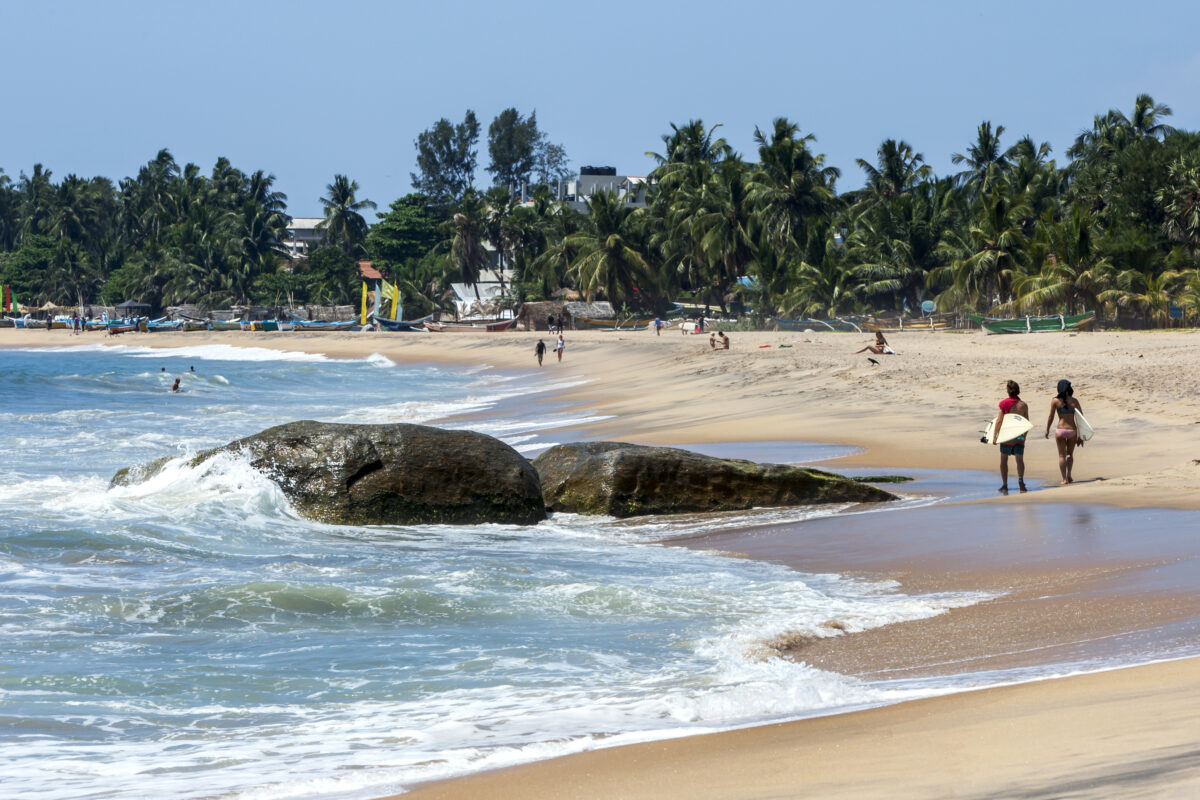
Photo by © Thomas Wyness | Dreamstime.com Best for open ocean and elephant encounters
A-Bay (as the surfers lovingly call it) is a far cry from the developed beach towns of the South. Located on the east side of Sri Lanka, it’s a vast sandy beach, offering some of the best breaks on the island. Not quite a secret anymore, it still retains a wild and unspoilt character. The further south you go from the main stretch, the more deserted it gets. If you dream of having the beach all to yourself, it’s a great spot. Head to the Elephant Rock for unforgettable sunsets. If you’re lucky, you can even spot actual elephants from there. For guaranteed animal sightings, take a safari trip to nearby Lahugala Kitulana National Park and Kumana National Park. Both are fantastic destinations to admire Sri Lanka’s biodiversity and watch wild elephants, leopards, and sloth bears.
Nilaveli Beach

Photo by © Henryturner | Dreamstime.com Best for deep-sea diving and shallow waters
On the one hand, Nilaveli Beach, located on the northeast coast, offers calm, shallow waters. On the other hand, it’s the gateway to Sri Lanka’s best deep-sea diving and reef snorkeling. Tours to the Pigeon Island, a small Marine National Park with a reef, start from Nilaveli. There, you have colorful corals, turtles, and sharks. Also, you can embark on whale and dolphin-watching tours. There’s a 52 USD entrance fee (which includes the round boat trip and snorkeling gear) to enter the island. Even if you’re not going to snorkel, Nilaveli is a laid-back northeastern stretch for sunbathing, wading in the shallow water, and swimming.
Silent Beach
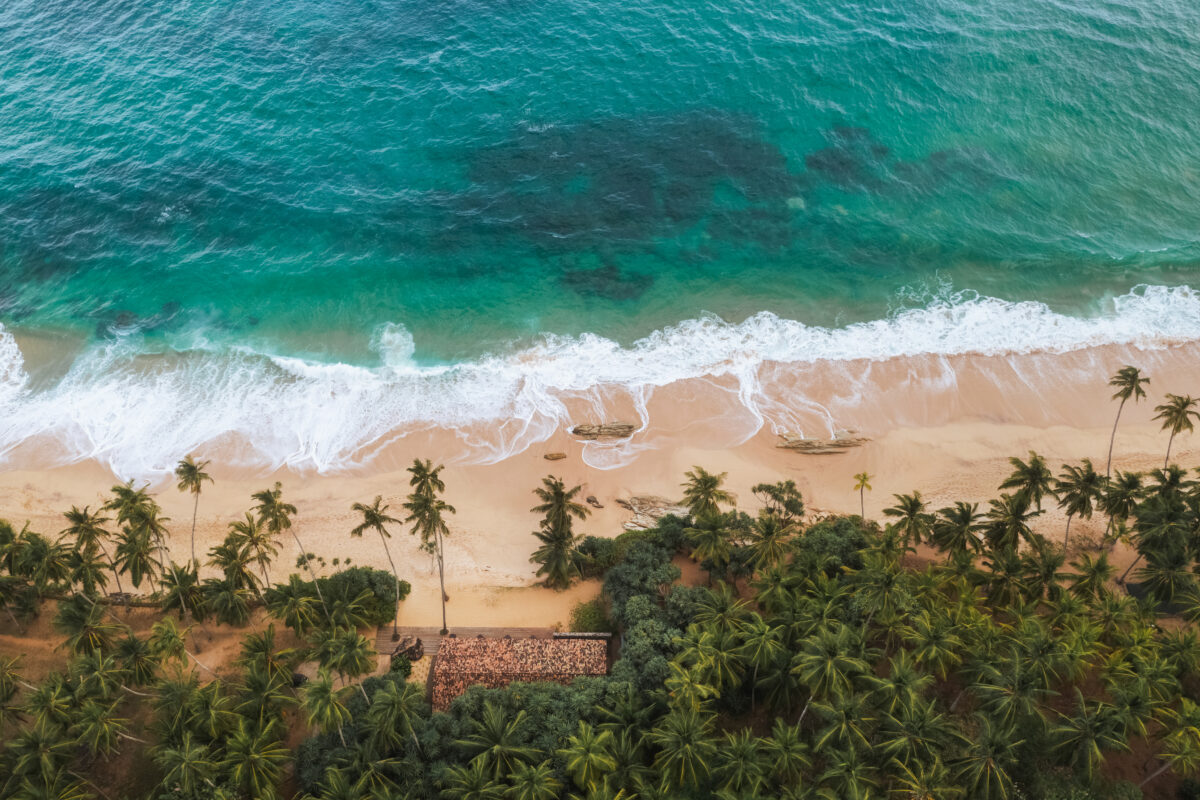
Photo by © Dimabl | Dreamstime.com Best for unspoilt nature
Poetically named Silent Beach is anything but silent. There’s music to the sound of the waves, the sway of the hundreds of coconut palms, the shimmering of the sand. This beach, situated between Tangalle and Morakatiyara, is an untouched coast, ideal for getting away from it all. There’s no development here, apart from several wooden beach shacks serving traditional food and drinks. The best way to get to the Silent Beach is by tuk-tuk. The neighboring Goyambokka Beach is another paradisiac stretch. The surface is soft, white sand. There are also rocks on the cliffs at the beach ends, so don’t forget your snorkeling gear.
Bentota Beach
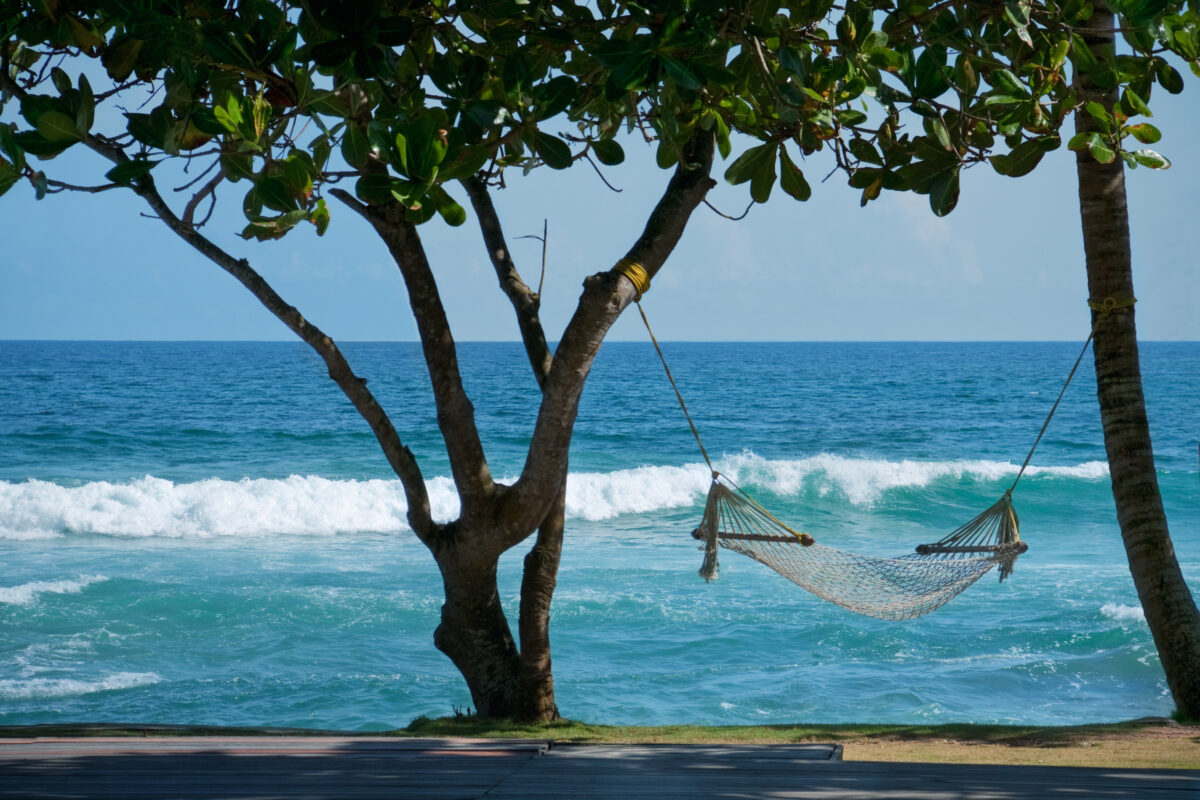
Photo by © Smilingsunray | Dreamstime.com Best family-friendly beach near Colombo
While Colombo enjoys a spectacular oceanside location, its beaches aren’t particularly suitable for swimming. Just an hour and a half train ride away from the capital is Bentota, a charming beach town, offering a gorgeous sandy stretch. It’s also where you’ll find numerous large seaside resorts, such as Cinnamon Bentota Beach, Thaala, and Taj Bentota Resort & Spa. Enjoy the fine sands, shallow waters, and laid-back surfing. Bentota is also great for jet skiing and kite surfing. The five-star resorts feature pools, spa centers, and elegant restaurants. Combine this with stunning ocean window views, and you get a superb beach holiday.
Pasikuda Beach
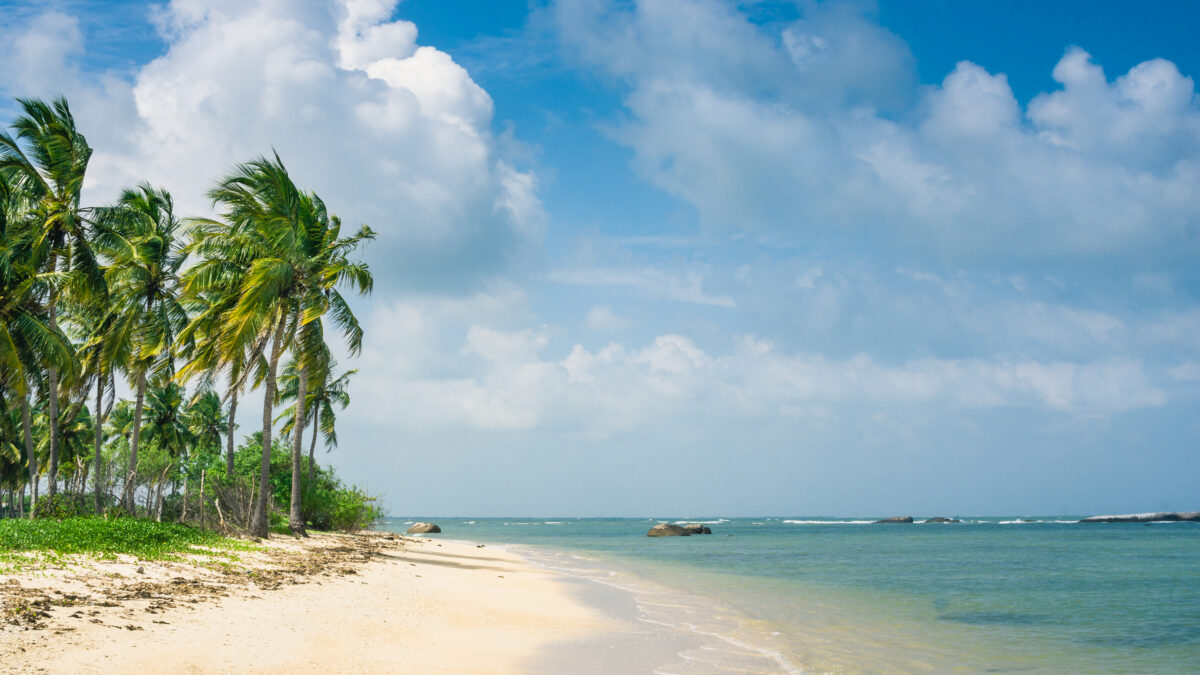
Photo by © Valentyn Shevchenko | Dreamstime.com Best beach for families with kids
Let’s be frank, the wavy Indian Ocean waters aren’t ideal for small kids. Pasikuda is an exception. A gem of the island’s eastern coast, it offers a lagoon-like shallow bay, perfectly suitable for the younger ones. The waters are usually calm, and the seabed is knee-deep for almost a mile. It isn’t a typical Sri Lankan beach town, but rather a huge resort area, with numerous luxurious hotels lining the white sands. This makes it the ideal destination for families looking for a hassle-free experience, where all you do is go from resort to the beach and back.
-
Japan
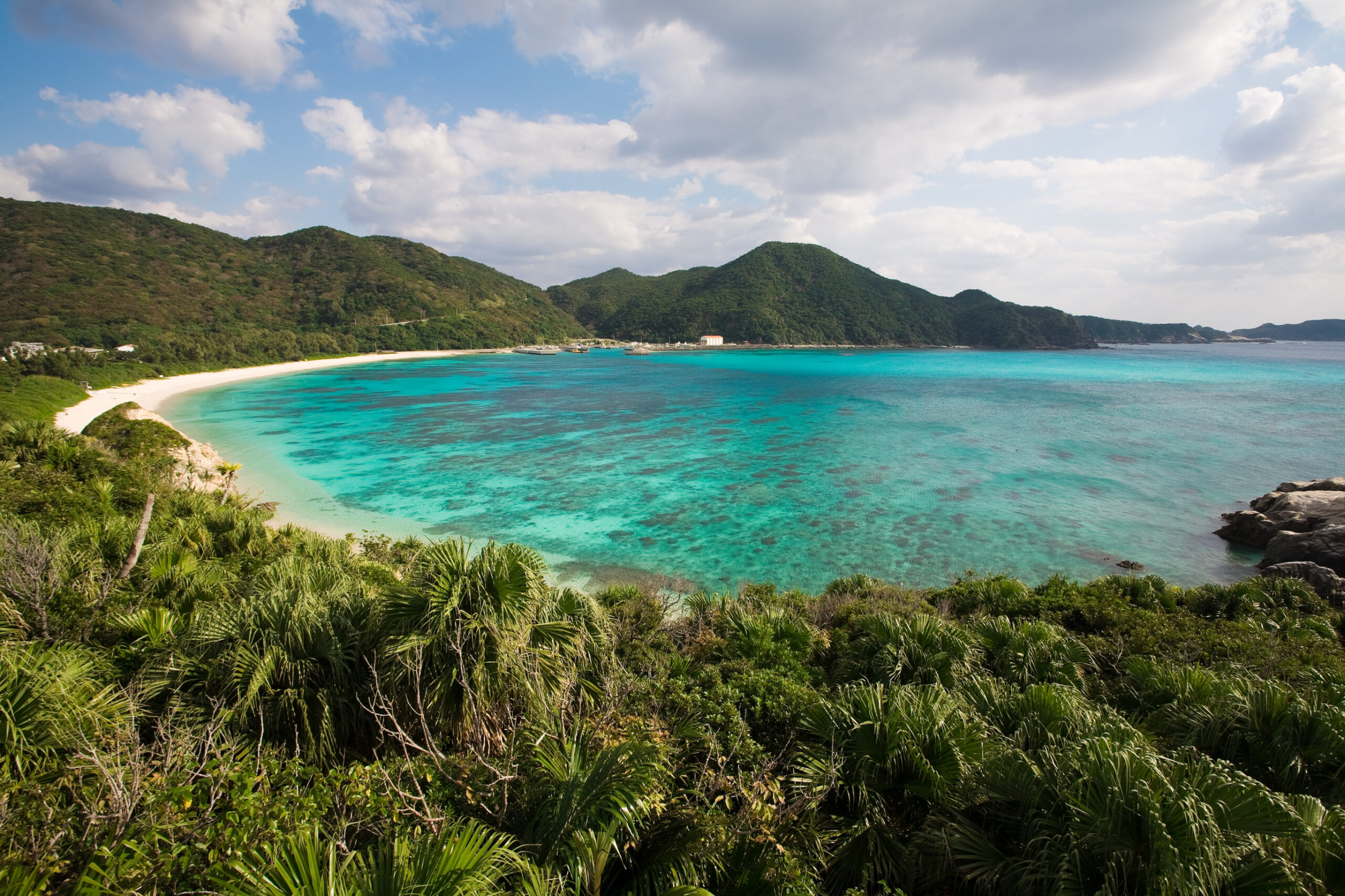
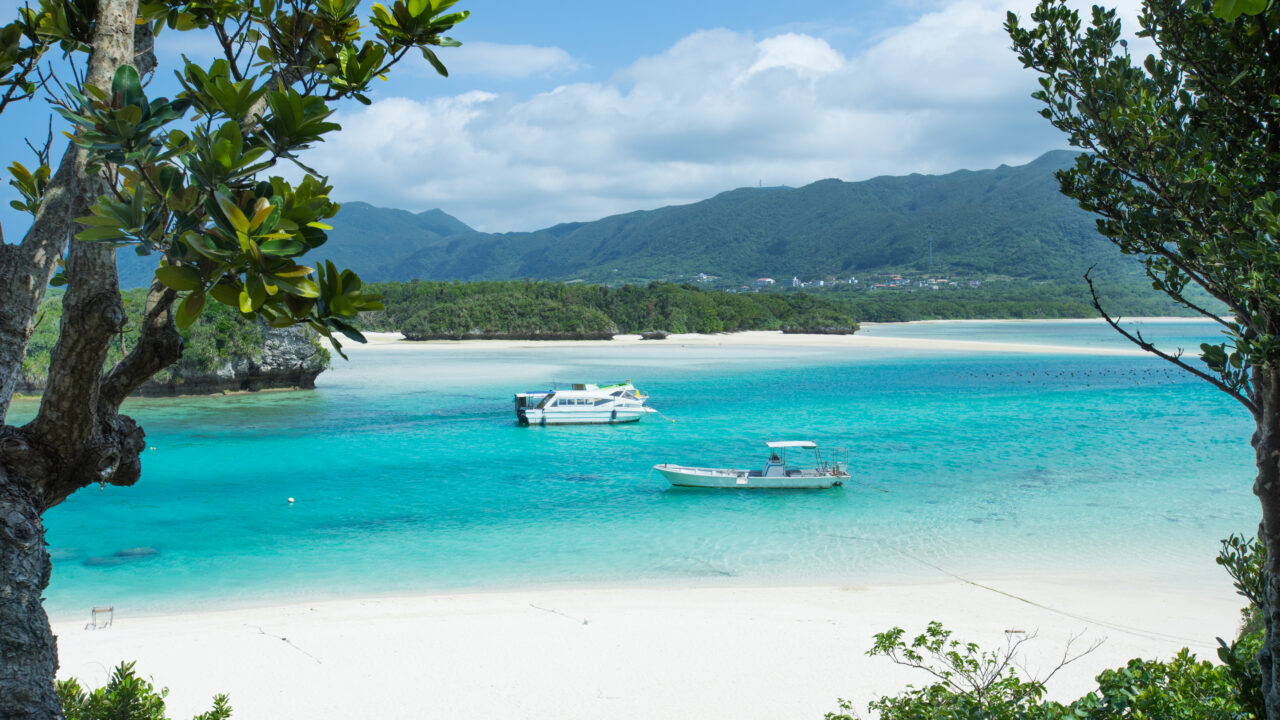
When most people think of Japan, they picture neon-lit cityscapes, ancient temples and bullet trains. I’ll admit, that’s what drew me there too. During my time exploring Tokyo, Kyoto and Osaka, I was completely captivated by the urban energy and cultural richness of these iconic cities.
But somewhere between temple visits and ramen crawls, I found myself dreaming of Japan’s coastlines. The country is surrounded by water, after all, and I kept glimpsing tantalizing photos of pristine beaches that looked nothing like the Japan I had imagined in my head. That’s when I dove deep into researching the country’s coastal gems—places I’m already planning to return for.
Japan’s coastline is wildly diverse: from tropical paradise islands in the south to more rugged volcanic shores in the north. These are the 10 beaches in Japan that have captured my imagination and are now firmly planted on my must-visit list for my next trip.
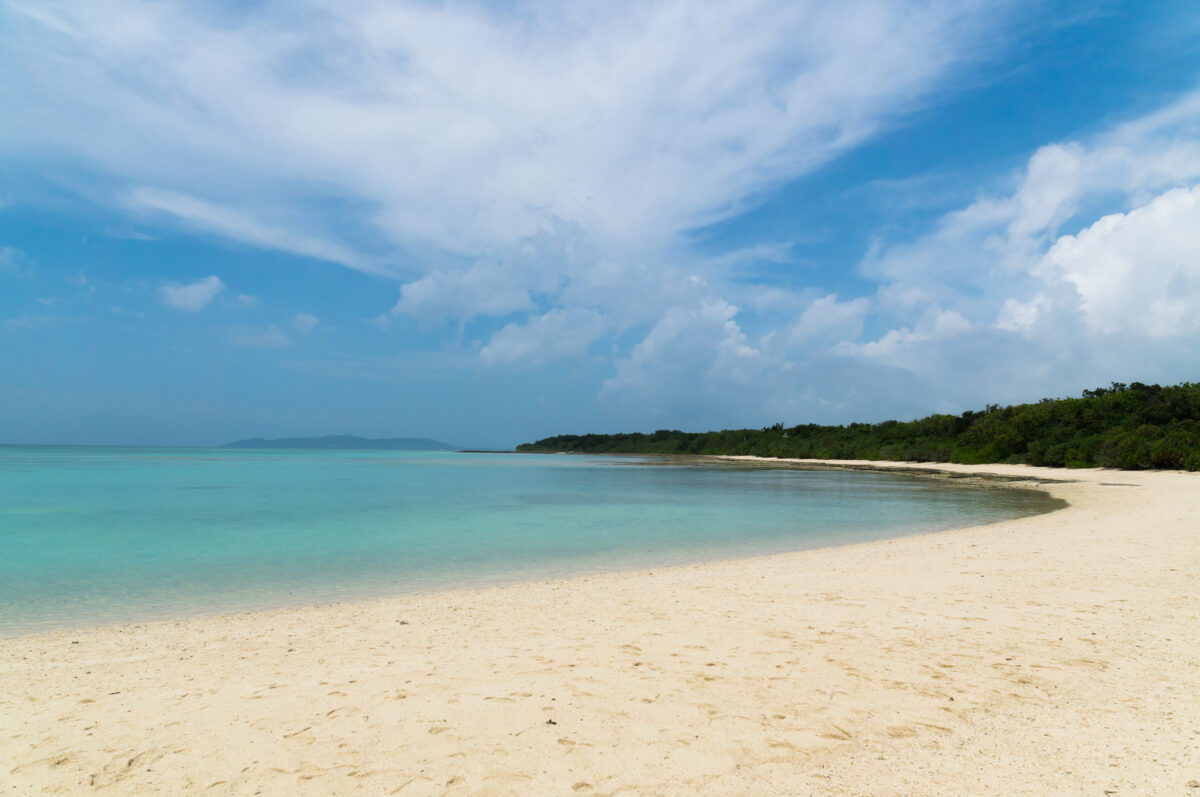
Photo by © Motive56 | Dreamstime.com Kondoi Beach, Taketomi Island
Kondoi Beach looks like something out of a screensaver. Just imagine white sand so fine it squeaks, and water so clear and blue it seems almost artificial.
Taketomi is a tiny island in Okinawa Prefecture, accessible only by ferry from Ishigaki. The whole island has a population of about 300 people and maintains its traditional charm with red-tiled houses and water buffalo cart tours. Kondoi Beach is pure tropical paradise in the most understated way.
The water is bathwater-warm year-round, perfect for floating and swimming. And the beach faces west, promising spectacular sunsets. There’s a small snack bar serving shaved ice, and that’s about it for amenities. Sometimes less really is more.
Yonaha Maehama Beach, Miyakojima
This seven-kilometer stretch of powdery white sand on Miyakojima Island is consistently ranked as one of Japan’s best beaches and deserves every bit of hype. The water shifts from pale turquoise to deep sapphire as you wade out and the sand is so fine it feels like silk.
Even during Golden Week when half of Japan is on vacation, the beach reportedly maintains its spotless condition. There are proper facilities here too: clean restrooms, showers and beachside cafés serving Miyakojima’s famous mango soft serve.
The area is perfect for sea kayaking, with coral formations just offshore that promise incredible snorkeling opportunities. Marine life here includes schools of tropical fish, sea turtles and coral gardens that look like underwater cities.
Shirahama Beach, Wakayama
Shirahama translates to “white sand” and it lives up to its name beautifully. This beach on the Kii Peninsula is famous for its imported white sand (originally from Australia, though they’ve since switched to domestic sources) and its collection of dramatic rock formations jutting from the sea.
The beach has a distinctly resort-town feel with plenty of hotels and restaurants, but it’s not too overdeveloped. And, of course, the hot springs here are legendary. The idea of combining beach time with soaking in Shirahama’s outdoor onsen while watching the sunset sounds absolutely magical. There’s just something symbiotic about sitting in naturally heated water while nearby ocean breezes cool your face.
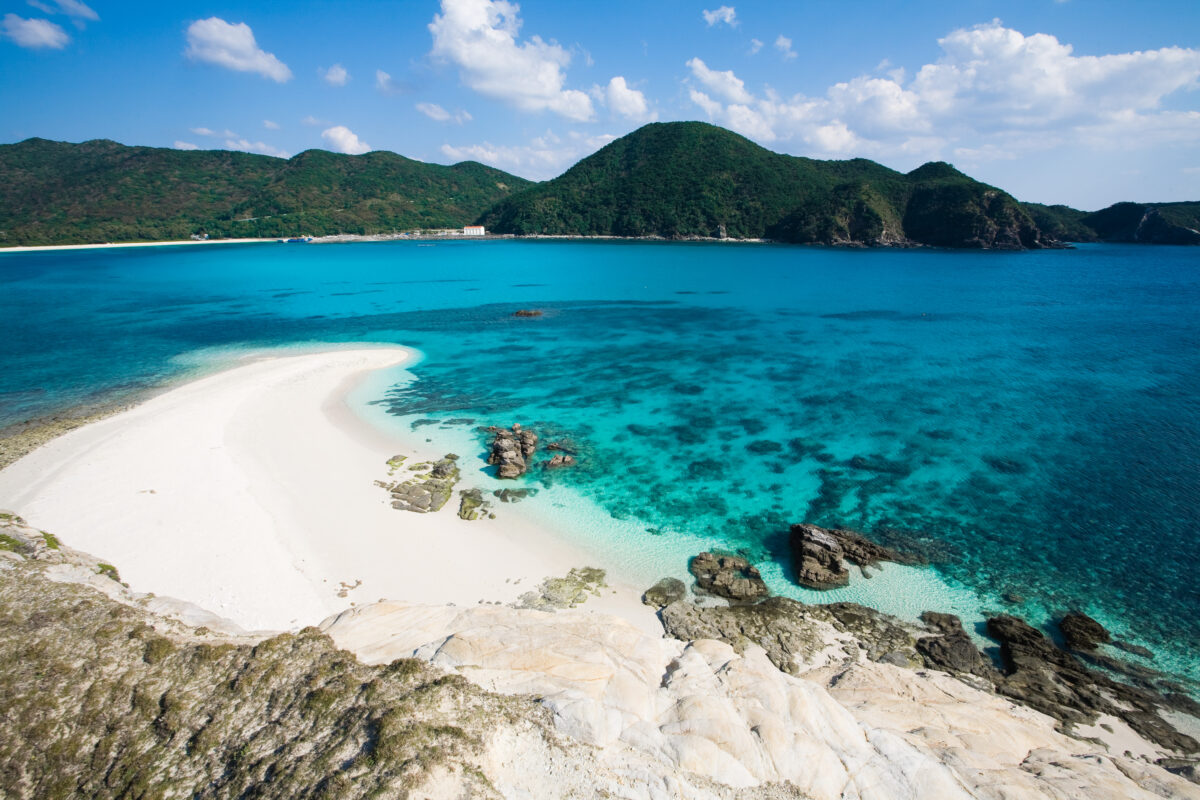
Photo by © Ippeito | Dreamstime.com Emerald Beach, Okinawa
Located within Ocean Expo Park on Okinawa’s main island, Emerald Beach is exactly what it sounds like: a stunning stretch of sand where the water glows with an otherworldly green-blue hue. It’s an artificial beach, created as part of the park development, but you’d never know the difference.
The beach is divided into three sections: one for swimming, one for relaxing and one for playing. It sounds like the perfect family destination, with Japanese families arriving with elaborate picnic setups and kids splashing in the shallow water.
The nearby Okinawa Churaumi Aquarium is one of the world’s best, so you can easily combine beach time with whale shark viewing.
Jodogahama Beach, Iwate
Up in northern Honshu, Jodogahama Beach offers something completely different: a dramatic coastline of white volcanic rock formations rising from sapphire-blue water. The name means “Pure Land Beach,” referencing the Buddhist concept of paradise, and it’s easy to see why.
Late summer is perfect for exploring the rocky tide pools here. The contrast between the white stone, deep blue water and green pine trees covering the clifftops looks absolutely stunning (like a traditional Japanese landscape painting.)
The beach is accessible via a scenic walking trail that winds through coastal forest. Along the way, you’ll pass small shrines and observation points where you can pause to take in the dramatic views. There’s a visitor center with a café serving local seafood, including sea urchin that’s reportedly incredible.
Yurigahama Beach, Kagoshima
This is the beach that exists only at low tide. Yurigahama appears as a sandbar off the coast of Yoron Island in Kagoshima Prefecture, creating a temporary paradise that vanishes twice daily with the tides. Getting there requires a boat tour, which only adds to the adventure.
The water is so clear you can see every grain of sand beneath your feet, and the color shifts from pale green to deep blue as the depth changes. Local legend says that if you find a star-shaped sand grain on Yurigahama, you’ll find happiness. Tour guides provide magnifying glasses to help visitors search through the sand. Whether or not you find the magical grain, the experience of visiting this disappearing beach is still very worth it.
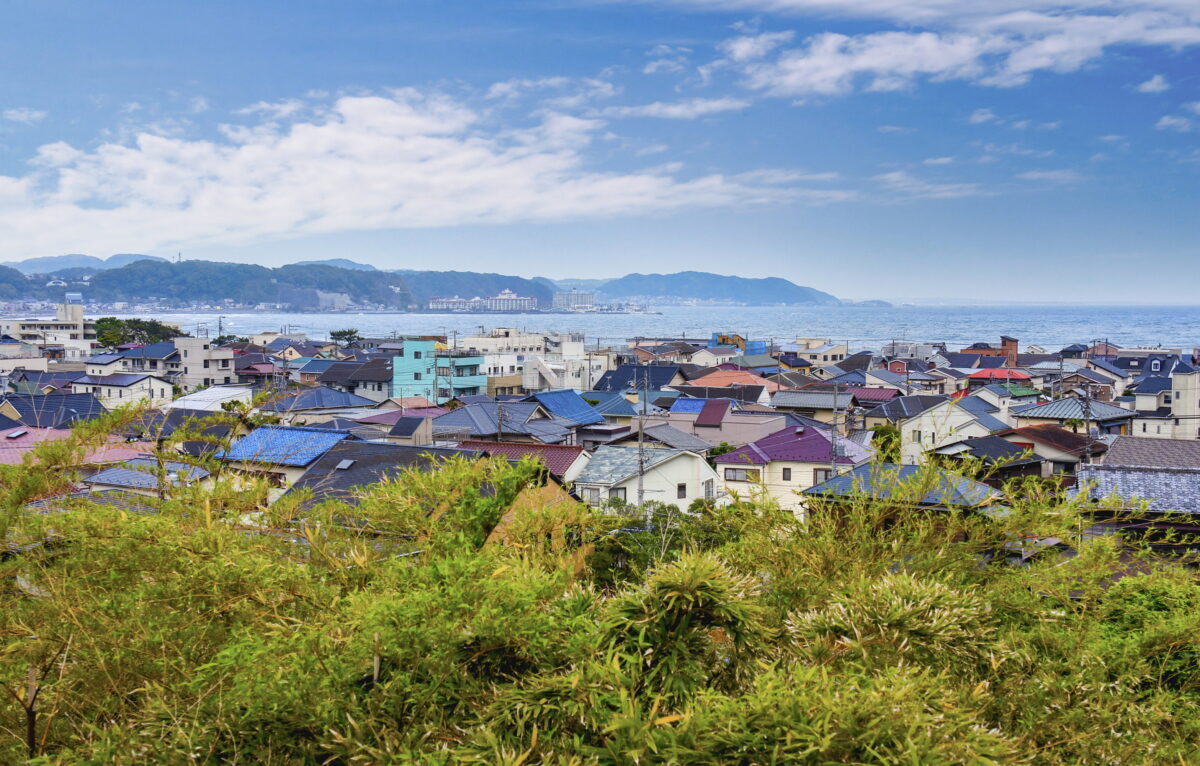
Photo by © Serge001 | Dreamstime.com Kamakura Beach, Kanagawa
Just an hour from Tokyo, Kamakura Beach offers a completely different beach experience. It’s not exactly tropical paradise, but it’s something more accessible and authentically Japanese. The sand is darker, the water cooler and the vibe distinctly local rather than resort-like.
It’s a proper beach town: surfers carrying boards, families grilling yakitori on portable stoves and teenagers playing volleyball as the sun sets behind the mountains. The beach stretches for several kilometers, with each section having its own personality.
The waves aren’t huge, but they’re consistent and perfect for beginners learning to surf. The combination of beach time with Kamakura’s historic temples and local street food make it the perfect day trip from Tokyo.
Takahama Beach, Fukui
This lovely little gem on the Japan Sea coast offers some of the clearest water you’ll find anywhere. Takahama Beach is actually a series of small coves connected by a coastal walking path, each offering slightly different views and experiences.
The water here is incredibly clear—so clear that you can see straight down to the rocky bottom and it creates this magical sensation of floating in mid-air.
The beach is surrounded by pine forests and backed by dramatic cliffs. There are several small restaurants serving incredibly fresh seafood, including a place that specializes in crab caught just offshore.
Ibusuki Beach, Kagoshima
Ibusuki Beach is famous for its natural sand baths—areas where volcanic activity heats the sand to perfect soaking temperatures.
The beach itself is long and wide, with dark volcanic sand that gets quite hot during summer afternoons. But the real attraction is getting buried in the naturally heated sand. Local attendants will cover you completely except for your head, and you just lie there sweating out toxins while listening to the ocean. After a sand bath, you can cool off in the surf and then explore the nearby hot spring resorts.
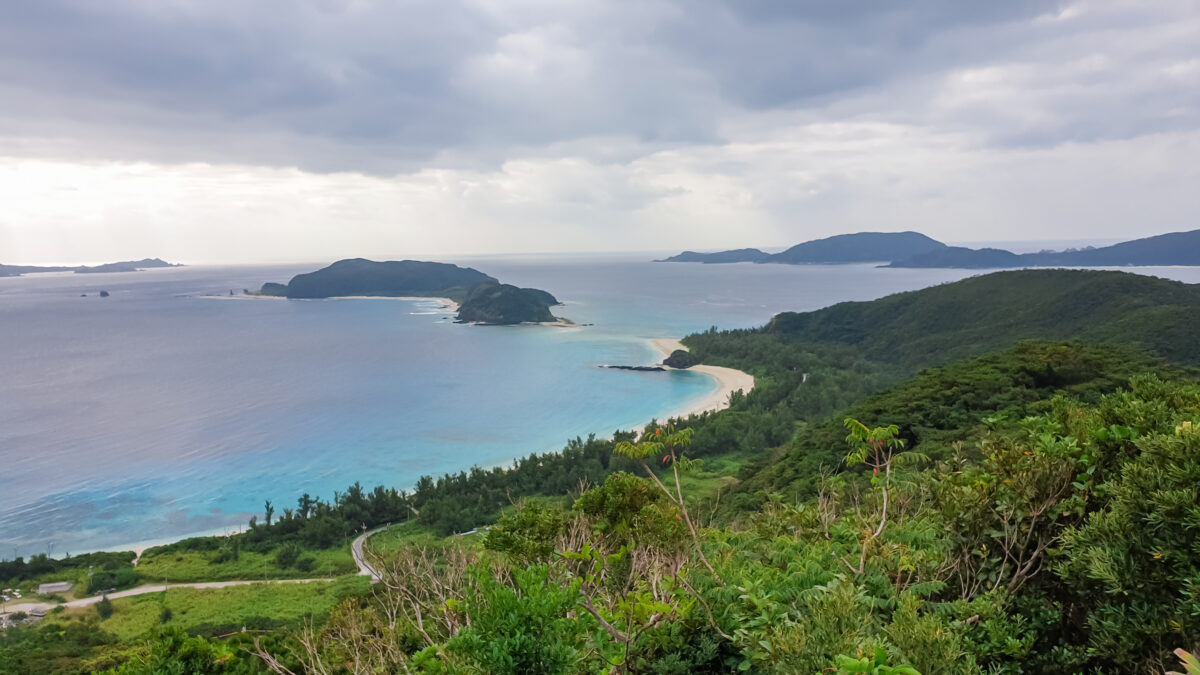
Photo by © Christopher Moswitzer | Dreamstime.com Aharen Beach, Zamami Island (Kerama Islands)
If you’re craving the kind of beach that makes you audibly gasp when the ferry pulls into the harbor—Aharen Beach is it. Tucked away on Zamami Island, part of the Kerama National Marine Park, this swoon-worthy crescent of soft white sand and glow-blue water is what tropical daydreams are made of.
Just an hour by ferry from Okinawa’s capital, Naha, Zamami feels worlds away. The beach itself is framed by coral reefs that keep the water calm and glassy, perfect for floating, swimming or paddleboarding. And you might even spot a sea turtle or two gliding by (this place is famous for them.)
The beach has all the right creature comforts, too: kayak and snorkel rentals, changing rooms, umbrellas and even a few low-key cafés where you can grab an iced coffee or fresh Okinawan soba post-swim. The vibe on the island is mellow and blissfully low-traffic, so most people get around by bike or scooter.
Chirihama Beach, Ishikawa
This is the beach where you can drive your car directly onto the sand. Chirihama Beach on the Noto Peninsula is one of the few places in the world where this is possible, thanks to the unique composition of the sand that becomes firm when wet.
The beach stretches for eight kilometers, giving you plenty of space to explore this unusual experience. Photos show cars parked right on the sand with waves lapping nearby.
The area is also known for its seafood, particularly during winter crab season. Staying at a local ryokan that serves multi-course dinners featuring local specialties, then falling asleep to the sound of waves just outside your window sounds like the perfect way to experience this unique destination.
-
Goa
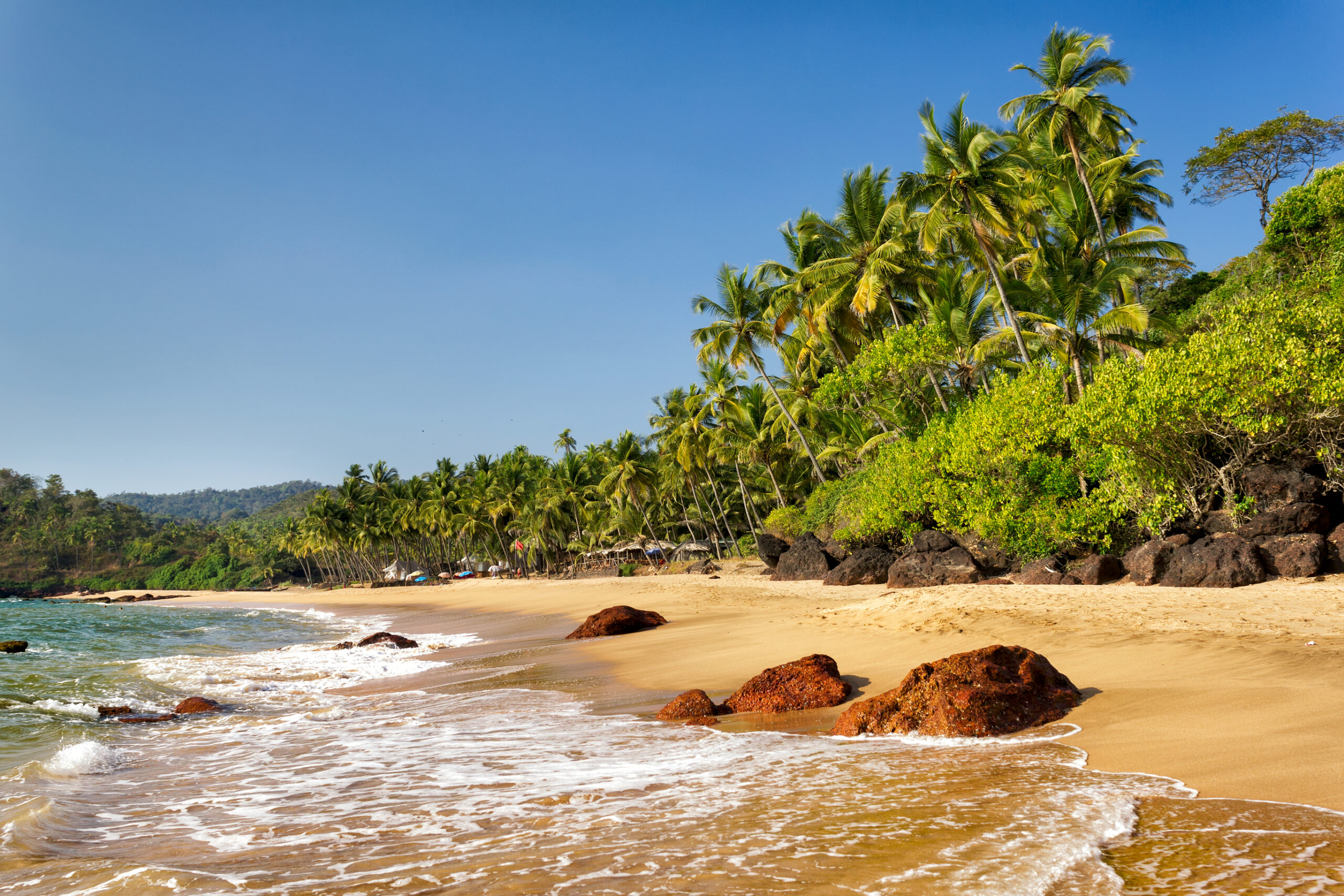

Goa is that dream of infinite coconut groves, shimmering sea, golden sand and absolute relaxation. This tiny state on India’s southwestern coast is packed with stunning beaches. Spacious stretches like Agonda, freedom-loving hippie hotspots like Arambol, hidden palm tree-shaded havens like Kakolem and family-friendly strips like Morjim—Goa has a variety. Also, the state’s sunshine-soaked allure is addictive. Once you experience its easygoingness, it’s hard to resist the urge to leave everything behind and just enjoy carefree days on a hammock overlooking the Arabian Sea. Here’s a list of the best beaches in Goa for you to easily find your next favorite spot.

Photo Courtesy of Pavlo Fedykovych Palolem Beach
Best beach for first-timers
You’ll find everything Goa’s famous for at Palolem. A hotspot of the southern part of the state, it’s a long and gorgeous stretch of white sand flanked by a lush palm tree grove. There’s a laid-back village, where you find a combination of hip coffee shops, water sports rentals, massage parlors and beachside bungalow complexes. Palolem may be a busy tourist destination, but it never feels too crowded or over-touristic. It works perfectly as a first-timer Goa base, where you’ll have a good connection to the other southern beaches and all the advantages of civilization. This beach is all about the hedonist lifestyle, where all you do is take surfing lessons, lounge on the sand, dine at the beachside restaurants and watch sunsets. No rush.
Candolim Beach
Best for families
While the majority of Goa beaches are in villages, Candolim is the main stretch of the eponymous town. It comes with its advantages: there are larger supermarkets, more varied urban life and well-known resort names like Radisson, Novotel and Golden Tulip. Still, Condolim is a calm beach destination free from the over-the-top atmosphere of Baga and Calangute nearby. It’s the ultimate family-friendly beach vacation—you’ve got facilities and a spacious sandy stretch with shallow access. One of the highlights here is the 17th-century Fort Aguada that scenically borders the Sinquerim beach.
Arambol Beach
Best for a creative atmosphere and beach parties
The echoes of the hippie boom of the 60s and 70s can be felt in Arambol. Famous for being a hotspot for Goan trance parties, Arambol of today is still buzzing, but in a more mainstream tourist fashion. While over-commercialized clubs and semi-authentic “find yourself” yoga courses have their tacky appeal, everyone should visit Arambol for what really turned it into a hippie hit in the 60s—the beach. It’s very long and tear-jerkingly beautiful during sunsets. You will also find many ways to enjoy the sea: try paragliding, surfing and kayaking. And don’t miss the Sweet Water Lake, a freshwater lagoon a short hike away from the town’s center. If you’re into the hippie lifestyle, Arambol has Goa’s most notorious flea market. As for the parties, the best ones are the impromptu beach gatherings (people bring their own instruments) when the sun sets.
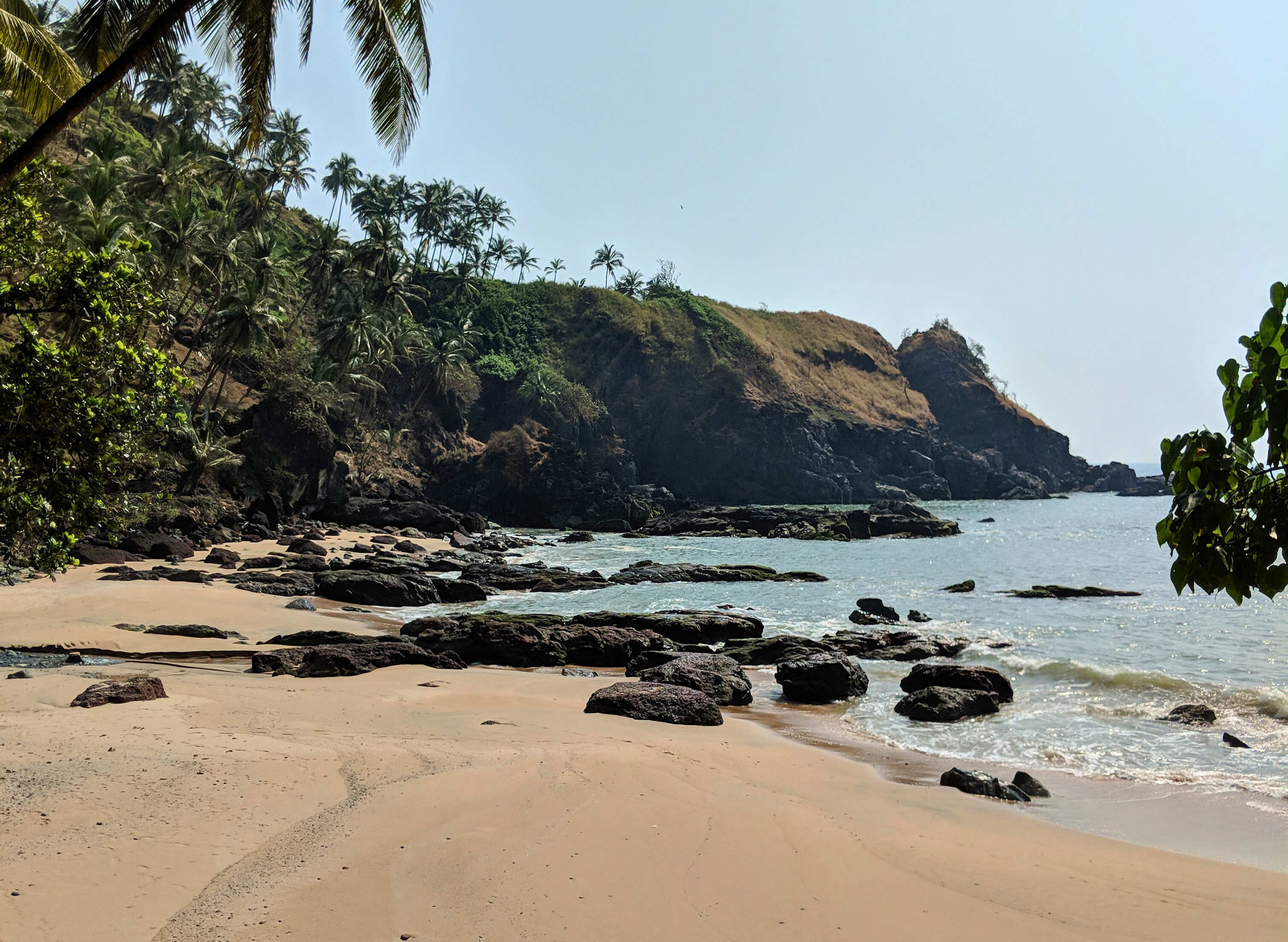
Photo Courtesy of Pavlo Fedykovych Kakolem Beach
Best for untouched nature
Kakolem looks unreal. First, drive the secondary road through the dense jungle between the villages of Kola and Nakeri. Pay attention to a sign directing you to this paradise-looking beach—it’s worth the detour. Follow the sound of the waves and hike downhill to enter this South Goan hidden gem. Once the silhouette of the beach appears through the lush leaves of the palm trees, you know you’re in heaven. Kakolem greets you with incredible sea panoramas, a simple beach bar, a few bungalows to stay the night and impossibly soft sand. Remoteness makes it a true hidden gem of the state, a dreamy image of the untouched Goa of yesteryears.
Patnem Beach
Best for a tranquil beach holiday
If you’re looking for a balance between peaceful rest and beach activities, Patnem is the one beach to visit. Still a sleepy corner of South Goa, it has everything that Palolem has, but with a calmer twist. Patnem is a wide, gorgeous sandy beach with bungalow resorts and massage parlors. You’re well-connected to Canacona and Palolem by the bus, but there’s no hustle. When the tide is low, it’s great for swimming. Otherwise, the currents may be too strong for a dip (keep up with the official information to stay safe).
Galgibaga Beach
Best for the seafood
Goa’s wilder side is on full display at Galgibaga. It’s an undeveloped sandy stretch in the south, where the Galgibag River meets the Arabian Sea. Steps away from the sand, the 1807-built Church of St Anthony of Lisbon adds a picturesque edge to the panorama. The beach is famous for being a nesting site for sea turtles. Also, it’s the best spot to try the local seafood. As it often is in Goa, the beach shacks are places where culinary magic happens. Santosh’s is where you find some of the best oysters in the state. With the spectacular view, of course.
Morjim Beach
Best for a longer stay
Boho-style boutique hotels with Instagrammable pools, specialty coffee houses under palm trees, fancy beach bars with multicolored umbrellas and the constant hum of tourists on scooters. In many ways, Morjim Beach feels like Changgu in Bali or Karon in Phuket, albeit with a more laid-back atmosphere. A remote worker’s dream, this North Goa destination is perfect for a longer vacation. Even if you’re not planning to stay, come for the beach because it’s just that stunning. Stretching for over 2 miles, Morjim is the ultimate sunbathing and beach bar-going spot. As with other Goa beaches, sea turtles choose Morjim for nesting. Head to the Chapora riverfront part of the beach to see this natural show in motion.
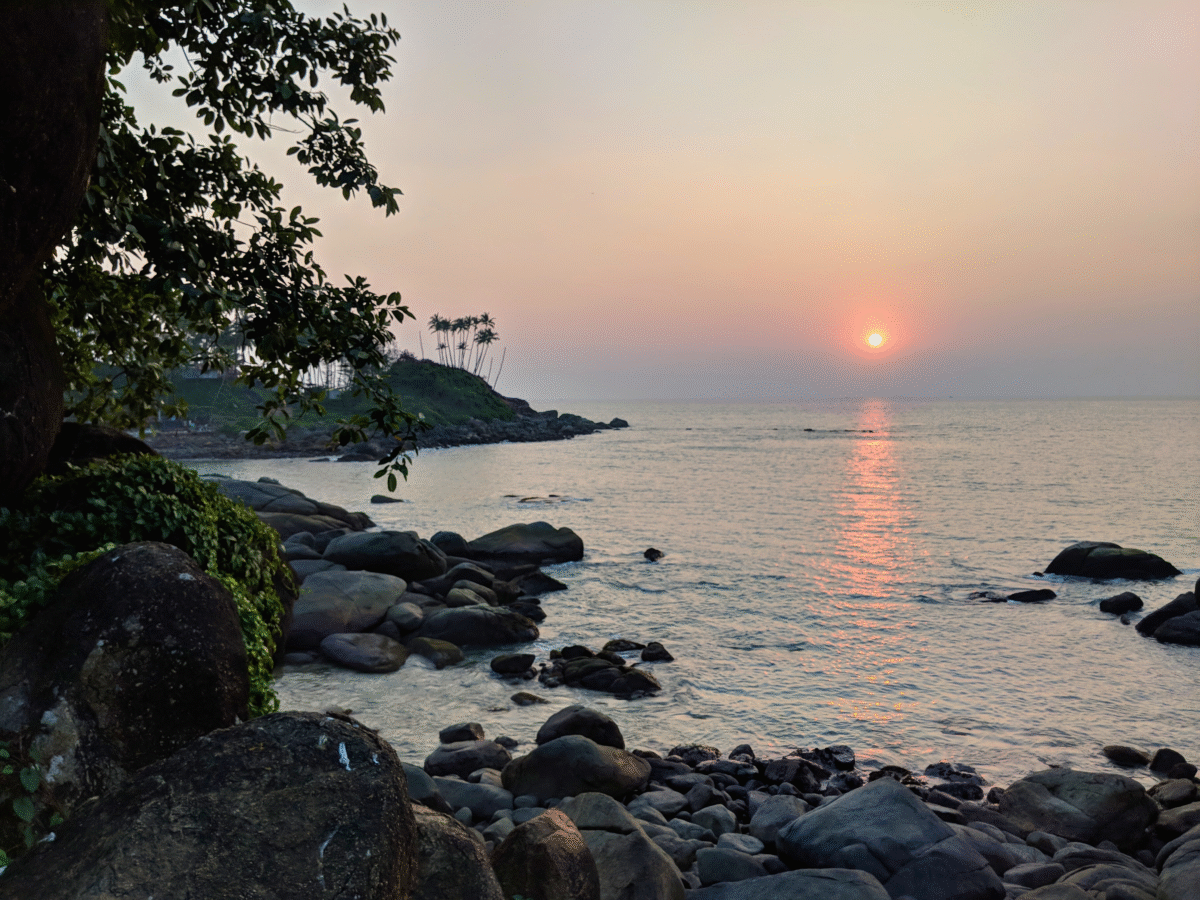
Photo Courtesy of Pavlo Fedykovych Colomb Beach
Best for a chilled atmosphere
Separated from the busy Palolem by a hill, Colomb is a sheltered bay and one of the most charming corners of Goa. Rocks protect the cove from big waves, so you can enjoy tranquil waters almost all the time. It’s especially magical in the morning when local fishermen on colorful wooden vessels commence their workday. This beach is ideal for chilling and getting a moment of peace after the often crowded Palolem. You will find snacks and drinks at the seafront shacks that double as improvised beach bars. Destiny Goa Beach Resort occupies the majority of the southern part of Colomb, offering chalets with private pools and Arabian Sea views.
Ashvem Beach
Best for a luxurious vacation
Morjim’s more tranquil and upscale little brother, Ashvem is among Northern Goa’s most enchanting beaches. Basically, the lion’s share of this village are elegant resorts set among lush greenery. Beautiful spas and high-class restaurants accompany them. This makes Ashvem a fantastic spot for couples seeking a calm and romantic Goan escape. But there’s another type of traveler you will meet at the beach here. Lured by superb conditions and established infrastructure, surfers have long come to Ashvem. If you’re contemplating having your first surf experience, Ashvem is ideal for that reason. There are many surfing schools to choose from with equipment rental.
Baga Beach
Best for nightlife and bar hopping
Not everyone comes to Goa to chase inspiring sunsets and enjoy the serenity of the palm tree groves. If you’re seeking good vibes and a non-stop party, go to Baga. It’s that in-your-face tourist town where you never run out of fun experiences. Bars are everywhere, beach shacks try to outcompete each other with the loudest bass and restaurants have “international food” on their menus. But it’s behind the sand. Go to the beach to find a magnificent stretch with plenty of space and the biggest variety of water sports in the state. Add an unlimited choice of accommodation for any budget, several amusement parks for kids and a big selection of eateries. Baga works ideally for what it is: a slightly chaotic yet fun beach holiday destination. Watch out for tourist traps and you’ll enjoy it. If it gets overwhelming, the peaceful villages of the south are a few hours away.
Cola Beach
Best for sublime nature and kayaking
Cola is a must-visit if you’re after untouched natural landscapes. This beach exemplifies Goan postcard-ready beauty—green hills meet golden sands with coconut palms swaying leisurely. But that’s not all, as the beach also has a spellbinding backwater lagoon. It’s best explored on a kayak, slowly gliding into the palm tree grove’s embrace. There’s a handful of exclusive resorts you can book to experience Cola’s magic first-hand. Imagine sunrises and sunsets at such a place. However, be aware that the beach is isolated, meaning you won’t have anything outside your resort (but for some, this might be the selling point).
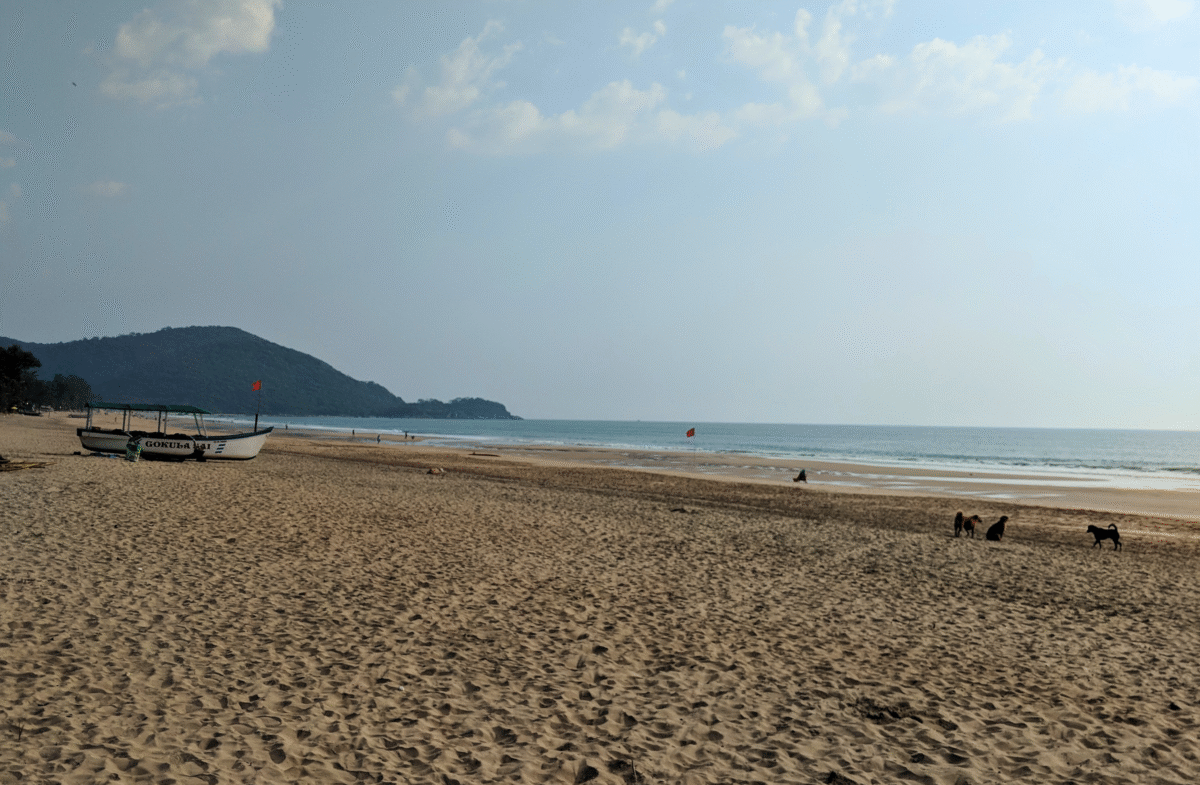
Photo Courtesy of Pavlo Fedykovych Agonda Beach
Best for expansive views
Agoda is Goa without the tourist buzz. It’s long, wide and never too crowded. Be prepared to see the cows roaming the red sands freely (it’s just a very Goan thing). The escape is what this beach is all about. Agonda is a top choice for a honeymoon if you’re into long beach walks, airy bungalows set among greenery and spa treatments to the sound of the jungle. The area behind the beach is dotted with resorts offering just that. In September, the olive ridley sea turtles choose Agonda to lay their eggs, so you’re going to see many nesting sites and have a high chance of spotting these cute creatures.
-
Thailand
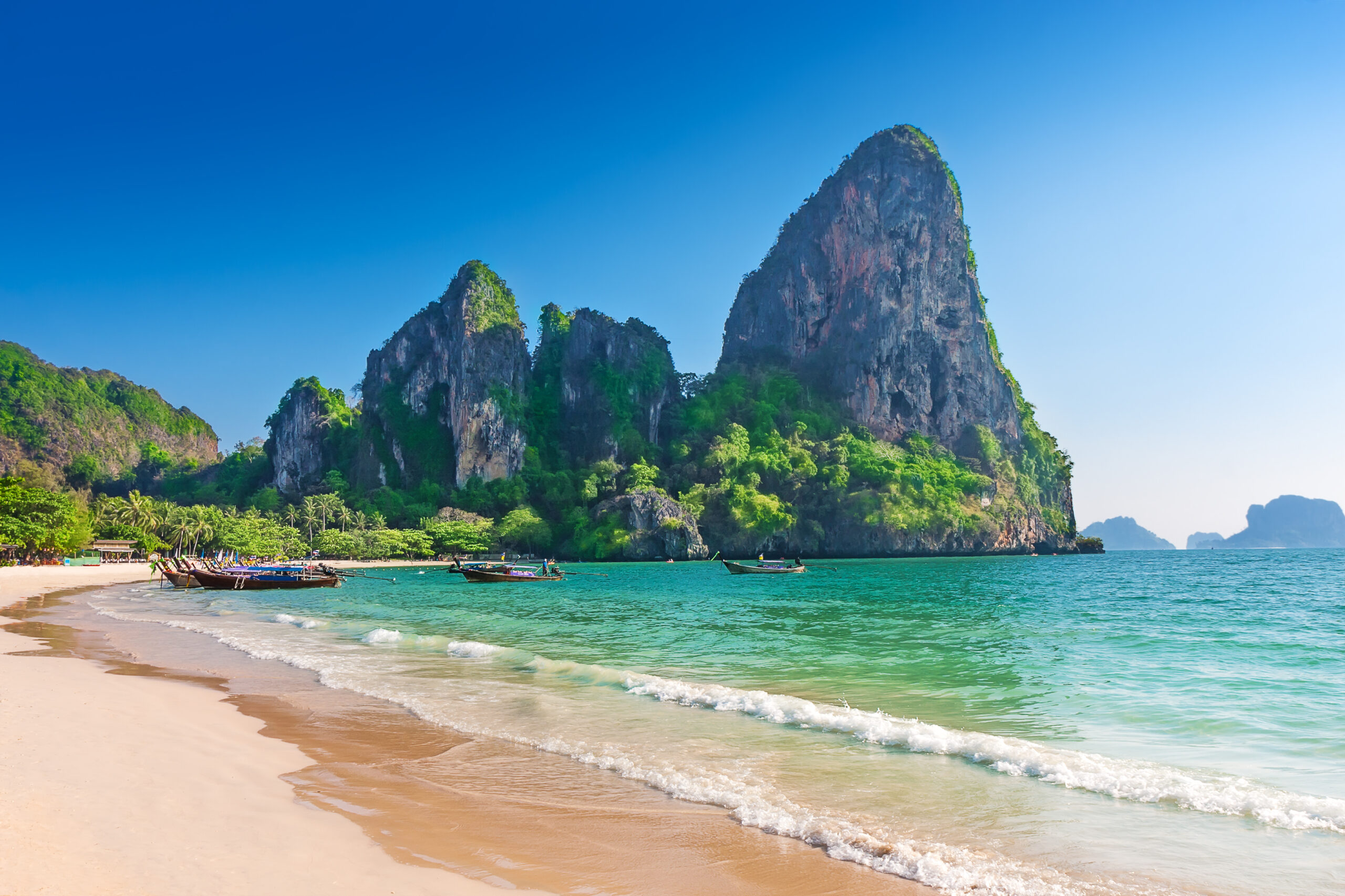
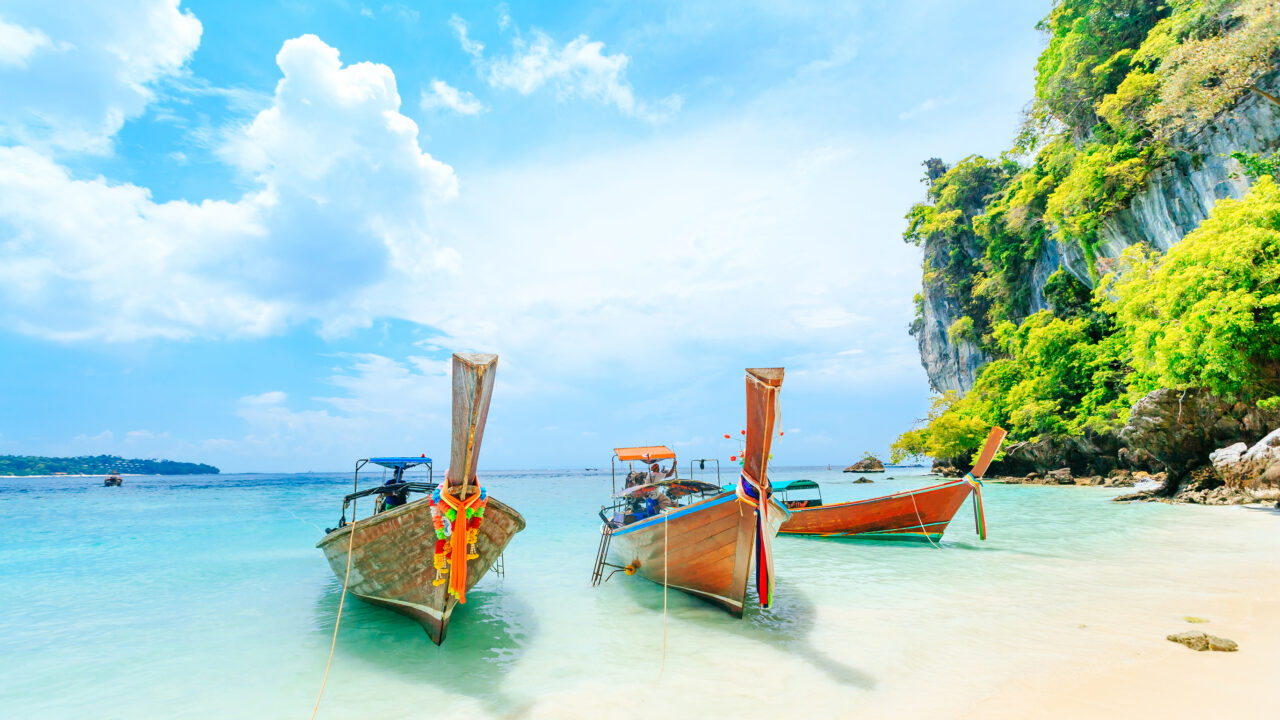
I’ve always had a soft spot for Thailand. To me, it’s the kind of place that feels like home the moment you step off the plane. While I love the energy of Bangkok and the tranquility of the north, it’s the beaches that truly steal my heart every time.
White sand, crystal-clear water, dramatic limestone cliffs: each one feels like something out of a dream. Over the years, I’ve made it my mission to explore as many of Thailand’s best beaches as I can, chasing that perfect combination of sun, sea and serenity.
From the party scene on the mainland to the hidden coves of Koh Lanta, I’ve soaked it all up. Not sure where to start? Read on for the best beaches in Thailand that made me fall even more in love with this country.
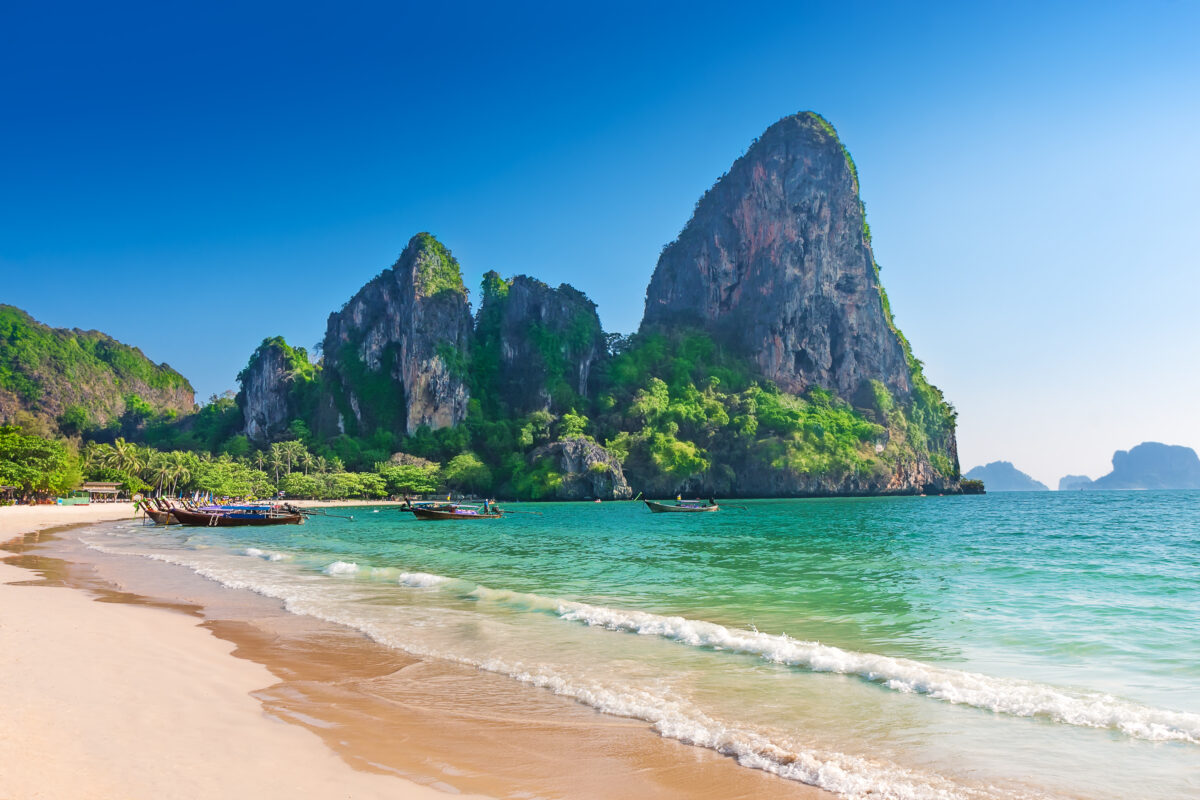
Photo by © Pretoperola | Dreamstime.com Railay Beach, Krabi
While it’s by no means a secret beach, Railay Beach is definitely worth the hype. Think: towering limestone cliffs, soft golden sand and that turquoise water you dream about on grey days.
Railay isn’t an island, but it might as well be; it’s only accessible by boat, which keeps it feeling a little more tucked-away. The west side is the quintessential postcard shot, with longtail boats bobbing in the bay and a few relaxed beach bars perfect for sunset beers.
You won’t find lifeguards here, but there are basic facilities like restrooms and casual restaurants scattered along the beach. Stay the night if you can —sunset turns the cliffs to gold.
Maya Bay, Koh Phi Phi Leh
Yes, it’s that Maya Bay—from The Beach. And yes, it’s as jaw-dropping in real life as you’d hope. When I visited, the Thai authorities had recently reopened it with strict visitor limits to protect the marine ecosystem, so it was still pretty quiet.
Swimming is sometimes restricted, but walking along the powder-soft sand and wading in the shallow waters is still definitely worth doing. There are no restaurants or amenities on the bay itself (as it’s a protected national park) but nearby Phi Phi Don has everything you need. Go early in the morning with a guided longtail tour to beat the crowds and see the magic before the day-trippers arrive.
Patong Beach, Phuket
Patong is Phuket’s party central, and while it’s not exactly a peaceful hideaway, it’s got its own wild charm that’s well worth a visit. I stopped here during a longer trip down the Andaman coast and was amazed at how much was packed into one stretch of sand—parasailing, jet skis, beach bars, you name it—Patong’s got it.
You’ll find lifeguards stationed along the shore, public bathrooms and plenty of beach vendors selling everything from fresh fruit to sarongs. Bangla Road is just a short walk away if you’re chasing nightlife. Sure, it’s not for everyone (if you want serenity, it’s probably not for you), but if you want high-energy vibes and a bit of chaos with your beach day, Patong brings it.
White Sand Beach, Koh Chang
True to its name, White Sand Beach on Koh Chang is all about long, powdery stretches of white sand and clear, swimmable water. It’s the first major beach you’ll hit when arriving from the ferry and it’s a great all-rounder: family-friendly, easygoing and full of places to stay within easy reach.
I loved grabbing grilled seafood from the little beach shacks at sunset, toes in the sand and icy cool Chang beer in hand. There are restrooms at some of the larger resorts and lifeguards are sometimes present near the busier sections. While the north end is more developed, I recommend walking a little further south and you’ll find quieter patches to unwind.
Chaweng Beach, Koh Samui
Chaweng is Koh Samui’s busiest beach, but it still manages to deliver big holiday vibes without losing its charm. I stayed at nearby Lub D and spent my days hopping between swim sessions, beach massages and ridiculously good pad Thai from roadside stalls. The beach is long and wide, so you can always find your own patch of sand.
Lifeguards are present near the bigger resorts and you’ll find all the expected amenities—restaurants, shops, bars and bathrooms. If you want peace, head to the southern end. The north is where the party gets going, especially as the sun goes down.
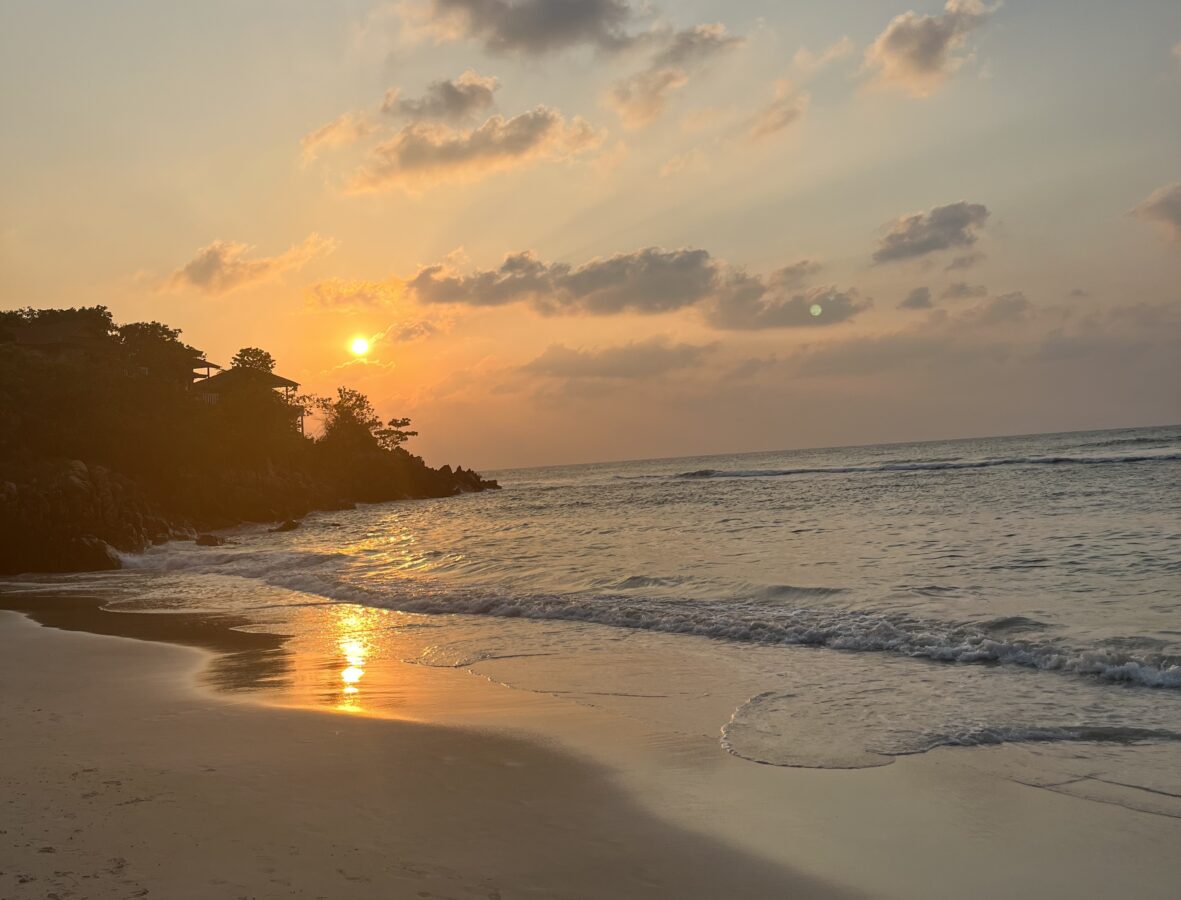
Photo courtesy of Georgie Darling Haad Yao, Koh Pha-Ngan
I found Haad Yao by accident while looking for something a bit quieter than the party buzz of the island’s southeast—and it ended up being one of my favorites. It’s long and wide, with gently curving white sand and calm, swimmable water.
The atmosphere is peaceful without being boring: reggae bars, hammock-dotted cafés and massage huts tucked under the trees. I stayed in a hotel just above the beach’s steps and basically lived barefoot for three days. There are a few mid-sized resorts with bathrooms and restaurants and while there weren’t any lifeguards on my visit, the beach felt super safe and easygoing.
Sunrise Beach, Koh Lipe
I woke up at 5:30 a.m. to watch the sunrise here (and trust me, it was worth every minute of lost sleep). Sunrise Beach on Koh Lipe is impossibly pretty, with glass-clear water and soft sand that glows in the early light.
It’s more relaxed than Pattaya Beach (the main party beach on the island), with low-key beach bars, cafes serving killer iced Thai coffee and bungalows that open straight onto the sand. Most resorts offer their own bathrooms and while there aren’t official lifeguards, the shallow entry makes it family-friendly. One must-do: rent a snorkel—there’s a coral reef right offshore with tons of tropical fish.
Freedom Beach, Phuket
Freedom Beach is one of those places that feels like a local secret—hidden in plain sight but just far enough off the usual tourist radar. I took a longtail boat here from Patong and the difference was instant: no blaring music, no vendors, just a quiet arc of soft white sand fringed by jungle.
The beach has limited amenities. There’s one small restaurant tucked into the trees serving cold drinks and Thai classics, but no bathrooms or lifeguards that I saw. It’s best to bring what you need for the day and just…unplug. Snorkeling near the rocks at either end is surprisingly decent, too.
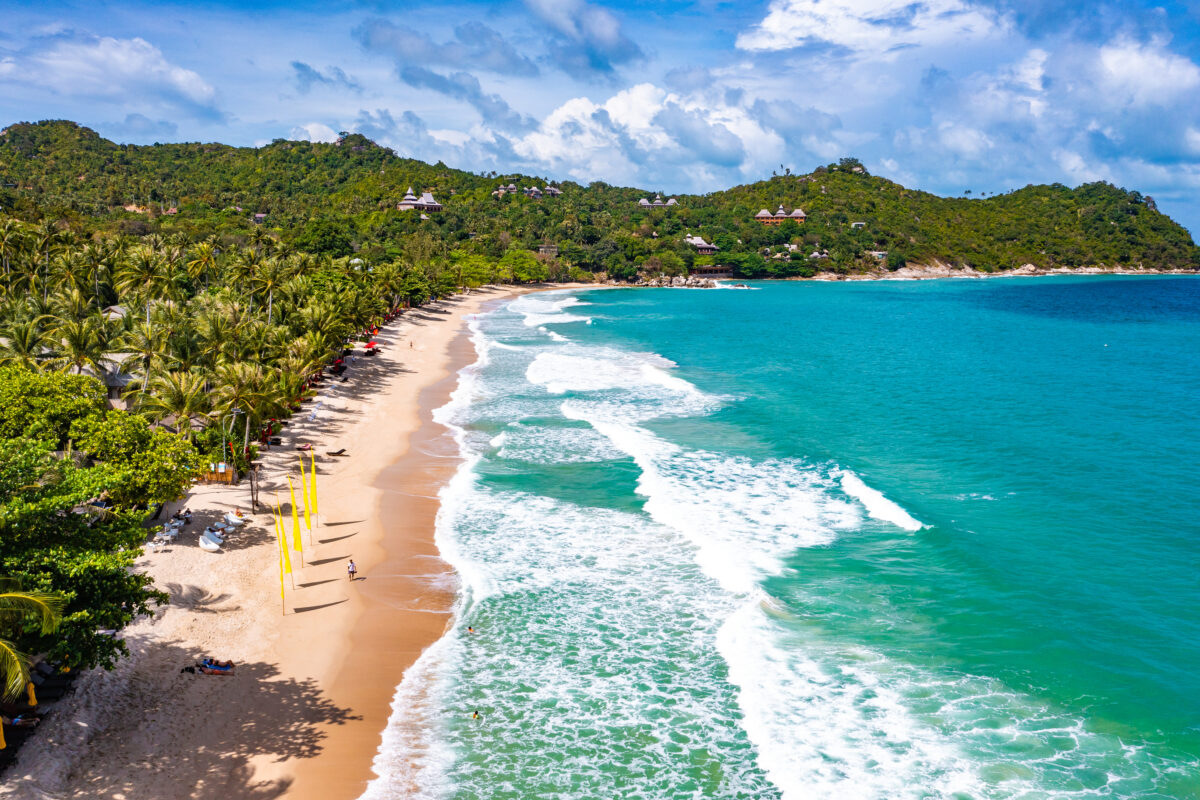
Photo by © Pierrick Lemaret | Dreamstime.com Thong Nai Pan Noi Beach, Koh Phangan
Thong Nai Pan Noi is where Koh Phangan slows down. I stayed here after the madness of the Full Moon Party and it felt like a different island entirely. The bay is calm and crescent-shaped, framed by jungle-covered hills and the vibe is all about barefoot luxury.
Expect boutique resorts, spa pavilions and beachside restaurants with cushions in the sand. Most hotels offer public restrooms and you’ll usually see resort staff acting as informal lifeguards. The sea is shallow and swimmable and there’s even a small waterfall hike nearby if you’re feeling active. If you’re after romance, relaxation, or both—this one’s a winner.
Ao Prao Beach, Koh Samet
If Koh Samet had a “grown-up” beach, Ao Prao would be it. Tucked away on the island’s west side, this beach is quieter, cleaner and a little more refined than the party-heavy east coast. I stayed at a hillside resort here and spent long, lazy afternoons floating in warm, calm water, occasionally surfacing for fresh mango smoothies.
The resorts lining the beach offer restrooms, loungers and restaurant service right to your towel. It’s also one of the few beaches on the island where you’ll catch the sunset. While there are no public lifeguards, the vibe is mellow and family-friendly, ideal for unwinding in peace.
Kantiang Bay, Koh Lanta
Kantiang Bay was love at first sight for me. Located on the southern stretch of Koh Lanta, this beach hits that perfect sweet spot between rugged and refined. The sand is soft and golden, the water is clear and calm and the crowd is delightfully sparse.
A few boutique resorts and beachside restaurants dot the shoreline, including one spot that served up the best grilled snapper I’ve ever had. You won’t find lifeguards here, but many of the resorts have basic facilities like bathrooms and gear rentals. It’s an ideal base for exploring southern Lanta…or just staying put and doing absolutely nothing.
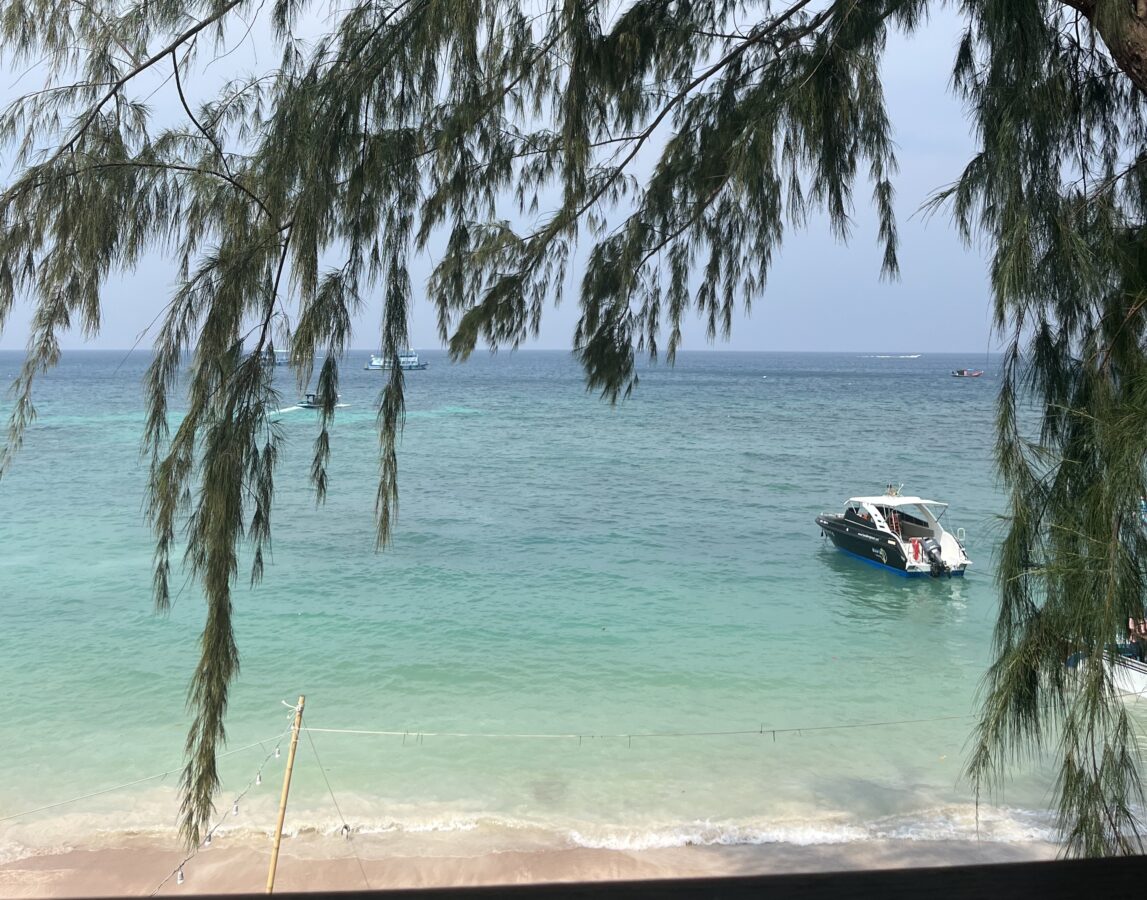
Photo courtesy of Georgie Darling Sairee Beach, Koh Tao
Sairee Beach is the heartbeat of Koh Tao—and probably where I spent the majority of my time on the island. It might even be my favorite spot in Thailand. It’s the island’s main beach, but it still feels super chill compared to Thailand’s busier hotspots.
The sand is soft, the sea is calm and the sunsets here are some of the best I’ve ever seen (the sky turns every shade of orange and pink). There’s a mix of backpacker bars and more polished cafés lining the beach and plenty of dive shops if you’re tempted by Koh Tao’s underwater magic—I even saw whale sharks while diving here. Most spots have restrooms and while I didn’t see official lifeguards, the shallow water makes it easy going for swimming.
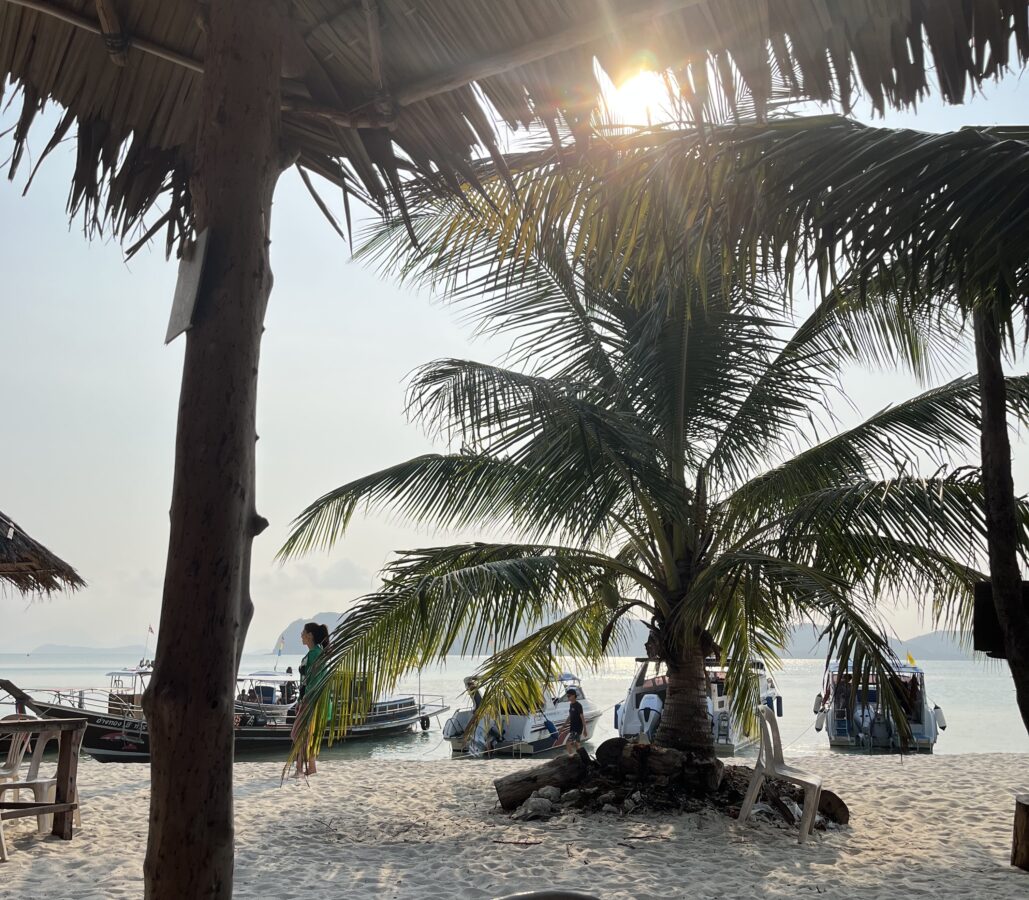
Photo courtesy of Georgie Darling Koh Mat Sum (Pig Island), near Koh Samui
This one’s more of a novelty, but it’s a fun little detour if you’re based on Koh Samui. Koh Mat Sum (nicknamed Pig Island for obvious reasons) is a small, sandy island where actual pigs roam the beach.
It’s a little surreal (and adorable) to see them sunbathing and waddling around like they own the place. I took a private half-day boat trip here (get a bike to the harbour and you’ll find plenty of boats ready to go) and loved that the vibe was super relaxed, with calm water perfect for a quick dip or snorkel.
There aren’t many facilities—just a small bar for drinks and snacks—but it’s not really about luxury. It’s about beachy views, floating in turquoise water and petting a pig or two between swims.
FAQs
What is the best beach in Thailand?
Railay Beach in Krabi is the best beach in Thailand, known for its dramatic limestone cliffs and clear, swimmable water. It’s only accessible by boat, which gives it a more secluded feel despite its popularity. If you want that classic Thailand scenery, this is the one.
What month is best for beach trips in Thailand?
November through April is the best time for beach trips in Thailand, especially along the Andaman coast (Phuket, Krabi, Phi Phi). If you’re heading to the Gulf islands like Koh Samui or Koh Tao, the weather is often better from January to August. This split means you can usually find good beach conditions somewhere in Thailand year-round.
Which beach in Thailand is best for snorkeling or diving?
Koh Tao is the best spot in Thailand for snorkeling and diving, with calm water, accessible reefs, and strong visibility. You can snorkel straight from the beach or join short boat trips to see coral and marine life. For more options, the Gili Islands offer a similar easy-access reef setup.
Are there free beaches in Thailand?
Yes—most beaches in Thailand are free to access, including popular spots across Phuket, Krabi, and the islands. One exception is Maya Bay, which now charges a small entry fee and has strict visitor limits to protect the environment. Outside of protected areas, you can usually just show up (for free).
-
Bali
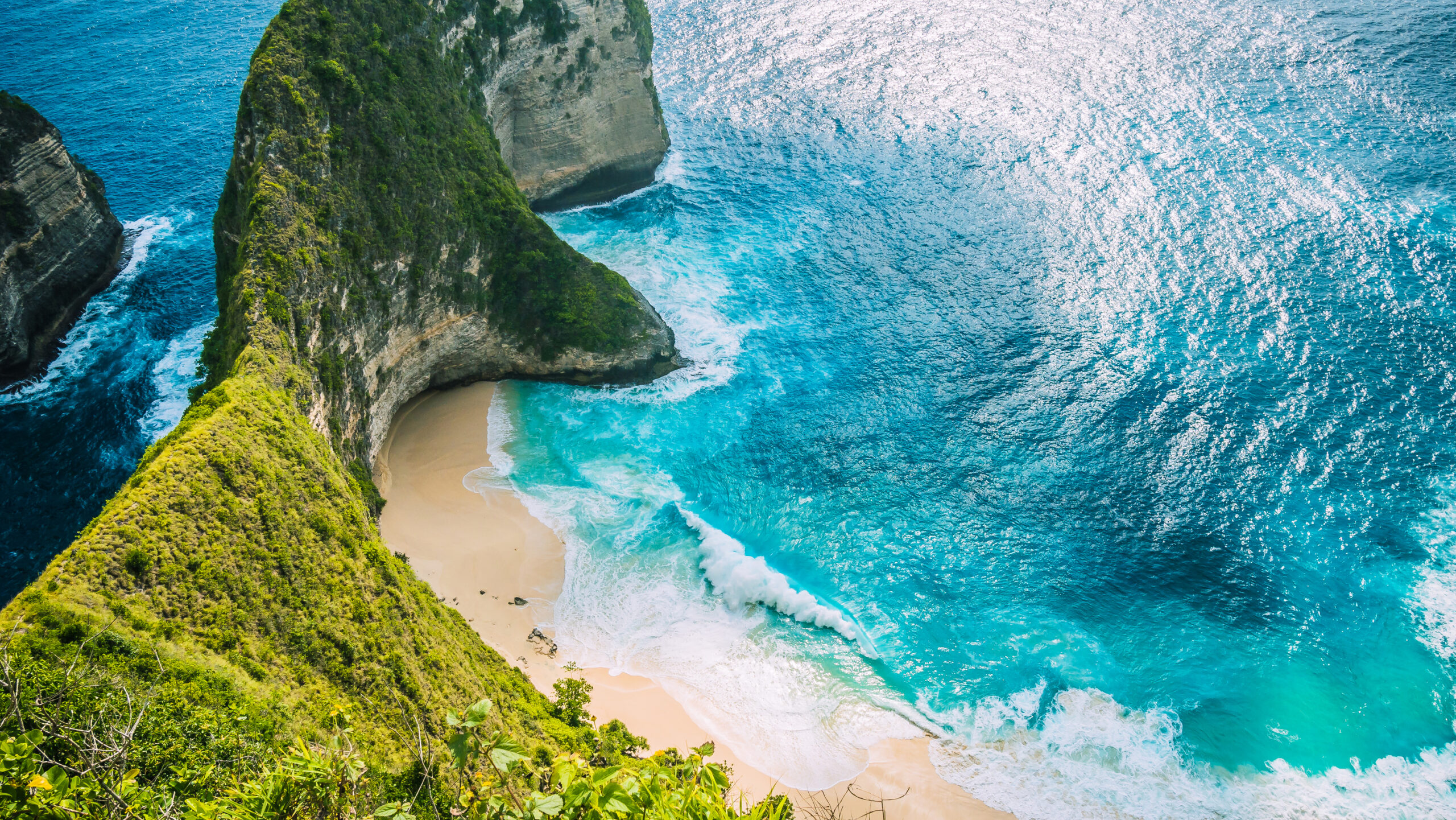
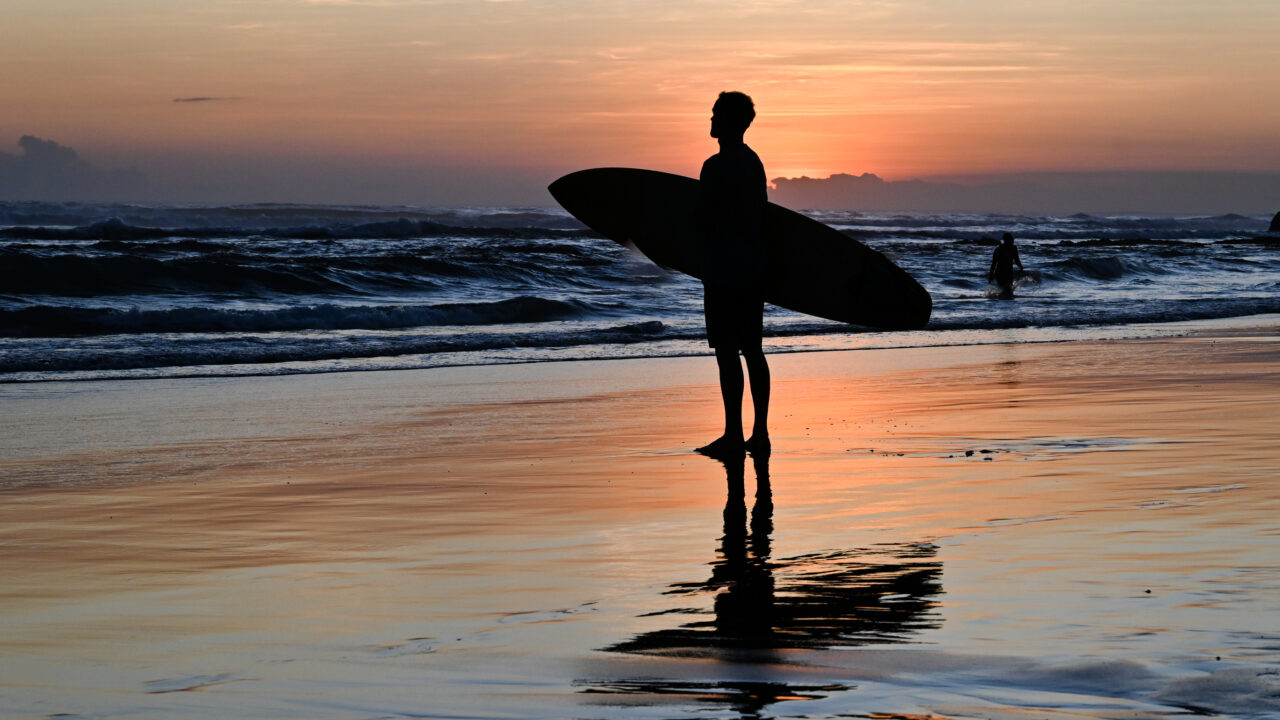
10 Best Beaches in Bali
Catch a sunset set to live DJ beats on Seminyak Beach, unwind on Nusa Dua’s calm shores, or paddle through Sanur’s peaceful lagoon with the kids. If you’re after something more dramatic, head south to the white-sand stretches of Melasti and Pandawa—ideal for swimming beneath towering cliffs. Dreamland Beach lives up to its name with golden sand and fiery sunsets, while Crystal Bay on nearby Nusa Penida is your off-the-grid escape with palm-fringed perfection.
And when the tide rolls out? There’s still plenty to explore—from colorful beach bars and clifftop cafes to sunrise strolls and spa sessions just steps from the sea.
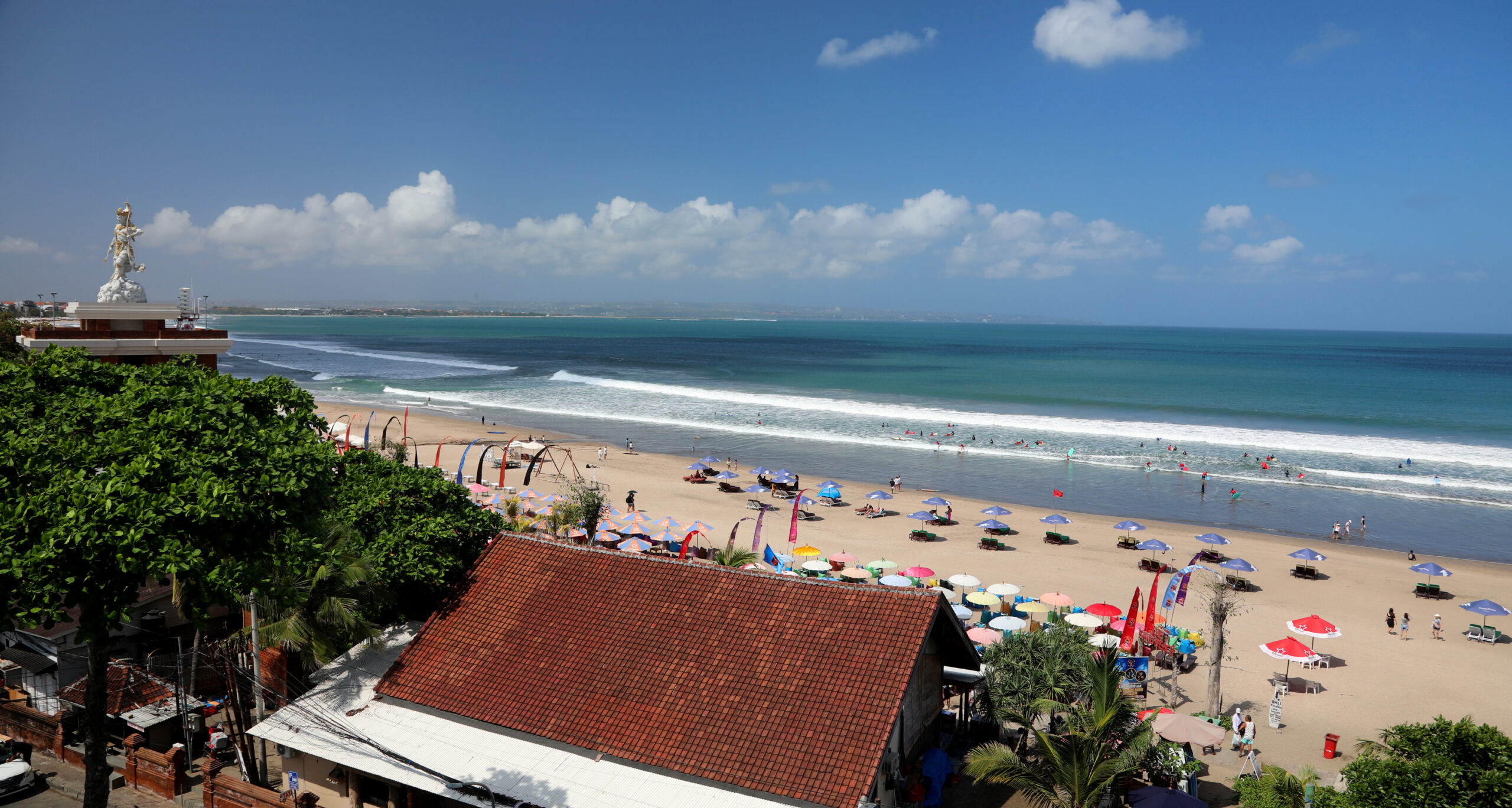
Photo by © Chrisstanley | Dreamstime.com Easiest to Access
Seminyak: With its long stretch of golden sand, Seminyak Beach is a go-to destination for those who love beachfront dining. You can sip on a fresh coconut or enjoy fine dining with your toes in the sand. As night falls, the beach comes alive with vibrant sunsets, beach clubs and live DJ sets under the stars.
Nusa Dua: Nusa Dua is synonymous with luxury and is known for its calm turquoise waters and a coastline lined with upscale resorts. This area is a good choice for families or couples since you can enjoy water sports like stand-up paddleboarding or simply relax on the soft sand without a care in the world.
Sanur: Sanur is a more laid-back alternative and is also a very family-friendly beach. Enjoy leisurely strolls along its scenic promenade, which is dotted with warungs (small local restaurants) and artisanal shops. The waters here are calm and shallow, so it’s great for swimming or paddling with little ones. Locals also say the sunrise views are absolutely magical here.
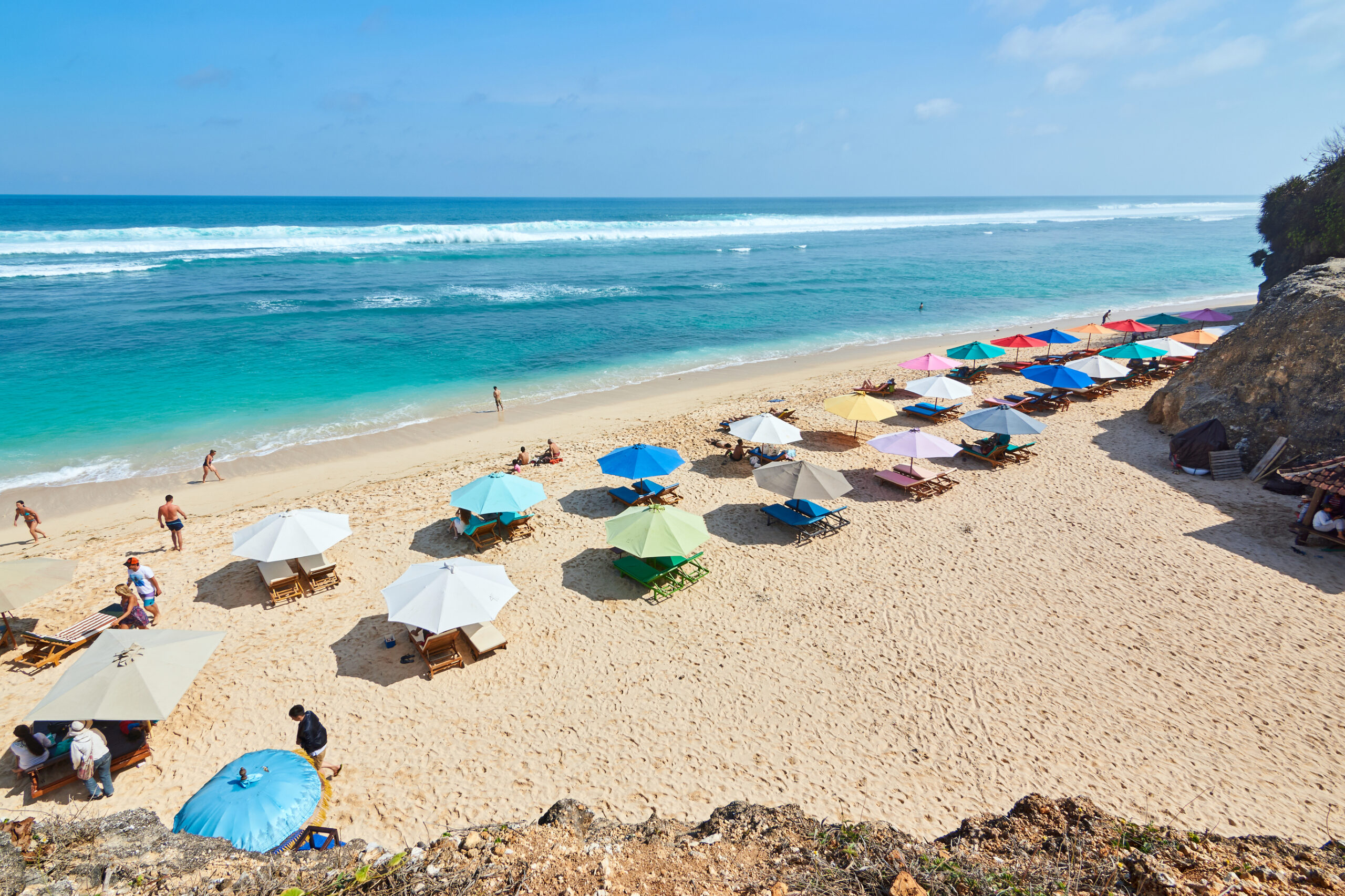
Photo by © Goncharov2006 | Dreamstime.com Best for Swimming
Melasti and Pandawa: Melasti Beach is known for its soft white sand and calm, crystal-clear waters, sheltered by towering limestone cliffs. Nearby Pandawa Beach is equally inviting, offering a more spacious shoreline where you can float in the warm sea or lounge under colorful umbrellas. Both are perfect for those who want to relax in the water without fighting heavy waves.
Sanur: Sanur’s calm lagoon-like waters are ideal for swimming, snorkeling, or just splashing around.
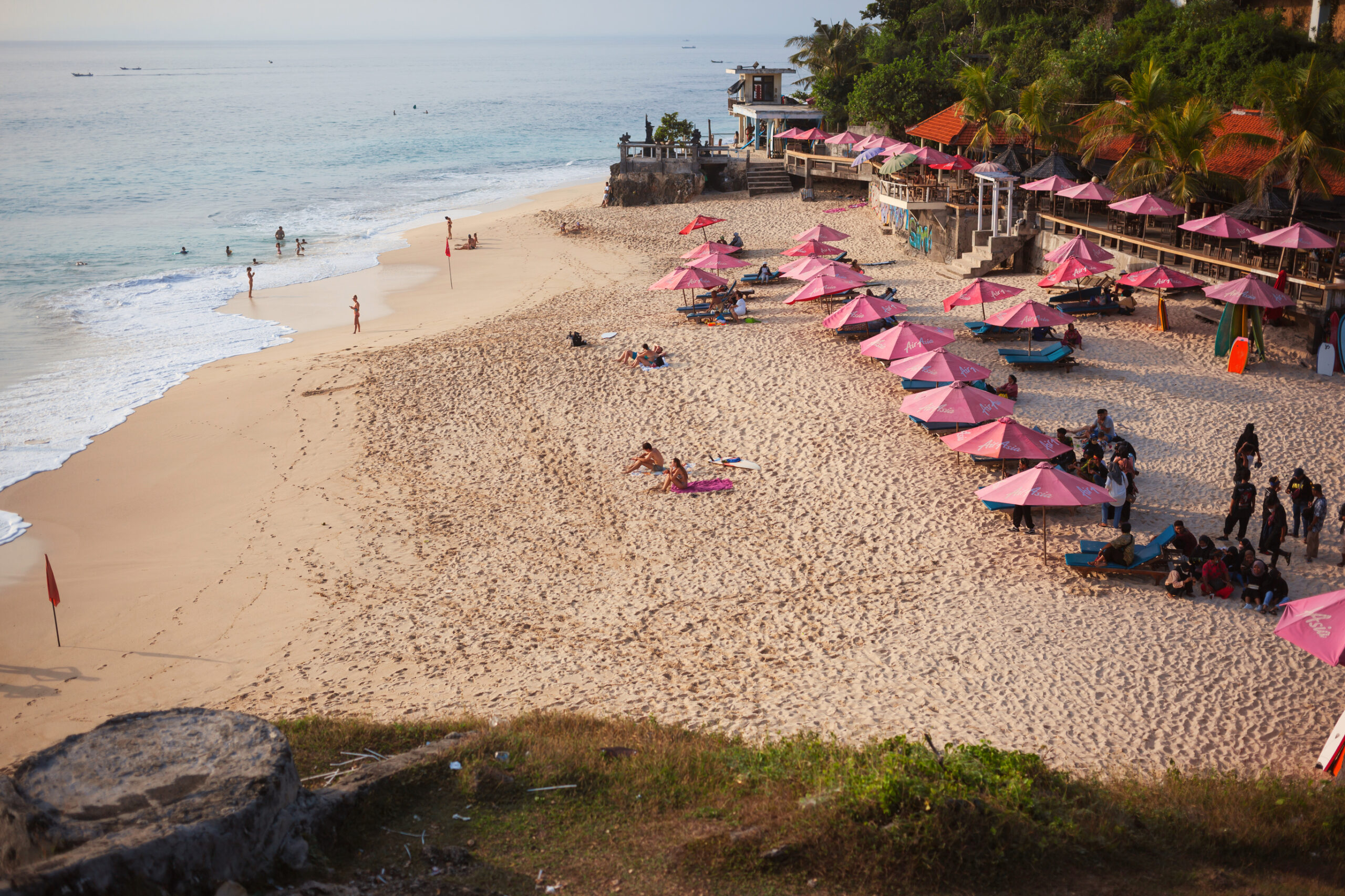
Dreamland beach by © Olga Kim | Dreamstime.com Best for Sunsets
Dreamland Beach: On Bali’s Bukit Peninsula, Dreamland Beach lives up to its name with golden sands, rugged cliffs, and picture-perfect sunsets. While the waves here are a draw for experienced surfers, the beach also offers quieter spots where you can unwind and watch the sky transform into the most beautiful array of colors. The views from the cliff top cafes and bars are nothing short of breathtaking.
Seminyak: When it comes to sunsets, few places rival Seminyak Beach. As the sun dips into the horizon, the golden glow sets the perfect mood for sipping cocktails at upscale beach bars or enjoying a romantic dinner on the sand.
Crystal Bay (Nusa Penida): For something a bit off the beaten path, hop over to Nusa Penida’s Crystal Bay. Famous for its white sand and blue waters, this beach offers some of the most Instagram-worthy sunsets in Bali. The surrounding palm trees and rocky headlands only add to the charm and you’ll feel like you’ve found a hidden paradise.
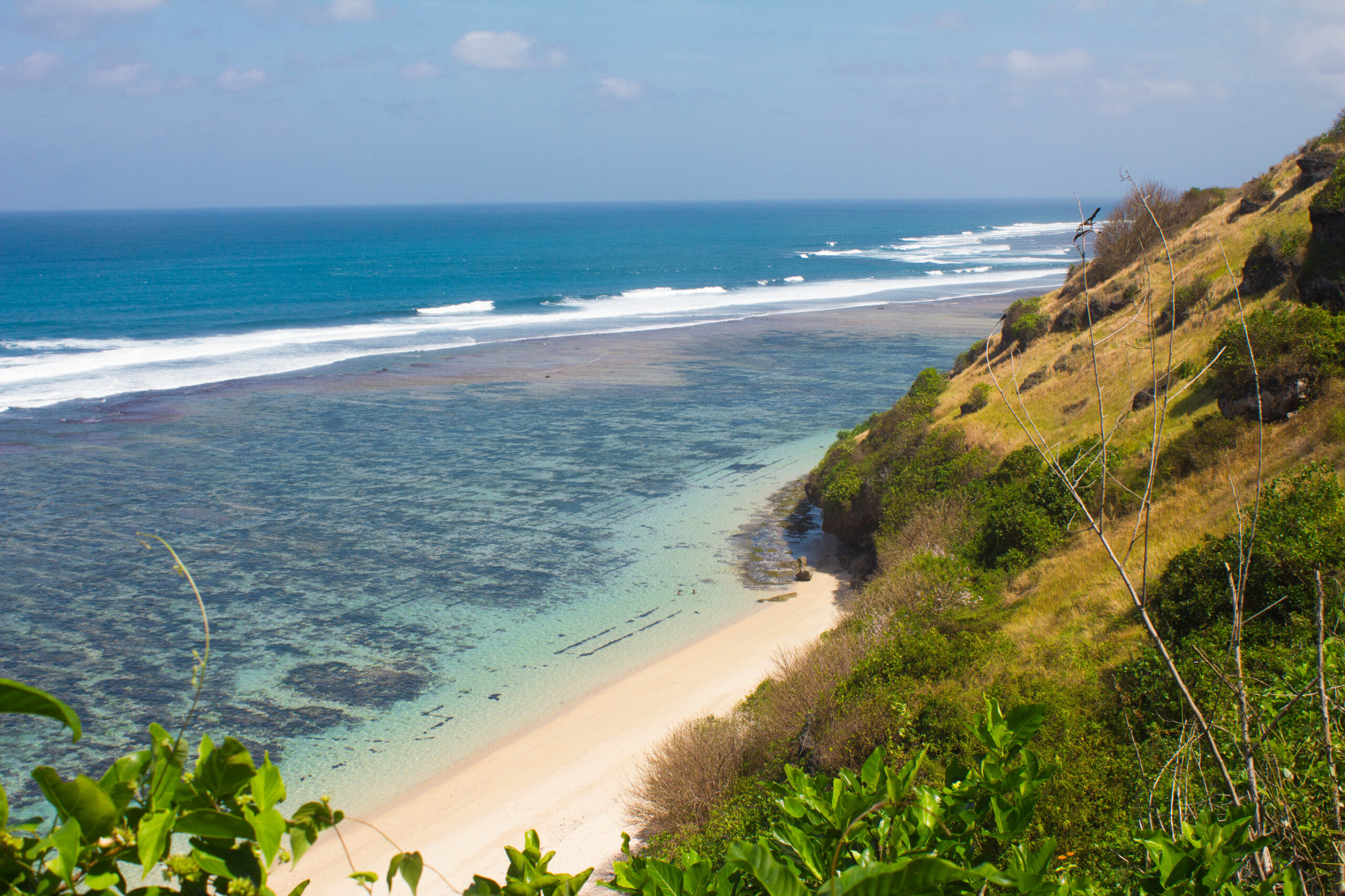
Gunung Payung beach by © Tatsianat | Dreamstime.com Hidden Gems
Gunung Payung: At the bottom of a steep set of stairs, this secluded stretch of sand rewards adventurous travelers with its dreamy shoreline and peaceful atmosphere. The beach is rarely crowded, so bring a picnic, a good book, and bliss out.
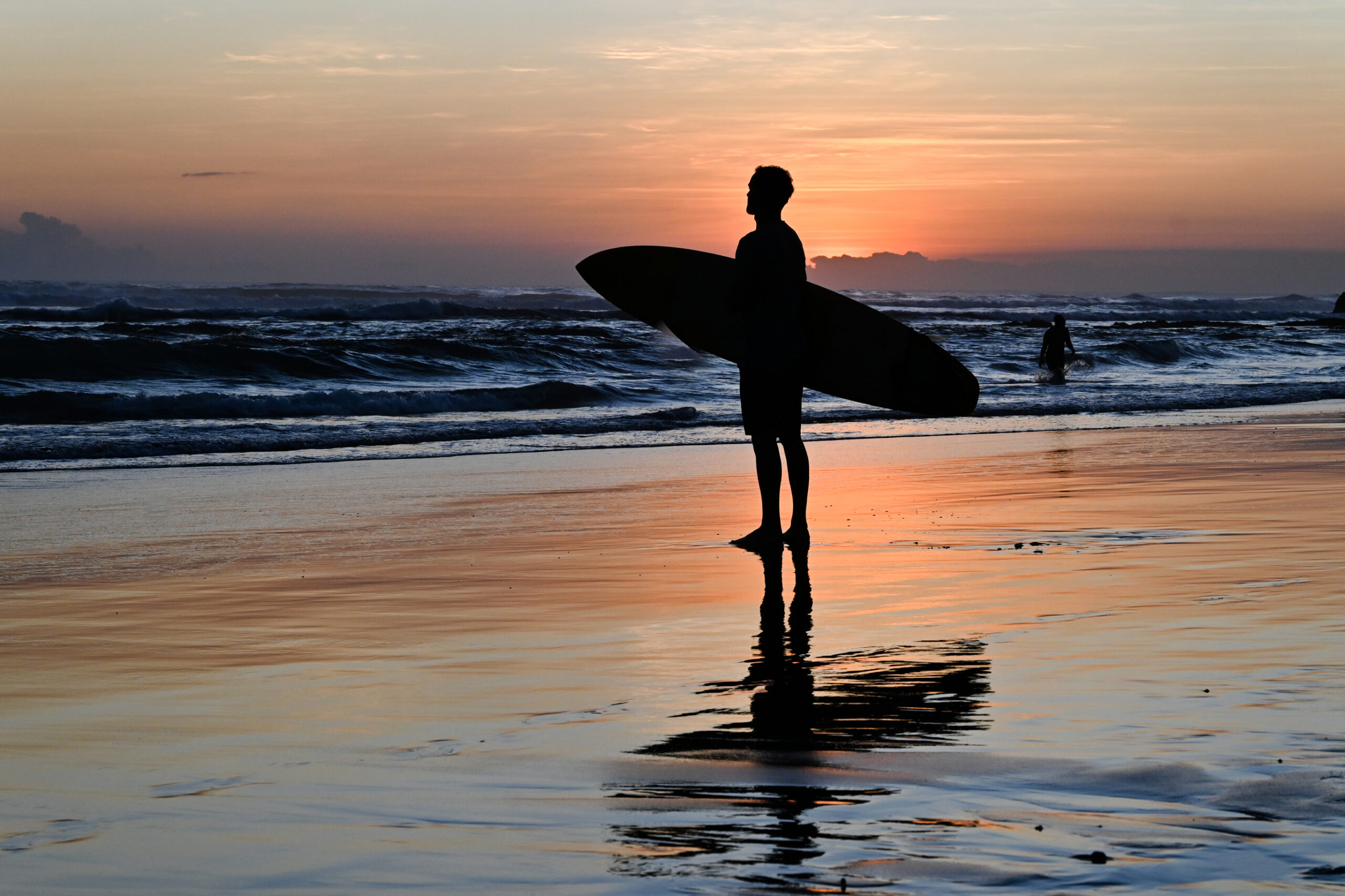
Canggu by © Sergio Capuzzimati | Dreamstime.com


