
Virtuoso recently released its 2026 Luxe Report outlining nine must-have travel experiences in the coming year, drawing insights from over 2,400 travel advisors across nearly 60 countries. Not surprisingly (at least to this writer) whale-timed encounters were among them, with Monterey Bay, California notably mentioned.
As Virtuoso writes, close encounters with whales “restores perspective and reminds fortunate observers of nature’s immensity.”
Often focusing my travels around opportunities for whale watching from Baja, Mexico and the Pacific Northwest to Newfoundland, Norway, and even South Africa, it’s one of my passions. Witnessing these majestic and intelligent creatures with their complex behaviors and social structures truly evokes a sense of awe and wonder. When they make eye contact, that moment of personal connection can be life-changing.
Ironically, growing up in the area, Monterey Bay was just a hop, skip, and a jump away, yet I went around the world before I experienced all that it had to offer by actually getting out on the water. Since then, I’ve been back many times, realizing what I’d missed right in my own backyard for so many years.
Why Monterey Bay?
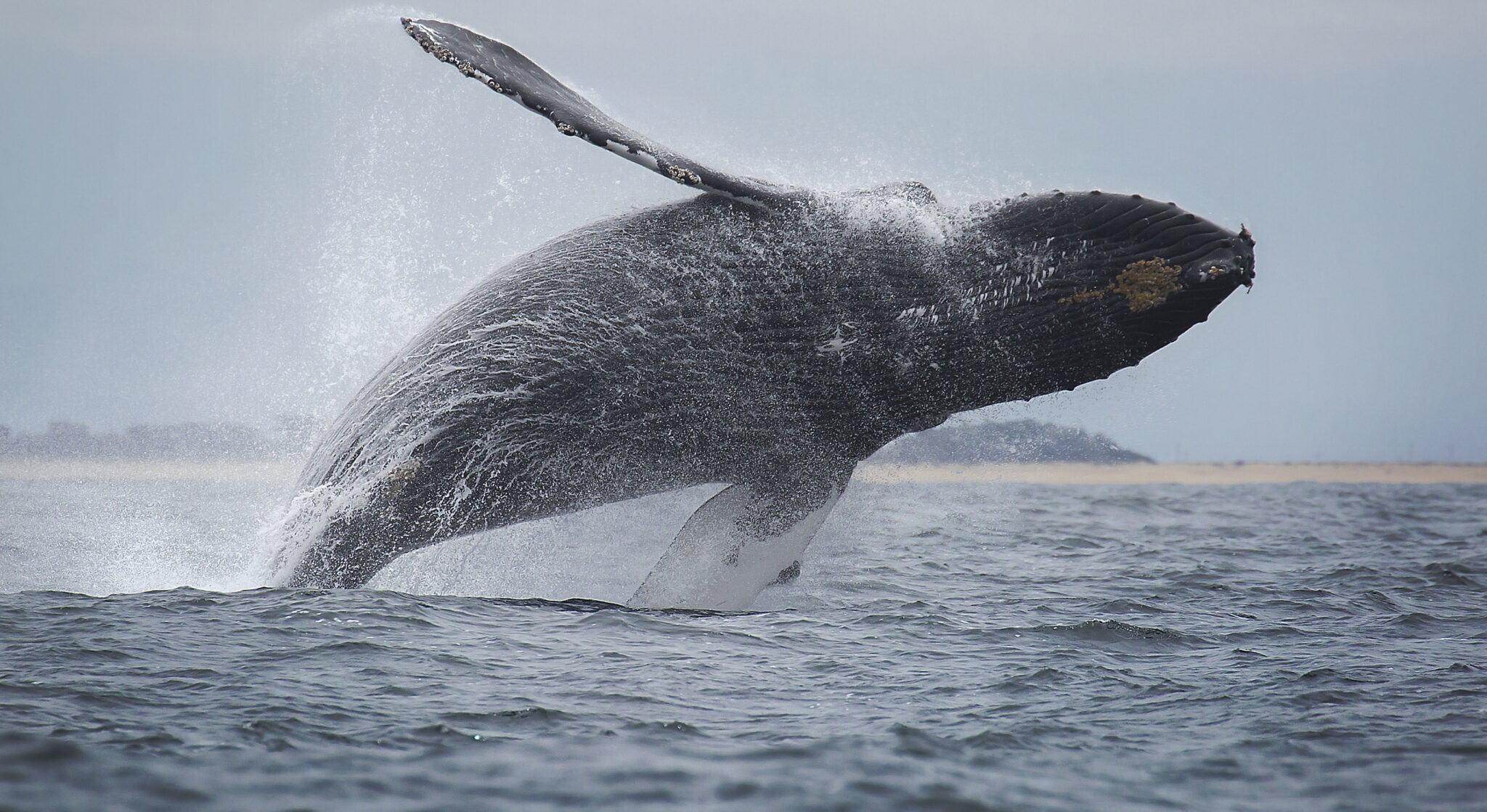
While Virtuoso didn’t mention much about Monterey Bay beyond its name, it’s a true world wonder when it comes to whales and other marine life. Humpback whales, sperm whales, gray whales, blue whales, minkes, beaked whales, and orcas can all be spotted here. Just a few of the other marine mammals that can be seen include the always “smiling” Risso’s dolphin, Dall’s porpoise, elephant seals, harbor seals, and sea otters.

When to Go Whale-Watching in Monterey Bay
Monterey Bay is one of those rare destinations for whale-watching that can be enjoyed year-round, but there are months that are better than others, especially if you’re hoping to see certain species.
- Humpback whales can be spotted year-round, with the highest concentration from March through November.
- Gray whales are in the area from December through April, peaking in January and March.
- The best time to see blue whales is from July through October.
- Sperm whales are also here year-round, but your best bet is from February through August.
- Transient, or Bigg’s orcas, can be seen anytime, with the optimal periods from mid-April through mid-May and late August through October. Occasionally, Southern Resident orcas make an appearance due to salmon scarcity further north.
Beyond the Whales
You’ll find plenty to do in the town of Monterey beyond watching whales, including a visit to the world-famous Monterey Bay Aquarium. It sits right in the bay, using the seawater to sustain marine life that you wouldn’t be able to see anywhere else, at least without scuba gear.
You’ll also find miles and miles of beautiful, sandy beaches, over 20 golf courses, and the colorful Cannery Row historic district with the former cannery buildings converted into shops, restaurants, and hotels, making it one of the top spots for tourists.