
Once you’ve traveled to Mallorca during the shoulder season, the chances are you won’t have it any other way. This Balearic island is one of Europe’s most visited tourist destinations. With over 15 million arrivals annually, it’s far from a secret spot. Summer can be intense here: the sweltering heat, the astronomical accommodation prices, and overcrowded beaches.
Not to say it’s everywhere like that—Mallorca is a big island—however, June to September is, undeniably, a busy season. Visiting in spring and early autumn gives you the privilege to explore Mallorca at its most charming and pensive. April, May and October are the best times to discover this Balearic beauty. Sunny days are guaranteed, the beaches are still pristine and hotels offer bargain prices. The shoulder months are also ideal for hiking—the island is home to the stunning Serra de Tramuntana mountains.
Here’s a 7-day itinerary for exploring Mallorca during the shoulder season.
Day 1: Palma’s Historic Wonders
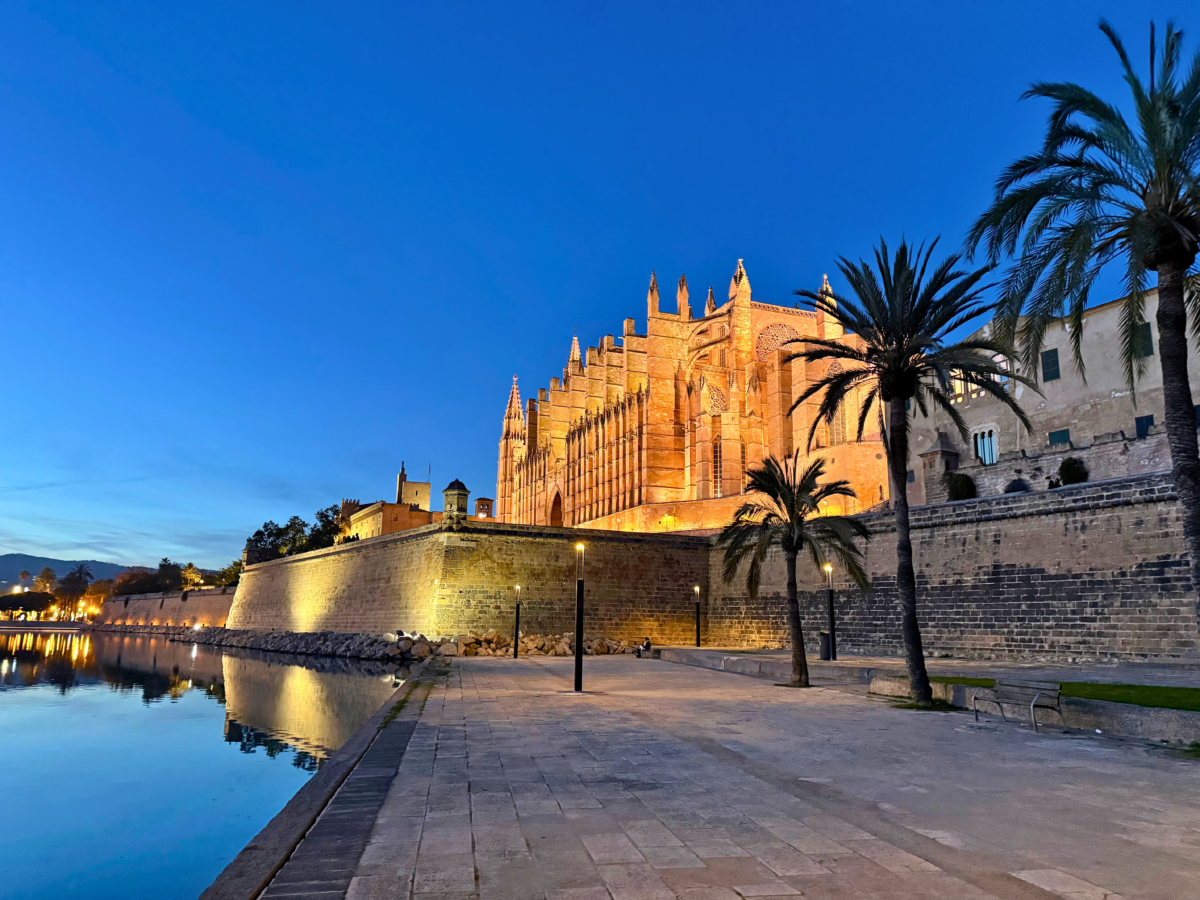
Every Mallorcan story begins in Palma, its gorgeous capital. With over 400 thousand inhabitants, it’s far from a sleepy resort town. Palma de Mallorca is a fascinating collection of Art Nouveau palaces, Moorish fortresses, awe-inspiring cathedrals, vibrant neighborhoods, and scenic beaches. Exploring it during the shoulder season offers a more authentic glimpse into the local lifestyle. There won’t be crowds at the entrance to Palma’s treasures, such as the imposing Gothic Mallorca Cathedral. Splendidly rising over the medieval walls next to the sea, this building is a must-visit. Inside, you’ll find the Gaudí-designed canopy and a combination of Mudejar and Baroque styles. Just opposite the Cathedral is the Royal Palace of La Almudaina, a stunning Moorish fortress. For a better immersion in the island’s history, visit the Museum of Mallorca.
Take time to experience Palma’s energetic urban life. The elegant, tree-lined Passeig del Born is where you find many cafes and restaurants. Another street to check out is Carrer de Sant Miquel, with boutiques and tapas bars. Platja de Can Pere Antoni is a gorgeous beach, overlooking the Cathedral. Portixol is the best neighborhood for spending your evening and watching the sunset. A former fishing village, it features a picturesque beach and a hip seaside area with seafood restaurants. Shoulder season is also perfect for enjoying the green areas. Get some fresh air at Palma’s gorgeous parks, L’Hort del Rei, and Parque del Mar.
Day 2: A Drive Along the West Coast
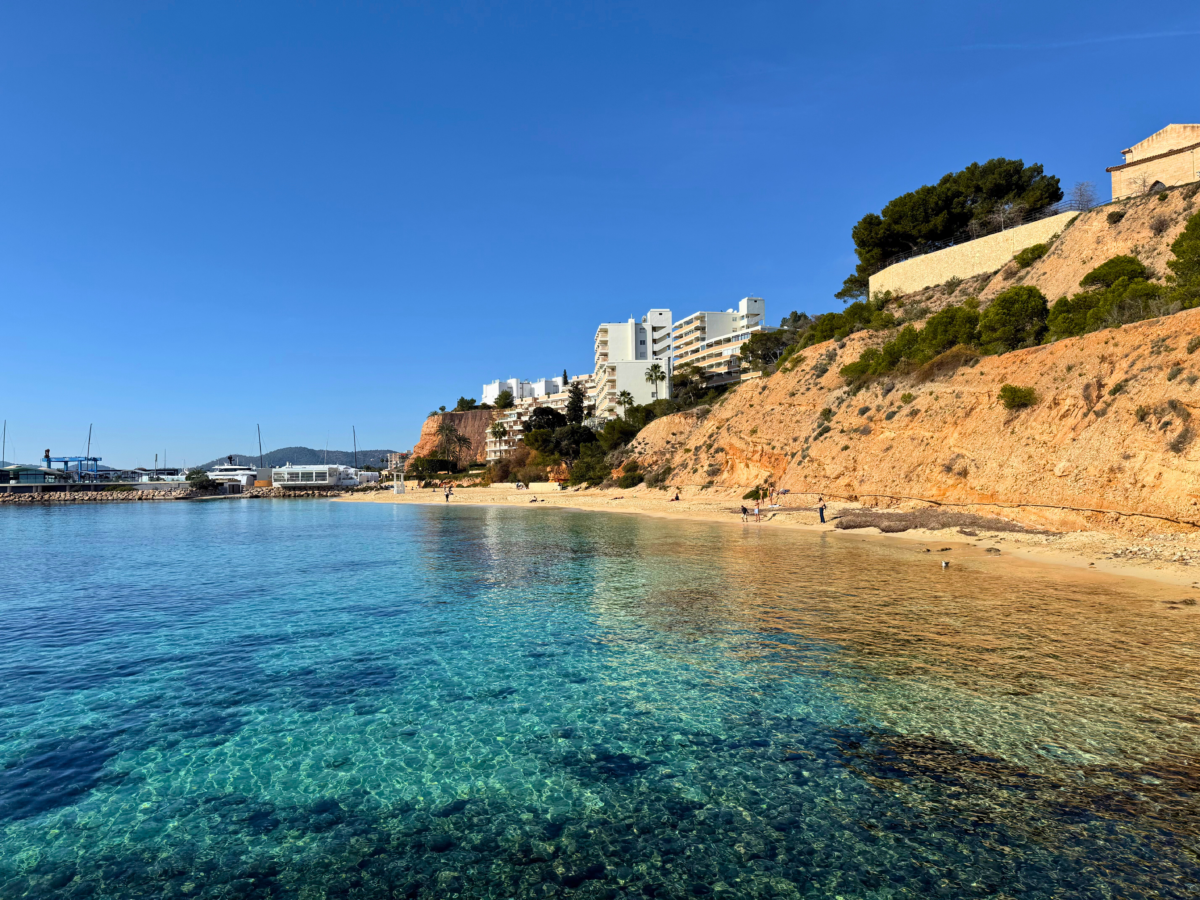
Western Mallorca is the most developed part of the island for tourism. It’s here that you find Magaluf and Palma Nova, two beach towns that are synonymous with the raunchy nightlife, packed beaches, and package holidays. But there’s more to this region. A drive from Palma to Peguera is filled with spectacular calas (or coves), relaxing beach town promenades, hidden beaches, and luxurious marinas. In the shoulder season, Western Mallorca offers ideal Mediterranean holiday conditions.
The first stop is Cala Major, a picturesque sandy beach, surrounded by high-end hotels and lush Marivent Gardens. Visit Fundació Joan Miró to see the extensive collection of the Catalan artist’s works. Next up is Portals Nous, where you find one of the most luxurious marinas in the Balearics, Puerto Portals. Have a brunch at the Wellies Restaurant’s terrace, surrounded by the banana leaves. Portals Nous Beach and Caleta are two sublime stretches nearby. Proceed driving to Portals Vells for more divine blue coves, such as Playa del Mago and Cova de Portals Vells.
The road will lead you to Santa Ponsa, a family-friendly resort town with a vast central beach. Have Mallorcan food at Paco’s Restaurant or opt for tapas in Malgrats. Finally, reach Peguera, a laid-back town with two gorgeous stretches, Platja Gran de Torà and Platja Palmira. Enjoy the scenic hike from the center to the turquoise Cala Fornells. If you have more time, visit the picture-perfect harbor of Port Andratx.
Day 3: Sóller, Port de Sóller, and the Valley Views
A historic train ride to Sóller is a quintessential Mallorcan experience, no matter the season. However, during the shoulder months, you will have nice views to yourself, escaping the summer crowds. Opened in 1912, the Ferrocarril de Sóller (or Soller Railway) is how you reach Mallorca’s most enchanting interior town. Riding this cute historic train carriage is a pure delight. The Constitution Square in front of the majestic Sant Bartomeu de Sóller is the top spot for sipping coffee with ensaïmada (traditional spiral-shaped pastry) and watching life go by. The town is the base for exploring the Vall d’Or, a hilly area of lemon and orange tree groves. One of the most interesting local attractions is the Ecovinyassa, an active citrus farm that organizes tours and tastings.
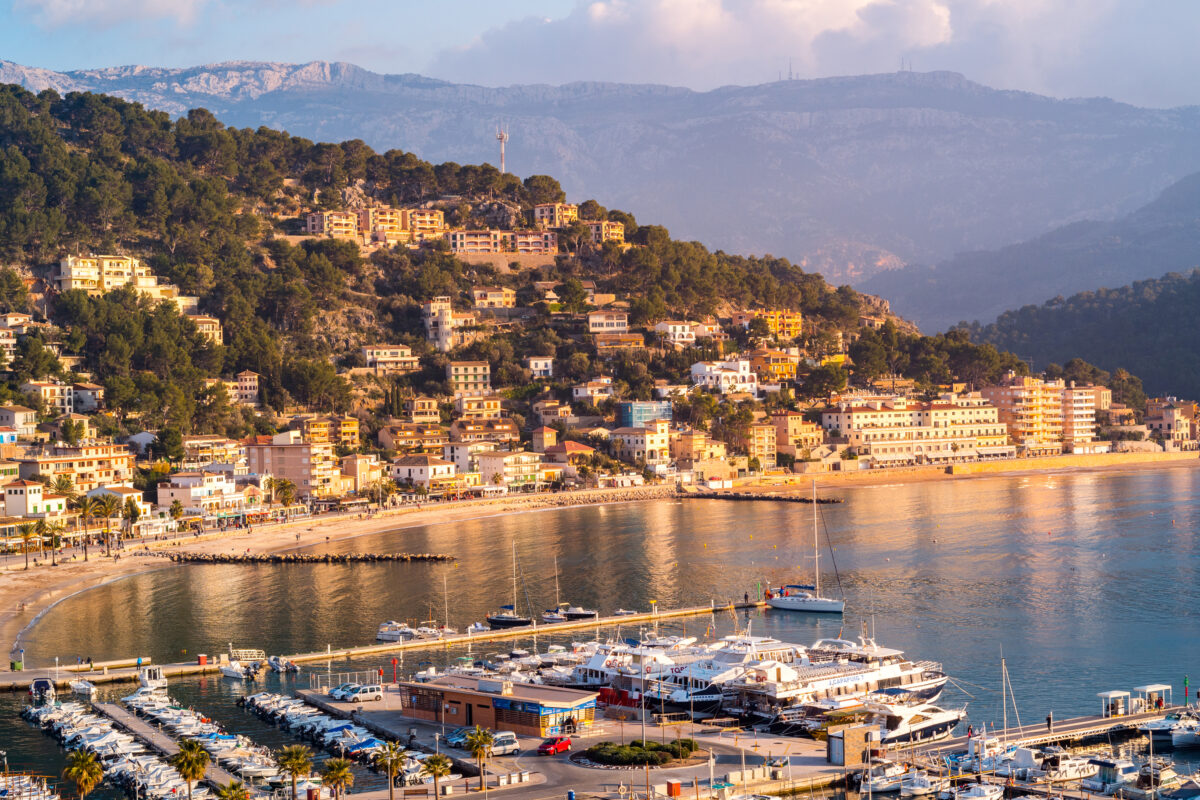
If you crave sea panoramas, take a wooden tram to Port de Sóller. With one of Mallorca’s most picturesque harbors, this town is ideal for a beach break. Ses Oliveres is a top-notch seafood restaurant overlooking the bay. Another culinary highlight is Kingfisher Restaurant, serving traditional Mallorcan fare. Walk to the Far des Cap Gros lighthouse for the impressive sunset panoramas. If you’re interested in the island’s rich maritime history, visit the small Museu de la Mar, which displays old boats and fishing equipment.
Day 4: Deià, Valldemossa, and the Serra de Tramuntana
Spend the whole day outside, admiring the stupendous views of Serra de Tramuntana, Mallorca’s UNESCO-protected mountain range. The serpentine road will take you to Deià, a pretty village lost among green hills and olive groves. Every street here is a viewpoint. You’ll love wandering the cobblestone streets and marveling at the lovely stone houses. Deià is home to a series of amazing alfresco restaurants, Groenk Bistro & Grill Deiá, Sebastian, and Cafè Sa Font Fresca.
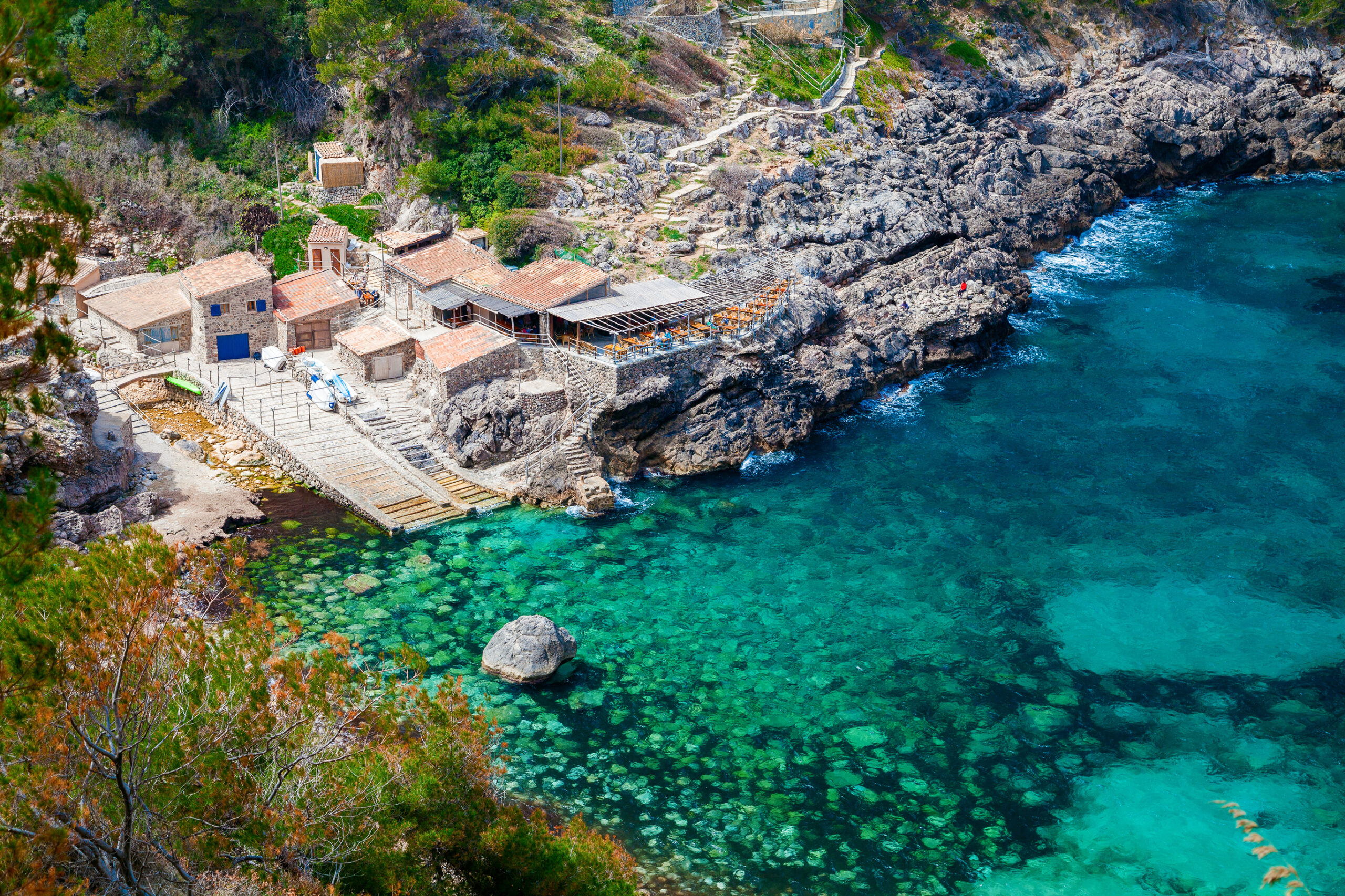
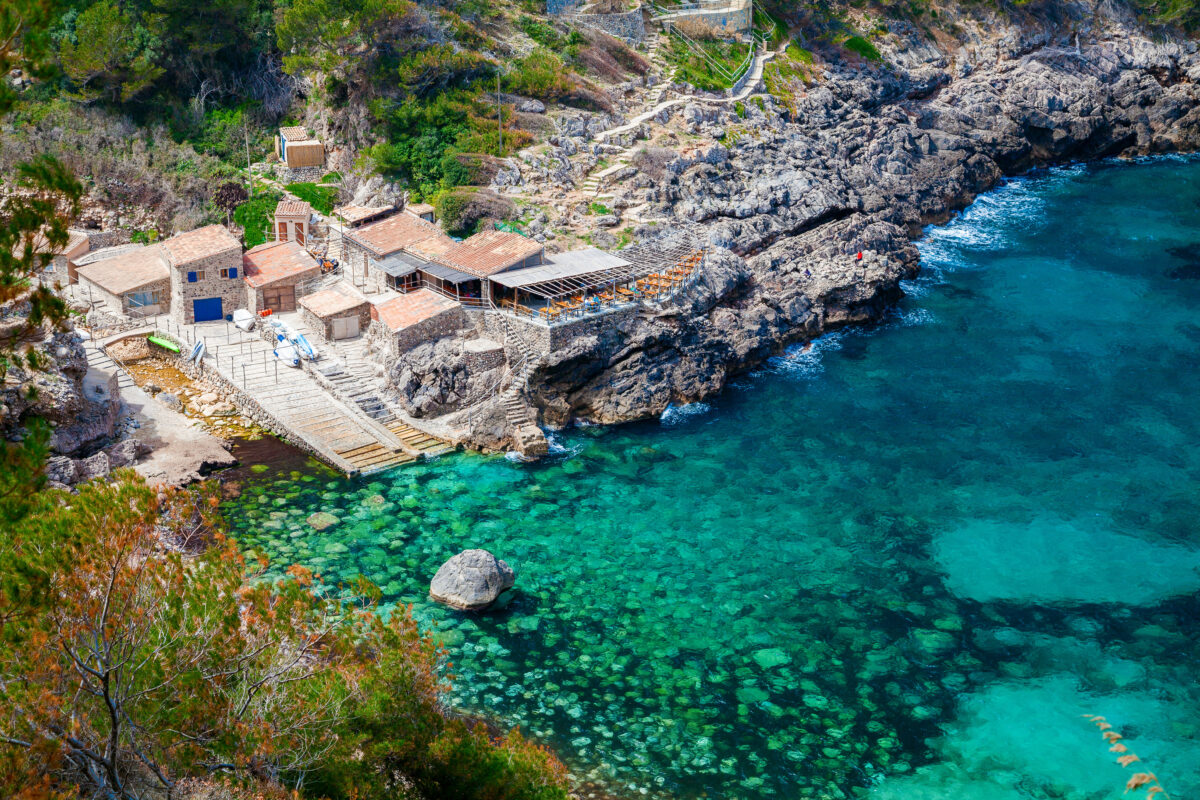
If you feel adventurous, hike the stunning trail from Deià to Valldemossa, another beautiful village in the mountains. You’ll walk the ancient mule tracks, passing through magical valleys and Mediterranean woods. Located 400 kilometres above sea level, Valldemossa is famous for its well-preserved medieval quarter. Its crown jewel is the sprawling Carthusian Monastery, where Frederic Chopin and George Sand stayed during their visit to Mallorca. The village is also the ultimate foodie destination. Indulge in the traditional local tapas at superb bars like Barbaflorida and QuitaPenas. Alternatively, instead of going up to Valldemossa, you can descend to Cala de Deià, a dramatic rocky cove with great snorkeling.
Day 5: Alcúdia and Cap Formentor
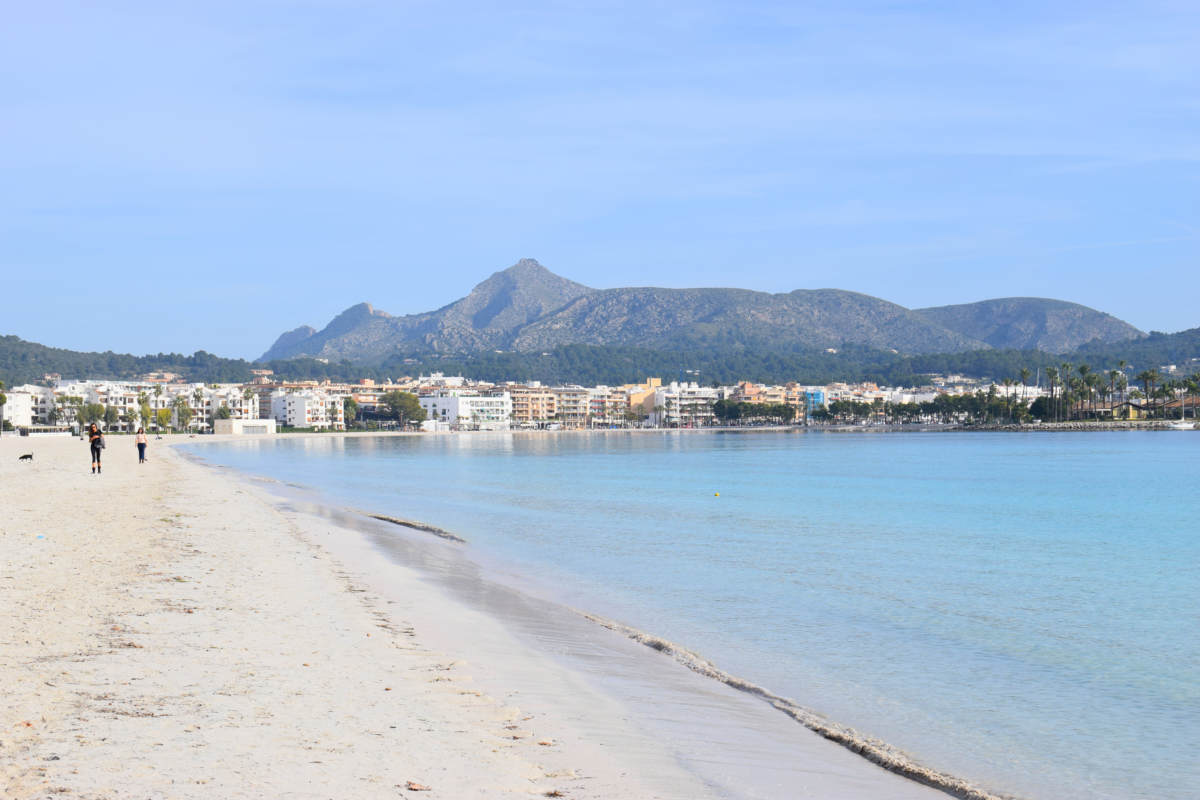
Travel to Mallorca’s northern coast on day 5. Alcúdia mesmerizes you with the well-preserved medieval walls and a maze of narrow streets. You’ll walk next to the Renaissance palaces, sip cortado on picturesque squares, and admire the epic portas, or city gates. Apart from the medieval section, you can explore the ruins of the Roman city of Pollentia near the city gates. The archeological site includes an amphitheater and the forum. Then, relax at the sprawling Platja d’Alcúdia, a 2-mile stretch of soft white sand. It’s one of the top beaches in Mallorca for families, with shallow access and translucent blue water. Further south, you find Platja de Muro, an idyllic stretch backed by the pine forest.
You’d want to visit the Platja de Formentor in the shoulder season. Set at the northernmost tip of Mallorca, it’s a striking wild beach flanked by the lush Mediterranean forest. In summer, its white sands are full of tourists. Visiting Formentor Beach in spring or autumn allows you to admire the gorgeous local landscapes in peace. On your way back, drive to Mirador de Es Colomer, a breathtaking viewpoint offering a vista of the craggy grandeur of the Formentor cape.
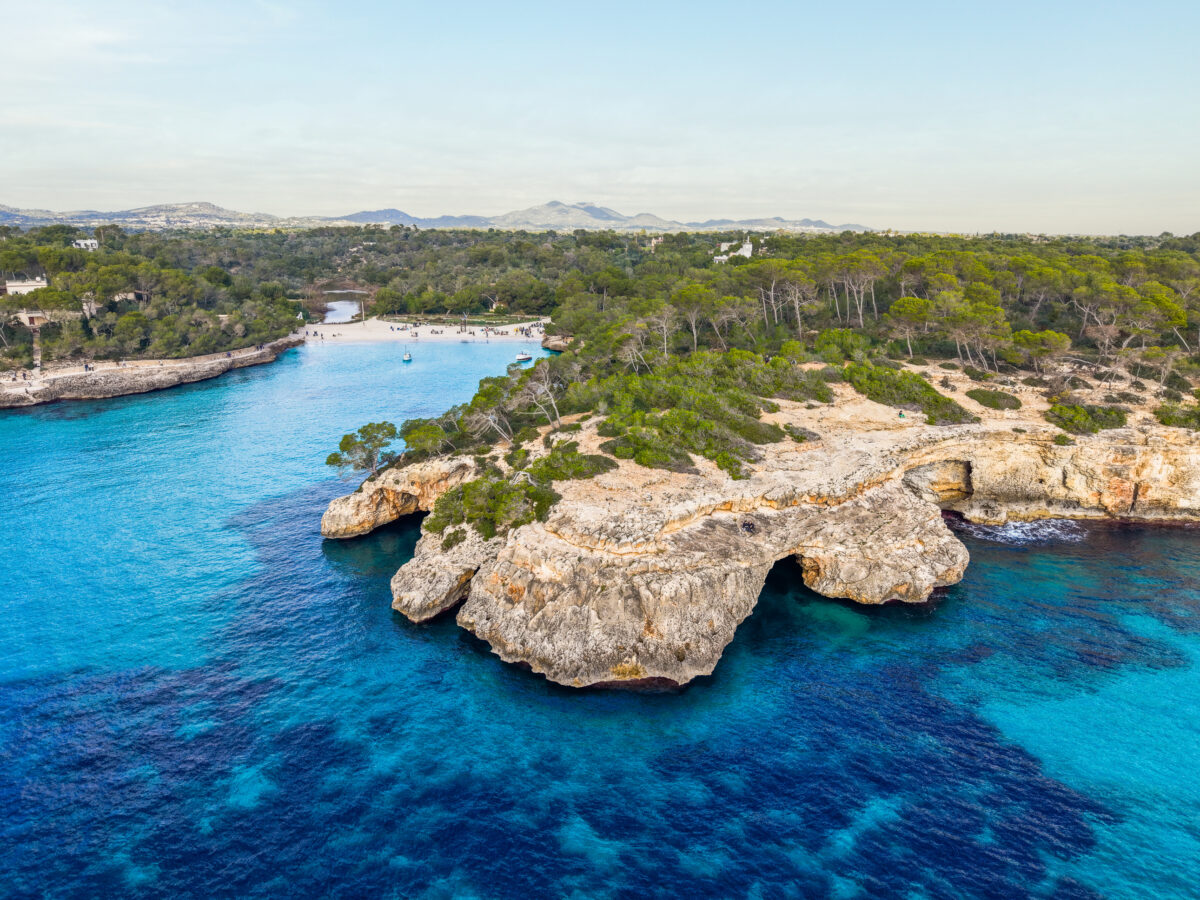
Day 6: The Caves and Coves of the East Coast
Numerous calas pepper the Eastern Mallorca coast. The divine sapphire stretches made this island one of the most visually striking European beach hangouts. While the water may be a little too cold to swim in the shoulder season (although May is generally the beginning of bathing time), you can go on a “cove-hopping” trip. Start from the Caló del Moro, an uber-scenic narrow cove on the southeast coast. Cala Llombards is next, an ultimate snorkeling and cliff jumping playground. Proceed to Cala Mondragó, a wild stretch in the middle of the Mondragó Natural Park. You can hike the juniper groves, watch aquatic birds, and observe the rocky cliffs. Cala Gran is an urbanized cove in the resort town of Cala d’Or. Take a gastronomic break, tasting Mallorcan food at traditional La Casa De Las Flores.
Hang out a little longer in Porto Cristo. The town is famous for its pretty harbor and the golden sands of the Porto Cristo Beach. There’s also a gate to the subterranean world here. Coves del Drach, a fascinating cave complex, is a top destination for the shoulder season. The tour takes you through four interlinked caves and includes a boat ride across the vast underground lake. The visit ends with a classical music concert, an unforgettable Mallorcan experience.
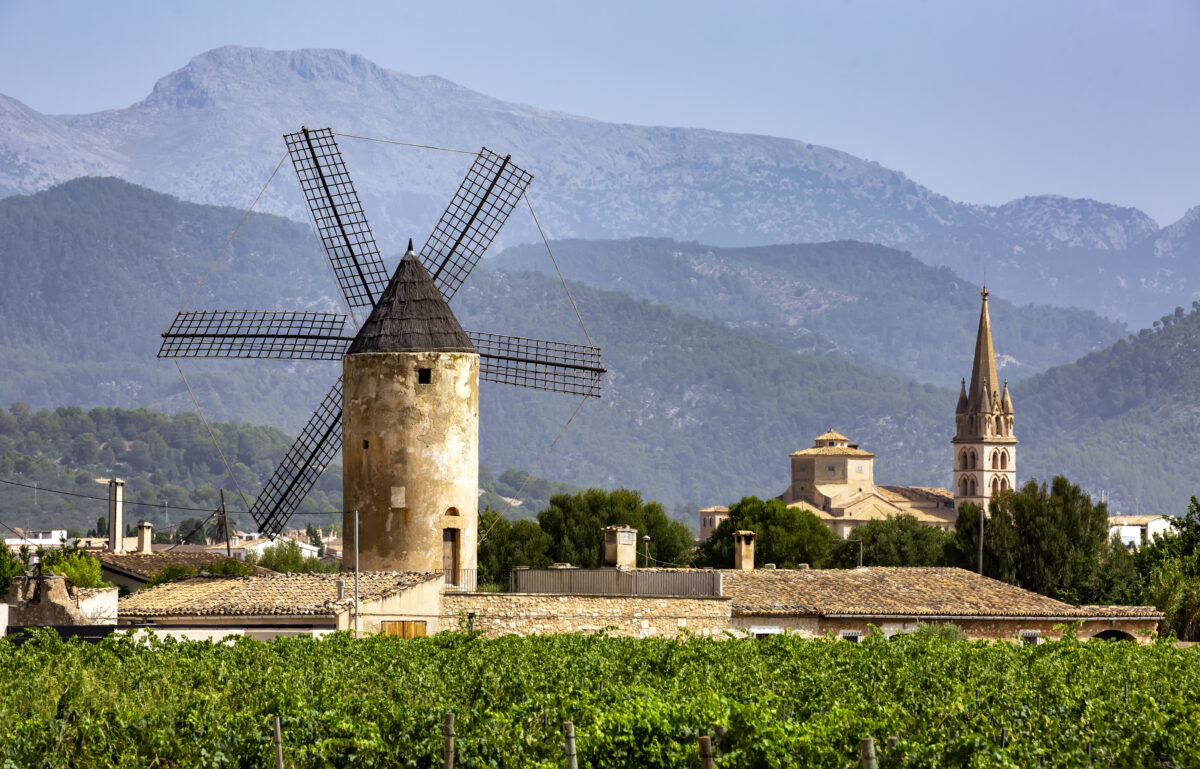
Day 7: The Wine Villages of Binissalem
While Mallorca’s image is that of sun, turquoise waters and sand, the island is also a wine destination. With over 70 wineries (known locally as bodegas), Binissalem is the center of winemaking. April and May are great months for wine-tasting tours. The harvesting season culminates with Festa des Vermar in Binissalem in late September. The region even has a designated wine route, allowing you to discover rich winemaking heritage, visit traditional wineries and taste local varieties. Also, it’s just a picturesque way to experience the charming interior of Mallorca, while enjoying the sleepy villages and stunning Serra de Tramuntana vistas.