
For years, places like Bali and Tulum set the tone for wellness travel. Yoga decks, smoothie bowls, and perfectly curated retreats became the blueprint. But in 2026, travelers are starting to look beyond the usual suspects and are instead seeking destinations that feel less packaged and more connected to their surroundings. The shift is subtle but clear: wellness is moving away from aesthetics and back toward the environment.
Here are the beach towns wellness travelers are gravitating to instead.
Goa, India

Often associated with India’s party beach scene, Goa is actively reshaping its identity around wellness. In 2026, the state introduced a new policy to support different Ayurveda and yoga projects, aiming to position Goa as a global hub for holistic wellness.
That shift makes sense, considering digital nomads and long-term travelers have started looking at Goa as an alternative to Bali. In quieter pockets like Ashwem, Mandrem, Agonda, and the inland villages around Assagao and Saligao, Goa offers a softer version of beach life, with sunrise walks, Ayurvedic treatments, and long afternoons at organic cafés.
There’s also a more creative, local side to Goa beyond the beach. North Goa is home to art spaces and independent cafés and restaurants that reflect the state’s layered cultural identity. It’s still beachy and bohemian, but rooted in India’s own traditions.
Varkala, India
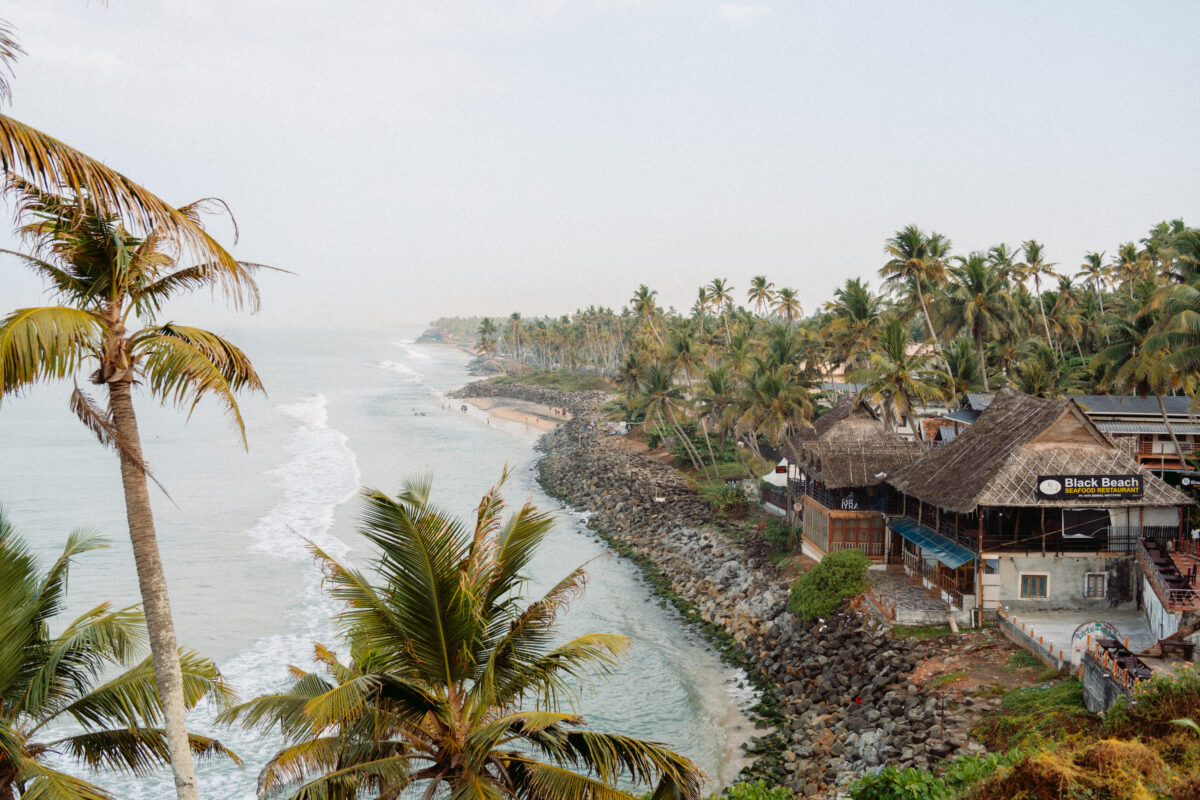
Varkala, perched near the southern tip of Kerala, is a beach town where spirituality is still part of daily life. After spending a week in an ashram, I found it to be the perfect place to ease back into daily life, somewhere where I could have a beach to myself in the morning, take a yoga class in the afternoon, and join a temple ceremony in the evening.
It’s not the India most people picture, which is exactly what makes it stand out. The town unfolds along a dramatic cliff overlooking the Arabian Sea, where cafés and colorful small shops line a narrow path that becomes the center of daily life. Down below, Papanasam Beach draws a mix of spiritual pilgrims and travelers, with rituals happening throughout the day, especially near the southern end.
The state of Kerala is one of India’s main centers for Ayurveda, and in Varkala, that translates into dozens of treatment centers offering everything from traditional oil massages to multi-day detox programs. With so many options available, it’s easy to plan your days as you go—and don’t miss the sunset, it’s the best I’ve seen in India.
South Coast, Sri Lanka
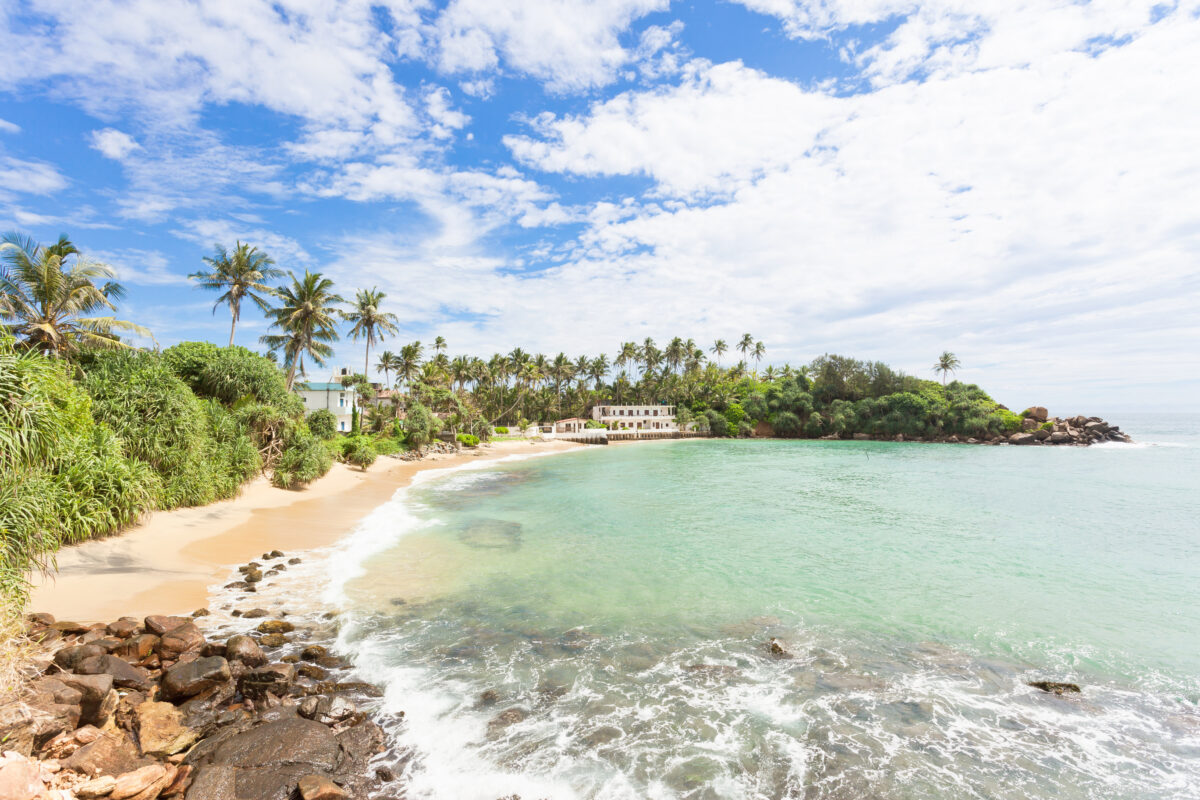
Sri Lanka’s south coast has become one of the clearest successors to Bali for travelers chasing that mix of surf, yoga, and creative beach culture. Stretching roughly from Hikkaduwa to Hiriketiya, this palm-lined coast is filled with surf schools, oceanfront cafés, boutique stays, and yoga decks tucked between the jungle and the sea.
Ahangama, Weligama, and Hiriketiya are the names to know. Weligama is ideal for beginner surfers, while Ahangama has become the cool hub for cafés, surf stays, and a growing remote-work scene. Hiriketiya, with its horseshoe-shaped bay and barefoot energy, leans more bohemian, with community-style wellness woven into daily life.
What makes the region feel different from Bali is that the scene still exists alongside everyday Sri Lankan life. For travelers who want Bali’s beach energy without feeling like they’ve arrived too late, Sri Lanka’s south coast is one of the strongest places to go next.
Mazunte, Mexico
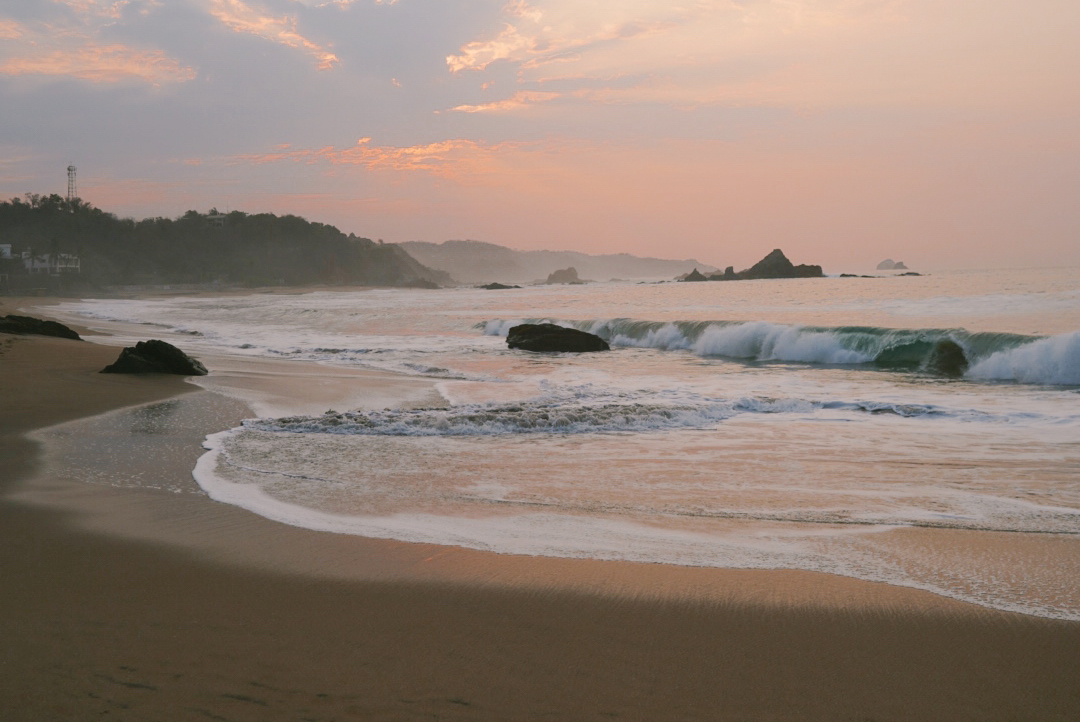
Set along Oaxaca’s Pacific coast, Mazunte is the kind of beach town that still feels unpolished in the best way. I ended up here after a month working remotely in Mexico City, choosing it over Puerto Escondido because I wanted some solitude and days that didn’t need much planning. Compared to Oaxaca’s more famous surf hub, Mazunte feels slower, more manageable, and deliberately removed.
The town has long been associated with alternative living and wellness, with drop-in yoga classes, holistic therapies, temazcal, reiki, ecstatic dance, and plant-medicine-style offerings advertised on bulletin boards around town. When I visited in April, some “daily” classes weren’t actually running, which only added to the sense that Mazunte doesn’t perform for travelers. You have to meet it where it is.
The beaches are raw and beautiful, while Punta Cometa, a cliffside viewpoint reached by a short hike, is the sunset ritual everyone will tell you not to miss. There are no big resorts or polished beach clubs here. Instead, Mazunte offers outdoor cafés, artisan shops, and small boutique stays. For travelers who feel like wellness has become too packaged elsewhere, Mazunte is a great place to return to.
Santa Teresa, Costa Rica
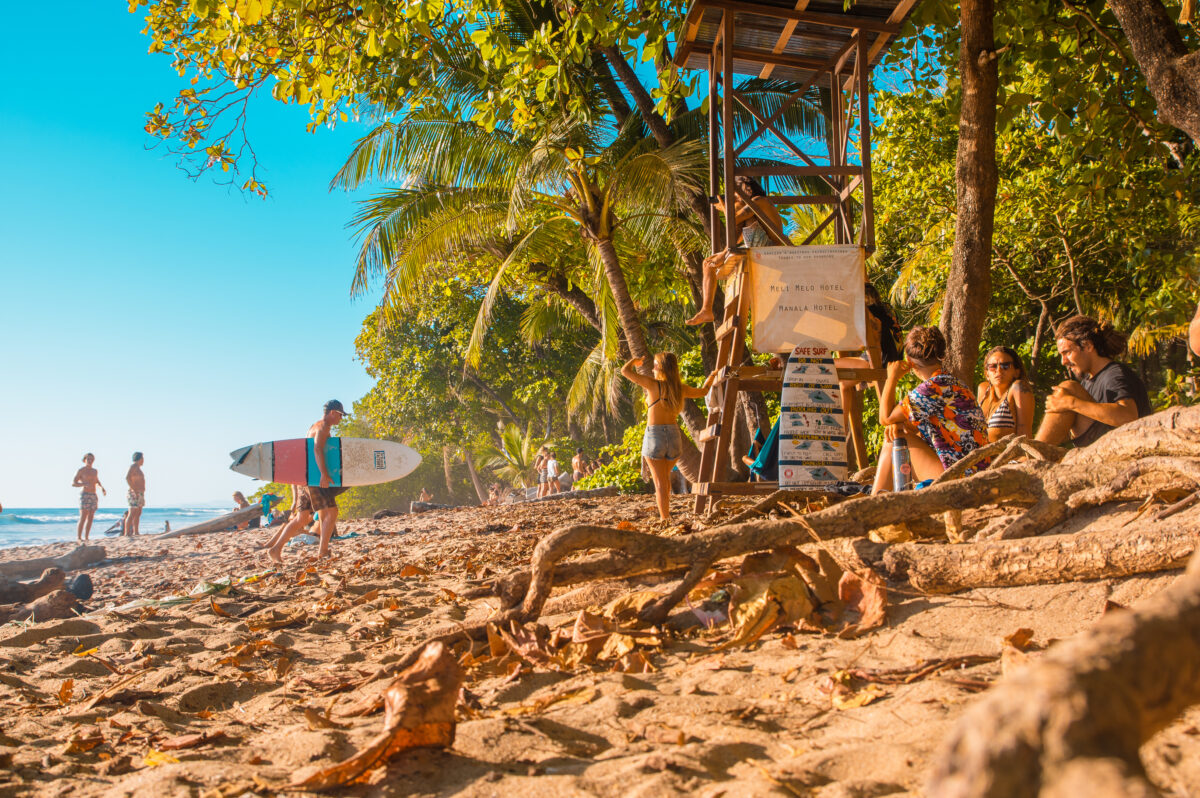
Tucked along Costa Rica’s Nicoya Peninsula, Santa Teresa has become a global hub for travelers seeking a balance between surf, wellness, and community. Set within one of the world’s five Blue Zones—regions known for longevity—it offers a lifestyle that naturally supports wellbeing.
The town stretches along a dusty coastal road lined with jungle-backed beaches, yoga studios, and open-air cafés. Playa Santa Teresa and Playa Hermosa draw surfers of all levels, while the surrounding landscape invites exploration, from waterfalls to nature reserves. National Geographic named Anamaya Resort, a yoga and health retreat perched on the same Nicoya Peninsula, one of the best wellness experiences of 2026 for the way it reflects Blue Zone living.
Florianópolis, Brazil
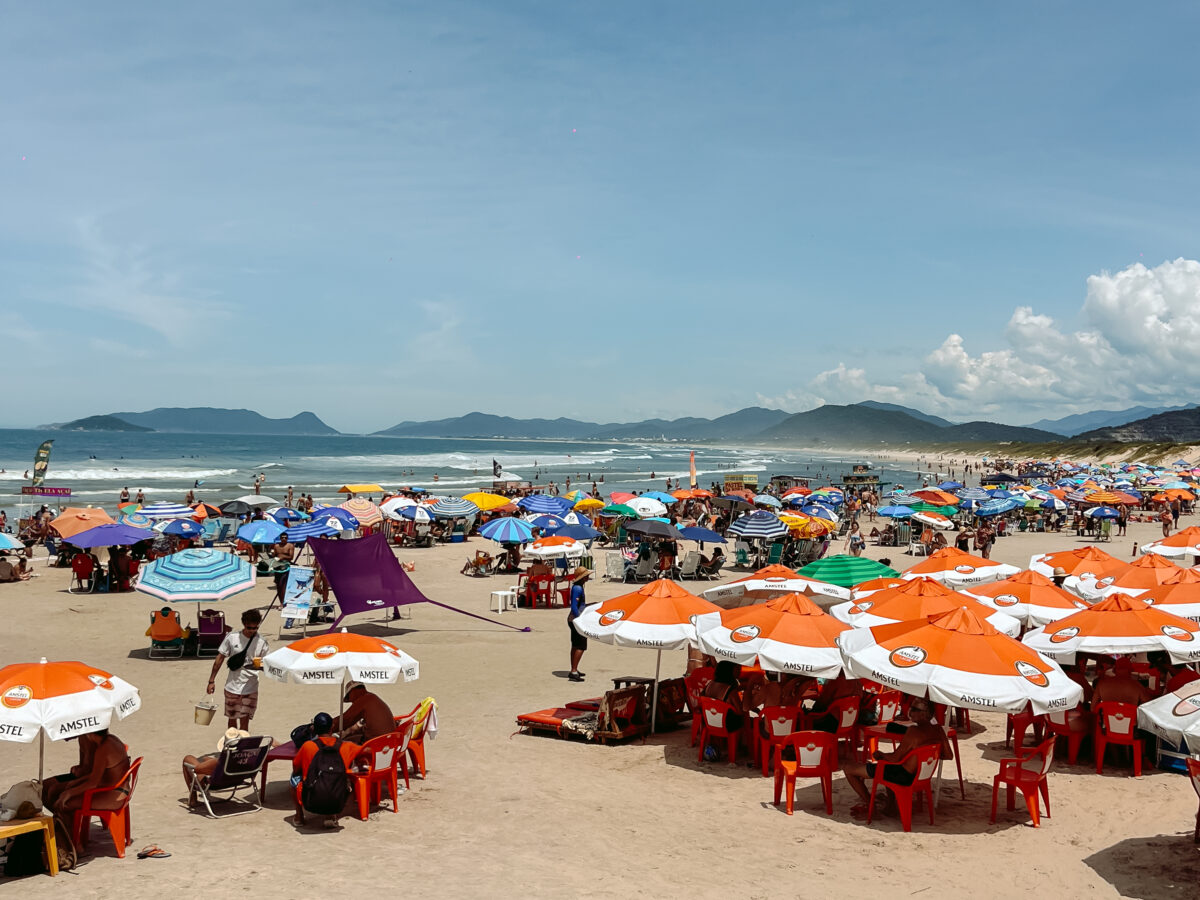
Set on a big, leafy island off Brazil’s southern coast, Floripa combines surf, nature, cafés, and more than 40 beaches—all with the infrastructure of a real city. The island has become one of Brazil’s most interesting remote-work hubs, with about 5,600 digital nomads having based themselves there in 2025, a 224 percent increase since 2018.
It makes sense once you spend time there: mornings can start with a surf session at Praia Mole or Joaquina, afternoons can unfold in a café in Lagoa da Conceição or Campeche, and weekends are meant for hiking to wild beaches like Lagoinha do Leste.
Wellness here isn’t as branded as it is in Bali or Tulum. It’s more of a lifestyle connected to the outdoors. For travelers who want to base themselves in South America, Floripa delivers one of the best qualities of life in Brazil.
Essaouira, Morocco
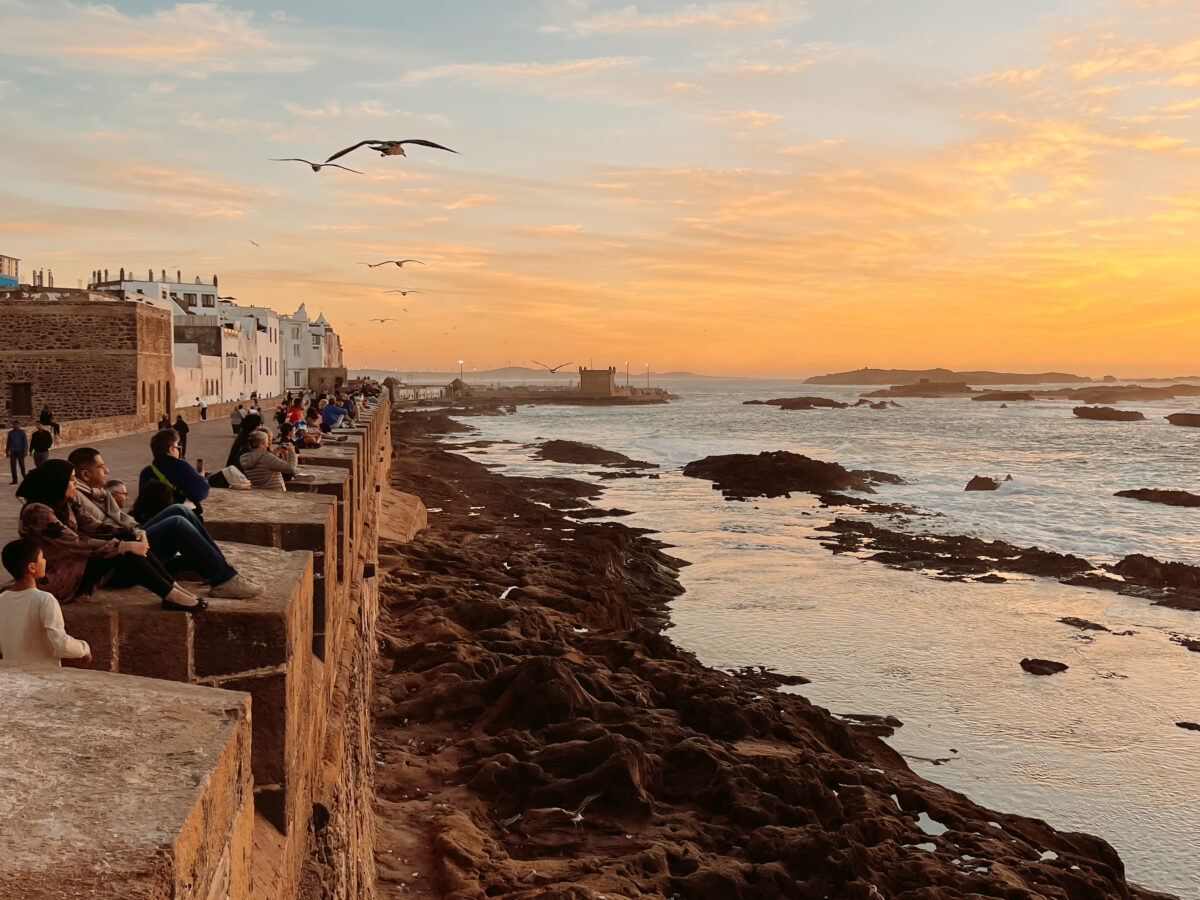
Set on Morocco’s Atlantic coast, Essaouira is the kind of place travelers add to a Morocco itinerary for a few days and then wish they had more time. After the intensity of Marrakech, I found this colorful, breezy city to be a wonderful place to kick back and slow down.
The medina, a UNESCO World Heritage site, feels calmer and more manageable than Marrakech, with whitewashed walls, artisan shops, and views of the Atlantic from the old city walls. Just outside, the fishing port brings in the day’s catch, while the long sandy beach offers surf rentals and lessons.
Essaouira is known as one of Morocco’s best spots for wind and kitesurfing, making it easy for travelers to stay active. It’s not a polished retreat destination, yet Essaouira’s reset comes from the sea, fresh seafood, and an irresistible culture.
Ericeira, Portugal
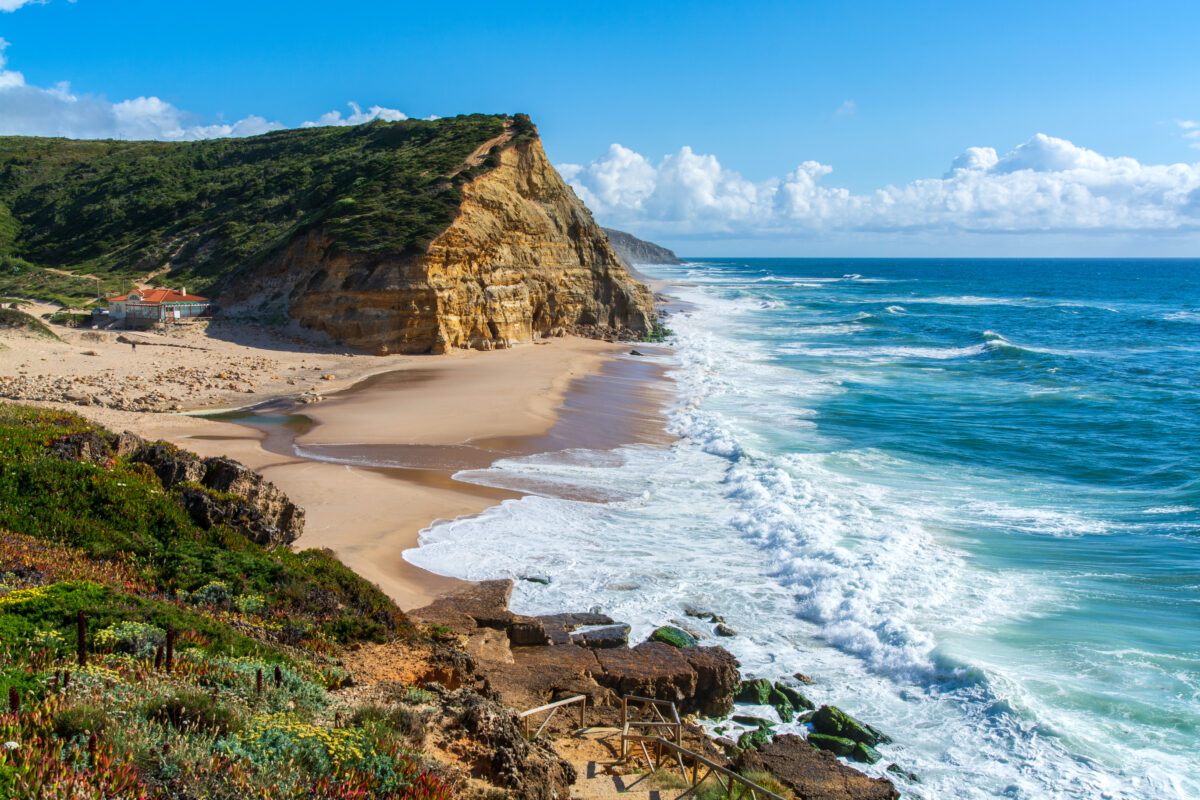
About 40 minutes from Lisbon, Ericeira is a surf town where cafés spill onto cobbled streets, and everything seems to orbit around the ocean. This is Europe’s first World Surfing Reserve, with dozens of breaks packed into a short stretch of coastline. You’ll see beginners catching their first waves at Praia dos Pescadores while more experienced surfers head to spots like Ribeira d’Ilhas or Coxos.
There’s also a strong retreat culture here, which explains why so many people come solo. Places blend surf, yoga, and community into something that feels less like a structured retreat and more like a lifestyle reset. Whether you’re staying for a few days or a full week, Ericeira has a way of softening your pace.
Cape Town, South Africa
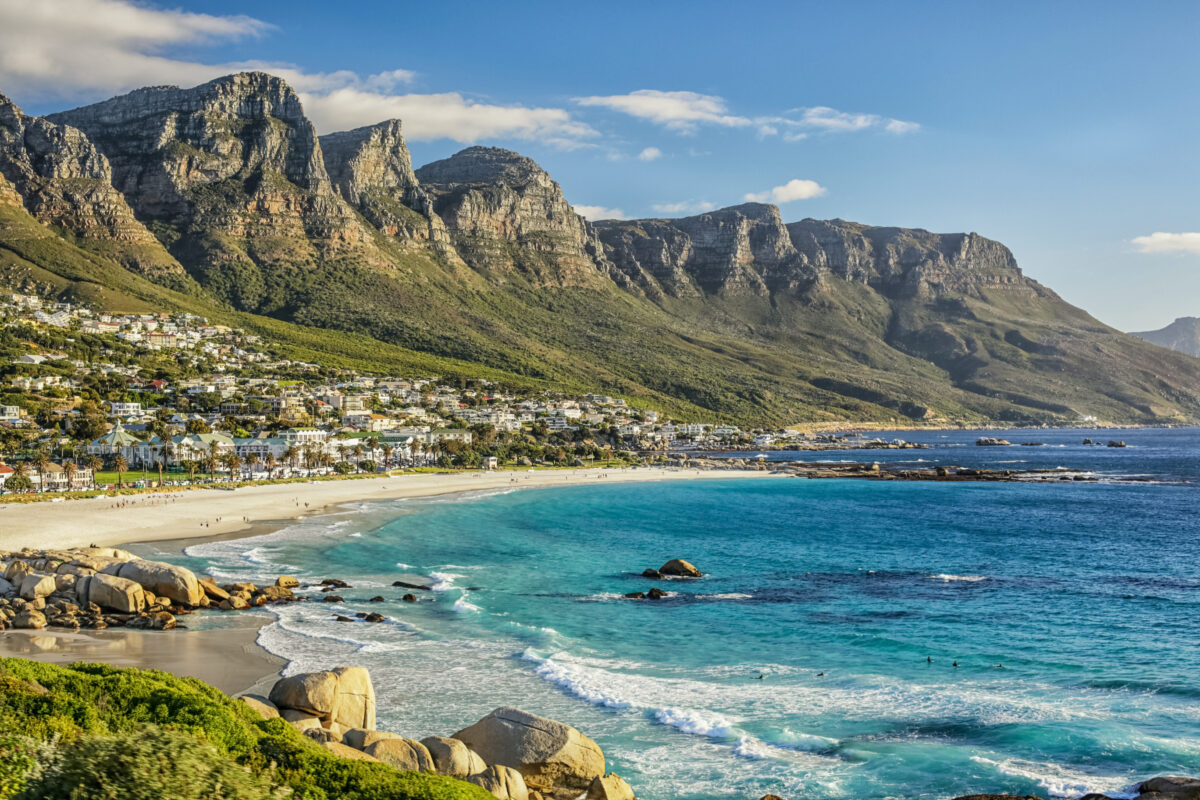
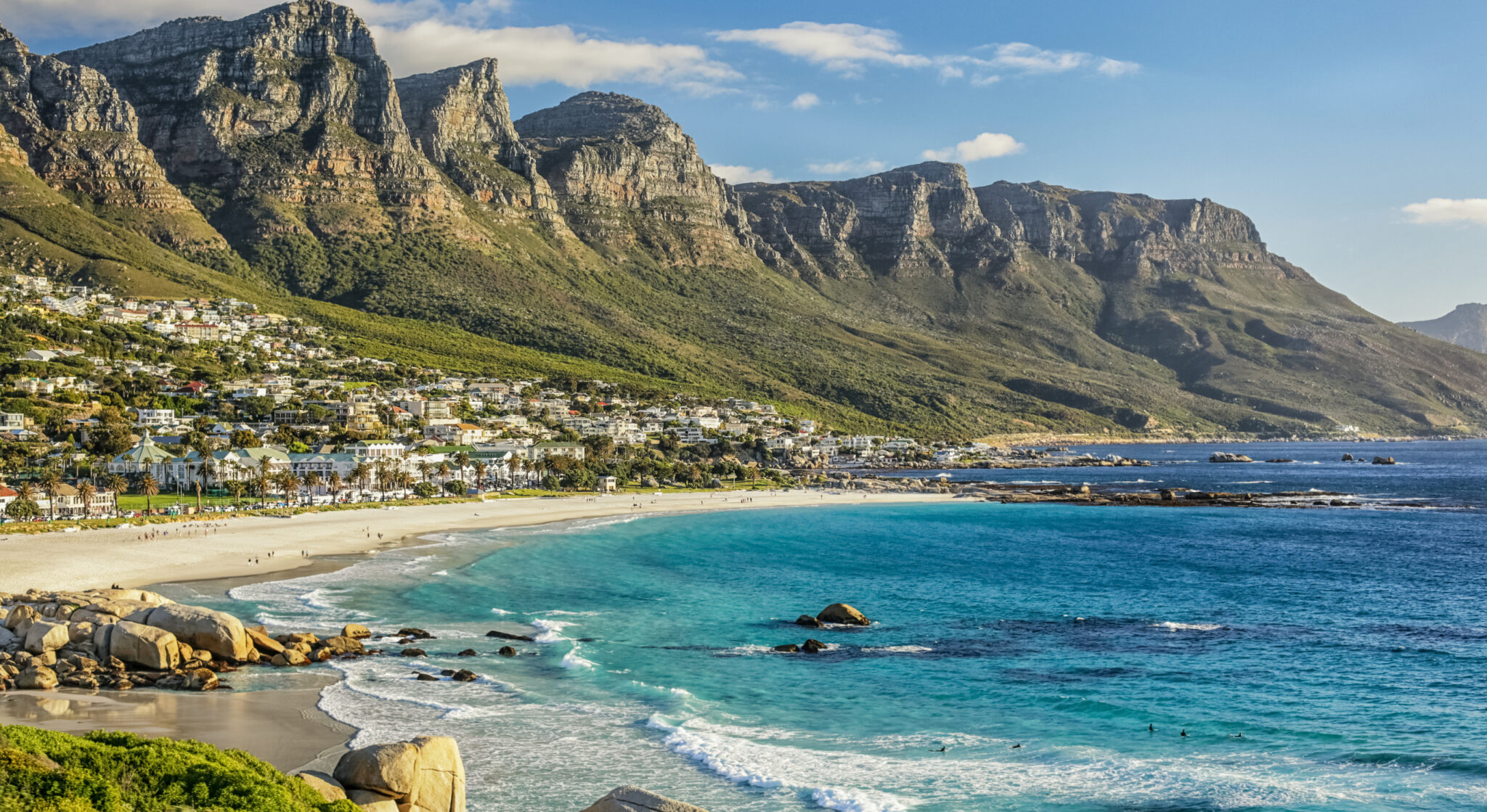
Set between mountains and the Atlantic Ocean, Cape Town’s coastline plays a central role in its wellness culture. Locals and visitors alike often start their days with cold-water swims, coastal walks, or simply spending time outdoors—part of a broader shift toward ocean-led wellness, where nature does more of the work.
After years of fast-paced, screen-heavy living, travelers are increasingly seeking environments that help regulate the body naturally, and here, the ocean becomes an active part of that reset. Beaches like Clifton and Camps Bay provide dramatic settings, while tidal pools offer calmer, more contained spaces to immerse in the water.
Research has shown that time spent near “blue spaces” can help lower stress levels and support a more relaxed, parasympathetic state, something you can feel almost immediately when you’re here. The city itself blends nature and urban life, with hiking trails, fresh food, and open spaces all within reach. The combination creates a sense of reset that feels immediate and real.
Lake Atitlán, Guatemala
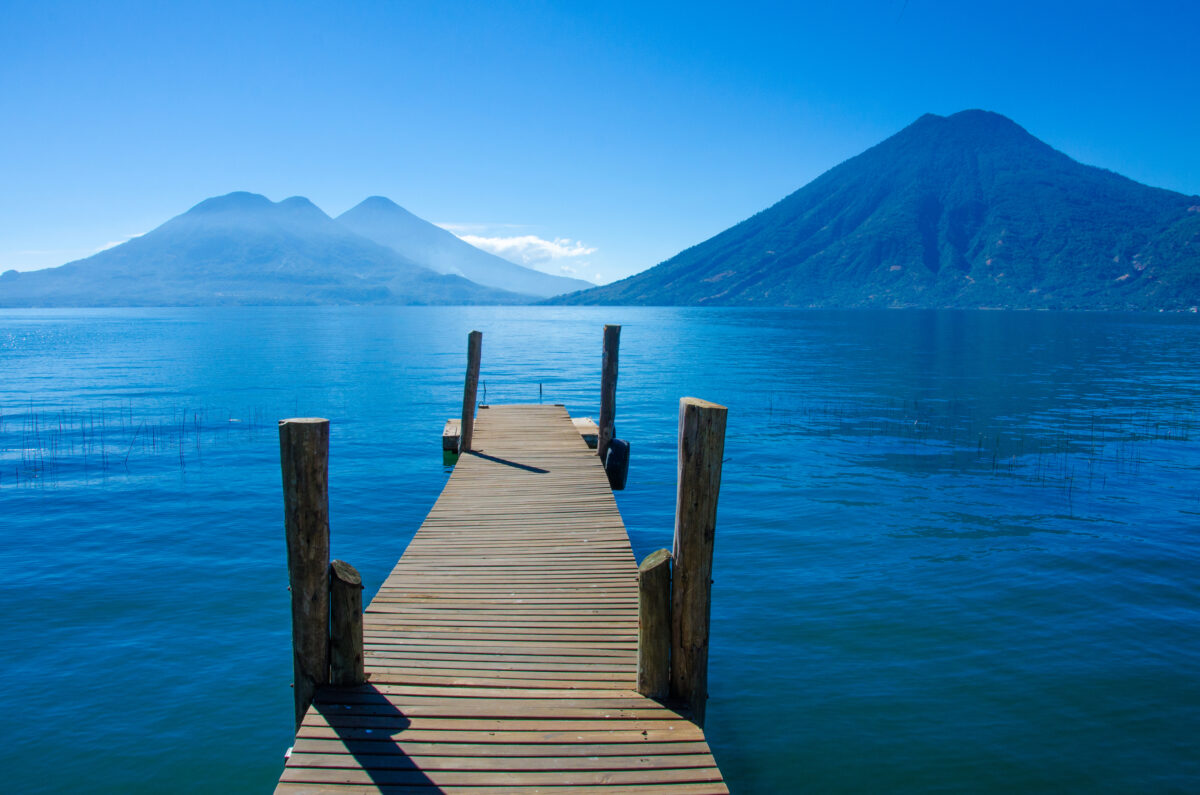
I just came back from Antigua for a destination wedding, and unfortunately, my schedule didn’t allow for a visit to Lake Atitlán. But even from the city, I could already feel the shift Guatemala carries. The wellness culture here feels less curated and more connected to indigenous roots. From everything I’ve heard—and from friends who ended up staying longer—Lake Atitlán takes that feeling even deeper.
Set in a volcanic crater and surrounded by Mayan villages, it’s known as one of Central America’s most well-known destinations for yoga, meditation, and retreat-style travel. Towns like San Marcos have become hubs for all of the above.
It’s not Bali, and it doesn’t try to be. The experience here feels far less commercial and still rooted in ancient traditions. It might not be a beach, but Lake Atitlán has quietly become one of those destinations people go to and don’t really feel like leaving.