
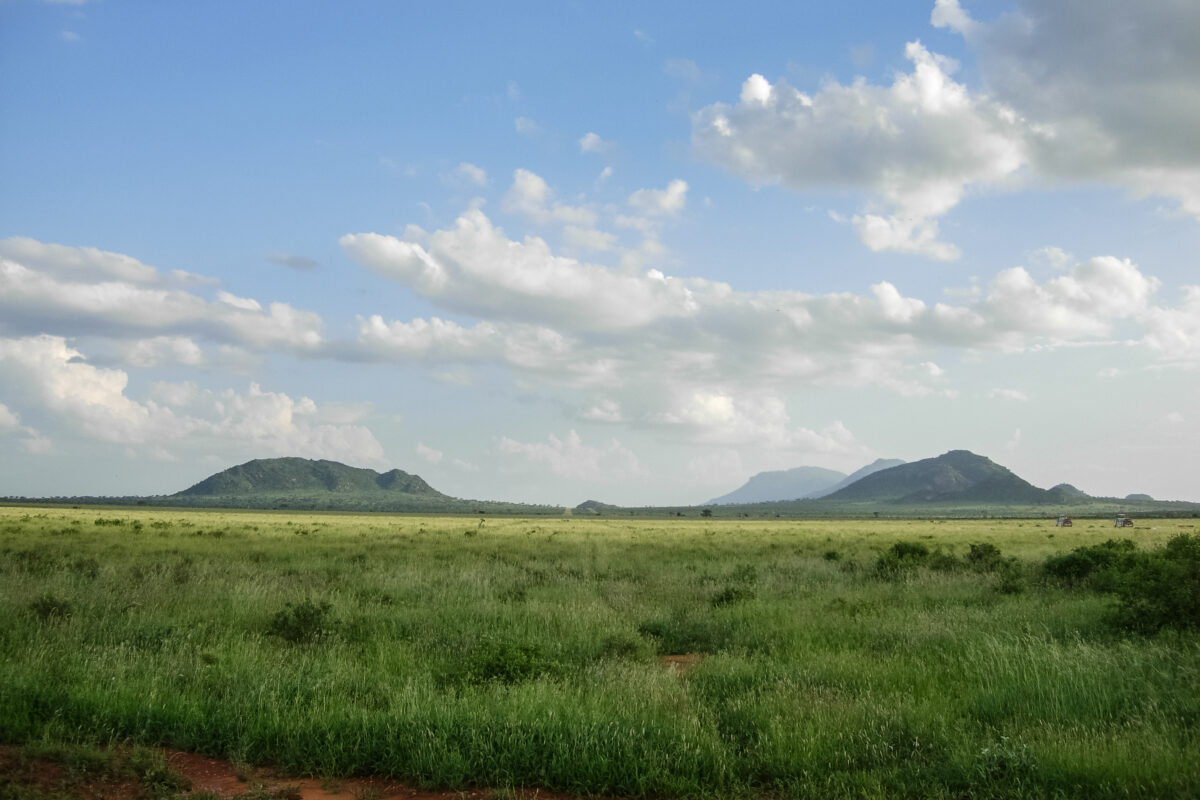
When most people think of Kenya, they think about going on safari in the Maasai Mara or in Nairobi National Park, where you’ll spot lions, leopards, elephants, giraffes, zebras, crocodiles, hippos, and a multitude of other sought-after species. And after safari, most travelers head straight back home, fueled by dopamine from seeing the safari Big Five, yet completely exhausted upon arrival after long-haul flights. So why not spend a few days post-safari recuperating on the beach? The good news: you can do it without leaving Kenya.
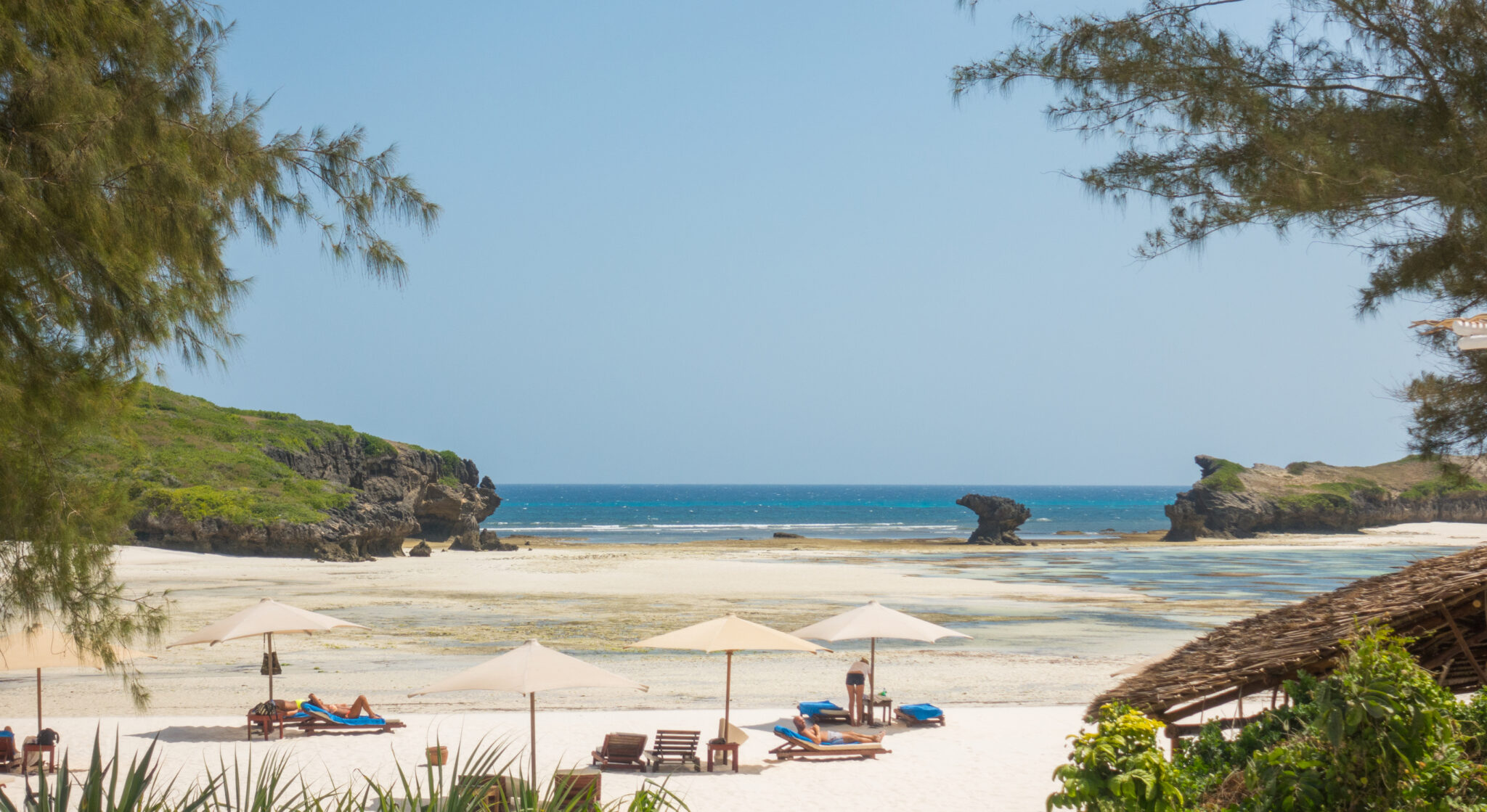
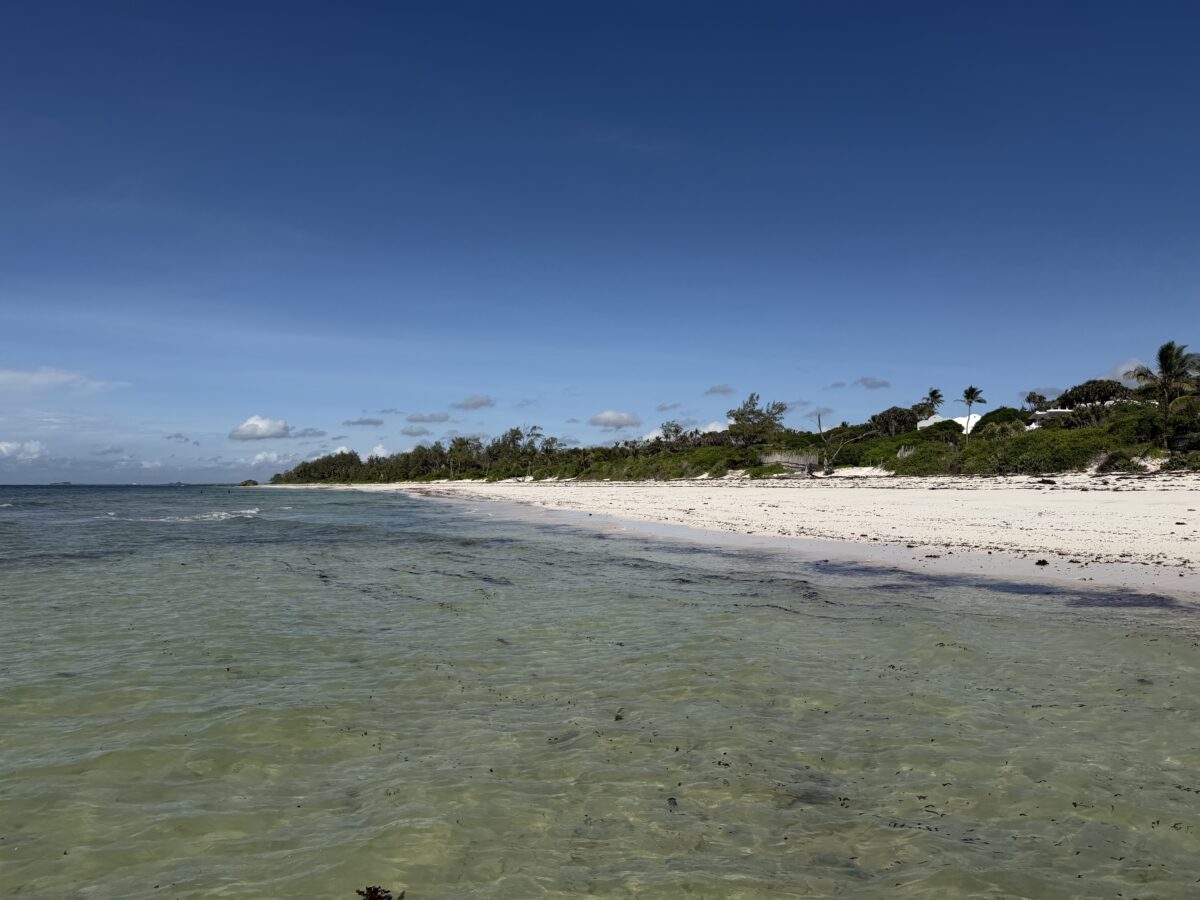
On the east coast of the country, Watamu is a lesser-known locale on the Indian Ocean, where white-sand beaches and clear waters create a coastal oasis that beckons those looking to strip the safari gear and grab a snorkel. For centuries, Arab traders frequented the coastline, connecting Africa to the Middle East, India, and Asia. Today, you’ll see that Arabic influence throughout Watamu, in the form of cuisine, architecture, religion, and the Swahili language—a blend of Bantu, Arabic, and Portuguese.
For a few days in the sand after a long safari journey, Watamu is an excellent choice that allows you to see Kenya’s tropical landscape. Relax, stretch your legs, soak in the sun, and experience a side of Kenya you didn’t know you needed. From ancient ruins and coral-filled waters to rolling sand dunes and elephant mud baths, here’s how to have fun and unwind in Watamu.
Watamu Marine National Park and Reserve
Designated as a UNESCO Biosphere Reserve, Watamu Marine National Park and Reserve covers about 90 square miles on the coastline of Watamu. This Indian Ocean treasure chest sees over 600 fish species, including the endemic lionfish, which I spotted lurking between two sea boulders; pastel-colored parrotfish; the yellow-striped butterflyfish; and the vibrant green, pink, and blue wrasse—a stunning, new-to-me species that should’ve been a staple character in the ‘90s Lisa Frank collection. Here, the park is known for its own Big Five of marine life: whale sharks, manta rays, stingrays, dolphins, and sea turtles.
Snorkeling is popular in the park, and a gentle current allows you to slowly drift and explore the protected lagoons and shallow coral reefs. Green, hawksbill, leatherback, and olive ridley sea turtles nest in the area, and whale sharks are usually spotted along the reef from November to March. Dolphins are daily sightings, and humpback whales can be seen migrating through the park from June to September. Diving is also popular here, where octopus, sea urchins, and moray eels are common.
Gede Ruins
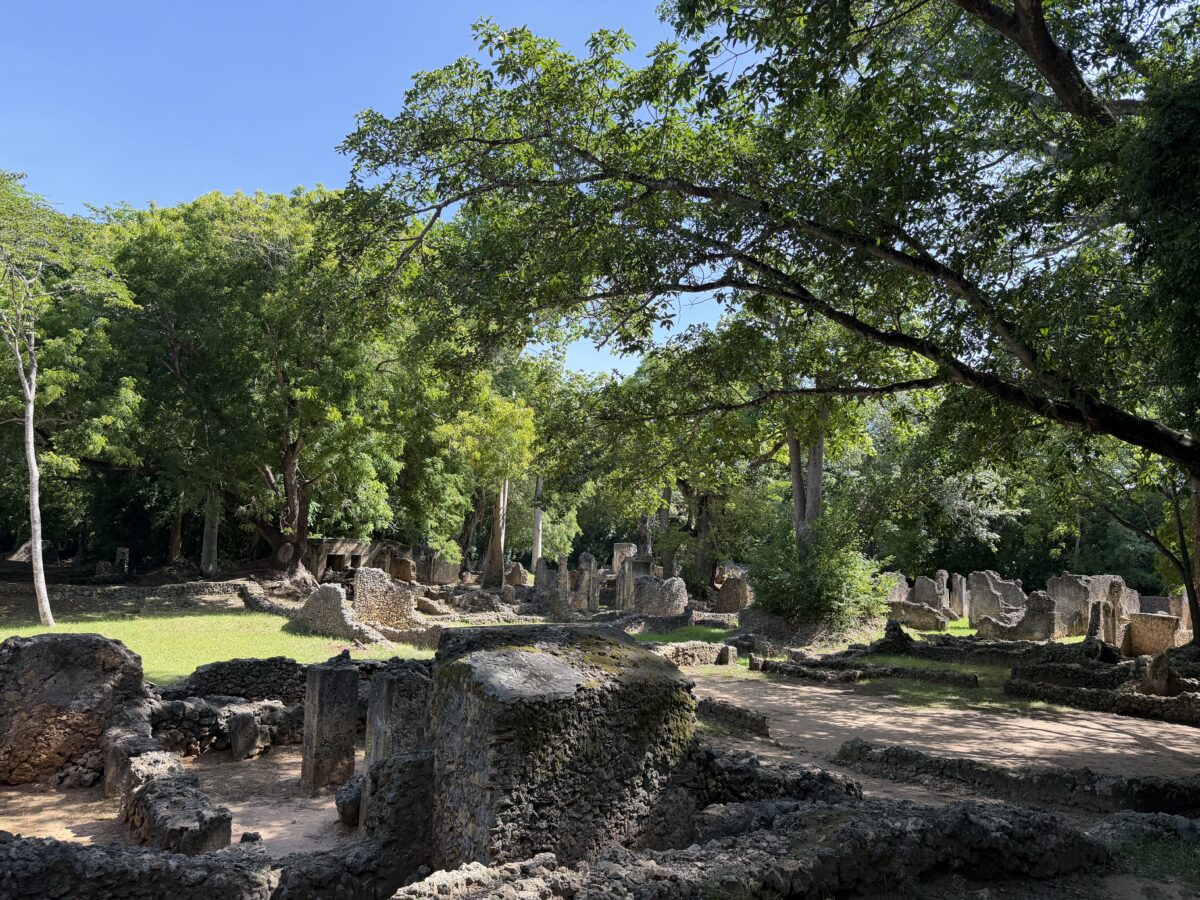
Back on land, discover the Gede Ruins, a 12th-century Swahili site that was mysteriously abandoned around 600 years ago. At its peak, Gede was home to about 2,500 Swahili people, and the ruins, complete with a mosque, palace, and tombs with Arabic inscriptions showcase advanced architecture from this era. Trading was critical here, and artifacts from China, India, and Persia have been found at the site, solidifying that Gede was a booming business hub.
There are various theories as to why Gede was abandoned—some say it was because of evolving trade routes or conflicts from area tribes, while others say it was water wells drying up or the arrival of the Portuguese in the 16th century. Form your own opinion as you wander the grounds, but be aware of the omnipresent Sykes monkeys, which amble about the ruins looking for a snack. They’re gentle, but might jump on your shoulder if they think you have food.
Arabuko-Sokoke Forest
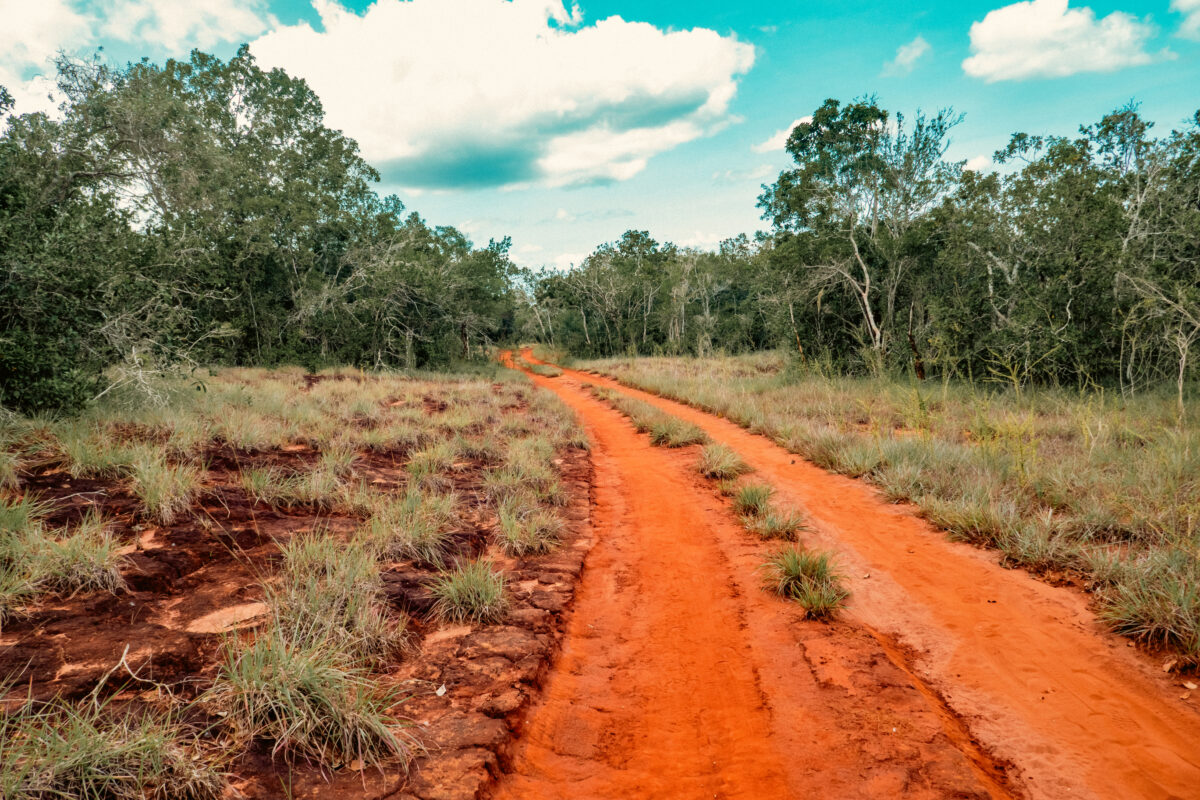
Find a moment of quiet at Arabuko-Sokoke Forest, the largest stretch of dry coastal forest in East Africa and a UNESCO Man and Biosphere Reserve. At about 160 square miles, the forest ranks as one of the top biodiversity hotspots in the world. More than 60 miles of forest trails are open to driving, and a variety of wildlife inhabit the forest, including more than 270 bird species. See if you can spot the endangered (and adorable) golden-rumped elephant shrew, the Sokoke Scop’s owl, or the rare Ader’s duiker—a small antelope. There’s also the Sokoke cat, which is considered the rarest breed of domestic cat, but the real treat here is arriving around sunset to see the forest’s population of elephants, which head for Arabuko Swamp to drink and bathe at sundown.
Running, biking, and walking are allowed in the forest, but make sure to stick to the parts outside of the electric fence that separates humans from elephants and buffalos.
Mambrui Sand Dunes
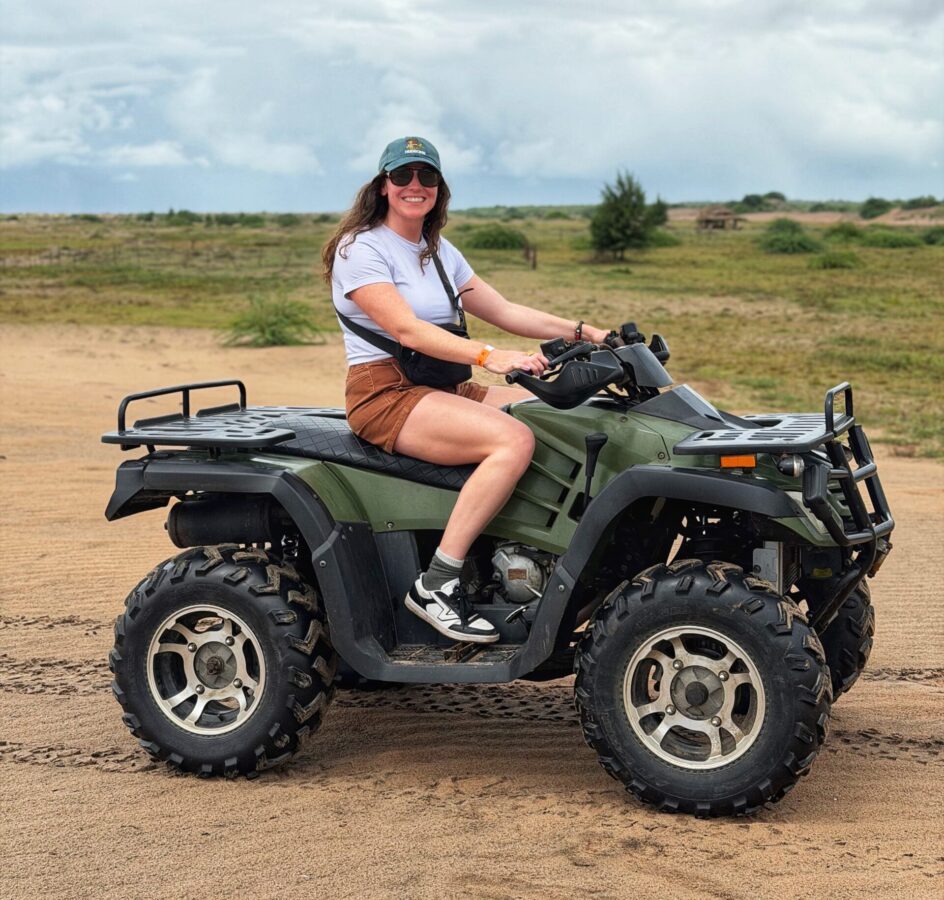
Between Watamu and Mida Creek, the Mambrui Sand Dunes unfold next to the Indian Ocean, created by shifting tides and a constant sea breeze. These dunes, which rise over 100 feet or higher, stretch on for about 6 miles, occupying about 1,700 acres on the beach. Visitors here can walk the dunes for beautiful views of the Indian Ocean, or catch a ride with the ATV operators found coasting through the dunes. The dunes are also an excellent photo-op that contrasts your other beachy Watamu snaps. Try to visit early in the morning or at sunset to avoid extreme heat, and catch a beautiful sunrise or sunset.
Mida Creek
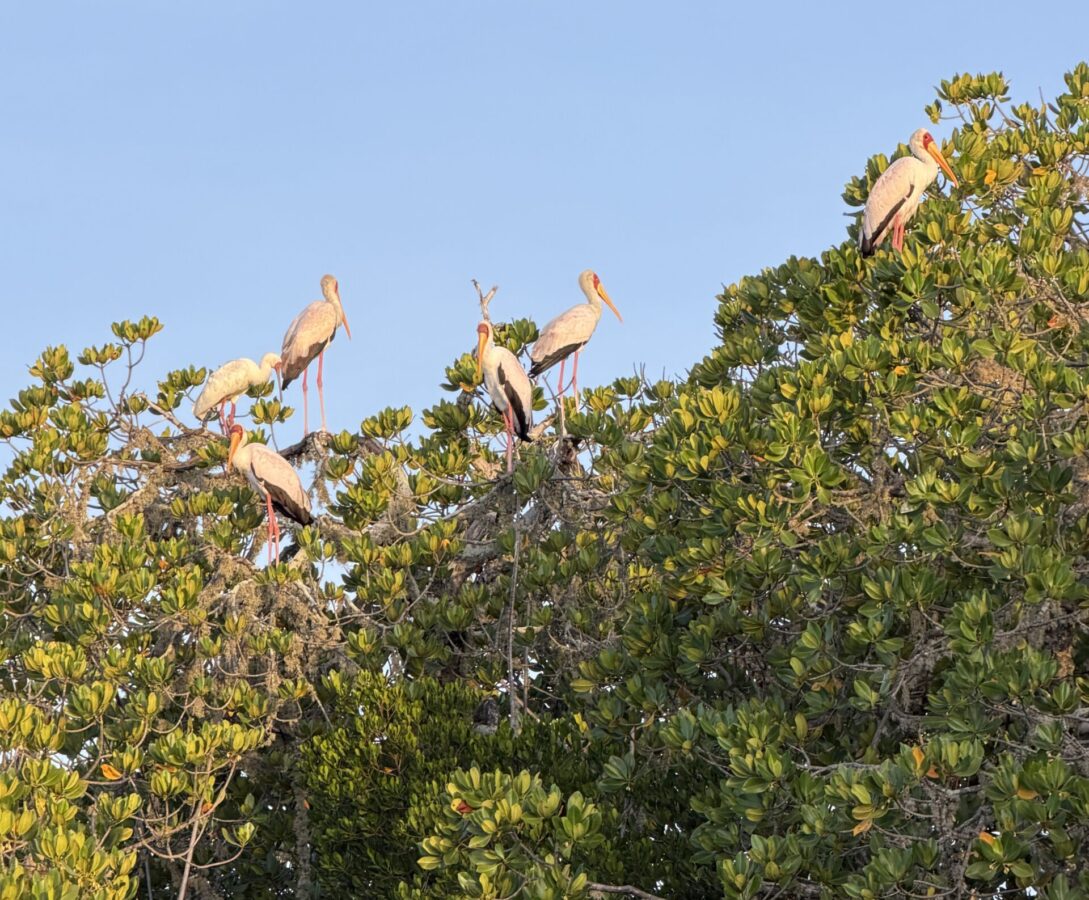
A tidal inlet off of the Indian Ocean, Mida Creek is a calm waterway that’s known for its healthy mangrove forests and mudflats, which provide a habitat for a multitude of birds, including greater flamingos, egrets, and migrant shorebirds. Explore the creek by cruising through the mangroves on a canoe or kayak, or hop aboard a local vessel for a sunset cruise. On my visit to Watamu, I boarded Hemingways Watamu’s Swahili dhow, where cocktails, fresh shrimp, samosas, and kabobs were served throughout the evening as we sailed across Mida Creek. As the sky changes from orange to pink and purple with the fading sun, see local fishermen aboard canoes also taking in the views, and spot pink-and-white flamingos resting among the mangrove treetops.
Stay
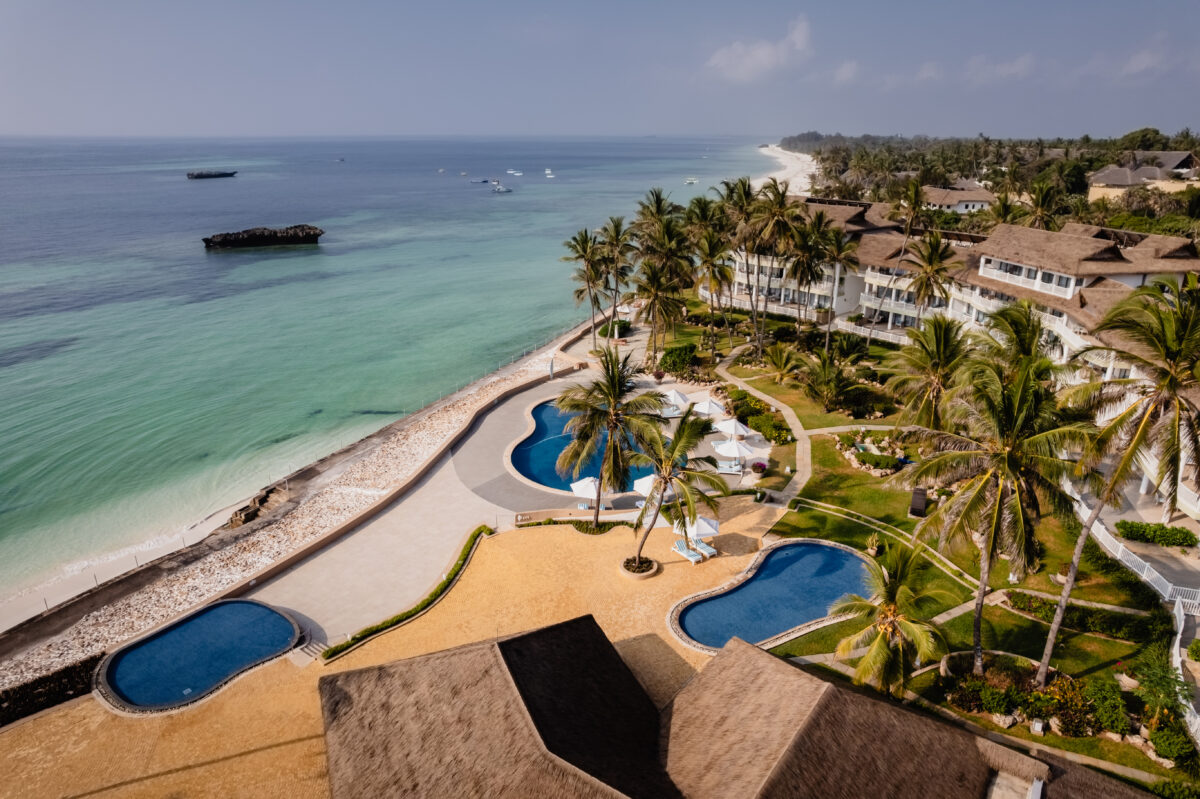
Opened in 1988, Hemingways Watamu was refurbished in 2018, and all 39 rooms and 21-plus private residences come with ocean views, breezy balconies, and access to all three swimming pools. The property, located on Garoda Beach within Watamu Marine National Park and Reserve, has direct beach access to Turtle Bay Beach, and the spa is a well-deserved treat after days on safari. There are two restaurants on site, one (Forodhani Restaurant) by the beach serving a blend of global and Kenyan dishes for all meals of the day, and the other, called Gede Cafe (built to look like the ruins of Gede) serving mezze, seafood dishes, pizza, fresh pasta, and more. Hemingways Bar is right near the beach as well, and it’s the spot to enjoy a Kenyan sundowner.
Hemingways Watamu coordinated all of my day trips in Watamu, including transportation to and from each activity, with organized guides. They offer numerous other curated options, including kite surfing, a city tour of nearby Malindi, birdwatching, windsurfing, and other exciting options.
Getting There
In Nairobi, fly either from Jomo Kenyatta International Airport to Malindi, or from the Wilson Airport in Nairobi to Malindi. From Malindi, it’s a 15-mile drive to Watamu. If you’re coming from safari, you’re most likely going to fly from the Wilson Airport to Malindi via Safarilink.