

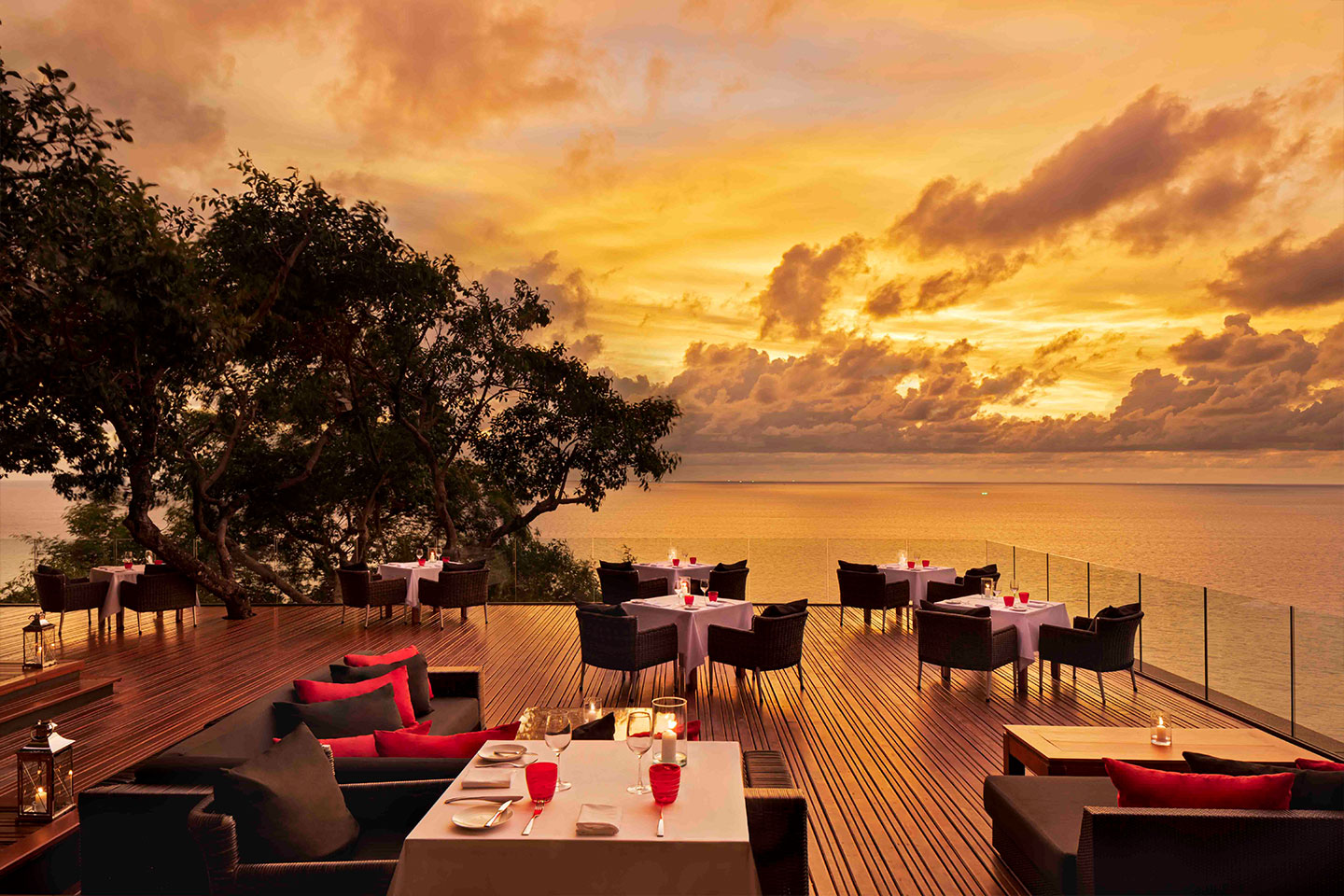
As Thailand’s largest island, Phuket receives a fair number of travelers. This leads to some assuming or judging that the destination is, in fact, over-tourist-y. However, let’s remember that destinations that receive a lot of tourists, do so for a very good reason—they’re just that great.
Of course, if you hate crowds and commercialism, you may want a quieter locale and those great qualities may not matter as much to you. However, if you want to see what all the hype is about (a mindset that I’ve been known to take when planning a trip or two), you won’t be deterred.
So, when it comes to Phuket, what’s the big draw? Well, you’ve got convenience, nightlife, beach clubs, beaches, plenty to do beyond the beach when that’s not your vibe, and, of course, food.
Did you know that Phuket Town is actually a UNESCO City of Gastronomy? The dishes you’ll find here range from specialties like Phuket-style hokkien mee (sometimes also referred to as mee Sapam), aka stir-fried noodles with seafood; to moo hong, a stewed pork belly dish; from kaeng som, a spicy-sour curry or soup; to khua kling, a dry curry featuring minced meat and an intense level of spice.
Many travelers will tell you to take a food tour when visiting Phuket, if you’re interested in the foodie scene, and to definitely not miss the street food. I’d agree with that take. However, if you want to treat yourself to a high-end dining experience complete with sea views (or at least proximity to the beach), you’re going to need the advice of the pros.
The experts at Michelin have given the island a close overview and, while there’s only one restaurant in Phuket that boasts a Michelin star, the guide’s given its stamp of approval in other forms to many other restaurants as well.
So, where should you go? Here are some of the best Michelin-recognized Phuket restaurants near the water.
PRU
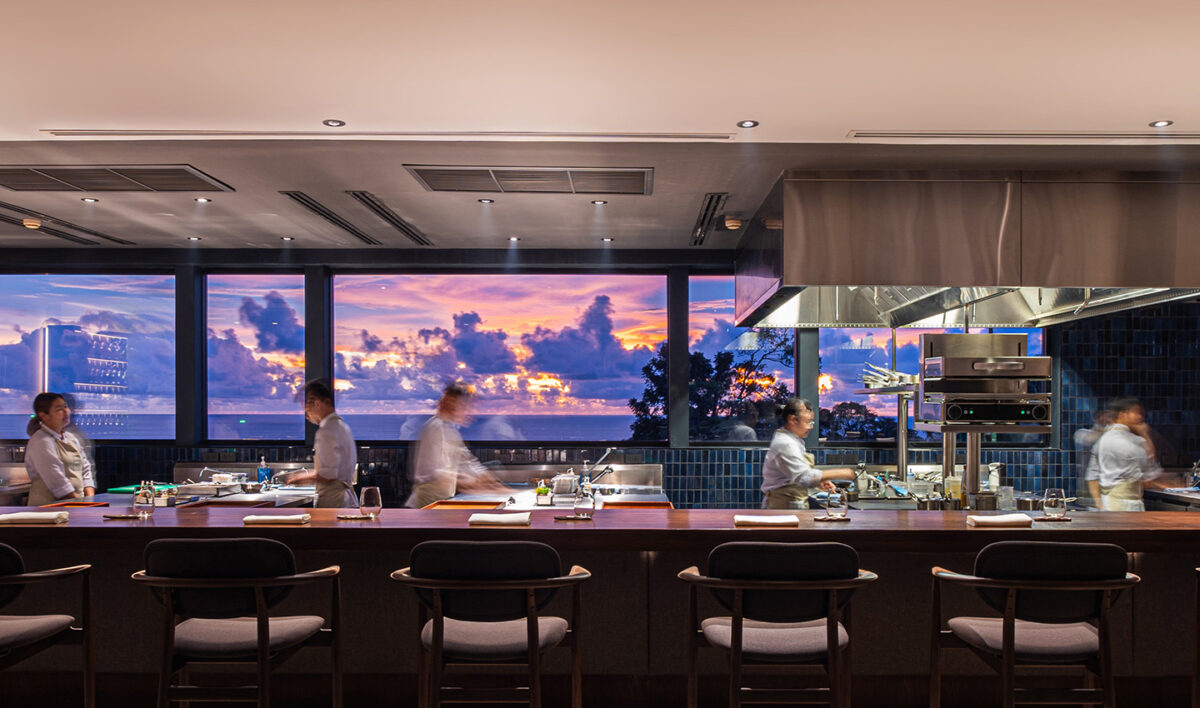
Phuket’s only Michelin-starred restaurant, PRU provides panoramic ocean views and a sustainable ethos, earning itself a Michelin Green star as well. It’s situated within the luxury resort Trisara.
As you dine in the upscale setting, your attention will flit between the long rows of windows overlooking the water and the open kitchen, wherein the restaurant’s “community-to-table,” seasonal and ingredient-focused dishes come to life. Adherence to sustainability shows up in touches such as the all-electric, no-fossil fuels kitchen; the usage of locally sourced items, from ingredients to décor; and the restaurant’s own farm, set upon a reclaimed tin mine, providing produce otherwise unavailable to the chefs locally and following permaculture practices.
As is the case with many restaurants of this caliber, PRU does not offer a la carte dining and, instead, relies on tasting menus. Don’t worry, though. While you may be accustomed to paying upwards of $500 or more for tasting menus in the States, exchange rates mean you’ll be paying just over $200 for the tasting menu at PRU, with even more affordable prices for the lunchtime menu.
Past menu items have ranged from aged duck cooked over an open-wood fire with grilled lychee and shitake mushrooms, to pickled and marinated wild sea bass with cold cucumber broth and buttermilk sorbet.
Jaras
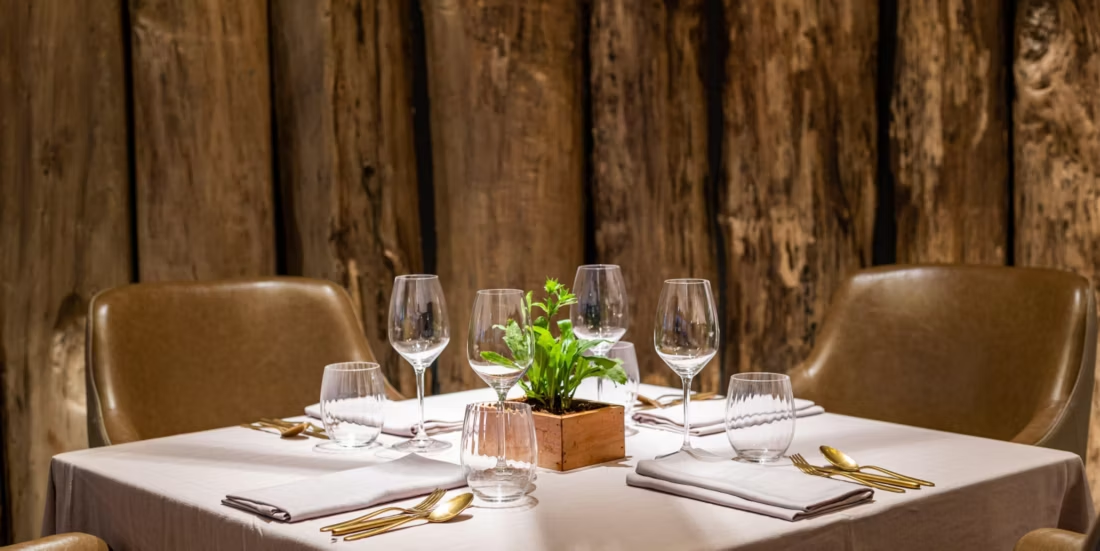
Jaras is located at the InterContinental Phuket Resort, and while the restaurant does not have a Michelin star, the resort boasts two Michelin Keys, the star equivalent developed for hotels and resorts specifically.
Jaras highlights Southern Thai cuisine and takes an eco-conscious approach, sourcing organic ingredients from more than a dozen Thai farms and adopting a zero-waste philosophy. Both prix fixe tasting menus and a la carte options are available, and the menus are quick to point out how food is sourced and steps taken to ensure its sustainability (such as by using invasive species that are overabundant and underutilized)—a boon for foodies who adamantly care where their food comes from.
For example, you could order the zero-waste invasive Tilapia noodles with Southern roast curry and wild herbs; fresh and local scallops served with invasive crispy water pennywort, wild herbs, house-made Miang sauce, and invasive Cheilocostus; or free-range organic chicken with N25 Caviar, fermented garum made from invasive grasshoppers, and Alpinia Conchigera jelly.
L’Arôme by the Sea
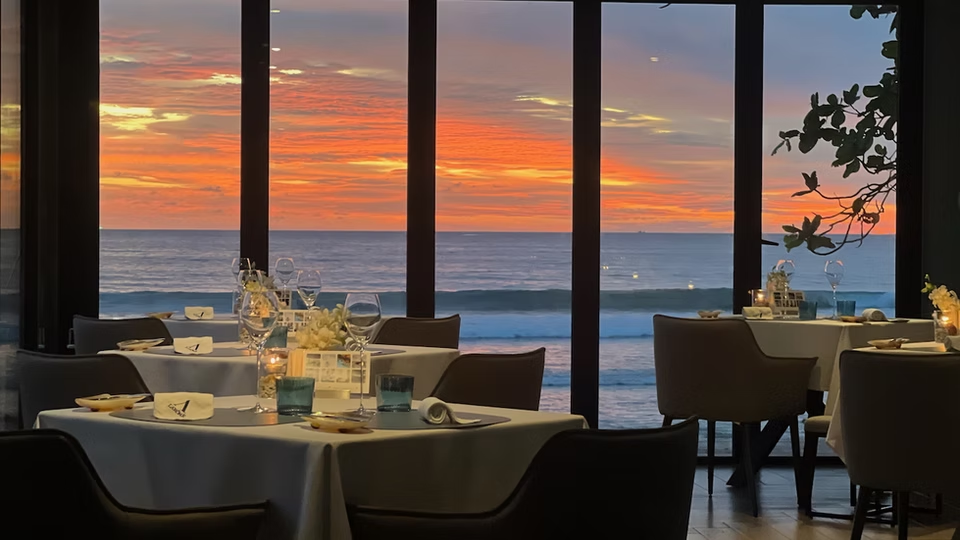
While you absolutely should embrace the local flavors as much as possible while in Thailand, it’s worth noting that the Michelin Guide has listed some still very fantastic restaurants in the destination that deviate away from regional cuisine. Take, for example, L’Arôme by the Sea.
Its focus is high-end, modern French cuisine, with a coastal slant. The 12-course, prix fixe menu reflects the seasons, with past menu items like crab consommé and confit quail egg, and lobster ravioli with shellfish and chardonnay coulis.
In addition to the main dining room, with its expansive ocean views, the restaurant also features a rooftop bar, where you can take in the sea breeze, cocktail in hand, before your meal (or you can visit the rooftop bar all on its own, and enjoy a selection of small bites, like coconut BBQ crawfish tail satay or horseradish caviar tuna tartare).
Sizzle
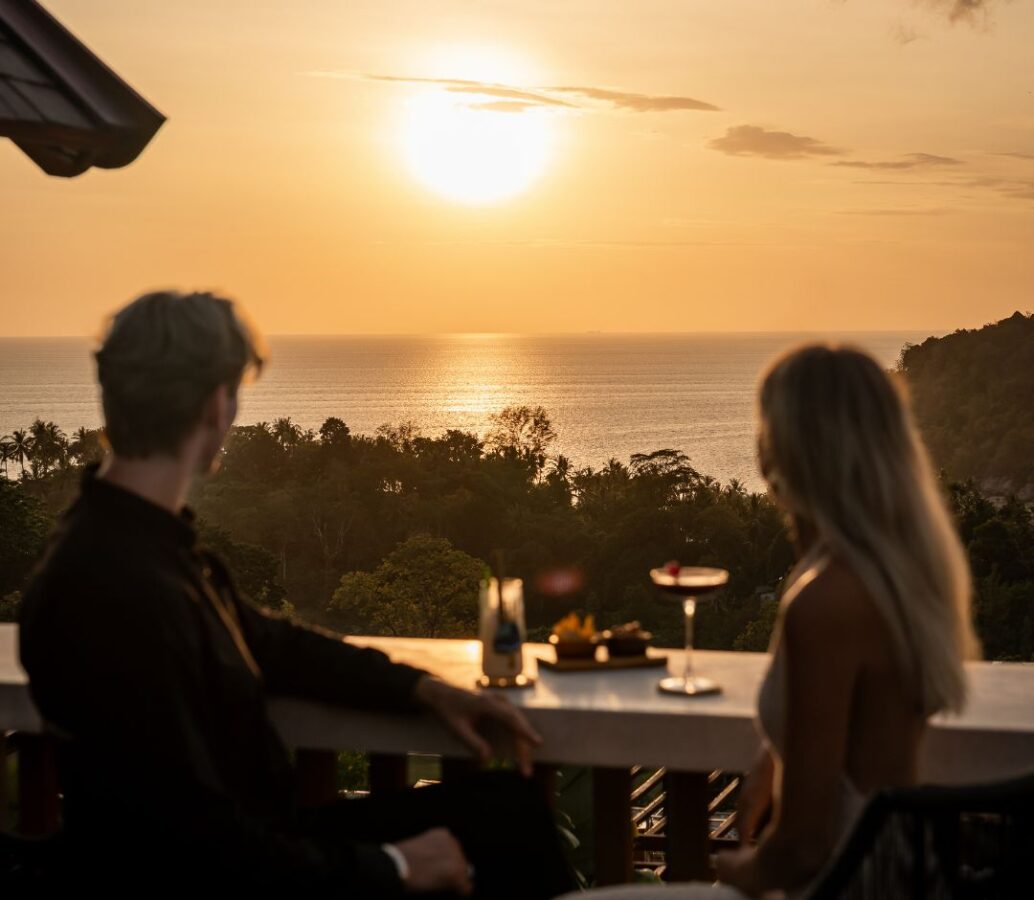
Similarly, Sizzle specializes in European cuisine—specifically taking influence from the Mediterranean and the chef’s Spanish heritage—with a high emphasis on steak and seafood. The rooftop restaurant with views of the Andaman Sea received a nod in the 2026 Michelin guide.
For those who aren’t a big fan of tasting menus (and, hey, no judgement; some of us just like knowing what we’re getting into, before we arrive at the restaurant—and there’s something to be said for the pricing, too), they’ll be delighted to know that Sizzle is a la carte all the way.
Choose from starters like beef carpaccio or iberico croquetas; Wagyu from Japan or Australia; and seafood options like live oysters. Classic European desserts such as Italian gelato and mille-feuille cap off a meal.
Tambu
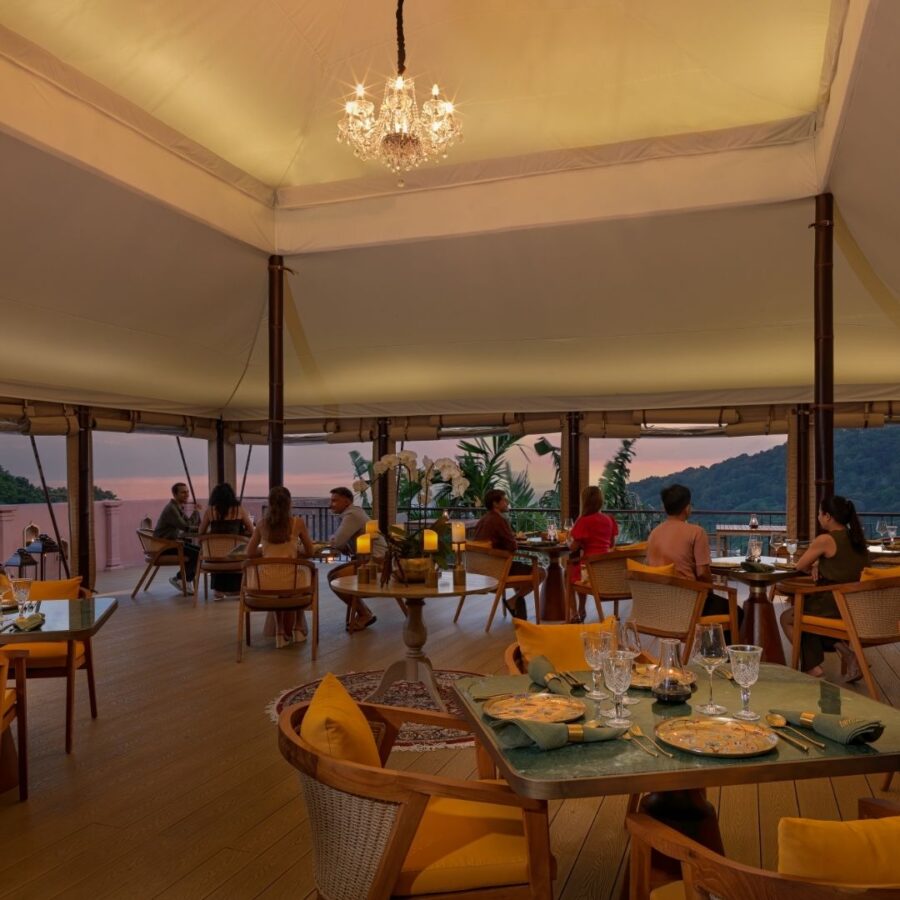
Listed in multiple Michelin guides and the recipient of many other honors, Tambu has been called one of the best Indian restaurants in Phuket, with its rooftop locale, progressive Indian charcoal cuisine and eight-course tasting menu (there’s an a la carte menu, too). The open-air setting, with its tented covering, gives the restaurant a distinct luxe vibe.
On the a la carte menu, choose from options like classic tandoori chicken or Malai chicken tikka; items from the charcoal oven, like grilled chili lime seabass and mutton seekh kebab; classic curries and Indian breads. The tasting menu, meanwhile, features items like scallop moilee, lamb chop barrah, and bhatti ka murgh.
Ta Khai
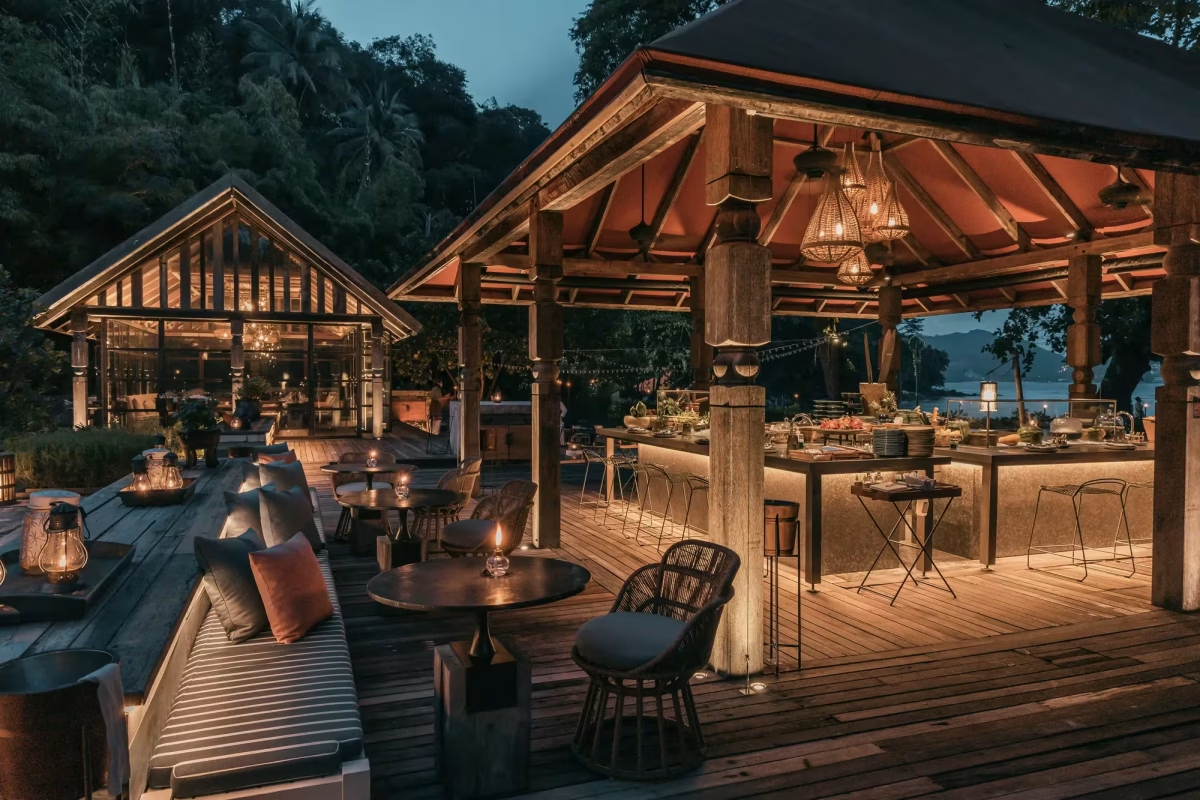
Ta Khai is located within the Rosewood Phuket resort, an ultra-luxury property that’s been awarded two Michelin Keys. The gorgeous restaurant, with its bay-view terrace and inspiration taken from the ambience of a rustic Thai village, offers traditional Southern Thai cuisine.
Serving dinner only, you can opt for the Ta Khai experience, with a prix fixe menu featuring items like poh pia sod (Phuket spring rolls with pork, yam bean, bean sprouts, chili and a tamarind dip); moo hong (soy-braised pork with black pepper and garlic); and khao nieo mamuang (ripe mango with glutinous rice and coconut milk). Meanwhile, the a la carte menu offers up favorites like moo pad kapi (stir fried pork belly), gaeng som (sour-spicy seabass curry), and khao yum (southern-style rice salad).
Talung Thai
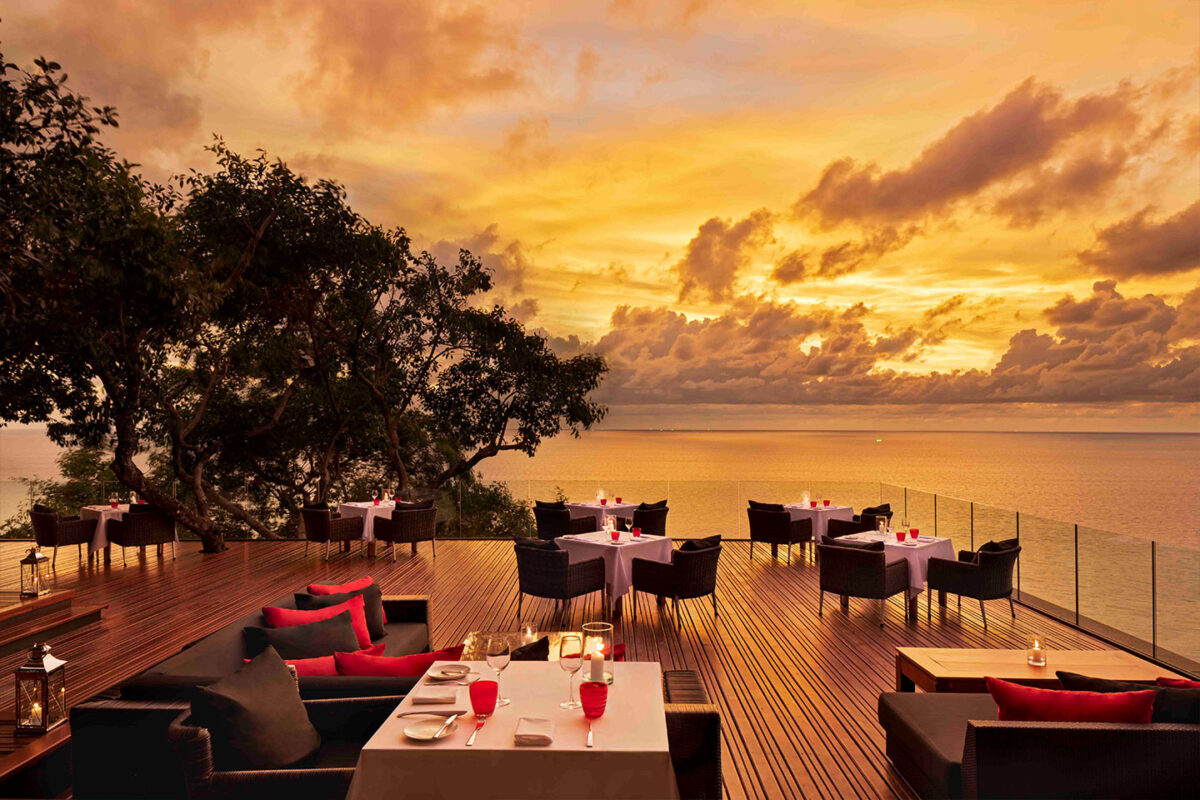
With ocean views made possible thanks to this restaurant’s resort terrace and cliffside location, Talung Thai cooks up breathtaking scenery alongside its menu of central and southern Thai cuisine.
The menu is expansive—easily the most generous on this list—and the restaurant serves lunch, dinner, both a la carte and prix fixe options. Plus, while Thai may be the focus, international cuisine also abounds, for those who may be traveling with companions of the pickier persuasion. For example, for lunch, you could be indulging in khao soi ped (duck coconut noodle soup) or gueng hung lay (pork and ginger curry), while they chow down on a Caesar salad or chicken gyros.
Buabok
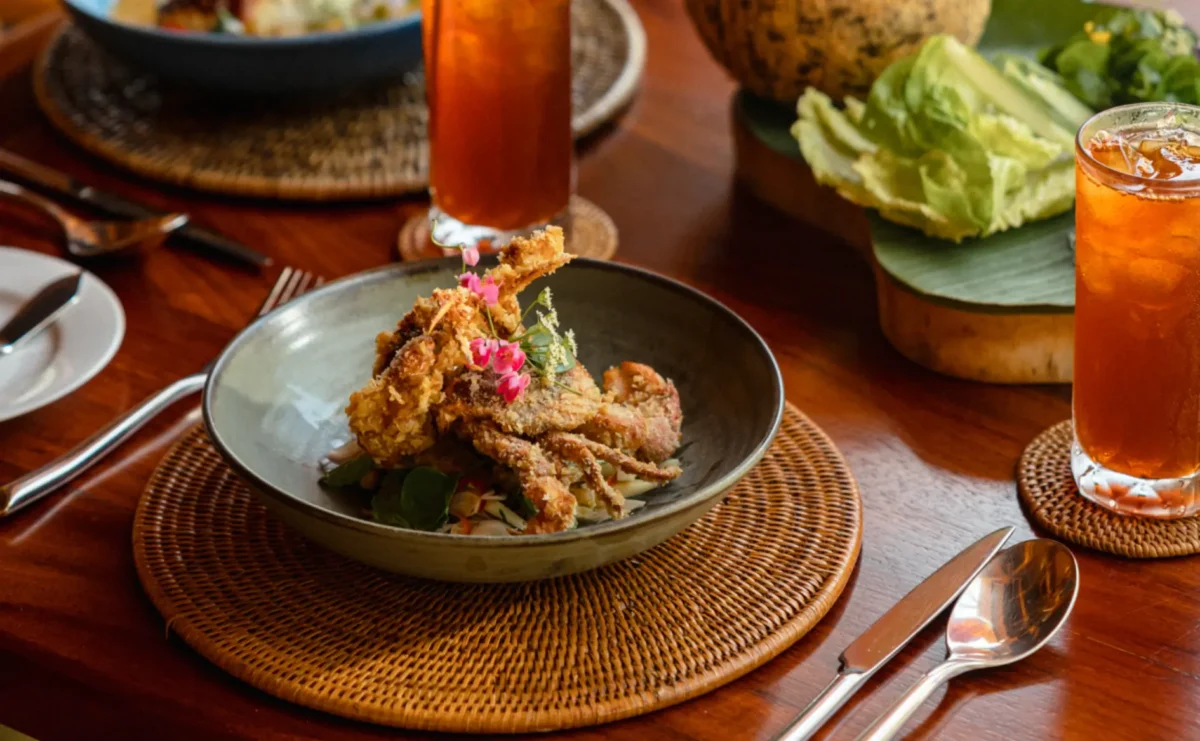
The main restaurant at the Amanpuri resort, Buabok provides Thai classics and regional favorites, alongside international fare for breakfast, lunch, and dinner.
For a Thai favorite breakfast try the brown rice porridge with ginger, fish, spring onions, coriander and shallots, or the Thai-style omelet with crab meat, coriander and rice—because if there’s anything that this region does well, it’s a savory breakfast. Then, for lunch or dinner, start your meal off with an appetizer like lettuce wraps with crab meat and vermicelli noodles, before moving on to larger plates like a Wagyu strip loin red curry or Phuket-style crab meat yellow curry.