
Amalfi is certainly a marvelous destination. Can you really resist the breathtaking beauty of its high cliffs, romantic perched towns, and sublime beaches? While you can’t, two things may rain on your enthusiasm while visiting the famed coast: the prices and the crowds.
If you’re visiting from May to September, the popular destinations like Portofino, Amalfi, and Atrani become exponentially expensive. Thousands of tourists queue up and fight for space on infrequent buses and ferries to get around the narrow coastal roads.
Save the Amalfi trip for the shoulder season, and visit the places on this list instead. Italy has many other, no less impressive, coasts to discover. Spectacular seaside towns of Calabria, Apulia, Sicily, Latina, and Marche are wallet-friendly alternatives to the oversaturated Amalfi Coast.
Bagnara Calabra, Calabria
Best for authentic Italian resort town vibes
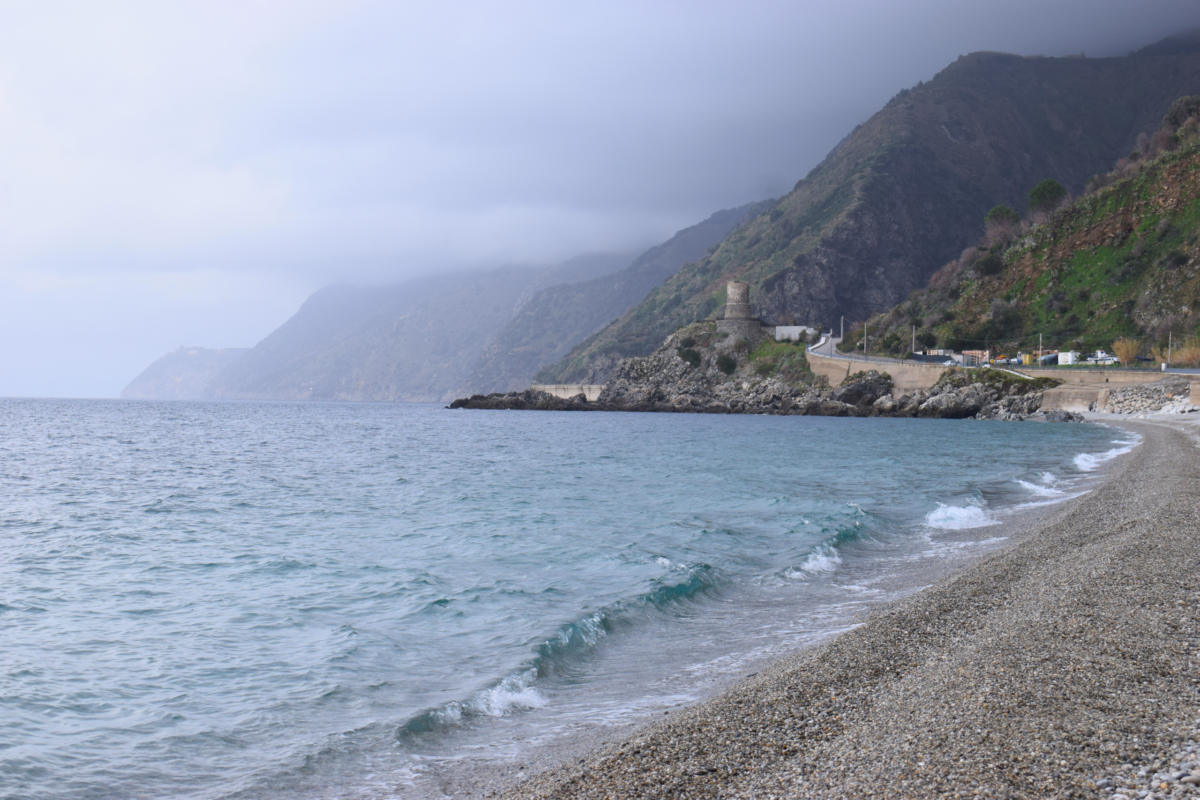
Every day, feluccas, the traditional wooden boats, sail to the Tyrrhenian Sea for the swordfish. Bagnara Calabra is famous for the pesce spada alla Bagnarese (grilled swordfish in an aromatic sauce). The town is very similar in appearance to Maiori on the Amalfi Coast—you’ve got two long, pebbly beaches overlooking the rugged cliffs. The difference is in the price and popularity.
Bagnara remains unknown to mass tourism, with mostly Italians vacationing here. Check out the scenic medieval Aragonese Tower crowning the beach, and enjoy the sweeping views from the hilltop historic part of the town. Unlike Amalfi, Bagnara has a direct train service to many other towns around the coast.
Salerno, Campania
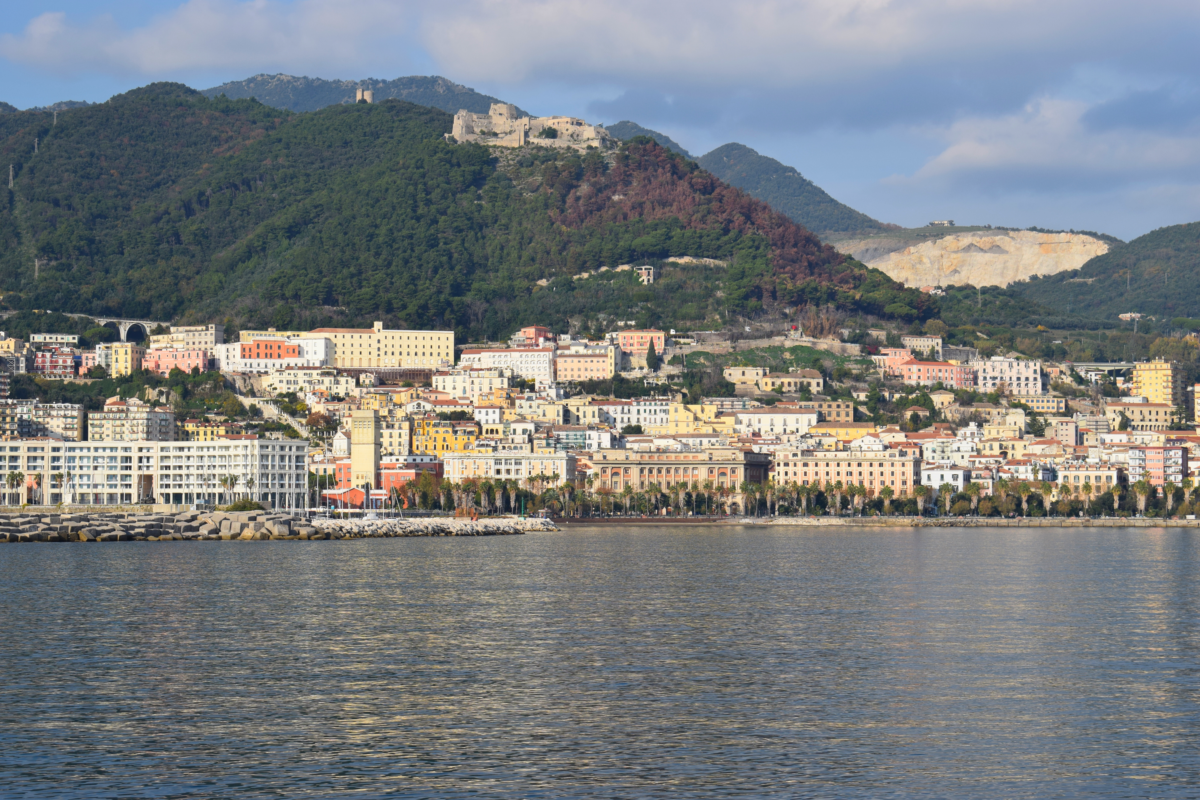
Best for the Amalfi Coast base
Stay close to all the Amalfi Coast gems without overpaying for accommodation. Salerno is perfect for that. An important port in the Campania region, it’s well-connected by high-speed trains to all major Italian cities. Most importantly, it’s the hub for transportation to the Amalfi Coast, as Amalfi buses and ferries depart from Salerno. You’ve got the strategic position and a wide range of accommodation options, with many budget-friendly guesthouses and hotels—what’s not to like?
Moreover, Salerno offers an authentic Campania lifestyle and plenty of superb restaurants, pasticcerias, and cafes. There’s a beautiful lungomare (a seaside promenade), and an atmospheric Old Town quarter, filled with narrow alleys and Baroque churches.
Bosa, Sardinia
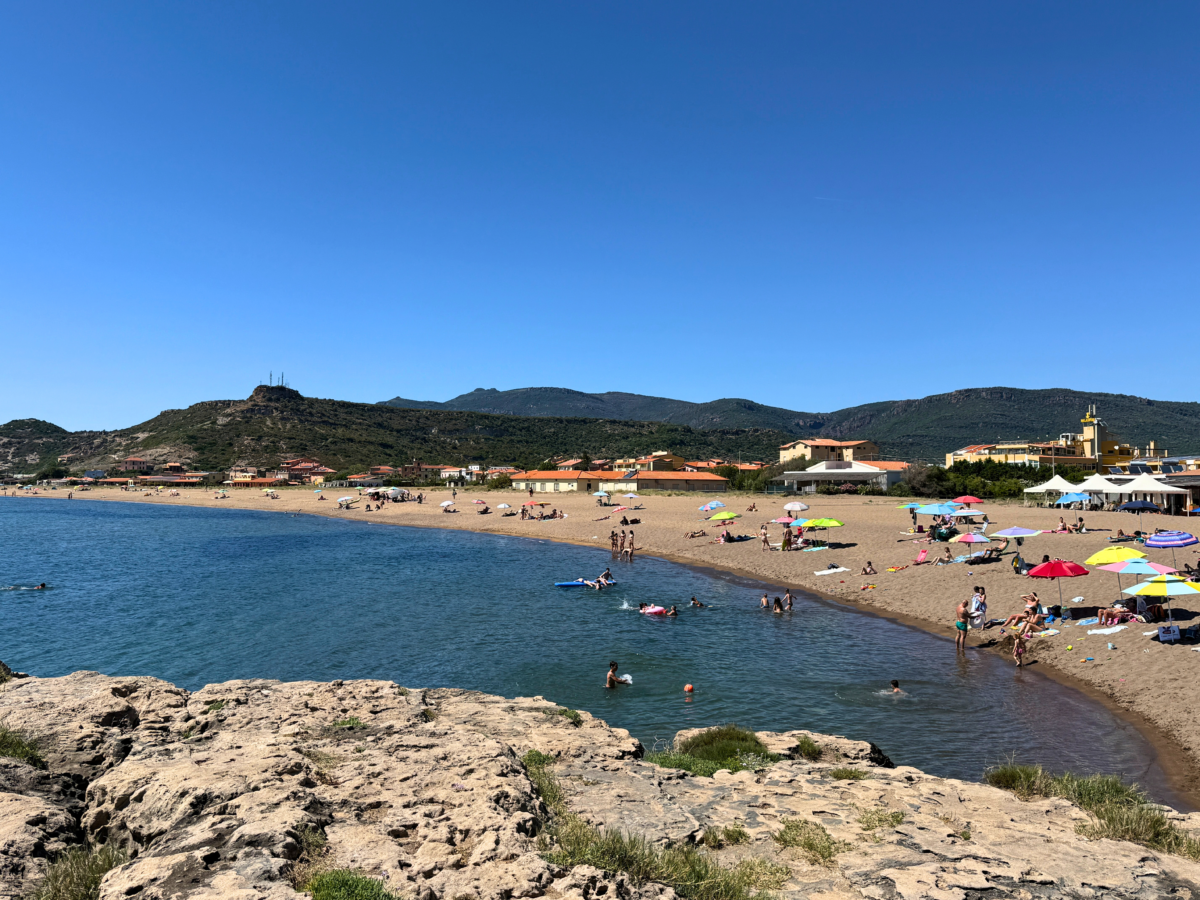
Best for postcard-perfect views
Amalfi towns and Bosa have one thing in common—they look like a real-life landscape painting. Much like Amalfi or Positano, the Sardinian town enchants you with the colored medieval houses climbing the hill and scenic terraces of cozy trattorias. But Bosa is also about the Florence-like river vista—the Temo River divides the town in two, and you’ve got photogenic bridges. Have an aperitivo in Bacco Bistrot, taste the seafood pasta dishes next to the bridge at Costa Azzurra Truckttoria, and try the typical Sardinian food at Trattoria Nonna Rita.
There’s also beach leisure in Bosa. Head to Spiaggia di Bosa Marina for a classic Sardinian sandy stretch, dotted with relaxing beach bars. Another fantastic coastal attraction is Cane Malu, a series of natural pools west of the city center.
Trapani, Sicily
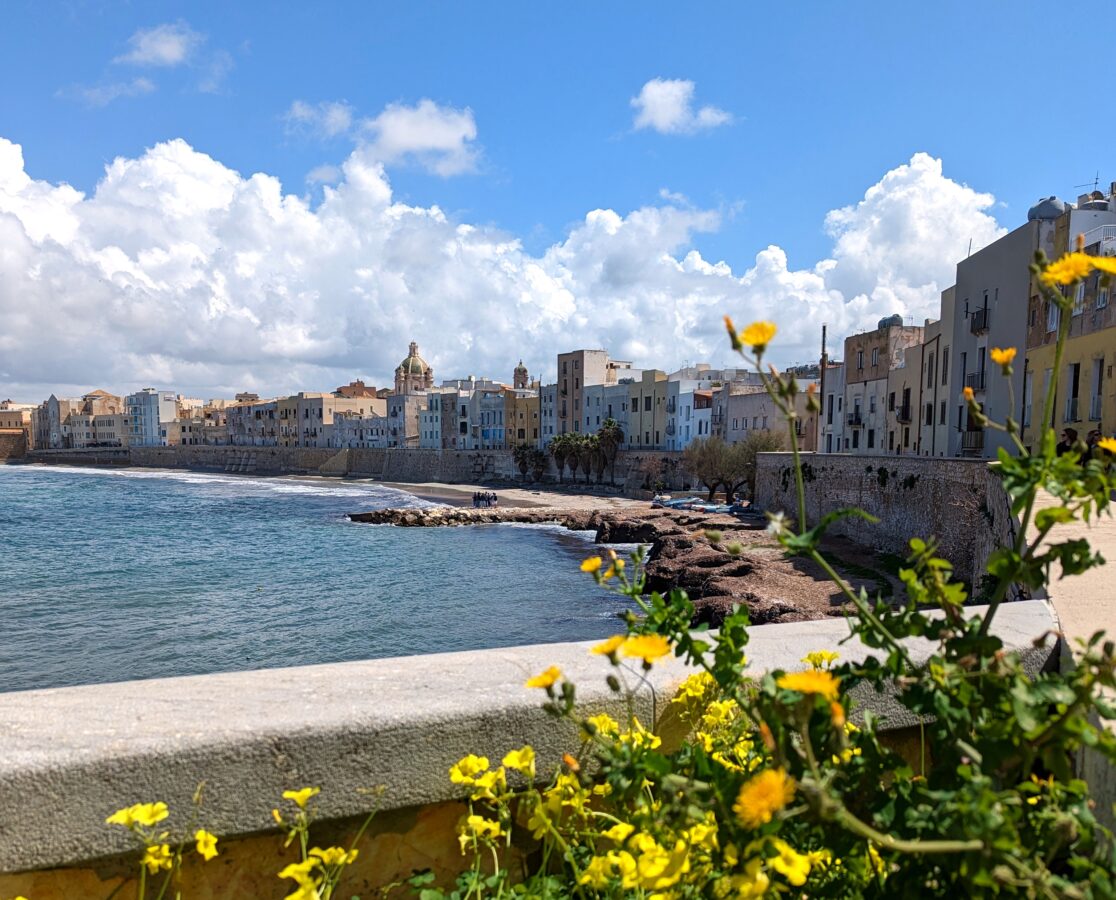
Best for island-hopping and Sicilian gastronomy
A trip to Sicily will always be more affordable than going to the Amalfi Coast. Trapani, in the island’s west, is among the most budget-friendly destinations you can find there. It offers everything you need for the dolce vita. The beige-colored streets of the Old Town are spectacular. Medieval walls encircle Trapani, and there’s a gorgeous city beach at the foot of the old citadel. The Old Town is fantastic for indulging in Sicilian cuisine—try arancini (filled rice balls), cannoli (tube-shaped pastry), granita (semi-frozen dessert), and pesto alla trapanese (pesto with almonds and pecorino cheese), the town’s specialty.
Save time for the island excursions to the Aegadians, a spectacular archipelago half an hour away from Trapani’s port. Favignana, the biggest island, is perfect for coastal cycling trips and cove-hopping. In Levanzo, you will find a whitewashed village and plenty of wild turquoise beaches. The farthest, Marettimo, takes your breath away with rocky mountains and more beautiful beaches.
Gallipoli, Apulia
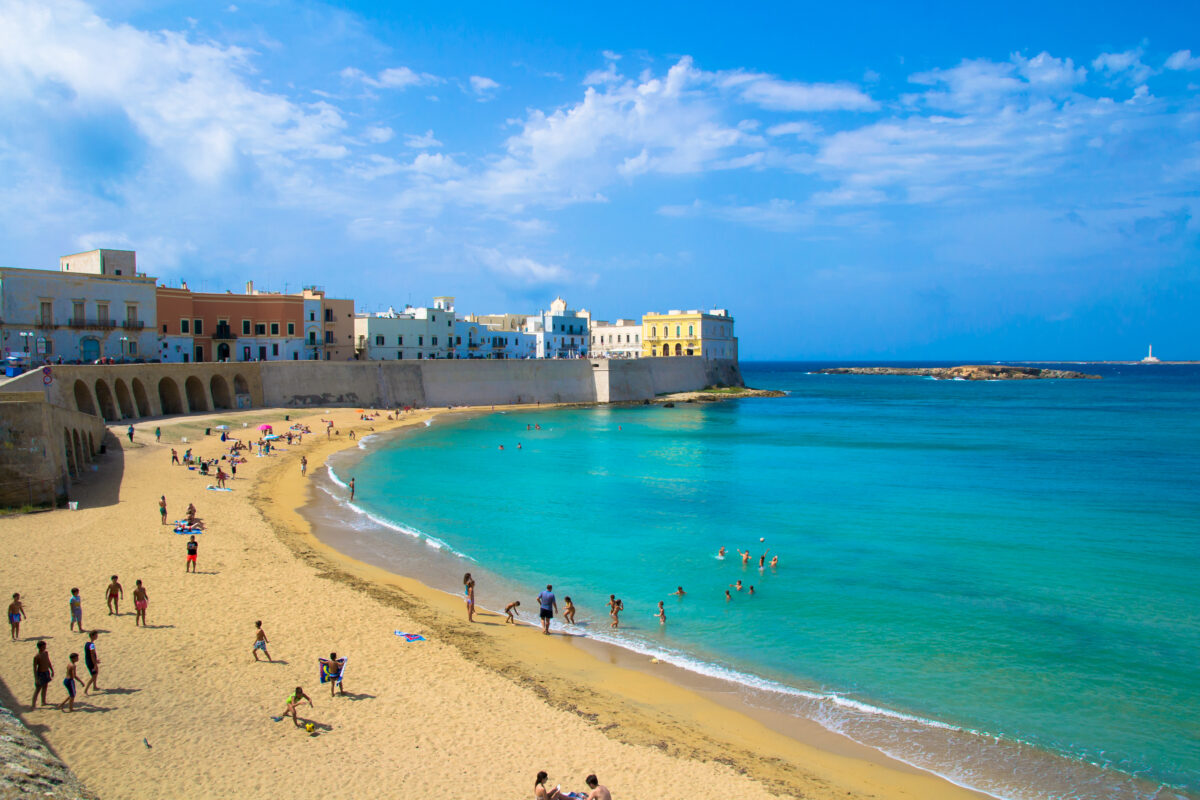
Best for LGBTQ-friendly beaches and scenic Old Town
Gallipoli is the most precious historic gem of Salento, a sub-peninsula at the “heel” of the Italian geographical “boot.” The Old Town here is incredibly scenic. Wander the Baroque alleys, peek into the ancient churches, and marvel at the medieval walls and fortresses. Enjoying the Ionian Sea is also easy right after the sightseeing, as you’ve got sandy Spiaggia della Purità beside the town walls.
Apart from its picturesque looks, Gallipoli is known in Italy as the top LGBTQ destination. Lido Pôr do Sol in Baia Verde, on the town’s southern outskirts, is the most popular gay-friendly beach in the area. The Ionian beaches around Gallipoli all come with white sand and transparent waters, so the town is a fantastic sea gateway on its own right. The most paradise-looking of them all is the Punta della Suina, with a mix of soft sand and rocks.
Otranto, Apulia
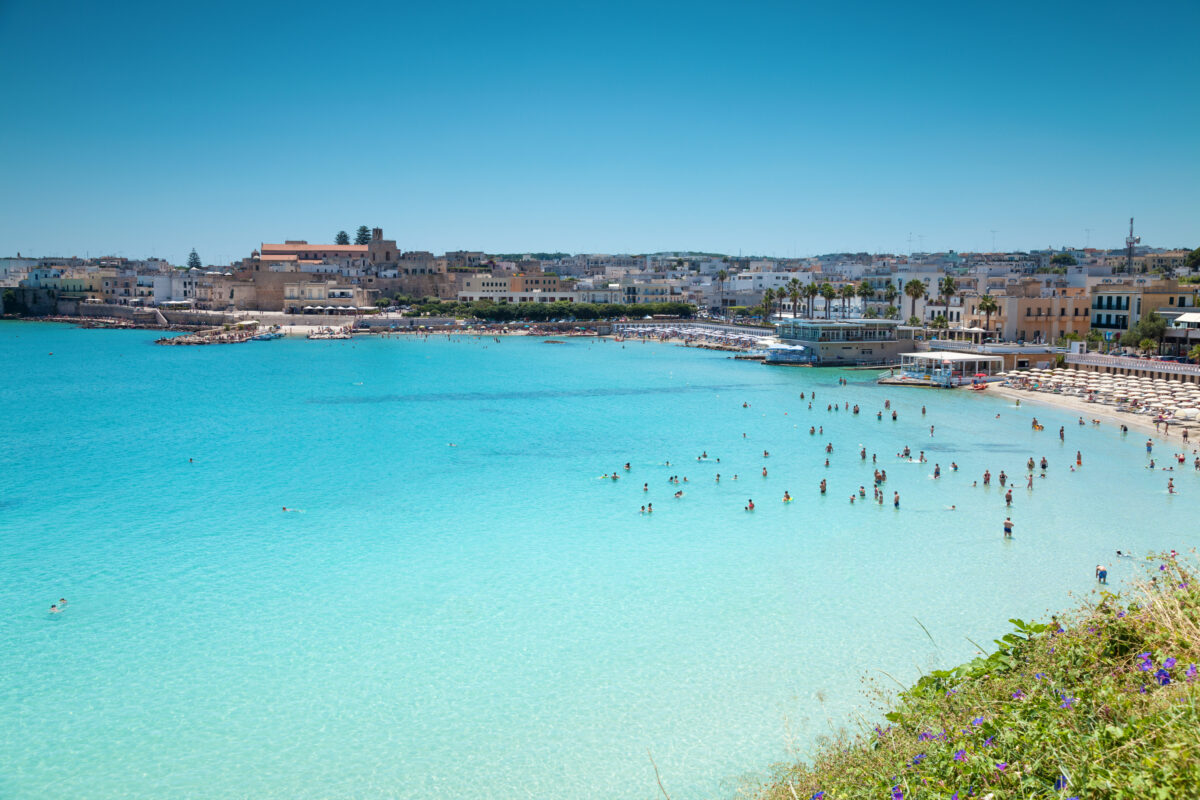
Best for mesmerizing architecture and dramatic coves
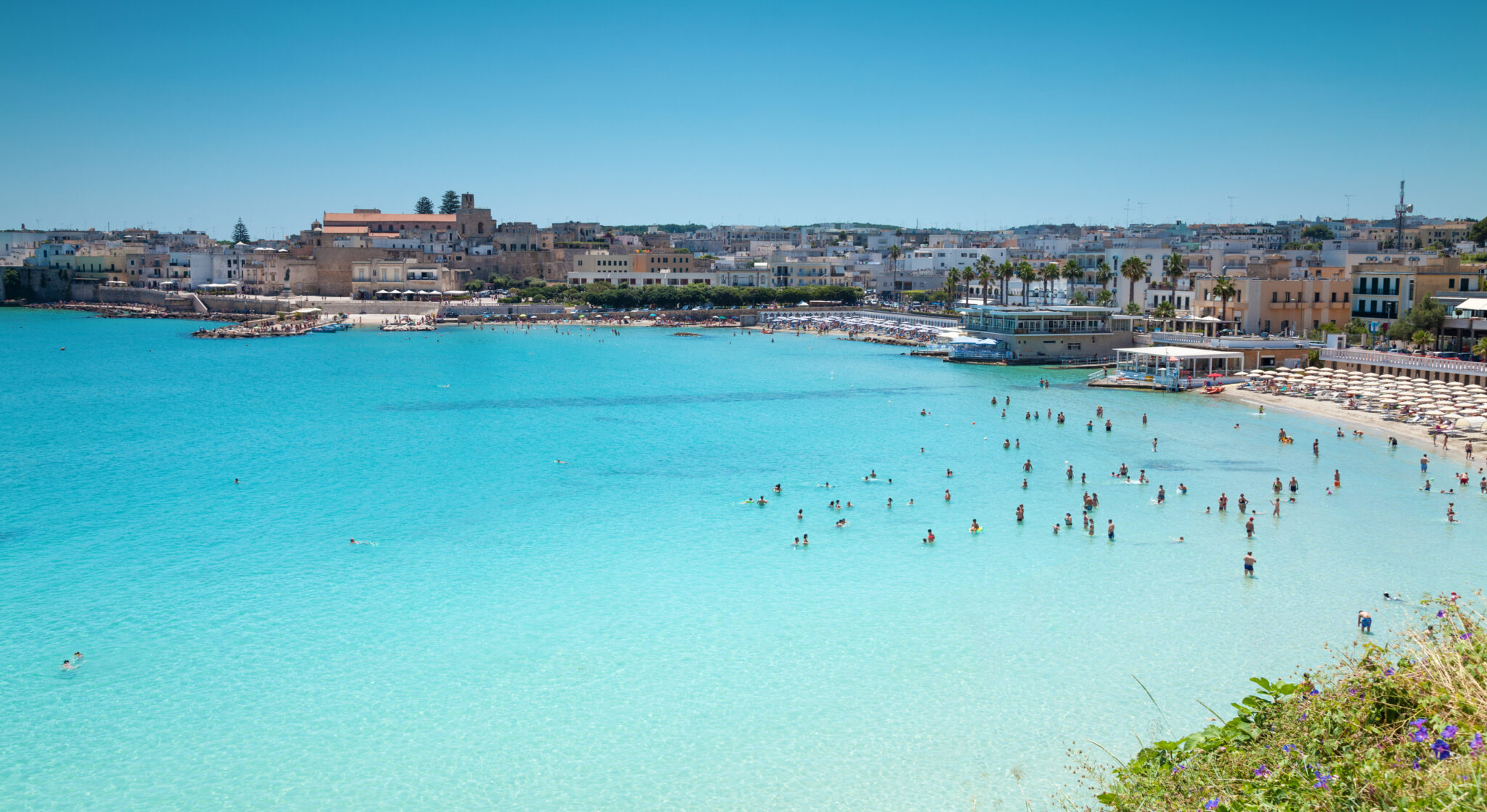
One of the most distinct features of the Amalfi Coast towns is their magnificent cathedrals. Otranto is home to arguably Italy’s most interesting and eeriest church—its Norman-built Cattedrale hosts a crypt with bones of over 800 martyrs of the 1480 Turkish massacre and medieval mosaics on the floor. The Old Town sports a trademark Apulian whitewashed look.
But it’s the beaches that will make you want to stay. Spiaggia dei Gradoni is a sandy bay overlooking the city ramparts outside the center. Follow the north-bound coastal hiking trail to find a collection of splendid limestone coves, such as Lido della Staffa, Cala del Canale del Càfaro, Cala di Grotta Monaca, and Baia Mulino d’Acqua. Otranto’s most famous beach and one of Italy’s finest white-sand stretches is Baia dei Turchi, with Caribbean-blue waters and sugary quartz.
Sperlonga, Latina
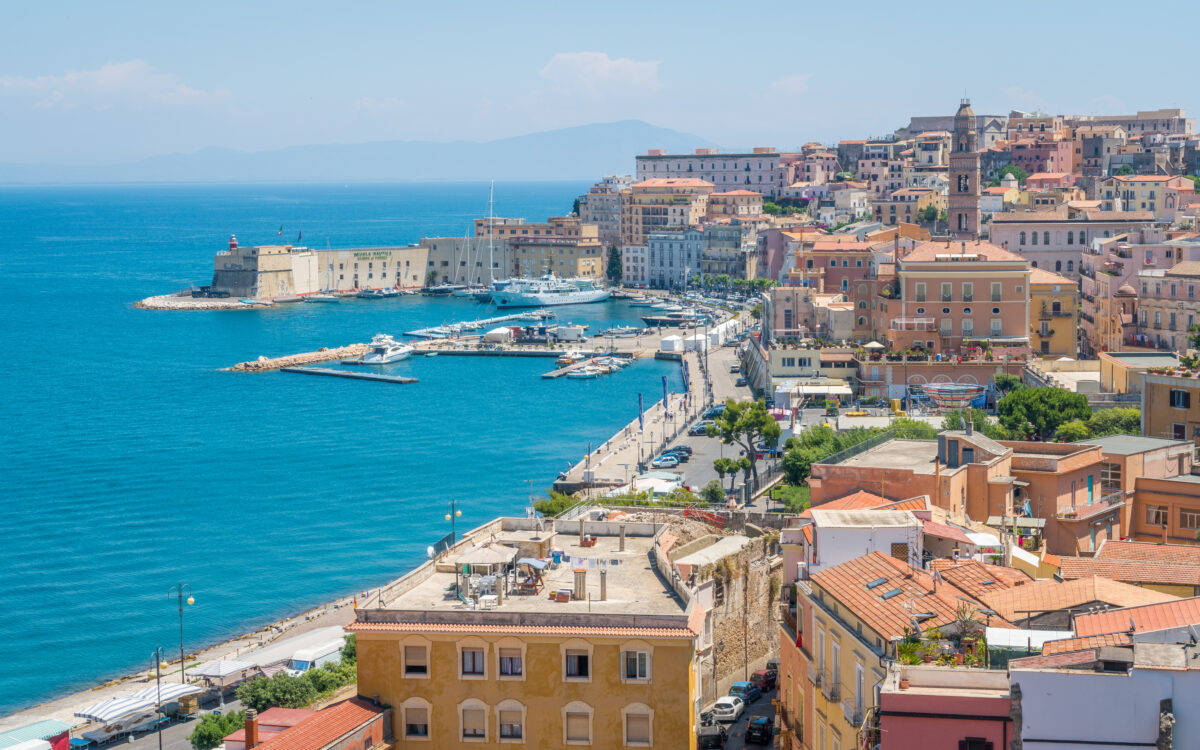
Best for Roman heritage and vast beaches
Sperlonga’s fame as the premier beach resort goes back to ancient Rome. Its picturesque hills and long, sandy bays made Emperor Tiberius build a recreational villa here. But that wasn’t a typical seaside home—the villa was actually a part of the cave complex discovered in the ’50s during road construction works. Today, it’s a unique archaeological museum, featuring ancient fishponds, dining rooms in the grotto, and Roman sculptures. Sperlonga, the town, is a hilltop medieval marvel.
The port divides the bay into two long, coarse-sand beaches. During summer, most of the sand is occupied by private lidos, with loungers and umbrellas to rent. For a wilder experience, go north to the vast Piana di Sant’Agostino, a golden-sand stretch with shallow waters. Expect to pay a fraction of the Amalfi prices in Sperlonga—the Latina resort is still a very much local affair.
Sirolo, Marche
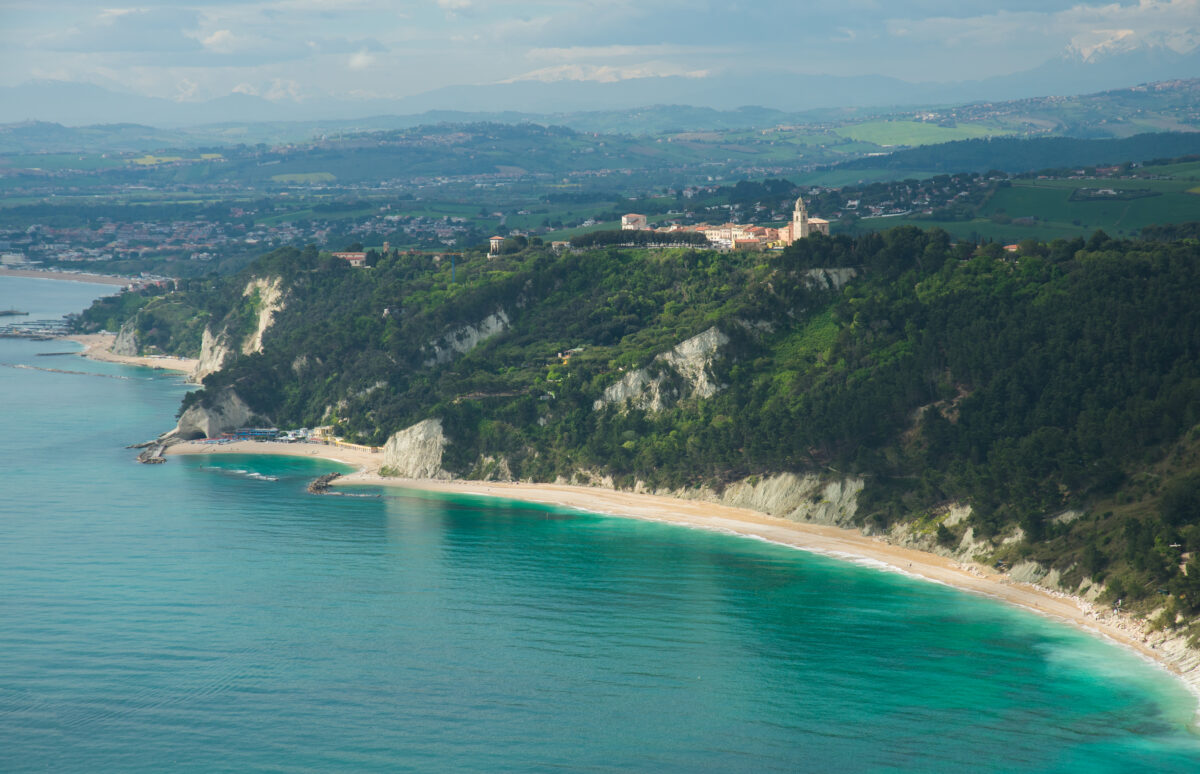
Best for unspoilt rocky coast and romance
You might have never heard of Sirolo before, but you should definitely check it out as a budget alternative to the Amalfi Coast. The town is a gateway to the Conero Riviera, a divine coast in Marche province around Mount Conero promontory. The area is a definition of undiscovered Italy. Sirolo stuns you with a perched Old Town, where viewpoints end with a gorgeous vista of the virgin Conero coast. The town’s main beach, Urbani, is majestically set under a white limestone cliff.
Much like Amalfi, Sirolo is made for honeymooners. Local ristoranti are perfect for sunset dinners, enchanting you with the view. And then, there are Conero’s pristine beaches. The lush Mediterranean forest backs Spiaggia Sassi Neri and Spiaggia San Michele. But the real gem is Spiaggia delle Due Sorelle, a remote white-sand strip with the two limestone sea stacks in front.
Peschici, Apulia
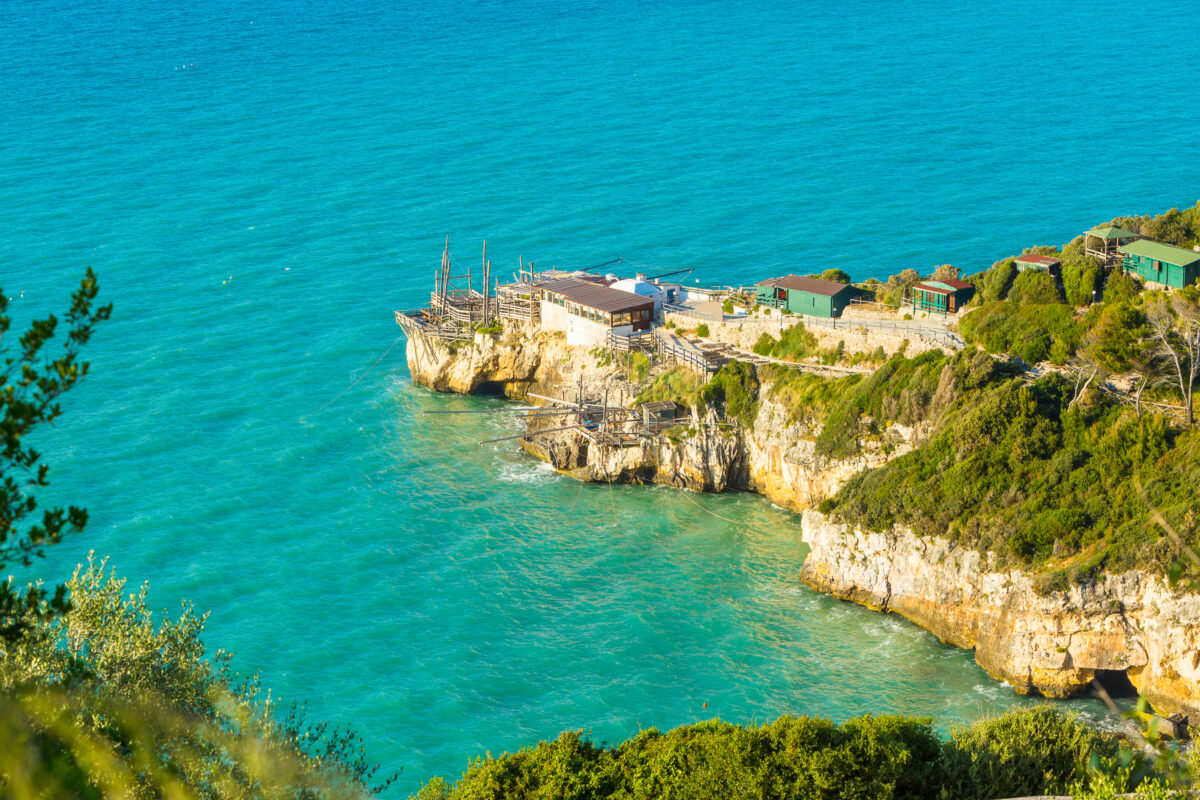
Best for Instagrammable streets and Tremiti Islands excursions
If there’s one Italian town that can give Positano a run for its money, Peschici (pronounced “pes-key-she”) would be that. It’s the same concept of beauty—expect windy streets, cascading old houses, and azure sea. The natural scenery is also similar, as the town is one of the beautiful seaside resorts of Apulia’s Gargano Riviera. Relaxing on the local beach, Baia di Peschici, is an uber-scenic experience (the town literally towers over you in its medieval glory).
Seeing it from the water is even better, as you can admire the epic Castello di Peschici sewn into the white cliff. Boat tours are easy here. Peschici is one of the ferry getaways for the Tremiti Islands, a car-free archipelago in the Adriatic Sea. The trip takes 90 minutes, and gets you to San Domino, which is perfect for cycling and snorkeling in the crystal-clear coves.
Camogli, Liguria
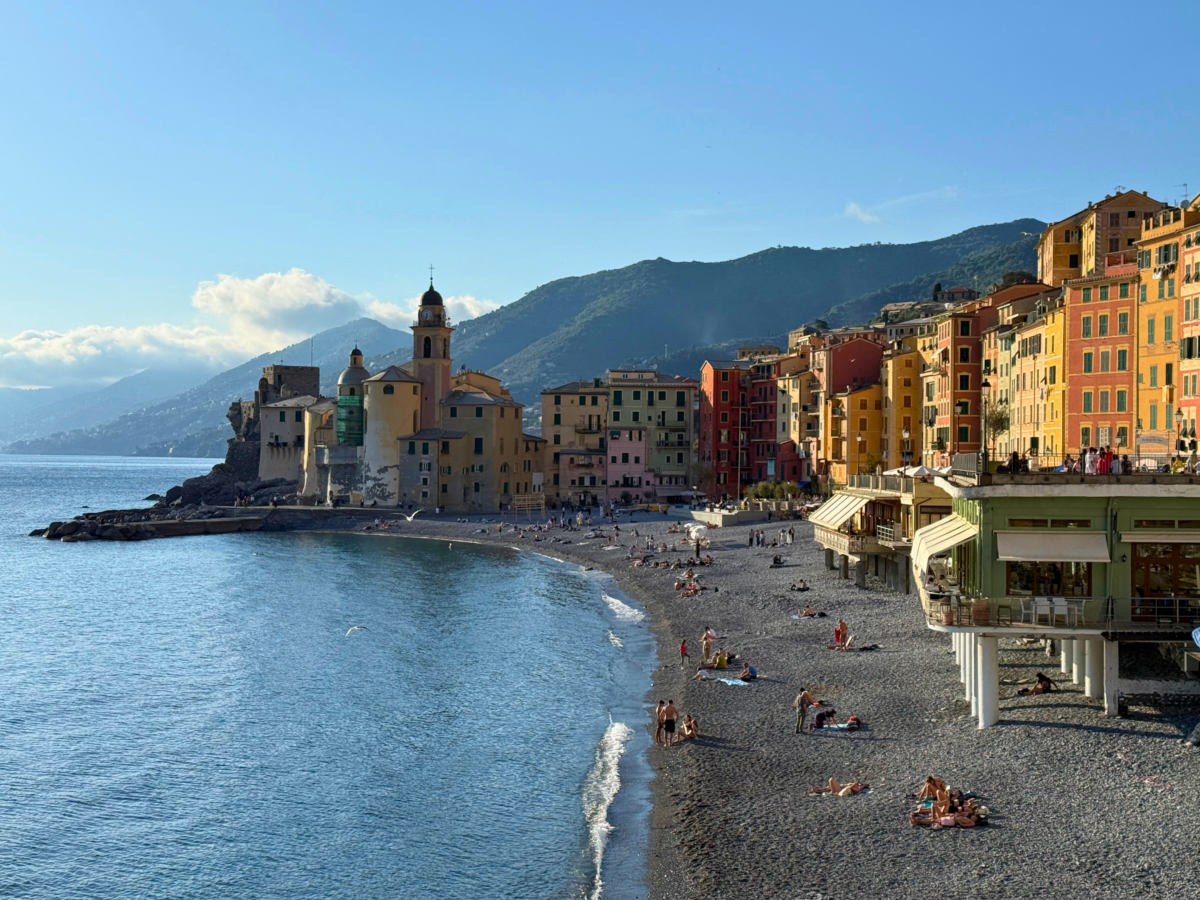
Best for street food and cinematic views
While Santa Maria Ligure, Rapallo, and Portofino are well-known competitors of the Amalfi Coast for luxury and romance, it’s Camogli that you should visit for a budget-friendly stay. Minutes away from these towns, it’s the authentic Ligurian fishing village, where everywhere you look is pure cinema. The town’s centerpiece is the coastal Via Giuseppe Garibaldi. Gaze to the south, and it’s the landscape of the Parco Regionale di Portofino, with its gentle hills meeting the blue Ligurian Sea. Look to the opposite side to find one of the most striking seaside town panoramas in Italy: the colored, trompe d’oeil-frescoed houses, a harborside Basilica di Santa Maria Assunta, the 13th-century Dragone Castle, and the wide, pebbly beach.
Camogli is also great for Ligurian street food. You can have various types of focaccia (the local flatbread soaked in olive oil, served with or without fillings), acciughe fritte (fried anchovies), farinata di ceci (chickpea flour flatbread), and heavenly gelato.