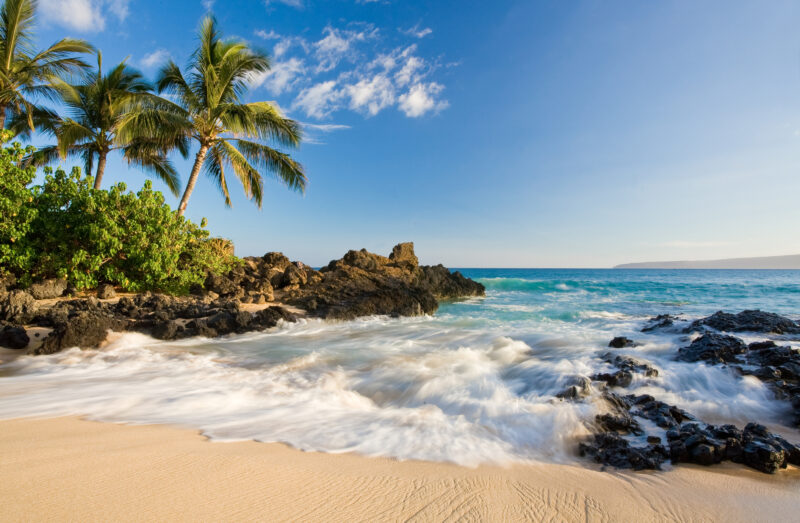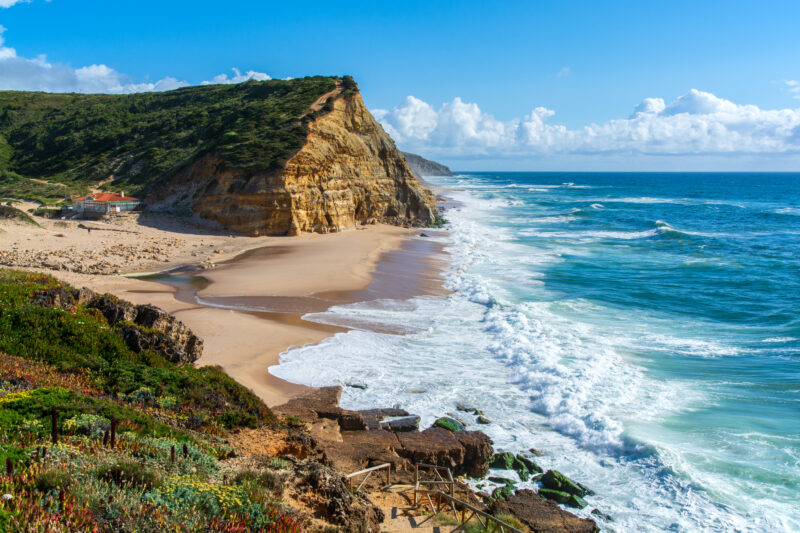

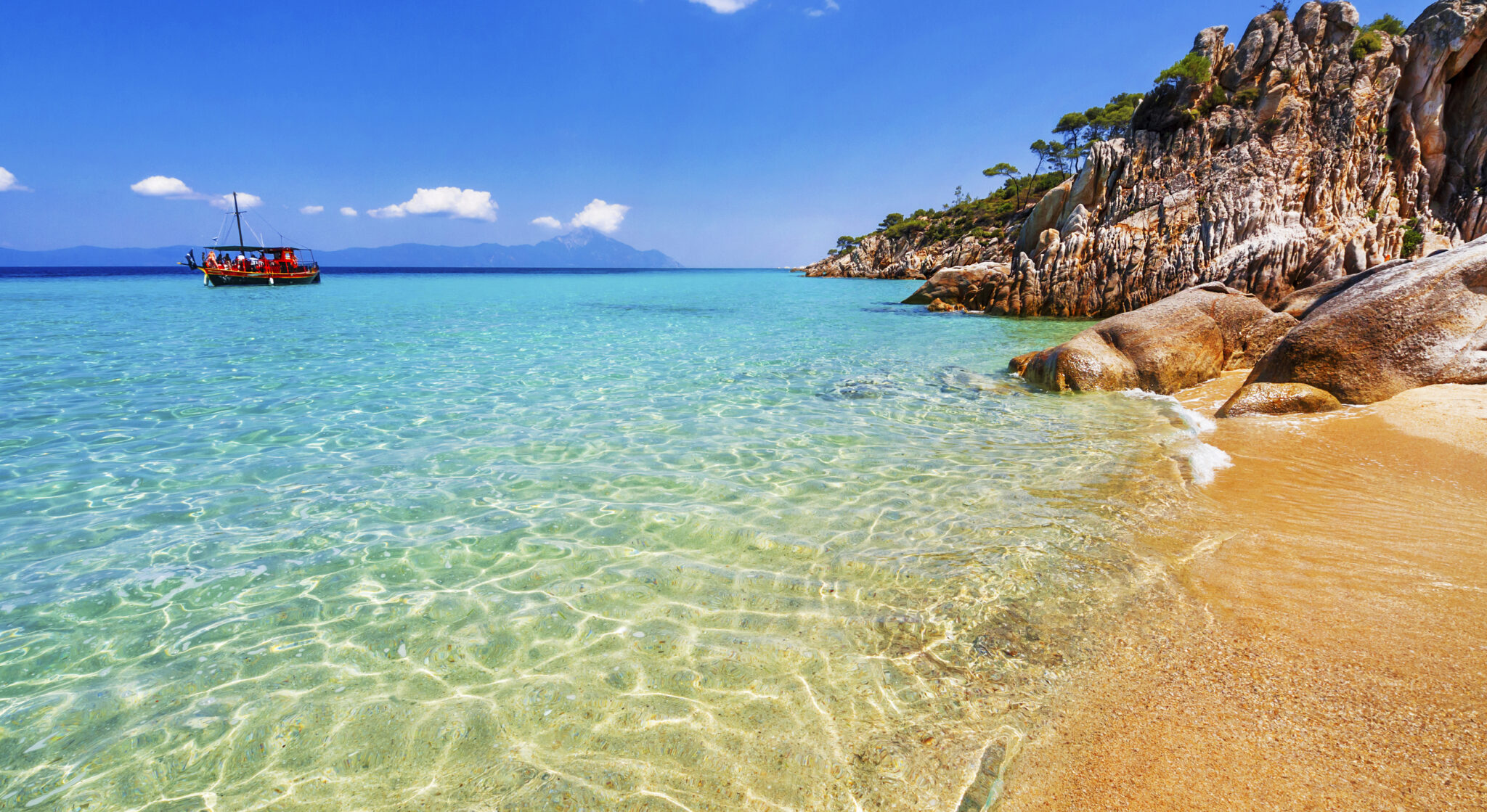
These Mediterranean countries are famous for their pristine beaches, awe-inspiring Old Towns, island escapes, fantastic food, and rich culture. In both, you’ve got world-renowned spots that get overcrowded and overpriced in high season—Dubrovnik and Hvar in Croatia and Mykonos and Santorini in Greece, for example. But both are incredibly diverse, offering beach getaways for all budgets.
Generally, Croatia is more accessible, and its islands are closer by. On the other hand, Greece offers a significantly longer coastline and a better choice of affordable accommodation. Here’s a comparison of traveling to Greece vs Croatia on a budget.
Pricing in the article is based on a comparison of hotel rates on popular booking platforms, official menu prices at restaurants and bars, and data from websites Budget Your Trip and Numbeo.
Accommodation
Winner: Greece
There are so many accommodation choices in both countries. In terms of affordability, Greece is better for hotels and apartments. That’s because it simply wins on numbers—you’ve got more holiday destinations with a more developed accommodation scene.
The rule of thumb for finding the best value on accommodation in Greece and Croatia is to focus on lesser-known, less-saturated areas.
Where is the most affordable accommodation in Greece?
Mainland destinations in Greece are the country’s most affordable. In Halkidiki, with its three peninsulas, the average price for apartments in the high season hovers around €60-€85 per night. The Olympic Riviera offers the azure Aegean Sea beaches for a fraction of what you’d pay in popular island escapes like Santorini or Corfu. The large Peloponnesian peninsula is filled with cozy beach towns and highly attractive accommodation prices (again, €60-€85 on average).
Greece has over 200 inhabited islands, so naturally, you’ve got some underdogs where you’d pay less for the same sun-and-blue-sea combo. The popular and well-known ones like Santorini, Mykonos, Corfu, and Zakynthos are best avoided during high season to avoid a price shock. Crete is the best destination for the number of well-priced rooms. The fifth-largest in the Mediterranean, this island offers many beach towns, where the average price is between €50 and €90, even in July and August. Lefkada, an Ionian gem connected to the mainland by a bridge, is another good pick for budget travel. Naxos and Amorgos are two great alternatives to Mykonos in the Cyclades.
Where is the most affordable accommodation in Croatia?
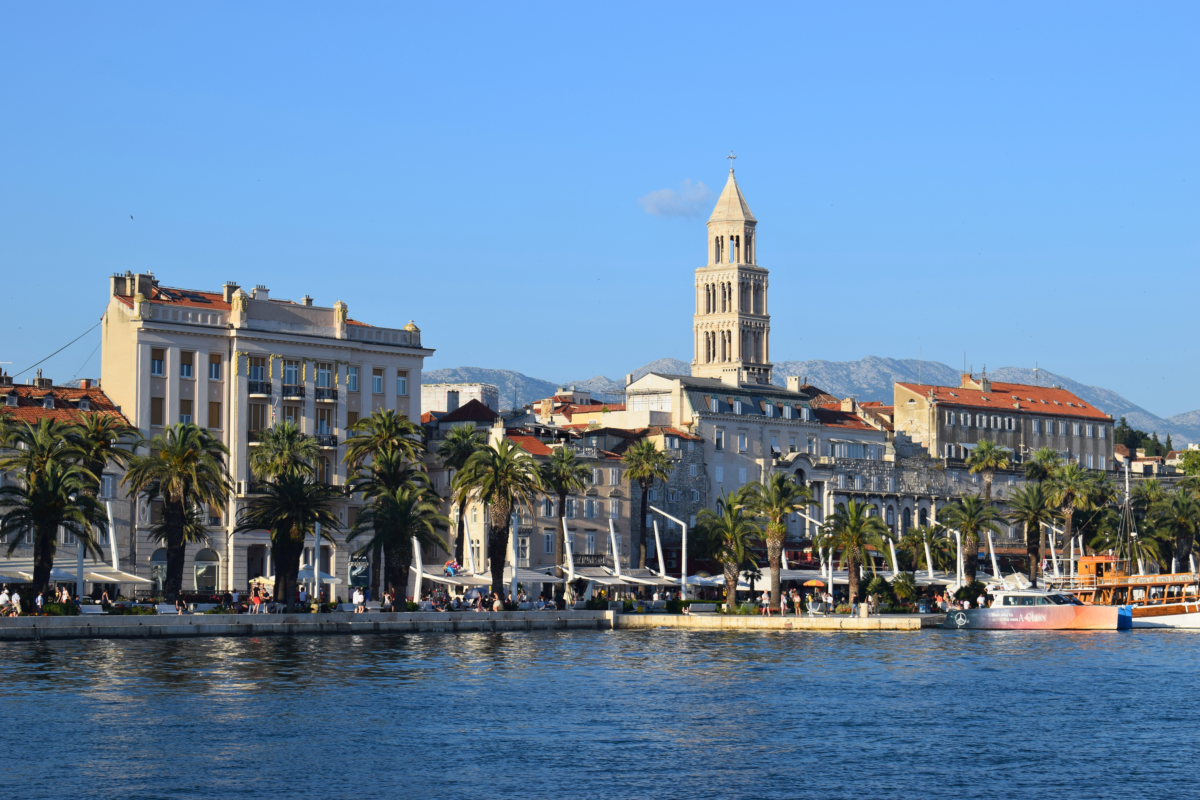
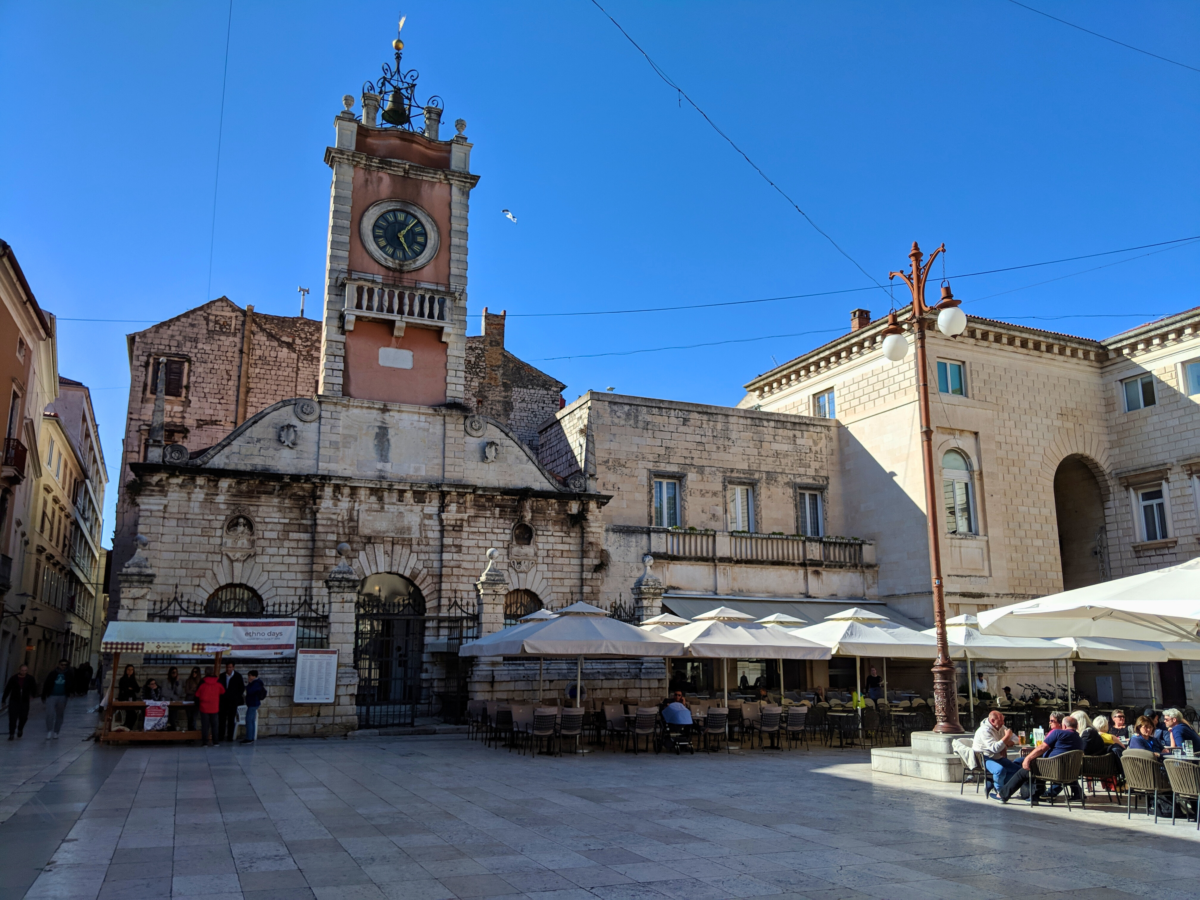
Much like Greece, Croatia is at its most affordable on the mainland. But it comes with a few caveats. Destinations like Dubrovnik, Split, and Rovinj become very expensive in summer. What’s great about the Croatian coast is that you can easily take a day trip to see the UNESCO-protected city walls of Dubrovnik or Diocletian’s Palace in Split, without staying in the astronomically priced hotels there.
Zadar, in North Dalmatia, is among the most affordable beach towns on the coast. The stunning Šibenik Riviera, including Vodice and Brodarice, is another fantastic, wallet-friendly coast. Finally, Makarska Riviera offers a perfect balance between budget-friendly accommodation (especially apartments in Baška Voda) and proximity to top attractions, such as Plitvice Lakes, Dubrovnik, and Split. You can expect nightly prices between €30 and €80 at budget and mid-range properties.
As for the islands in Croatia, the bigger it is, the better for your budget. Krk, with a bridge to the mainland and an international airport, is the best value. Its neighbors, Rab and Cres, also offer gorgeous coves and pretty beach towns with smaller paychecks than Hvar or Vis. Another affordable island destination is the Zadar Archipelago, especially its largest island, Ugljan.
Food and Drink
Winner: Greece
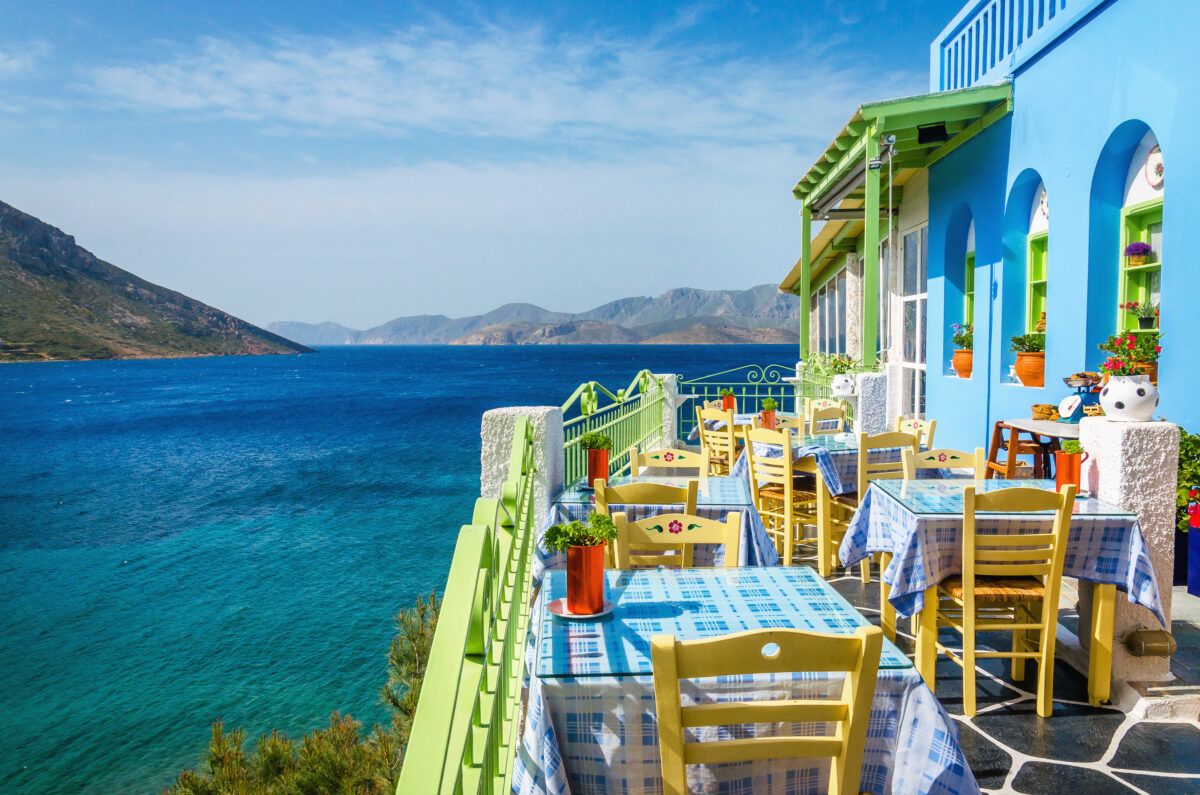
Dining out in Greece is generally cheaper than in Croatia. In recent years, with the adoption of the euro, the prices in Croatia have increased dramatically. You can still eat on a budget, but it’s more difficult now.
Street food
Gyros (grilled meat in a pita) and souvlaki (grilled meat skewers) rule the street food scene in Greece. They are also extremely well-priced – expect to pay between €4.00 and €6.00 for a mouthwatering portion. In Croatia, street food is mostly about pekaras, the bakeries, serving the local favorite burek. You will rarely pay over €3 for this yummy stuffed pastry.
Dining out
Restaurant prices have been a painful topic for tourists in Croatia and Croatians themselves for a few years now. I know that because I have been vacationing in this Adriatic country every summer since 2008. The local cuisine is fantastic—fresh Mediterranean catch, high-quality meat, and aromatic olive oil—but the prices can raise eyebrows at times. But if you stick to the more affordable coasts and don’t go to the smack-central restaurants, you’ll be fine. Look out for konobas, the traditional tavernas, serving all the Croatian classics. Expect to pay €30-€50 on average for dinner at a budget restaurant.
As for Greece, the average dinner price per person is lower, usually between €20 and €30. The staple of local cuisine, the Greek salad, is around €7.00 to €10.00 in budget and mid-range restaurants. The best place to dine well and affordably is a taverna. The less touristy it looks, the better for your wallet. Mezze, or the shared appetizers, is a great aspect of Greek dining culture and a way to save money.
Drinking and going out
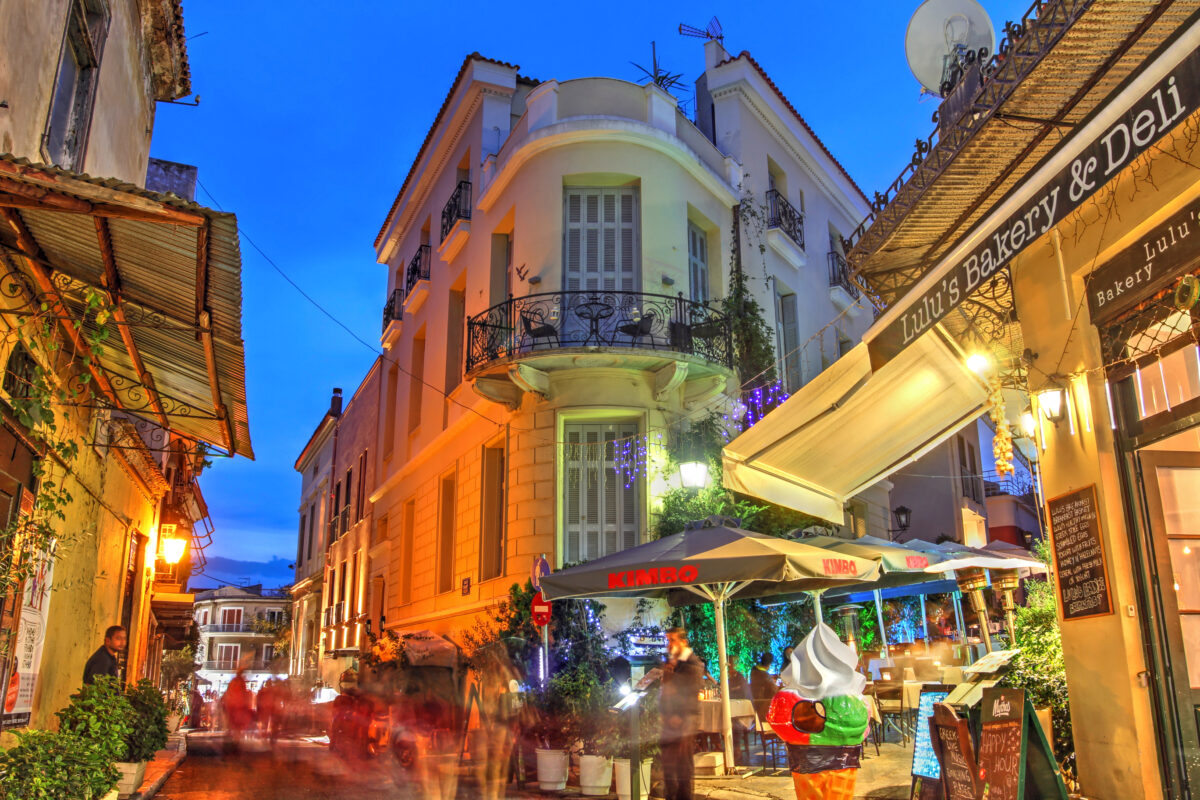
Both countries have long-running wine-making traditions. In Greece, drinking locally produced wine will be cheaper—many restaurants offer the house wine option (ντόπιο, or ntópio, in Greek, pronounced “tho-pio”). The prices rarely go over €15 for a liter. In Croatia, the same approach exists (called domaće vino), but it’s rarely practiced in tourist centers.
Going out is generally comparable in both. The difference is that Greece has Mykonos and Santorini, which are among the most expensive destinations in the Mediterranean for partying. If you’re going to a cocktail bar or a nightclub there, expect to pay premium prices. In Croatia, Dubrovnik and Hvar Town are the high-end alternatives, but they never reach the level of luxury of the Greek Cycladic counterparts. Always ask for the price of the drinks at touristy spots before ordering.
Getting Around
Winner: Croatia
Getting around Croatia is cheaper than in Greece overall. The main reason is that it’s a smaller country. On the mainland, all the coastal cities are connected by intercity bus routes. The main companies, FlixBus and Arriva, often offer very competitive prices, and you would rarely pay over €25 for a ride. Croatia’s most famous natural attraction, the Plitvice Lakes, is also easily reached by bus. There’s also an affordable train which links Zagreb to Rijeka and Split.
If you’re traveling through mainland Greece, the picture is similar. You’ve got a well-priced network of KTEL intercity buses, allowing you to move around the country. A train is another option for getting to the Olympic Riviera towns and traveling from Thessaloniki to Athens. Every major island has intercity buses to move around.
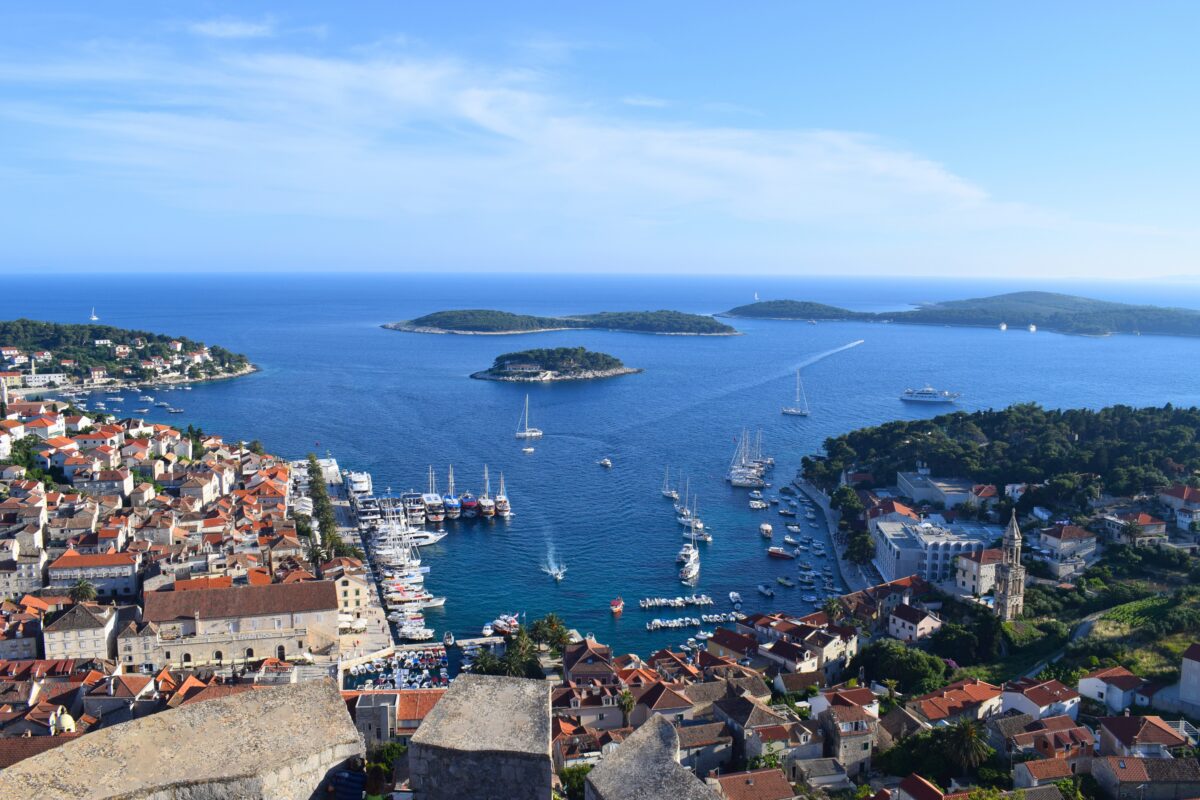
The main price difference is in the ferries. Croatian islands are close to the mainland, and the boats are cheaper. In Greece, distances between the islands and from the mainland to most island destinations are greater. Pricing in the high season is also dynamic, meaning you will pay even more for popular routes. For instance, a 2-hour regular ferry ride from Mykonos to Santorini costs around €79 in July.
Beach Expenses
Winner: Greece
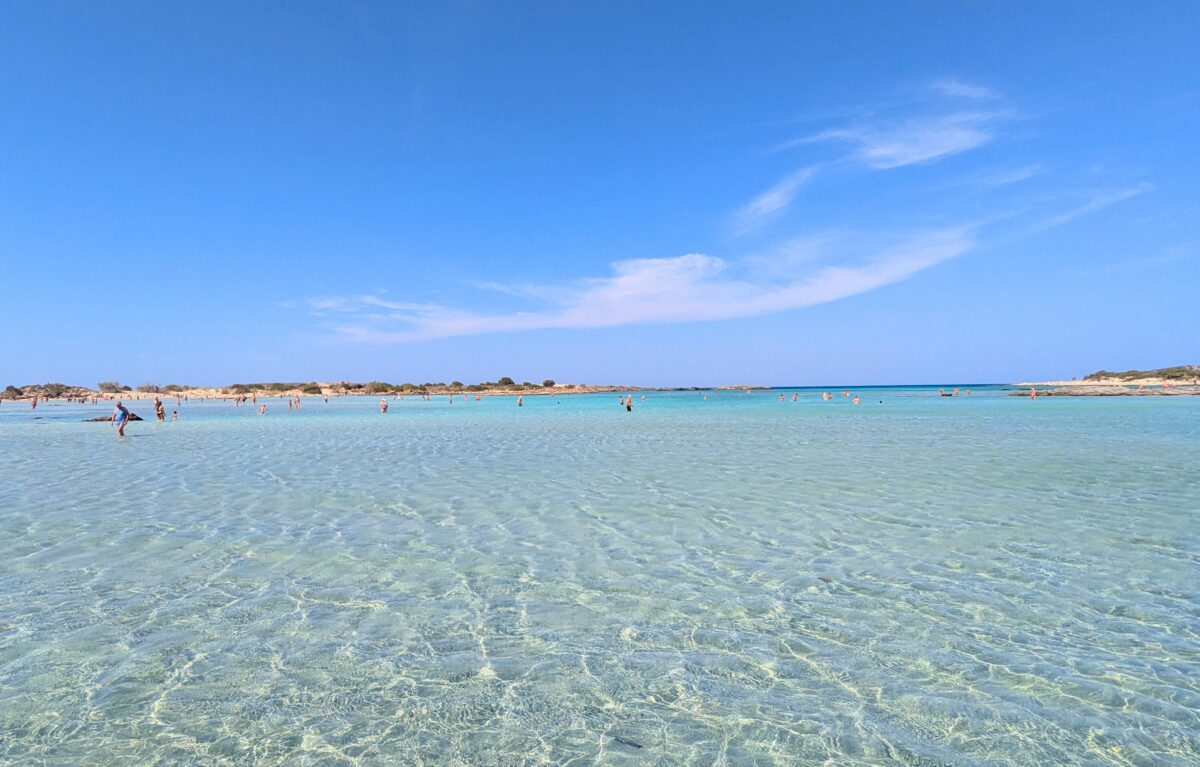
Most beaches in Croatia are pebbly. Greece offers a very diverse coastline, where you can find dreamy white-sand bays, long golden-sand stretches, and pebbly shores. You can easily enjoy the beach for free in both countries. However, if you want a beach club experience, a holiday in Greece offers better value.
First of all, Greek beach bar culture is more developed than Croatia’s. Then, there’s also a “free with a drink” model, where the seaside bars allow the use of loungers and umbrellas gratis if you order a drink or a snack. In Croatia, such generous offers are less common, and the beach establishments usually charge a daily rental fee. If you are fine with just lounging on a towel, both countries are perfect.
Sightseeing
Winner: Greece
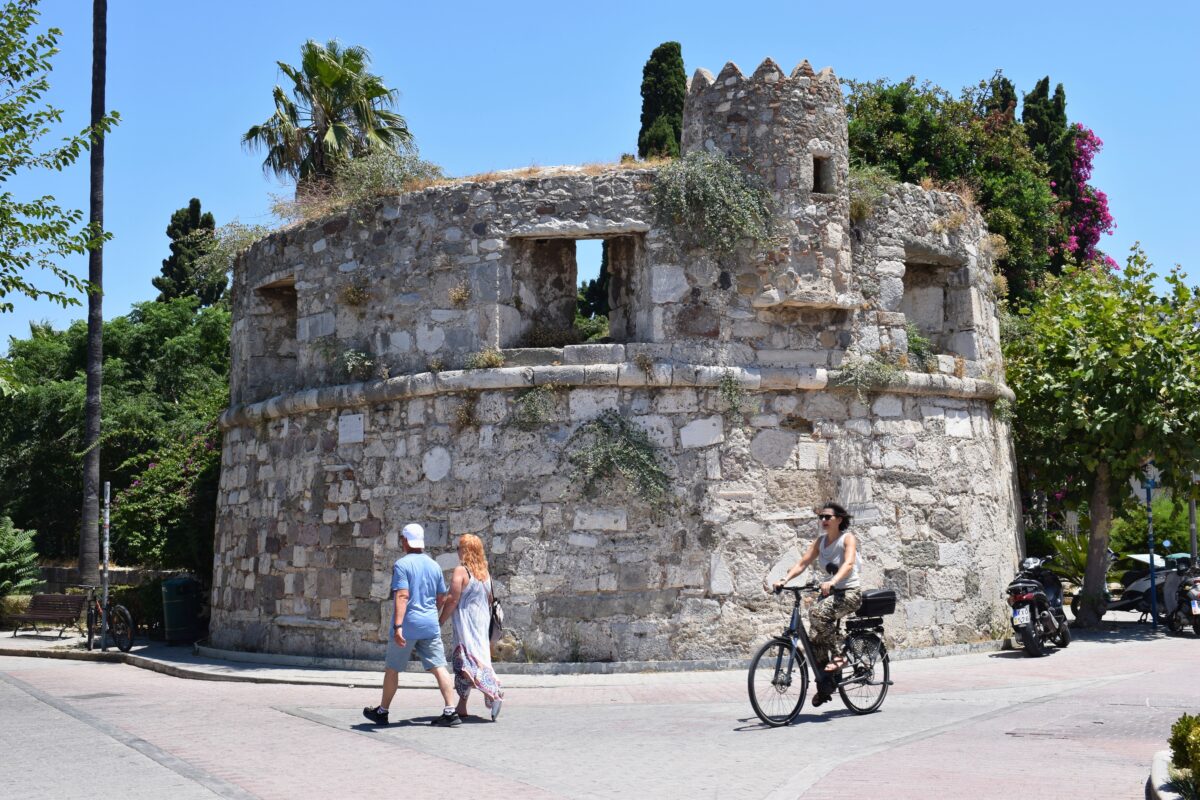
Greece is one of the world’s most exciting countries for historic exploration. It’s generally regarded as the birthplace of Western civilization, giving the world theater, architecture, philosophy, and poetry. While Croatia has its own share of beautiful sights, it simply can’t compete in historic significance with the Acropolis of Athens, the ancient city of Delphi, or Olympia.
On top of that, Greece is more budget-friendly for sightseeing. Croatia has recently increased the admission prices to its most visited attractions. Entering the Acropolis in Athens is €30, while the entry ticket to Dubrovnik Walls is €40. Both the Archaeological Site of Delphi and the Knossos Palace in Crete have an admission price of €20, while Croatia’s top national parks, Plitvice and Krka, raised their entry to €40 during high season.
Such a steep increase in costs in Croatia is explained by overtourism. In any case, Greece remains a well-priced destination for sightseeing. The same goes for the activities.
Top Money-Saving Tips in Croatia and Greece
- When island-hopping, opt for regular ferries. They are usually slower, but much better priced than the fast-boat options. My go-to approach to buying a ferry ticket is to check which ferry company operates the route I am taking and then purchase my ticket directly from their official website. The main operators in Greece are Blue Star Ferries, Seajets, and Minoan Lines. In Croatia, it’s Jadrolinija.
- Shoulder season (April, May, September, October) is when you get the lowest prices on everything in both countries.
- Avoid restaurants and bars that don’t list prices on the menus outside. Usually, those are the tourist traps. Avoid the establishments right next to the famous attractions.
- Check the tourist cards in popular destinations to save on sightseeing and activities. This includes, for example, the 1-Day Dubrovnik Pass, Thessaloniki 3-Day Combined Museum Pass and SplitCard. There’s also a Eurail Greek Islands Pass that helps you pay less for ferry-hopping.
Which Is Better Budget Travel: Greece or Croatia?
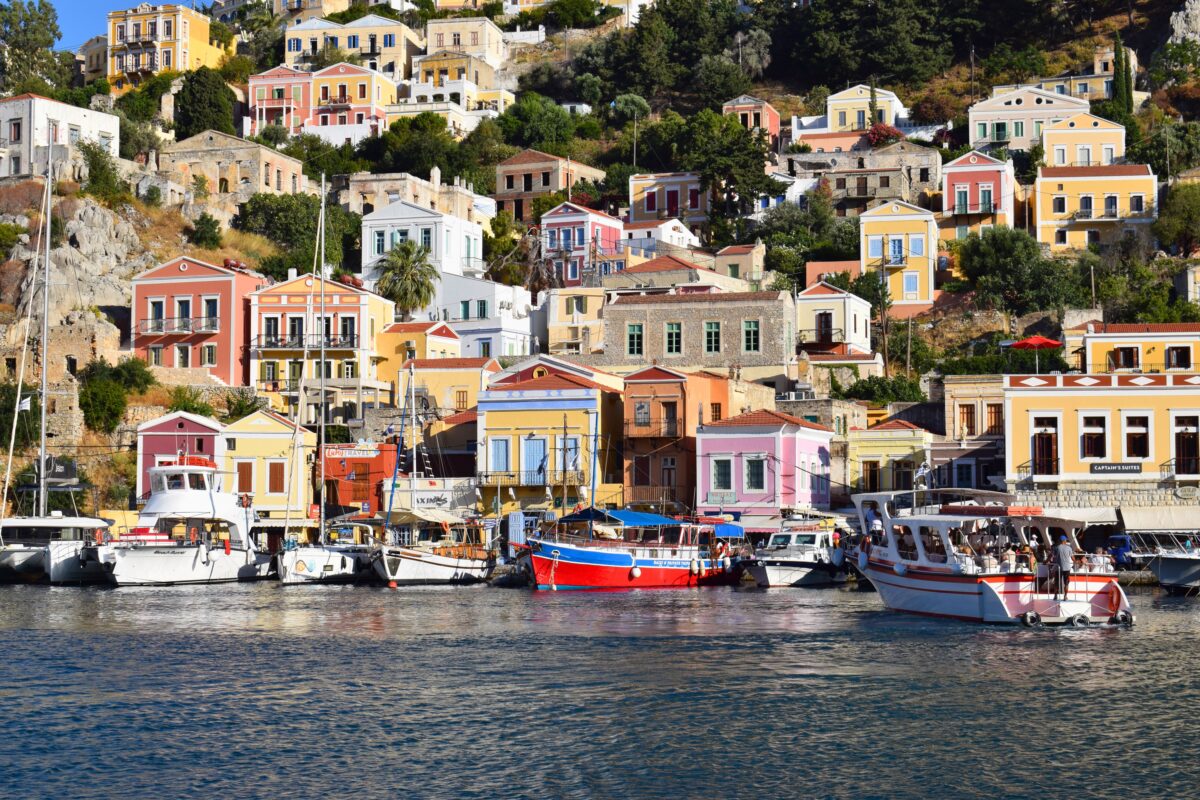
Greece is the better option for budget travel over Croatia. It offers a wider choice of accommodation, more attractive dining prices, affordable drinking, and very cheap street food. Traveling by ferry can sting your budget, but you can always choose the wallet-friendly mainland destinations. Beachgoing is also better priced in Greece, with a “free with a drink” beach club model.
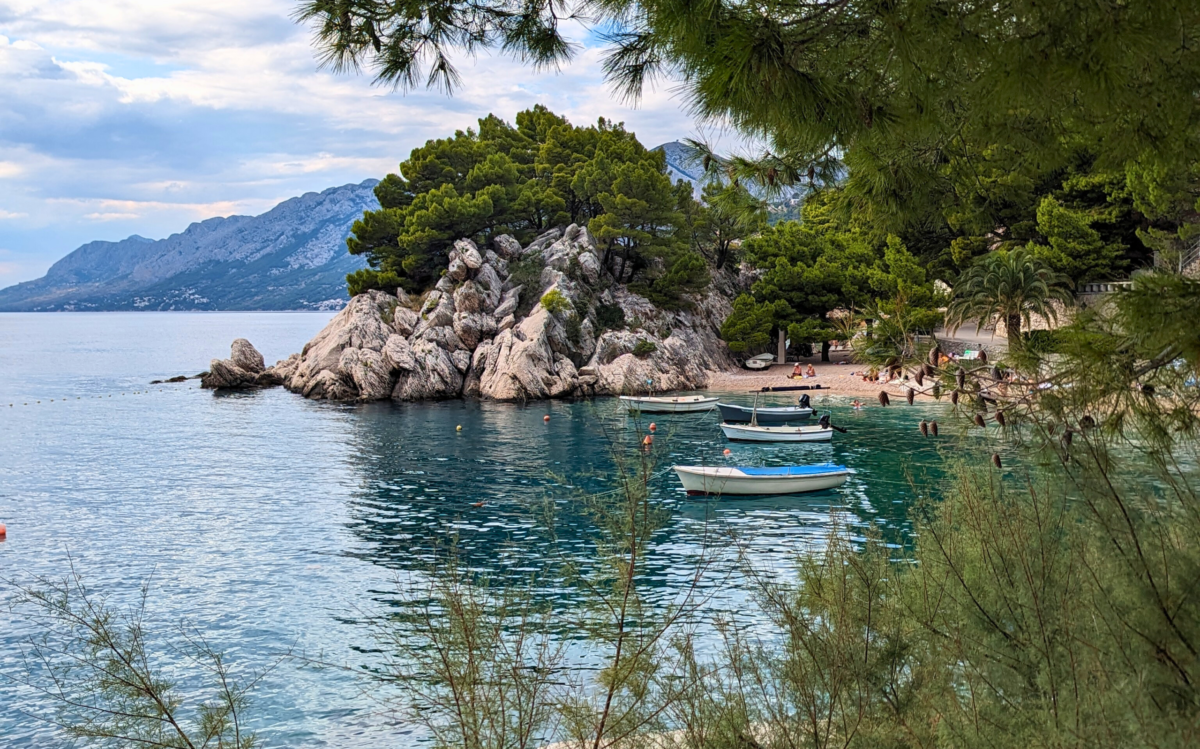
That is not to say that Croatia is far behind. The Adriatic country is a fantastic place to vacation, offering turquoise beaches, many beautiful islands, and a charming mainland coast. You will enjoy an affordable holiday if you stick to lesser-known regions, such as North Dalmatia, Šibenik Riviera, and Makarska Riviera. If you plan to visit Dubrovnik, Istria, or Hvar, keep an eye out for the prices in touristy areas.