
After a week spent navigating Tokyo’s high-rises and Kyoto’s busy temples, Yakushima was exactly what I needed to disconnect from the neon lights and plug into nature.
On the short flight over to the island, located off of Japan’s southwestern coast, a flight attendant walked down the aisle and handed each passenger a laminated sheet. It was a map of the islands below—so we could identify them through the window. It was such a small, thoughtful gesture, and one that immediately made me feel like I was going somewhere special.
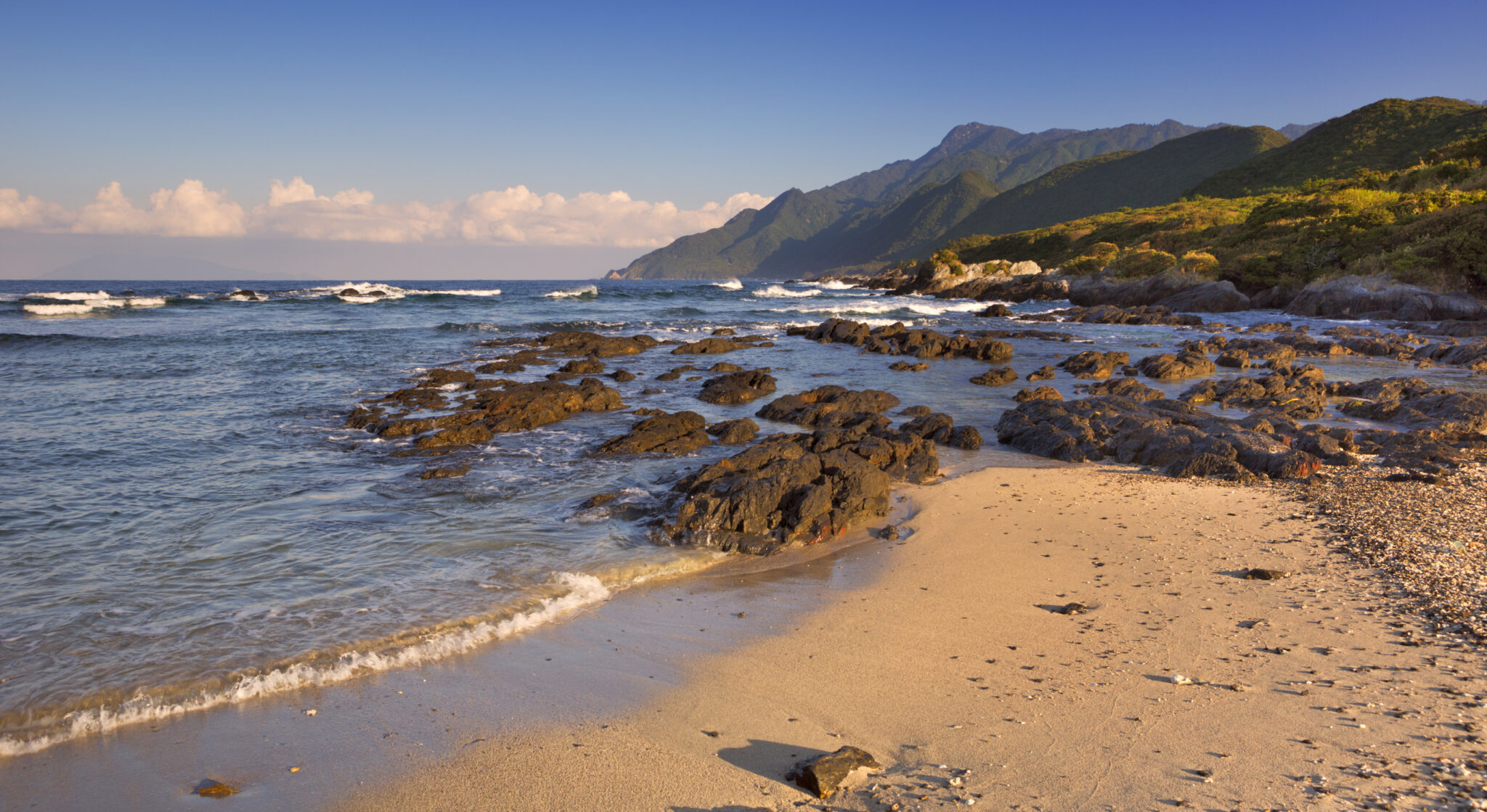
Yakushima is a mountainous island with a spectacular coastline, home to ancient cedar forests that look straight out of a fairytale.
During my time there, I could count on one hand the number of other Western tourists we ran into. This may explain why the women at the car rental office greeted us with such genuine excitement. It felt like a stark contrast to the quick and efficient interactions in the big cities I had just left behind, and a warm welcome to a much slower-paced side of Japan.
What is Yakushima Known For?
I confess I had never heard of Yakushima Island before my friend spontaneously added it to our Japan itinerary, saying she had read that it was a beautiful place full of hikes and ancient trees.
For most travelers, Yakushima is best known as the island whose moss-covered forests are widely believed to have inspired the landscapes in Hayao Miyazaki’s Princess Mononoke.
The island became one of Japan’s first UNESCO World Heritage Sites in 1993, thanks to those ancient forests home to yakusugi cedar trees aged over 1,000 years.
Where is Yakushima?
Yakushima is located in Japan’s Kagoshima Prefecture, off the southern coast of Kyushu, the country’s southernmost main island. Despite covering just 195 square miles, Yakushima rises nearly 6,400 feet above sea level, which gives it an extraordinary range of ecosystems, from a subtropical coastline to cool, misty cedar forests and alpine peaks.
How to get there
Flying to Yakushima ended up being one of my favorite parts of the journey. I flew straight there from Osaka, during which the flight attendant handed out the map of the land masses below.
You can also reach the island in about three to four hours from Tokyo, via a short connection in Kagoshima. There’s also the option of taking a ferry from Kagoshima.
Although it’s just a short flight or ferry ride away, Yakushima feels remarkably remote. There are only around 10,000 residents and far fewer international visitors than in places like Kyoto, Osaka, or Tokyo.
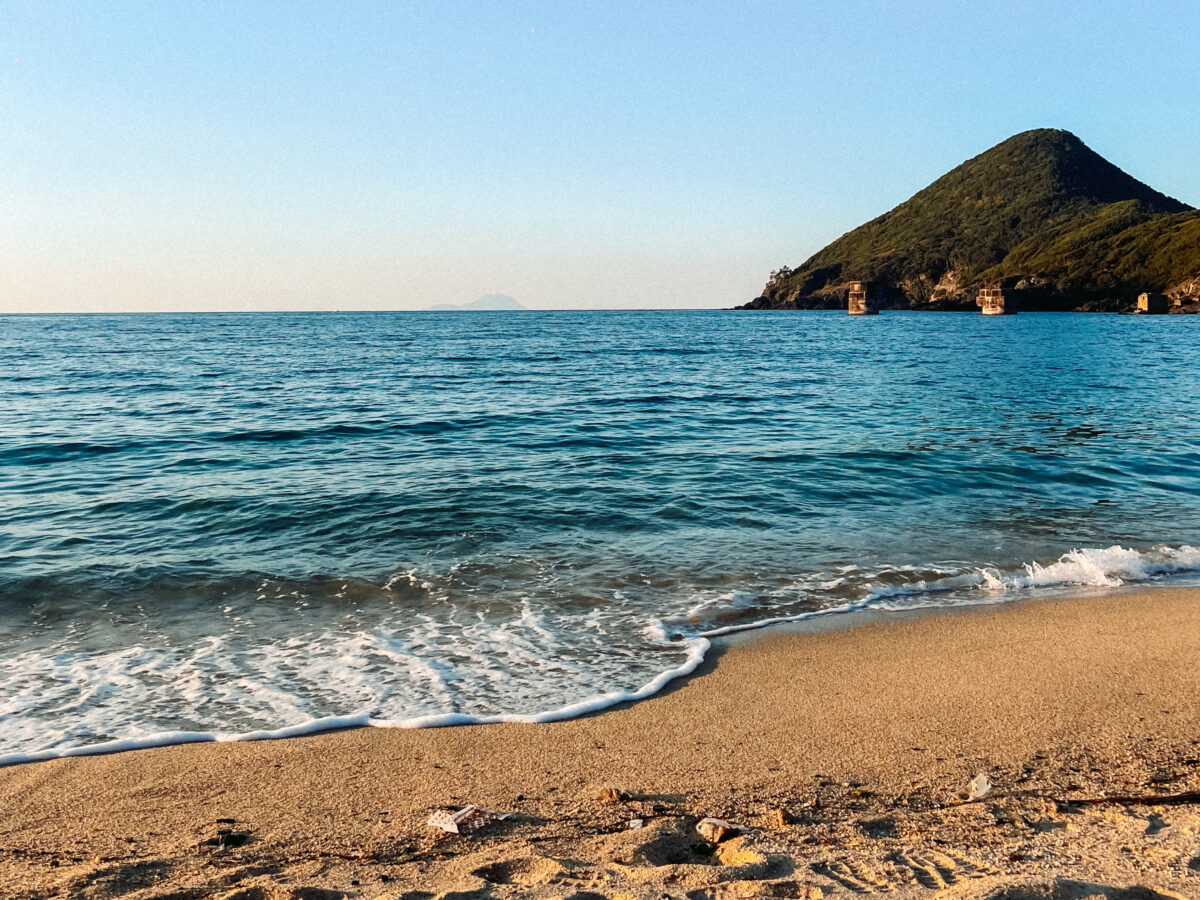
Best Beaches on Yakushima Island
Nagata Inakahama Beach
Best for: Sea turtle watching, sunsets, nature lovers
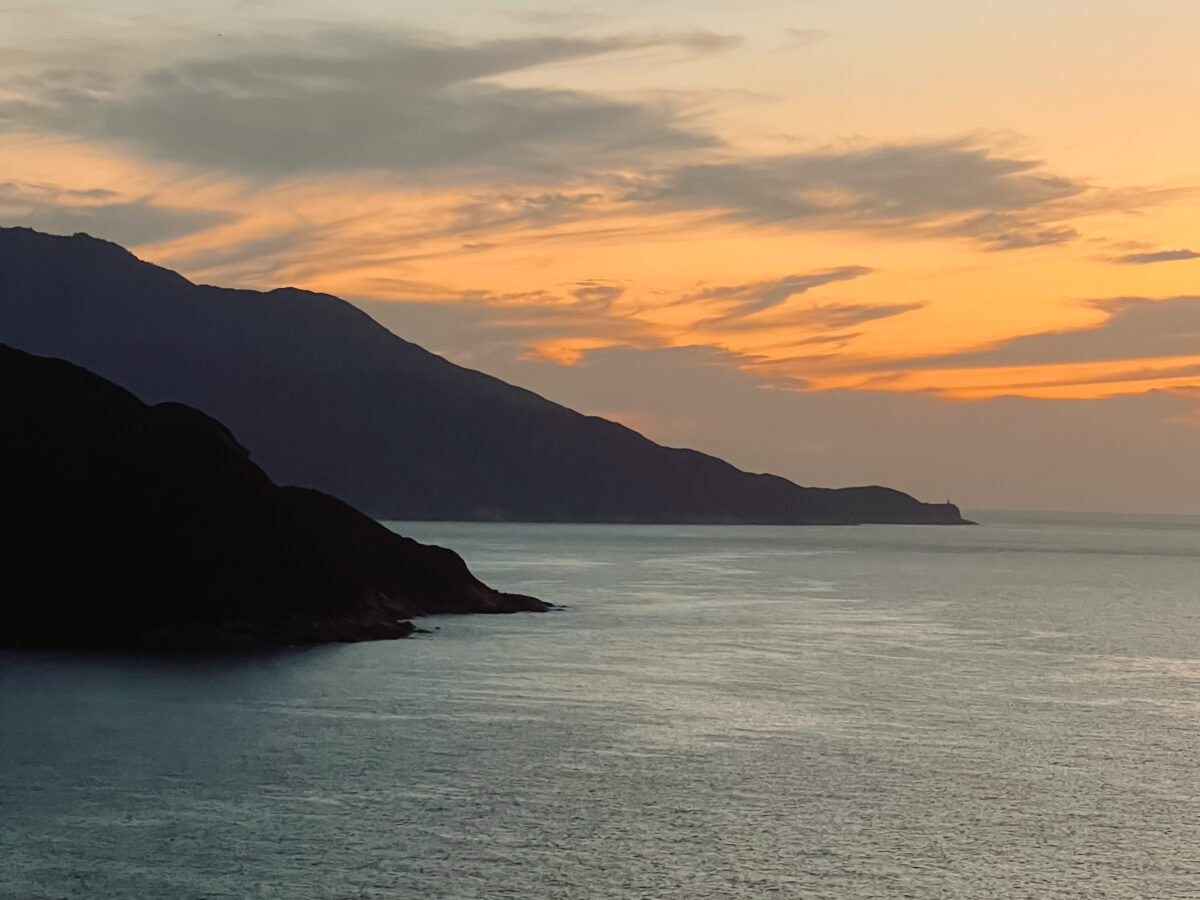
The island’s most famous beach is also one of the most important loggerhead sea turtle nesting sites in the North Pacific. From May through July, thousands of turtles come ashore to lay their eggs. Outside of turtle season, it’s a beautiful stretch of pale sand backed by forest, making it a peaceful place for a walk or sunset.
Isso Beach
Best for: Swimming, snorkeling, relaxing
Isso Beach has clear turquoise water, soft sand, and relatively calm conditions that make it good for swimming. It’s also popular for snorkeling thanks to its water clarity and rocky reefs just offshore. I spent a whole afternoon here wandering down the rocky shoreline collecting beautiful sea glass.
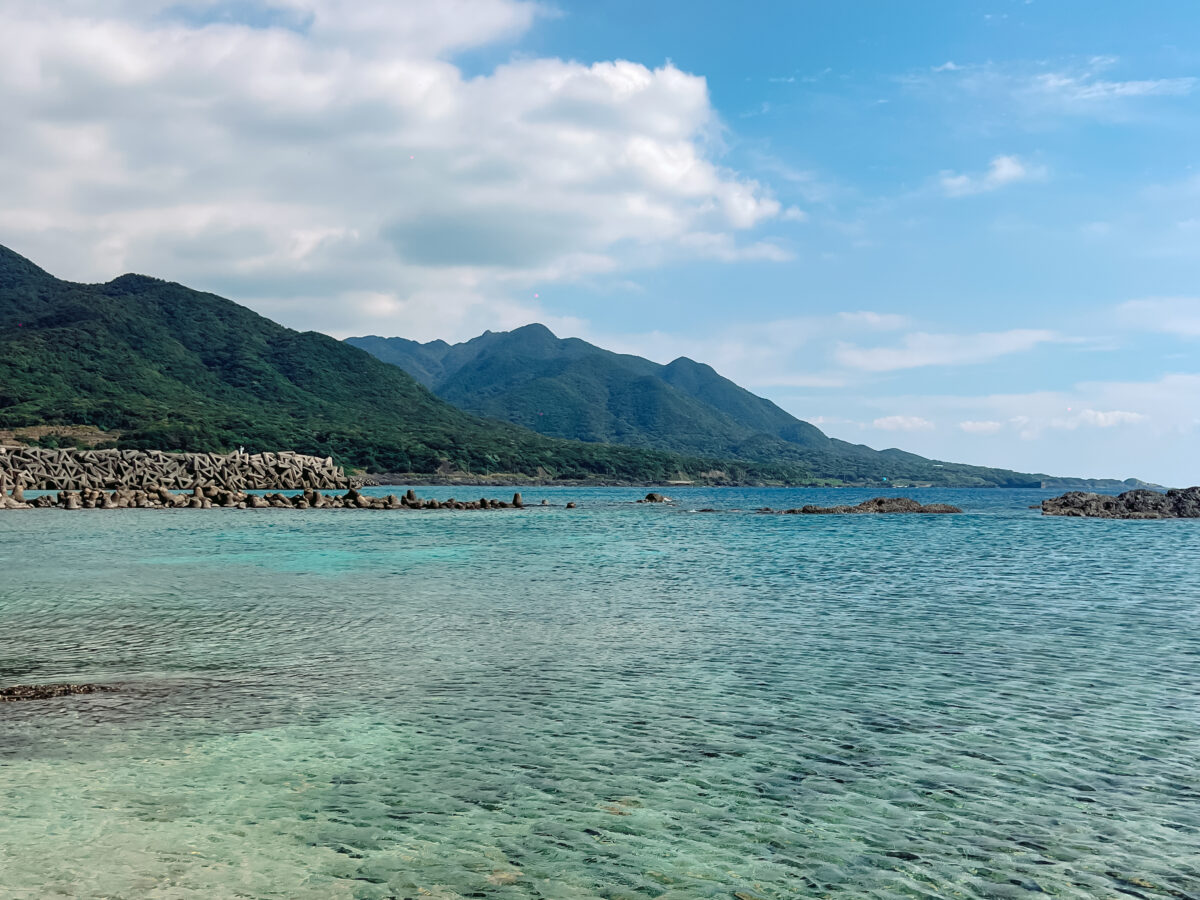
Kurio Beach
Best for: Scenic drives, photography, natural pools
Located along Yakushima’s scenic southwestern coast, Kurio Beach is less about swimming and more about the setting. The drive here is spectacular, with lush mountains meeting the Pacific and very few other visitors around. At low tide, the rocks reveal a series of clear natural tide pools. Nearby Tsukazaki Tide Pool is also one of Yakushima’s best spots for snorkeling.
Harutahama Beach
Best for: Families, swimming, easy access
Near the town of Anbo, Harutahama is a broad sandy beach popular with locals. During summer it’s one of the better places on the island for swimming.
Hirauchi Kaichu Onsen
Best for: Onsen lovers, unique experiences
While technically not a beach, this famous seaside hot spring overlooks the Pacific Ocean and is one of Yakushima’s most memorable coastal experiences. The public onsen is accessible only for a few hours around low tide, and swimsuits are not allowed, making it a uniquely Japanese experience.
Things to Do Beyond the Beach
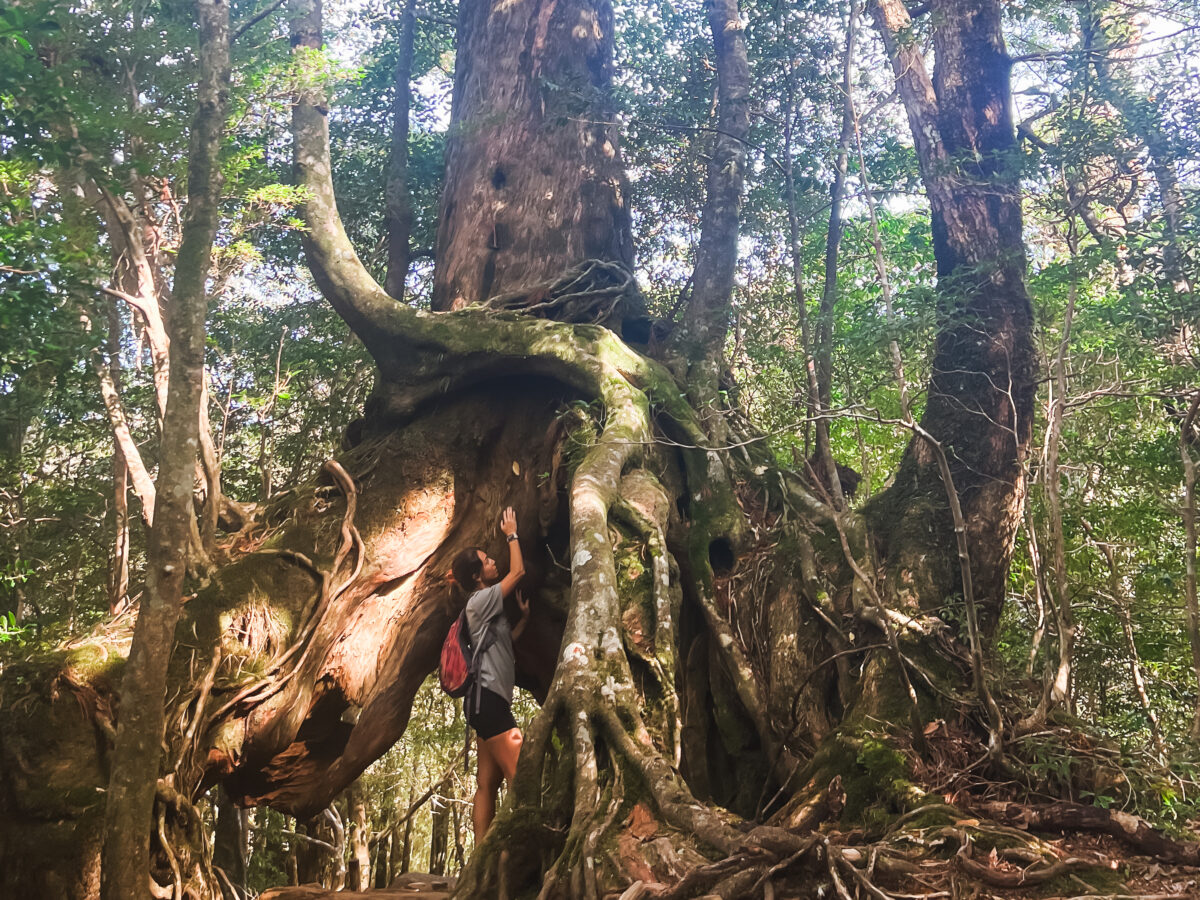
Hike through ancient cedar forests
Yakushima is home to some of Japan’s oldest living trees, including Jōmon Sugi, a massive cedar estimated to be between 2,000 and 7,000 years old. Reaching it requires a challenging 10-hour, 13.7-mile round-trip hike.
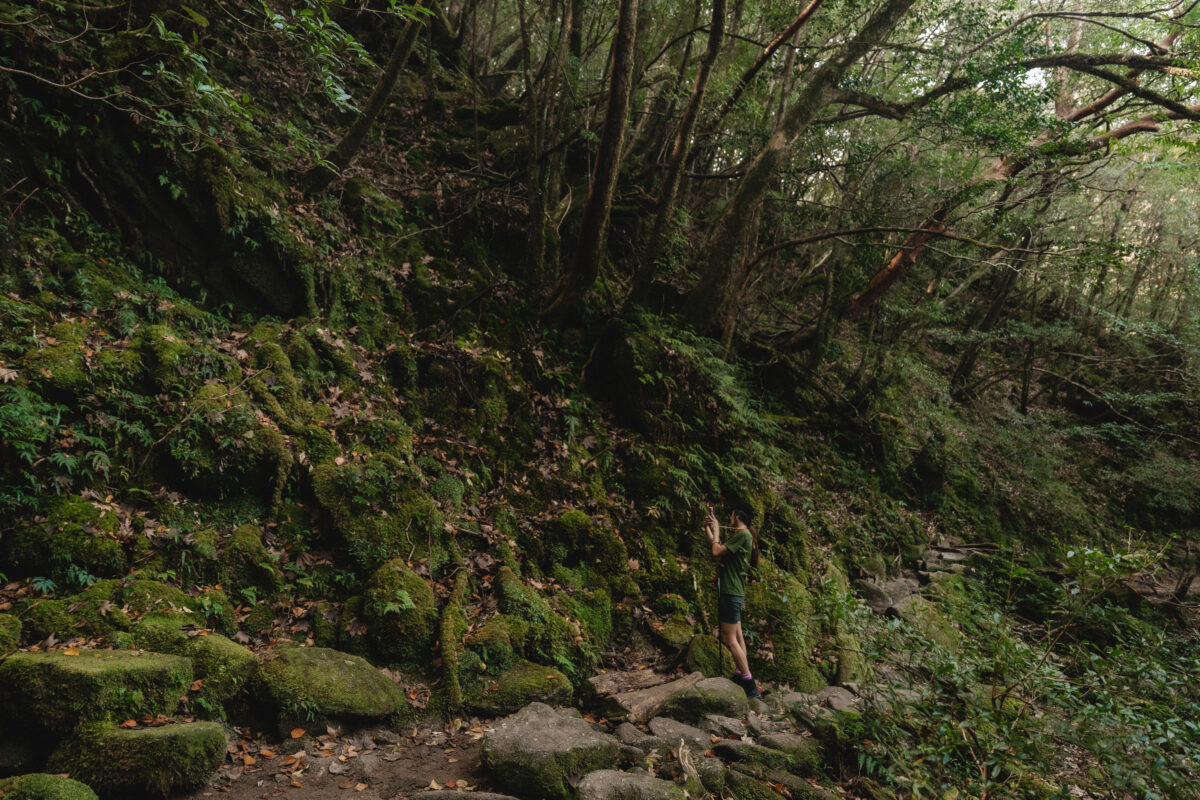
During my visit, I chose a shorter hike through Shiratani Unsuikyo. The trail wound through a forest so lush that every boulder and cedar trunk seemed coated in bright green moss. The end-point was Taiko-iwa, a granite overlook with panoramic views across the island’s mountains.
Visit a waterfall
With more rainfall than almost anywhere else in Japan, Yakushima is filled with spectacular waterfalls. The most famous is Ōko-no-taki, an 88-meter cascade ranked among Japan’s top waterfalls.
Spot monkeys and deer
One of my favorite memories from Yakushima was driving along the island’s western coast and finding monkeys and tiny deer calmly sharing the road. Because much of the island is protected and wildlife has long coexisted with relatively few people, the animals were remarkably relaxed around us.
Drive the island’s scenic coastal road
The road circling Yakushima takes about three hours without stops, but you’ll want to allow much longer. Along the way you’ll pass waterfalls, dramatic ocean viewpoints, quiet villages, rocky beaches, and forests. Renting a car is by far the best way to experience the island.
Visit the Yakushima Environmental Culture Village Center
The visitor center is a great introduction to the island’s geology, wildlife, climate, and UNESCO World Heritage status. It’s especially fun to visit before heading into the forests.
Where to Stay
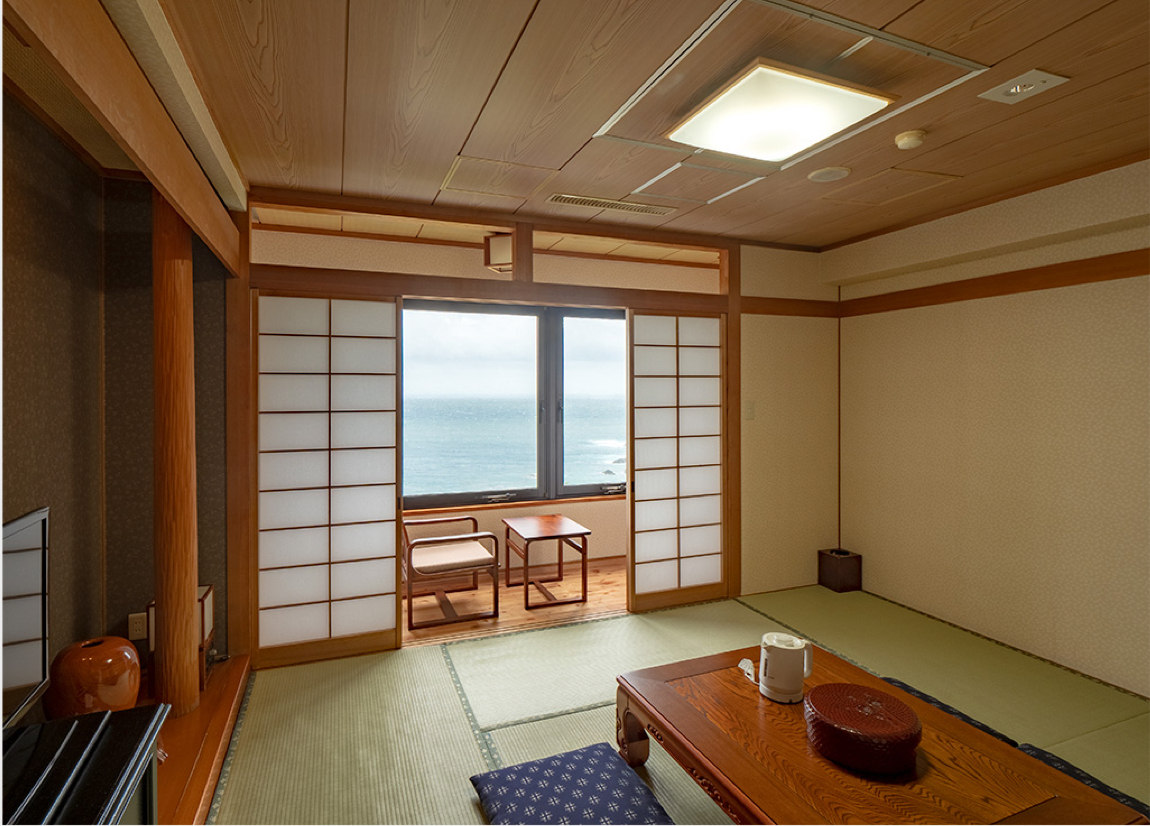
The Hotel Yakushima Ocean & Forest
Based on my stay here, I’d happily recommend The Hotel Yakushima Ocean & Forest to first-time visitors looking for a comfortable base to explore the island. I stayed in a traditional Japanese-style tatami room, sleeping on a futon spread across the woven straw floor instead of a Western bed. It was a simple but memorable part of the experience, and I loved waking up each morning to views of the Pacific before heading out.
One of my favorite parts of the hotel was the onsen. After long days of hiking and driving around the island, I was able to unwind in the spacious public bathhouse. It felt a little intimidating at first, but I was soon happily alternating between the steaming hot baths and the icy cold plunge.
The hotel also has one of the island’s best-equipped souvenir shops, selling locally made gifts, snacks, and hiking essentials. I was especially grateful for the outdoor gear rental counter, where I picked up hiking shoes before my trek.
Best Time to Visit Yakushima
There’s no bad time to visit Yakushima, only different experiences. Thanks to its subtropical climate and tall mountains, the weather can vary dramatically depending on where you are on the island.
One thing is almost guaranteed, though: rain. Locals joke that it rains “35 days a month,” so pack waterproof gear no matter when you visit.
I personally traveled to Yakushima in late October and loved the cooler hiking temperatures, quieter trails, and the contrast between misty forests and sunny stretches of coastline. While heavy rain temporarily closed some mountain roads during my visit, it also made the waterfalls especially spectacular and the forests feel even more alive.
Insider Tips
- Rent a car. Having your own vehicle gives you the freedom to explore the island on your own time.
- Build an extra day into your itinerary. Ferries, flights, and mountain roads can all be affected by weather. Be flexible with your itinerary.
- Don’t feel like you have to hike Jōmon Sugi. The famous 10-hour trek is incredible, but shorter walks through Yakusugi Land or Shiratani Unsuikyo offer the same moss-covered atmosphere with far less effort.
- Keep an eye on wildlife while driving. Yakushima macaques and the island’s small deer frequently wander onto roads, especially along the scenic Western Forest Road.
- Spend time on the coast. Many visitors focus exclusively on the cedar forests, but the island’s coast is truly beautiful.