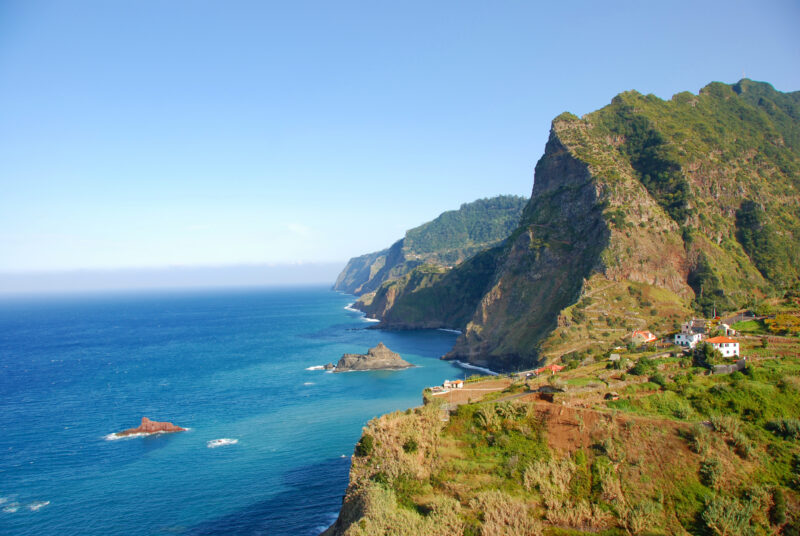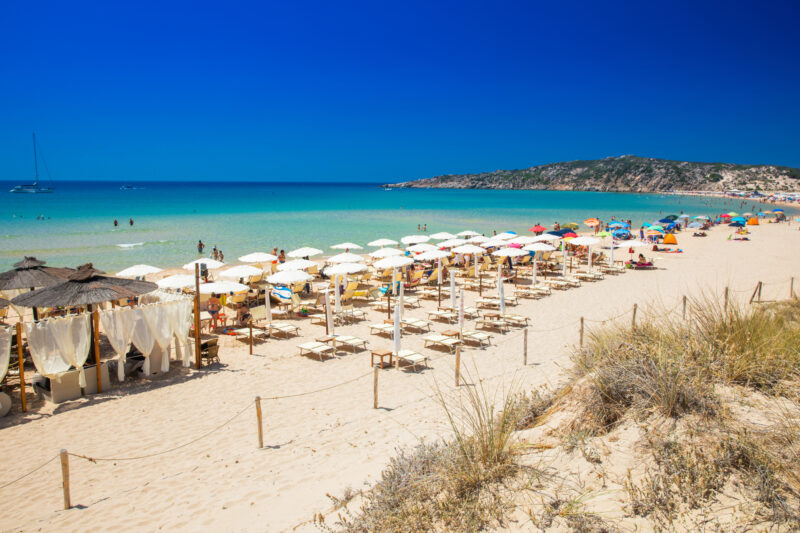

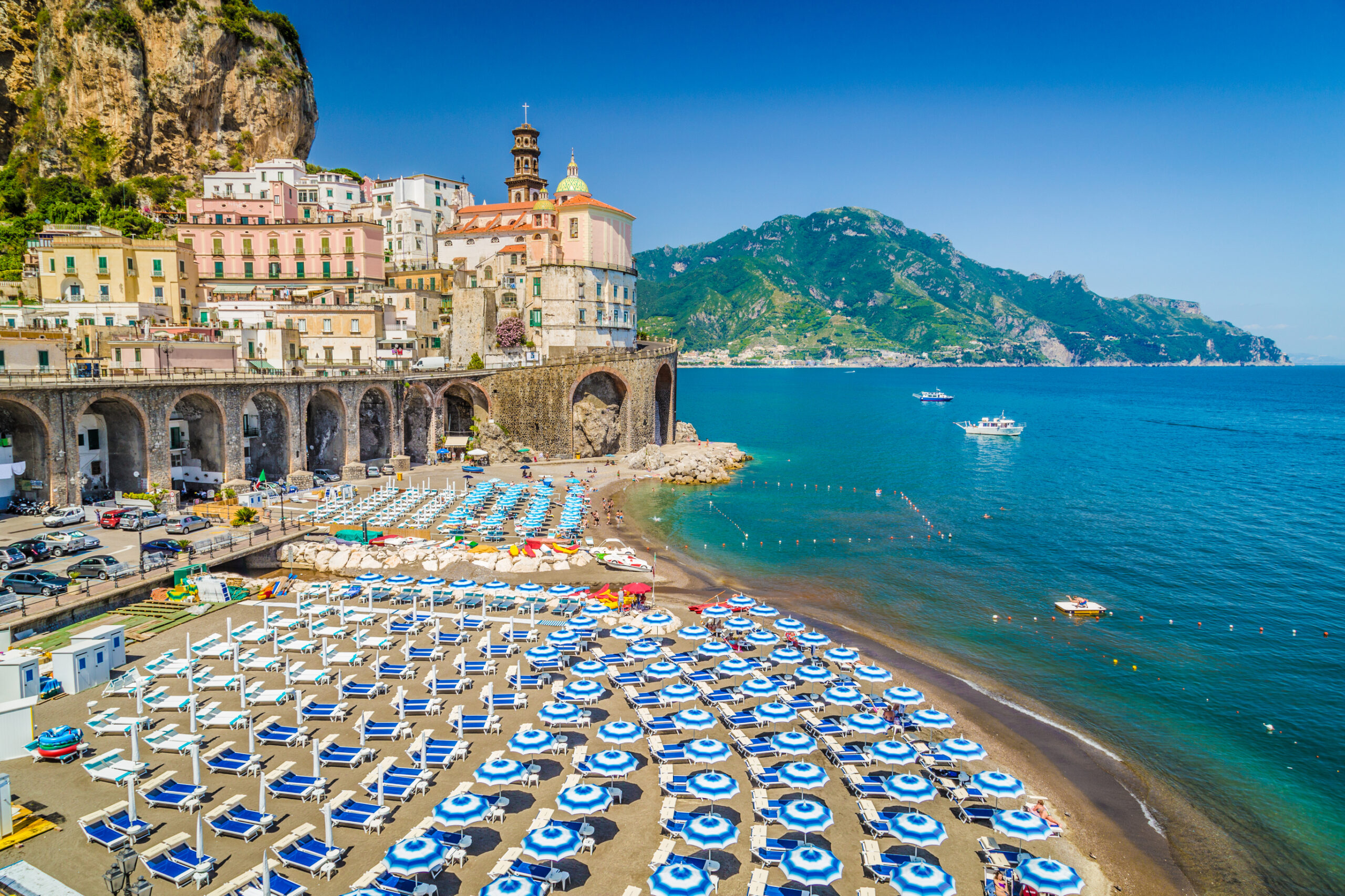
Visiting the stunning Amalfi Coast is one of Italy‘s most unforgettable experiences. This coastal area between Sorrento and Salerno in Campania has long been a magnet for travelers. A jaw-dropping kind of beauty awaits at every corner here—the vertical historic towns, the sublime beaches between the cliffs, the magnificent views on the coastal hikes, and aromatic limoncello and local wines.
There’s another reality in the Amalfi Coast: the overtourism. More than 5 million people visit the region yearly. As the towns are very small, the demand explodes, and accommodation prices reach galactic levels. The same goes for restaurants and cafes. If you don’t follow money-saving tips and visit at the wrong time, you risk spending a lot here. I know this because I have been to the Amalfi Coast multiple times and experienced every season first-hand.
Here are the best tips for doing the Amalfi Coast on a budget.
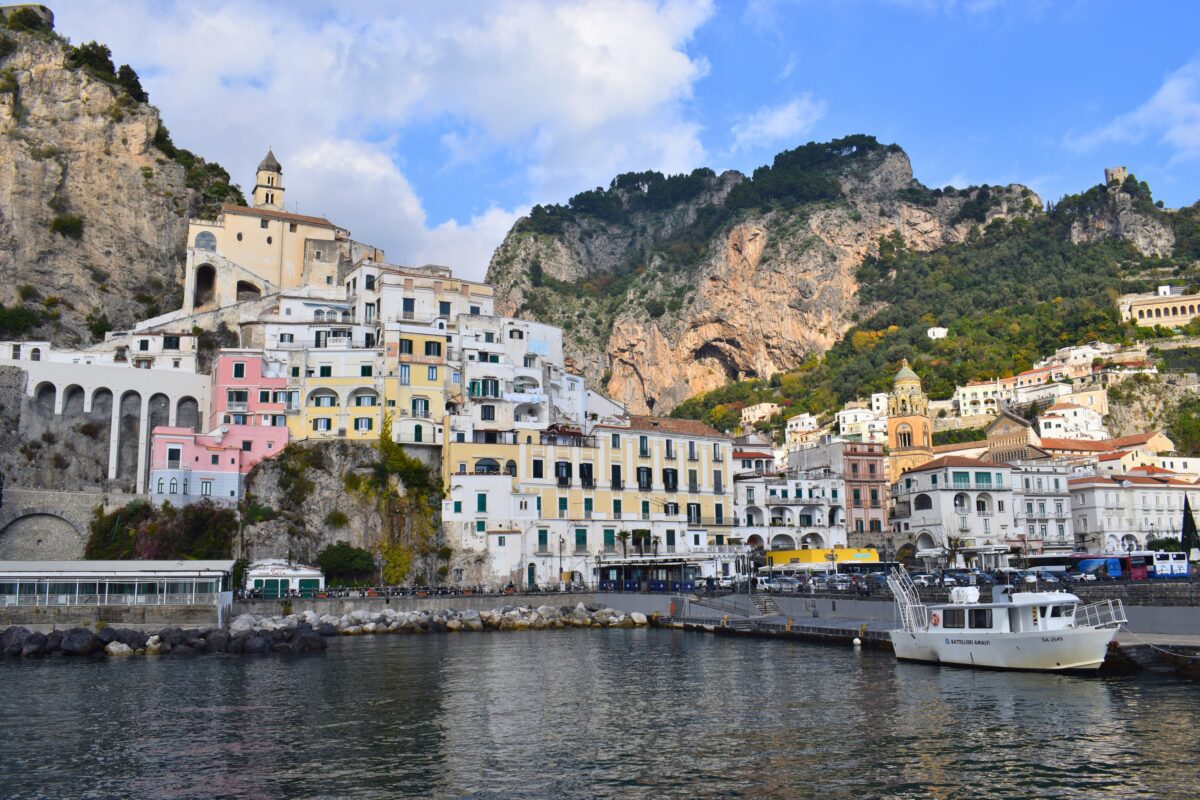
Best Time to Visit
You get two drastically different experiences of visiting the Amalfi Coast depending on the season. May to September is extremely busy. The weather is mostly fantastic, the sea is warm, and the sun constantly shines. But the area gets super crowded, and the prices go through the roof.
Getting around is another constraint. As the Amalfi towns are connected only by a narrow, winding road, budget travelers are left with overcrowded buses. Compared to the low season, you will pay twice, or even three times, the price for hotels and guesthouses. Given that you find a place to stay, as in most popular towns—Amalfi, Positano, Ravello and Atrani—most accommodations will be fully booked.
Shoulder season is an opposite story altogether. Mid-September to November and March to the beginning of May are the best times to visit the Amalfi Coast on a budget. While the sea may not be warm yet, the Mediterranean weather is comfortable and mild.
You’re getting great deals on accommodation, the roads aren’t congested, and you won’t have to fight for a table at a restaurant. Shoulder season is perfect for experiencing the ephemeral beauty of this coast without constantly being surrounded by the thousands of fellow travelers. The Amalfi Coast is at its quietest and most pensive during winter. Many businesses close their doors, but those that cater to locals stay open, giving you an authentic look at a true Amalfi lifestyle.
Where to Base Yourself
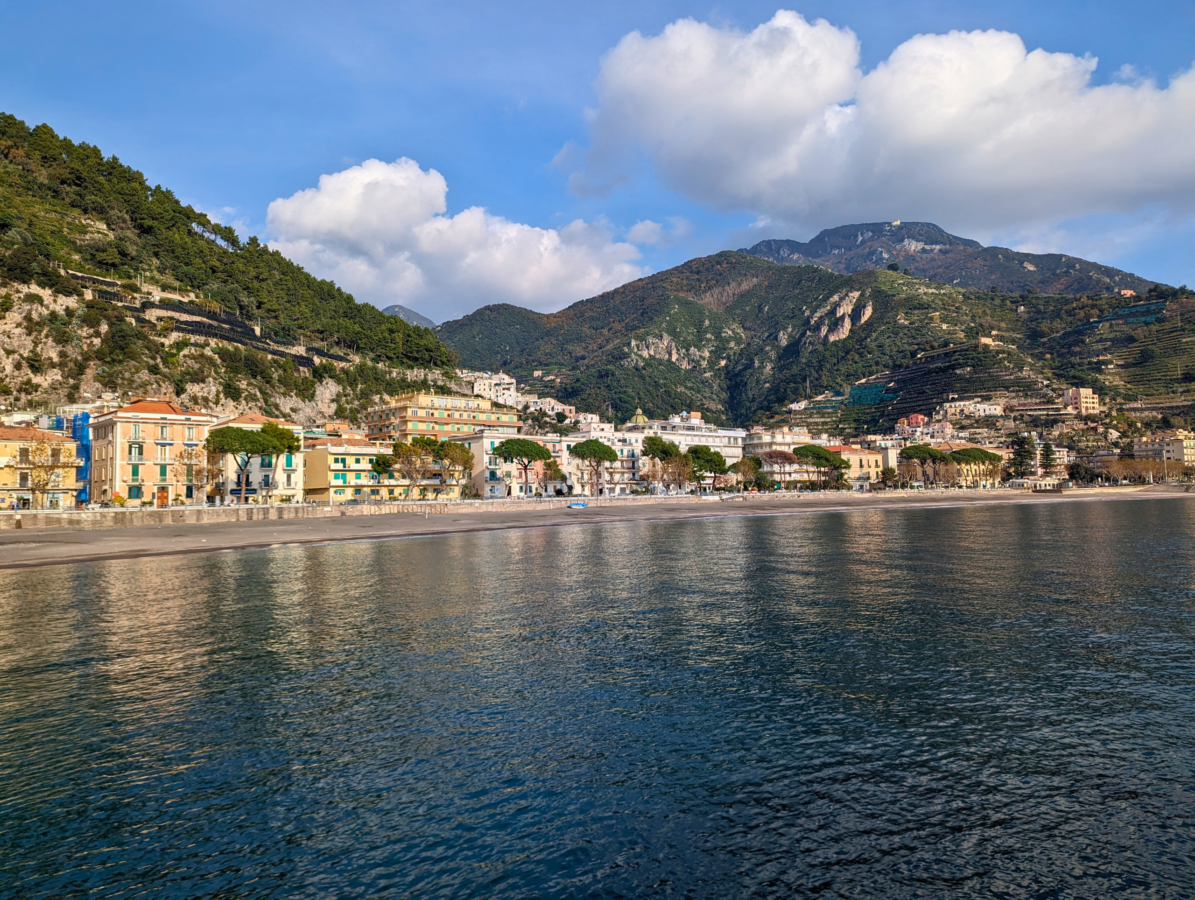
For the cheapest accommodation – Salerno
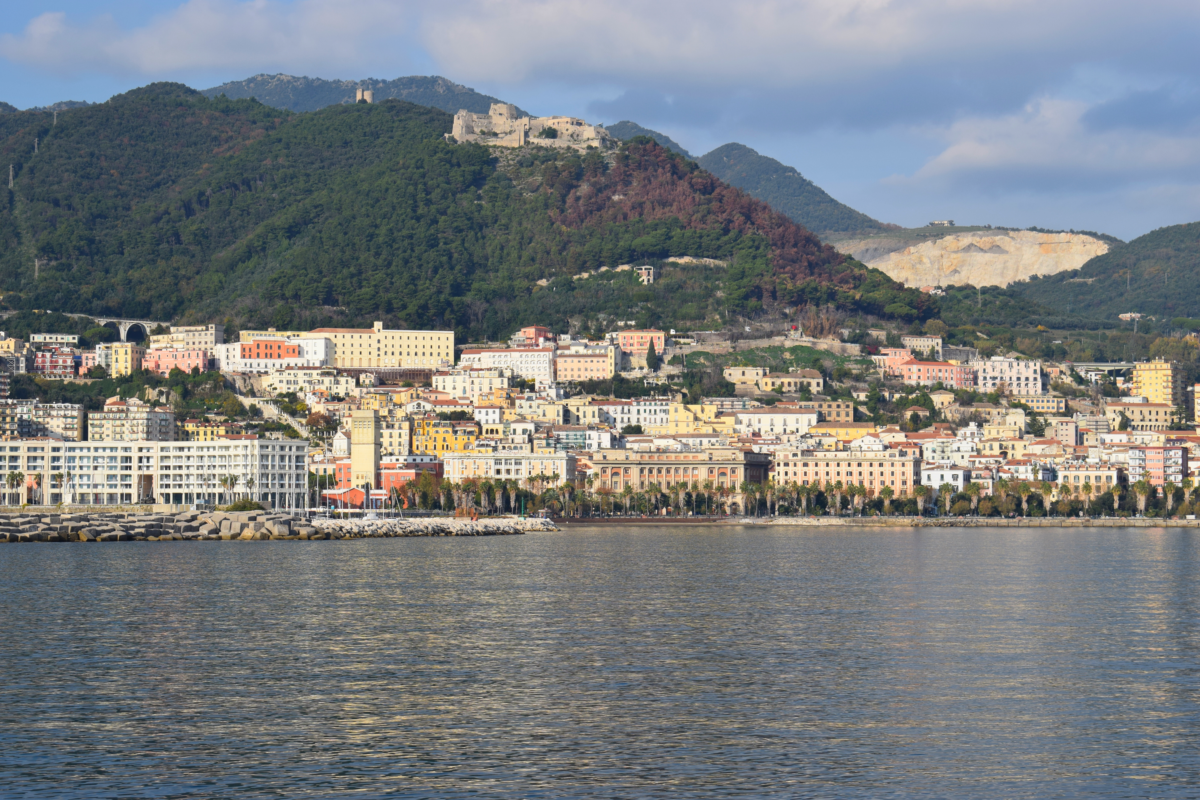
It’s a port town at the eastern boundary of the Amalfi Coast. It offers the best logistical base for getting around the coastal towns. The SITA Sud bus departs from Salerno. Also, it’s the starting point for the Travelmar ferry, which connects all the major towns of the Amalfi Coast. Salerno is the best option if you’re visiting during high season and are looking to save money on accommodation.
For the best connectivity – Maiori
Home to the longest beach on the Amalfi Coast, Maiori is also the most budget-friendly town to base yourself. It’s a good place to stay close to top destinations like Atrani, Amalfi, and Positano, while paying a fraction of the accommodation price of the latter. Minori, another scenic coastal village, is easily reached by a short walk.
For the most authentic experience – Vietri sul Mare
Two things make Vietri sul Mare stand out. First of all, it’s the only Amalfi town with a railway station. You can easily hop on a day trip to Naples, Mount Vesuvius, or Pompeii from here. And you’re also very close to all the other Amalfi Coast gems. Vietri is the town of the rich ceramic tradition, where you find working factories and artisans. Accommodation prices vary by season, but generally, you will find better deals here than in Positano or Amalfi.
Moving Around
This is where you should come in prepared. If you don’t do your homework on local transportation before traveling to the Amalfi Coast, you may have a spoiled holiday. This destination is notorious for its stressful, crowded, and uncomfortable public transport. Fortunately, it doesn’t have anything to do with the price (the Amalfi buses are still quite cheap) but with the crowds. In high season, standing in long queues to board the bus and then going through the twisty roads like sardines in a can is the norm. That’s just something you should prepare yourself mentally. You can avoid this entirely by coming in the shoulder season.
Here are the main means of transport on the Amalfi Coast:
SITA Sud
It’s the bus that passes through every town on the Amalfi Coast. The single ticket price for a short-distance ride is €1.50 (for example, going from Amalfi to Positano). The best way to save on the bus is to buy a COSTIERASITA pass for 10 EUR, giving you unlimited rides for 24 hours. Download the Unico Campania Mobile App to purchase SITA tickets online. Alternatively, you can buy them at Tabaccherie (tobacco shops) and at selected ticket desks at major hubs like Amalfi.
Travelmar ferry
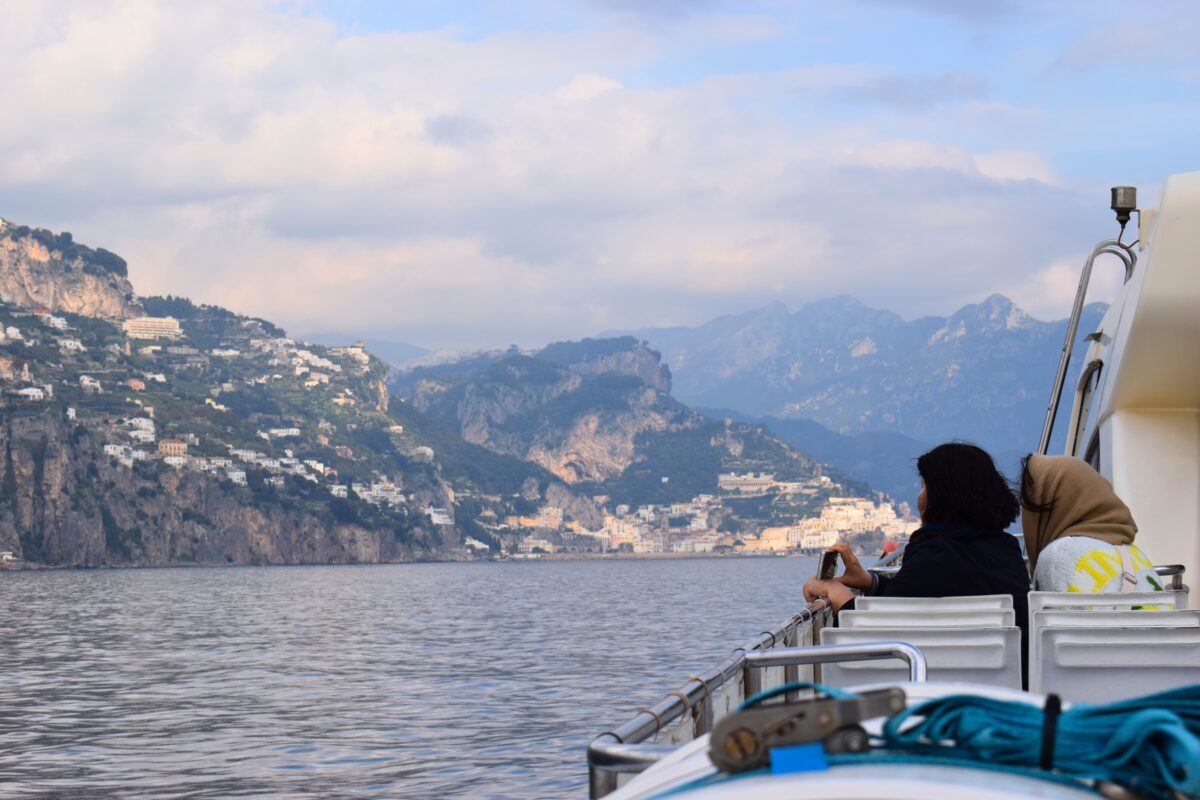
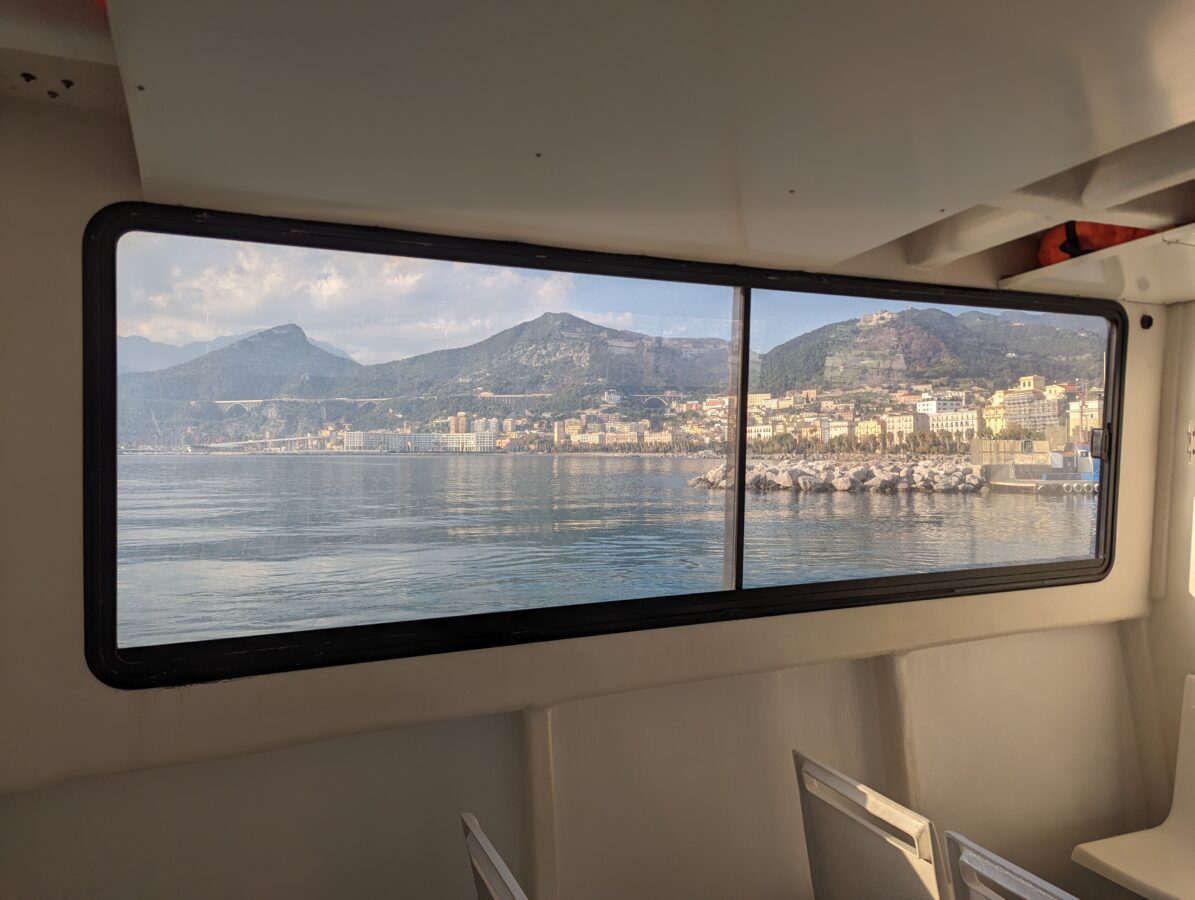
The ferry is a fantastic way to explore the Amalfi Coast during every season. It’s pricier than the bus, but you’re getting the best views of the coastal towns, plus it’s simply more comfortable than overcrowded buses. The network includes every major Amalfi destination from Salerno to Positano (the full course costs €17). You can also use it to travel between towns. For example, a journey from Positano to Amalfi is €10. Always buy tickets online by using the official Travelmar website.
Beach Expenses
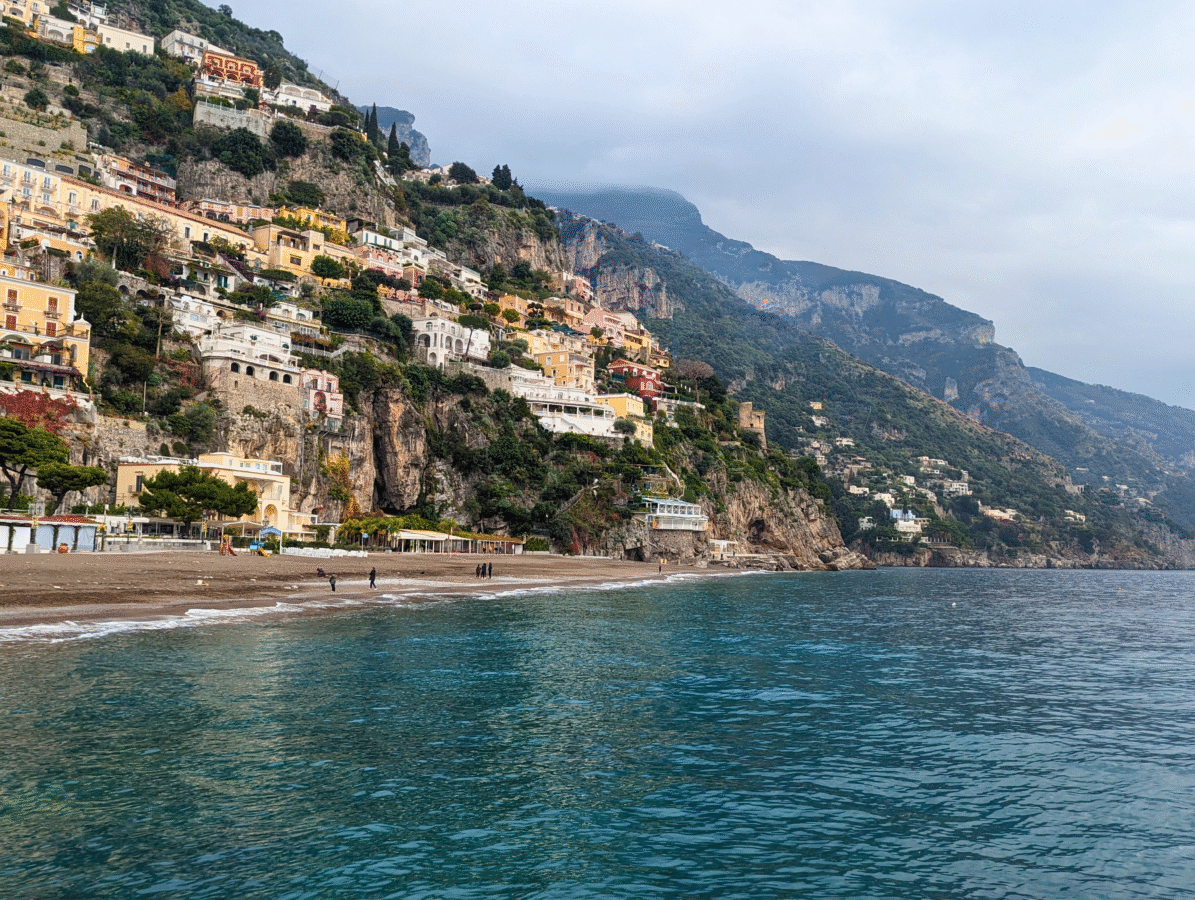
The Amalfi Coast is one of Italy’s most sought-after beach destinations. You may have seen the photos and videos of colorful umbrellas on rocky coves, jet-setters dancing to the house DJ beats at sunset, and loungers overlooking breathtaking Positano cascading houses. The reality is that many beaches on the Amalfi Coast are privately owned, and enjoying one can cost €80 to €200 just for the loungers and umbrellas. Stabilimenti balneari (the private lidos) rule here, and you should know how it works to save money.
The most popular towns, Positano and Amalfi, charge around €70 – €150 per day for loungers and umbrellas at beach clubs. The good news is that you don’t have to pay to enjoy the sea, as there are spiaggia libera sections for free. Obviously, these spots are filled to bits during the high season, so arrive at the beach early to secure the spot. For more affordable lounger rental, head to lesser-known beaches such as Maiori, Erchie, and Vietri sul Mare. They would be around €25 – €35, a dramatic change from Positano’s prices.
Where to Stay on a Budget
My go-to process for booking accommodation in Italy’s tourist regions is to compare prices on different platforms. I usually start on Google Maps to get a full comparison, and then book the best deal. Hotels are the most expensive accommodation on the Amalfi Coast. Check out the guesthouses and B&Bs, as they often have the best prices. Also, many B&Bs in Italy offer lower prices if you book directly. That’s why, when I find a well-priced accommodation, I always check their official website for their house rates.
As previously mentioned, Salerno offers the best value for the Amalfi Coast trip. In Vietri, Maiori, and Minori, you will find moderately priced accommodation. Positano, Ravello, and Amalfi are the most expensive of the Amalfi towns, and it’s best to avoid booking there if you’re on a budget.

Where to Eat and Drink on a Budget
Dining out can be surprisingly affordable on the Amalfi Coast. Also, it can cost you a fortune for a simple dinner for two if you choose tourist-trap restaurants and the most iconic scenic spots. Save nerves and money by avoiding the establishments in the very center of tourist action in Positano and Amalfi. Watch out for the typical tourist-trap traits—menus in multiple languages outside, overly friendly staff inviting you to try the most traditional dishes, and menus without prices. Instead, go off the main roads and piazzas to find more affordable trattorias and pizzerias.
Pizza is very cheap in Italy. The Amalfi Coast is in Campania, a region that gave this rounded culinary wonder to the world, so leaving without trying one is a crime. Expect to pay around €8-10 for a classic Margherita, and €11-15 for specialized pizzas. If you’re sitting down, ask for the price of coperto, a cover charge added to your bill. The typical charge is €2-5. If it’s €8 or €10 and the place is not a Michelin-starred restaurant, it’s usually a red flag.
Panificio and pasticceria are two words budget travelers should know to eat well and spend less on the Amalfi Coast. First are the bakeries, where you can find pizza slices, paninis, casatiello (typical Campania bread), ready-made salads, and pasta. Second are the confectioneries, which sell the same savory items but also offer a great choice of Amalfi desserts, such as Delizia al Limone, sfogliatella, filled cornetti (croissants), and Bacio di Amalfi. You will rarely find items that cost over €10 there. Each town has panificios and pasticcerias, so find one on Google Maps and look for a high rating.
Insider Tips on Saving Money
- Choose the spiaggia libera instead of overpriced beach clubs. Check the beach club prices beforehand and ask about any hidden charges (for example, a towel charge).
- A COSTIERASITA ticket is a must for unlimited bus travel. For trains, buy the Italia in Tour pass. It costs €35 and includes unlimited travel on regional trains across Italy. Use it to move between Salerno and Vietri sul Mare, and travel to Naples and Pompeii.
- Always check the menu prices before sitting down at a restaurant. Ask for the cover charge amount.
- The best free beaches on the Amalfi Coast are Spiaggia di Marina Grande, Il Duoglio, and Marina di Praia.