
Every year, it seems another new travel trend appears. From coolcations that swap scorching beach resorts for cooler, northern climates, to multi-generational coastal getaways, there’s no shortage of trends to follow. But there is one approach that may be the ideal solution to the growing problem of overtourism: tiny tourism.
Tiny tourism involves seeking out hyper-local details that most travelers overlook. For example: shopping at local grocery stores or wandering through the streets of a residential neighborhood, admiring architectural details and stopping in a park to watch daily life. It’s the counter to rushing between the major, often crowded attractions. As the BBC recently noted, the principle is summed up by the rule: “if it feels like a tourist would do it, don’t.”
While the BBC writer traveled to Dublin to try tiny tourism, taking public transport, going thrift shopping, and browsing pharmacies instead of the Guinness Factory and the Temple Bar area, we’ve got a few more ideas for those who want to try tiny tourism in one of the world’s top beach destinations.
Santorini, Greece
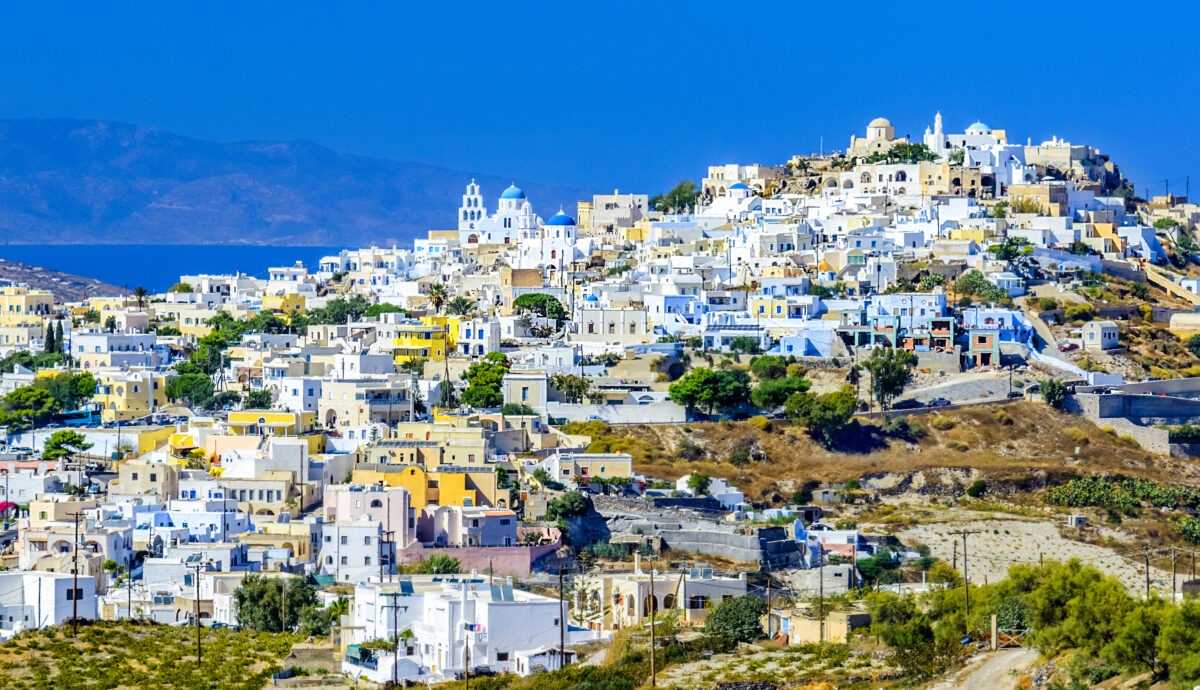
Santorini is a prime example of overtourism, but that doesn’t mean you can’t practice tiny tourism here. Head to beaches where mostly locals go, like Vlychada on the southern coast. Quiet and unique, it’s renowned for its dramatic wind-sculpted white cliffs and dark, volcanic sands, with traditional, inexpensive fish tavernas within a short walk near the old tomato factory.
Instead of busy Oia or Fira, you might stay in Pyrgos, a small traditional village that’s one of the island’s least touristy places. It has the feel of Old-World Greece, with shops that aren’t just catering to tourists. You’ll get a glimpse of daily life and popular Santorini ingredients where locals buy their fresh produce. Be sure to join those who gather in traditional cafes, dining beneath shady trees while discussing the day’s events. If you climb the winding medieval streets to the top of town, you can even enjoy panoramic sunset views without the Oia crowds.
Mallorca, Spain
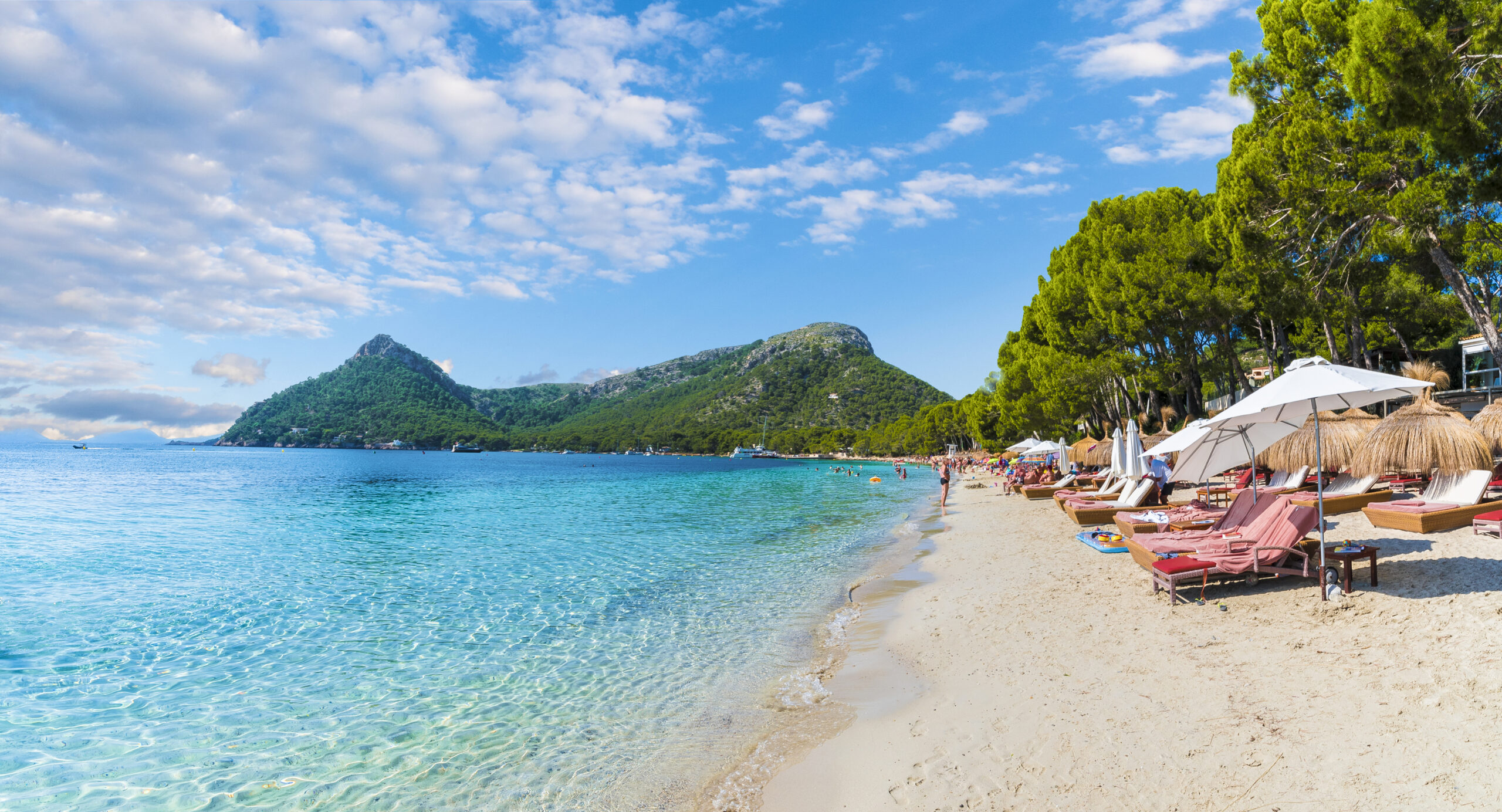
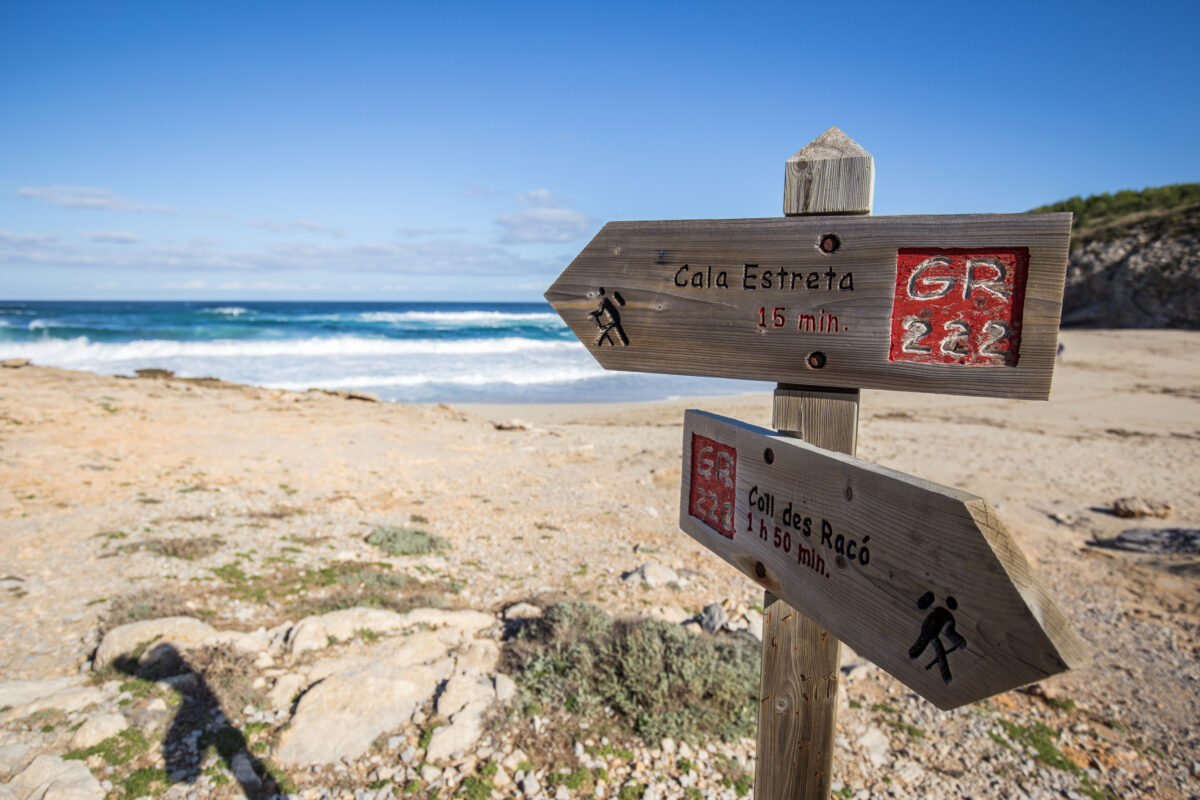
The same overtourism pressures that famously hit Barcelona have spread to beach towns across the Balearic Islands, including Mallorca. Practicing tiny tourism here means exploring quiet rural villages and supporting small community businesses rather than busy beach resorts. Discover local markets where you can buy crafts and fresh foods directly from village artisans and producers. Spend your nights in an agroturismo, a restored traditional farmhouse in the countryside.
You can always rent an e-bike to ride peaceful rural lanes and discover more remote beaches. Or, take an easy hike to stretches like Cala Estreta, tucked away in the northeast with no road access. The small sandy cove is about a 30-minute walk through a trail winding through pine forest. Cala Màrmols is another option attracting more locals looking to escape the crowds. It requires a 3.2-mile coastal trek from Cap de ses Salines.
Los Cabos, Mexico
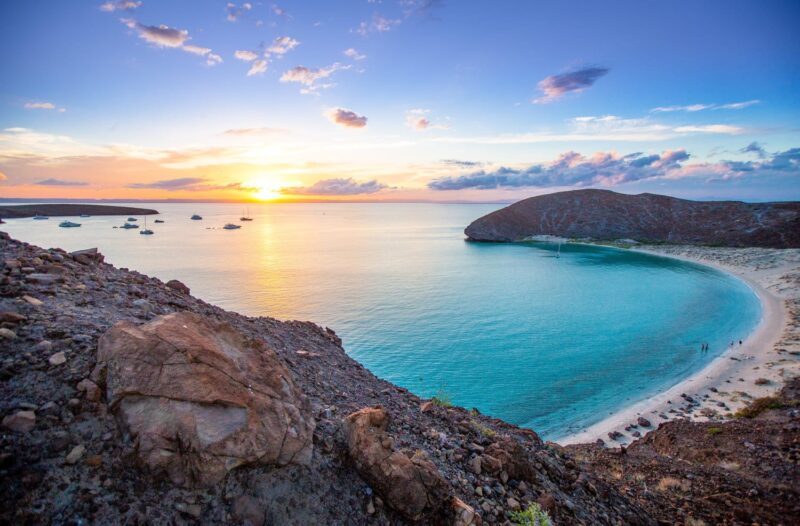
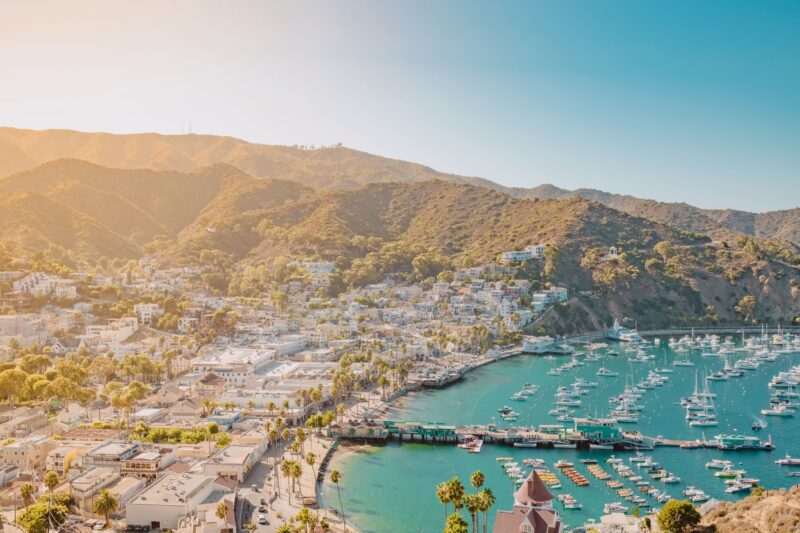
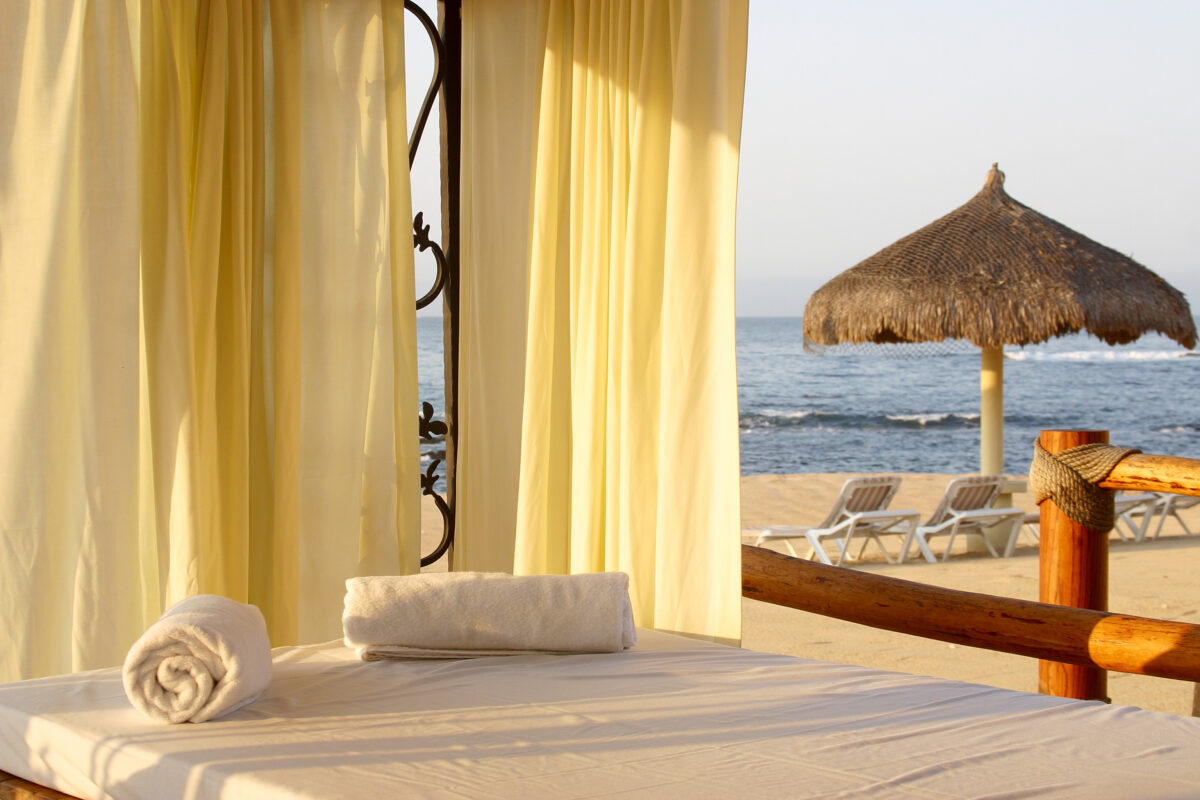
It seems nearly every traveler to Los Cabos heads straight to a resort in Cabo San Lucas or the Hotel Zone, spending most of their time on a jam-packed beach. Those mega-resorts also consume massive amounts of freshwater, stressing local resources. Instead, stay in a classic beachfront hotel in San José del Cabo. You can practice tiny tourism and get to know the local culture, all while supporting micro-economies.
San José del Cabo is not only close to the airport. It provides easy access to family-run taco stands and local dining spots like Flora’s Field Kitchen at Flora Farms, serving seasonal dishes made with ingredients grown, raised, and made directly on the farm or its nearby 150-acre ranch. You can also explore the art district to buy directly from regional craftspeople at independent galleries and workshops. Plus, you’ll be closer to Cabo Pulmo National Park for an easy day trip to what’s been famously called “The Aquarium of the World,” ideal for snorkeling and diving. Access is via a long, bumpy dirt road, keeping most tourists away.