
Traveling Martinique alone is rewarding, but it requires a bit of upfront planning. During a recent trip, I learned that Martinique isn’t a destination that spoon-feeds you experiences. In the best way, it requires that you fully engage: drive the winding mountain roads, attempt a bit of French, and embrace the slow island life.
From the historic capital of Fort-de-France to the botanical gardens and rum distilleries, Martinique offers much more than a standard beach trip. If you’re looking for an island that includes a deeper experience, here’s how to plan a solo trip to Martinique.
The Essentials
Martinique is sandwiched between St. Lucia and Dominica, and there are direct U.S. flights from Miami, as well as from Guadeloupe, Barbados, St. Lucia, and St. Martin. I booked a nearly four-hour flight from Miami to Martinique with American Airlines, which operates three times a week (Tuesdays, Thursdays, and Sundays).
French is the official language, mixed with Martinican Creole. Outside of major hotels, English isn’t widely spoken, so downloading a translation app and knowing basic greetings (Bonjour, S’il vous plaît, Merci) goes a long way.
As an overseas department of France, the official currency in Martinique is the Euro (€). Credit cards are widely accepted, but keep cash on hand for roadside stands.
Where to Stay
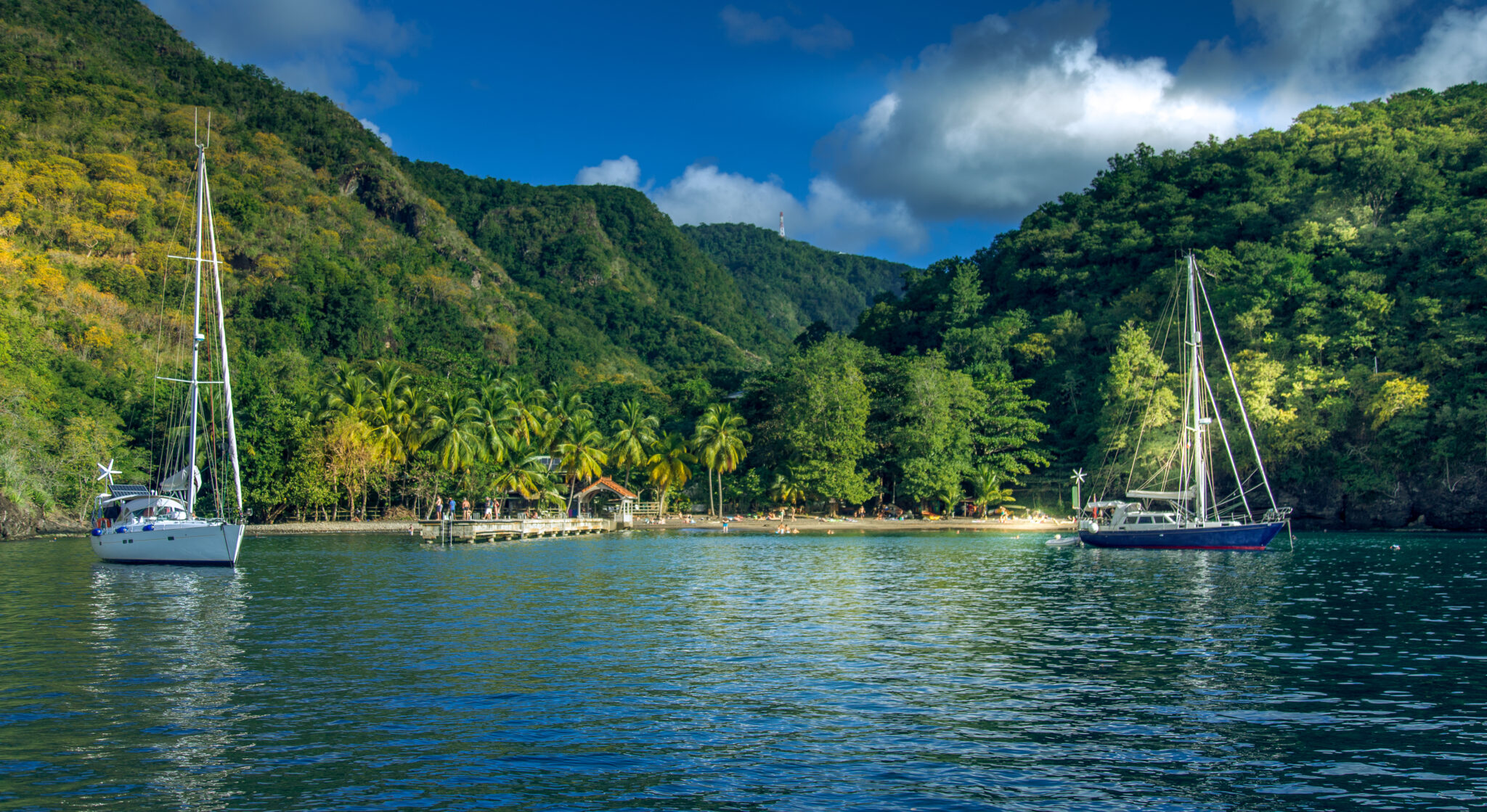
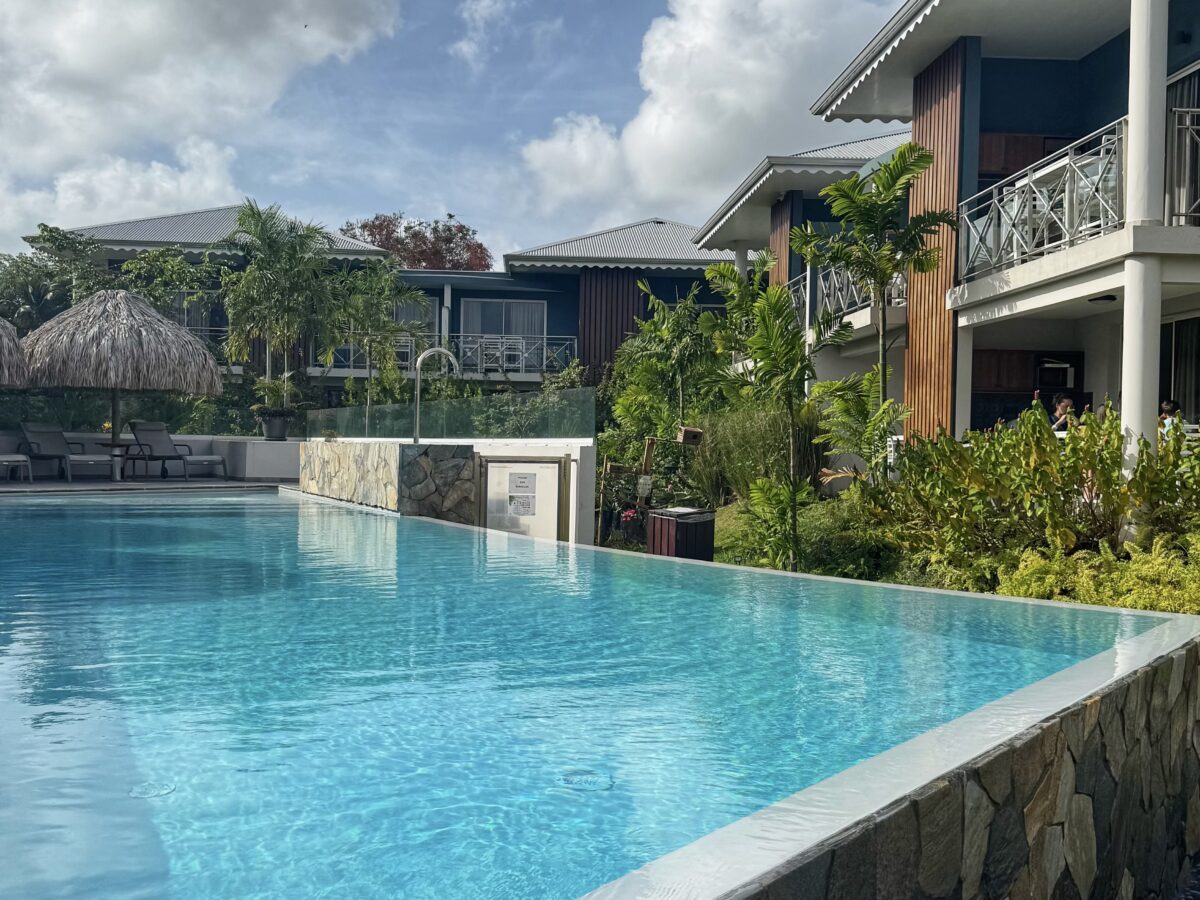
While there are a few larger, all-inclusive properties on the island, most properties in Martinique are smaller, often family-run hotels. I split my week between two properties: Courbaril Village, located on the lively Anse à l’Âne Beach in Les Trois-Îlets, and Club Med Les Boucaniers, a secluded, all-inclusive beachfront resort on the southern tip of the island. Both hotels offered really different experiences, and I loved the ease and convenience of spending the last two days at an all-inclusive hotel.
How to Get Around
The attractions in Martinique are pretty spread out, so the best way to get around is via car. The island doesn’t have rideshare apps, but taxis are an option, though fares can add up quickly. You can also rent a car, and the good news is drivers in Martinique drive on the right side of the road, so there’s not a big adjustment for U.S. travelers. If you do decide to drive, be prepared for steep, winding mountain drives. If you want to truly commute like a local, consider taking public transit, which is inexpensive, but it can be sporadic.
What To Eat
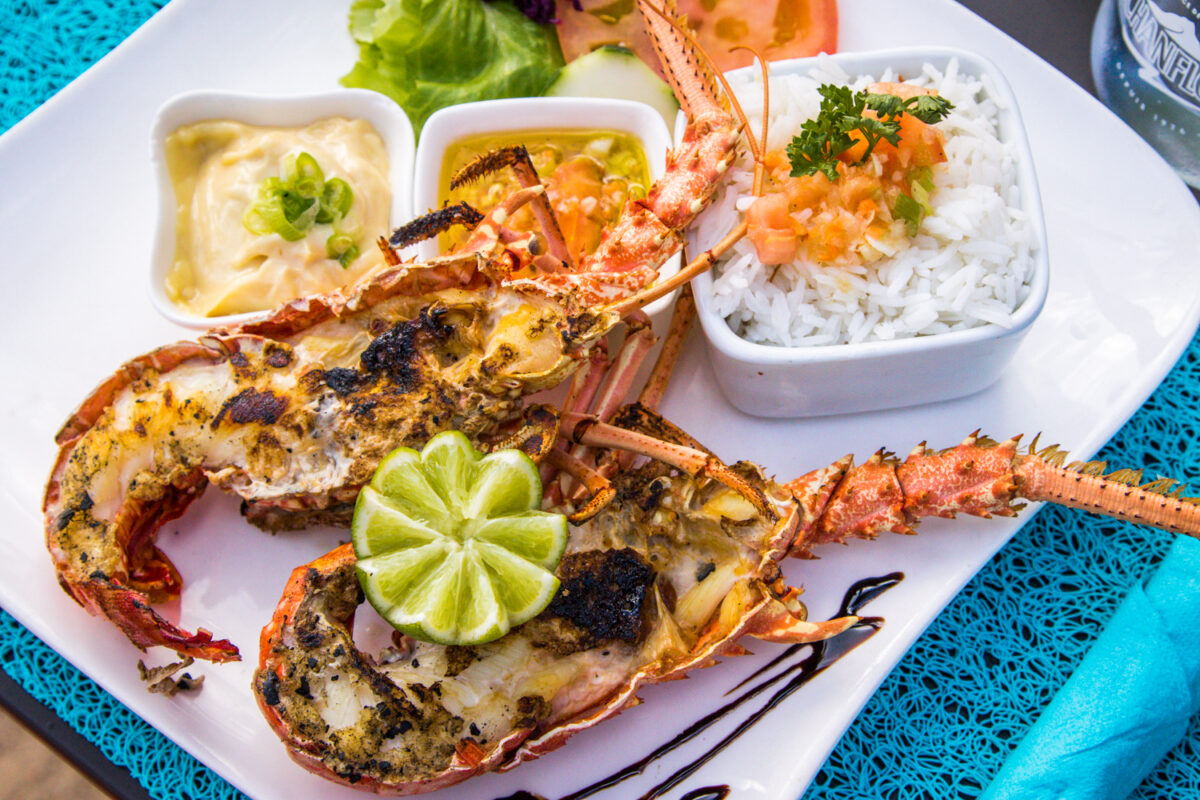
Dining in Martinique is similar to that on other Caribbean islands, with a heavy emphasis on seafood such as grilled snapper, lobster, and shrimp. There are some island specialties, though. One of my favorite finger foods was accras, crispy, golden-fried cod fritters that are served almost everywhere. Another great dish is poulet boucané, smoked chicken marinated in lime, garlic, and chili, and sold by roadside vendors. Martinique also has a national drink called Ti’ punch, a potent mix of local rum, lime juice, and sugar cane syrup.
What to Do
I started the first half of my trip in Les Trois Îslets, a sleepy seaside town on the southern coast of the island about 30 minutes from Martinique’s Aimé Cesaire International Airport. After checking into Courbaril Village, I spent the afternoon hanging out on the beach, which is lined with local restaurants and bars. When the sun set, I took a taxi to La Suite Villa and kicked off my trip with dinner at Le Zendoli, which offers fine French dining and stunning views of the Bay of Fort-de-France.
A Day in Fort-de-France
The next day, I headed to Martinique’s capital, Fort-de-France, which was about a 30-minute drive north of the hotel. I opted to take a 10-minute ferry instead, which only cost 7€ round-trip, and left from the dock right in front of the Courbaril Village hotel. The ferry dropped me right in front of the waterfront promenade and within walking distance of the capital’s museums, shops, and parks.
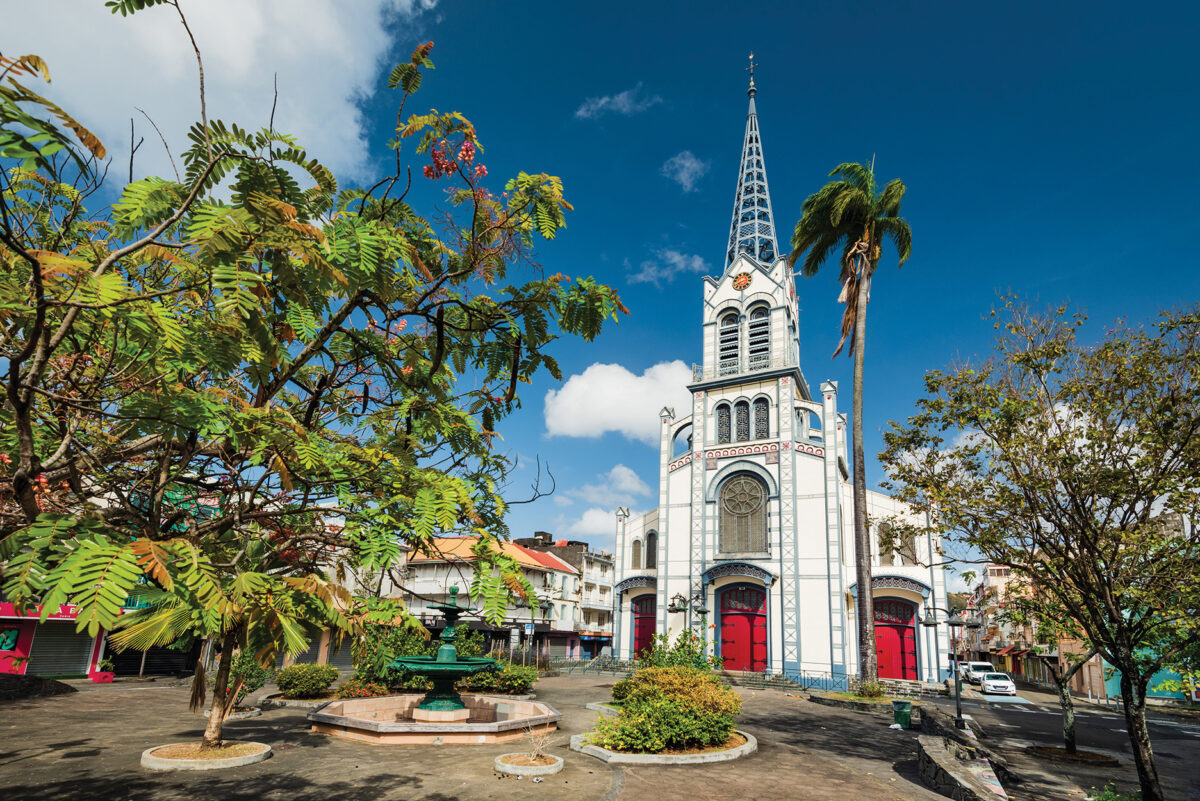
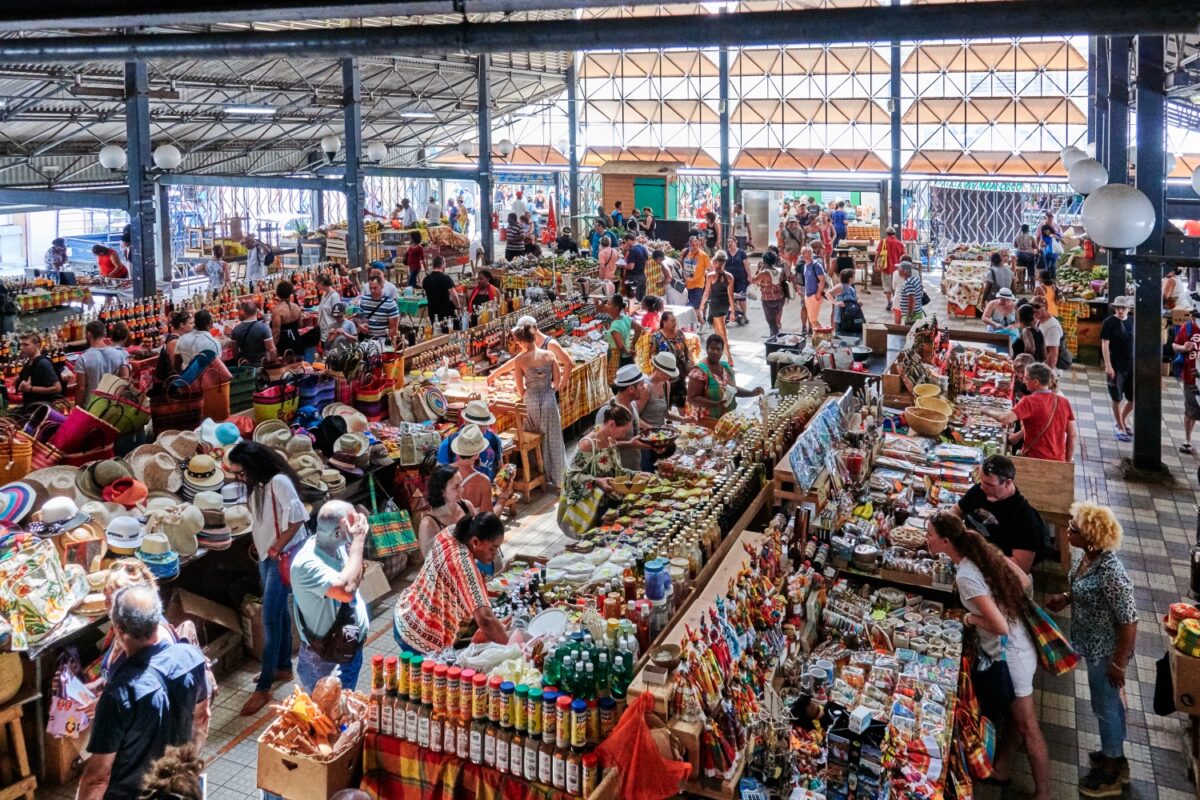
To explore the city, I booked a guided tour with CyclO’Comm, and during the two-hour golf cart tour, we stopped at the St. Louis Cathedral, the Fort-de-France Covered Market, and the Museum of History and Ethnography of Martinique. Every few blocks, massive, colorful murals splashed across building facades caught my eye. After the tour, I stopped for lunch at L’Imperatice Hotel, one of the oldest hotels on the island. On Thursdays and Fridays, the hotel restaurant, Le Josephine, offers a lunch buffet featuring local specialties such as accras, fish stew, and a spicy mango salad.
Hiking Mount Pelée in the North
If you’re looking for an outdoor adventure, head to the northern half of Martinique, which is home to Mount Pelée, an active volcano wrapped in dense rainforests, black-sand beaches, and dramatic waterfalls. If you want to hike, start early, and consider a guided tour like Beyond the Beach. The hike is a demanding 4-6 hour trek, and reaching the crater rim feels like standing on the edge of the world, looking down at the Atlantic on one side and the Caribbean Sea on the other.
Gardens and History Near the Capital
Another great day trip I took was to the island’s botanical garden, which is not too far from the capital. Jardin de Balata is a little piece of paradise, with hundreds of species of flowers and plants. There are more than 350 species of birds that roam freely among the gardens. Set aside at least a few hours to meander through the quiet gardens.
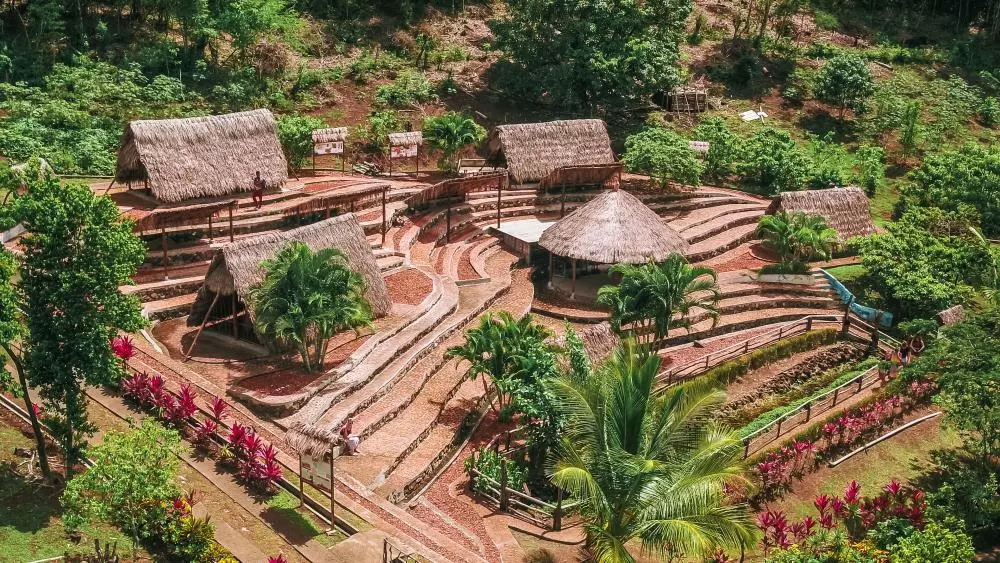
The same day, I also visited Las Savane des Esclaves, which tells the story of Martinique from the indigenous inhabitants through slavery. Created by local Martinician Gilbert LaRose, the powerful open-air exhibit will take you through over 400 years of Martinique’s history. Plan a visit here in the early morning or late afternoon to fully enjoy the exhibit in cooler temps.
Touring Martinique’s Rum Distilleries
No trip to Martinique is complete without diving into its famed rhum agricole, which is rum distilled directly from fresh sugarcane juice rather than molasses. During my stay, I toured two rum distilleries. The first was Habitation Clément, which serves as a museum, outdoor art gallery, and distillery. The distillery tour included a visit to the 1880s-era estate and a stroll through the art installations scattered throughout the gardens. The second rum distillery was Trois Rivières, and my tour ended with a rum tasting, where I learned how to pick out the flavor notes in aged rum.
Winding Down on the South Coast
For my final few days, I embraced the slow rhythm of the south coast with a stay at Club Med Les Boucaniers. The property sits on a secluded beachfront, and I took advantage of the amenities. The resort offers tons of included watersports like kayaking, windsurfing, and snorkeling, but I opted for a low-impact stand-up paddleboarding and morning yoga. After a week of being on the go, the last two days offered a much-needed slow, reflective closure to my solo trip.