


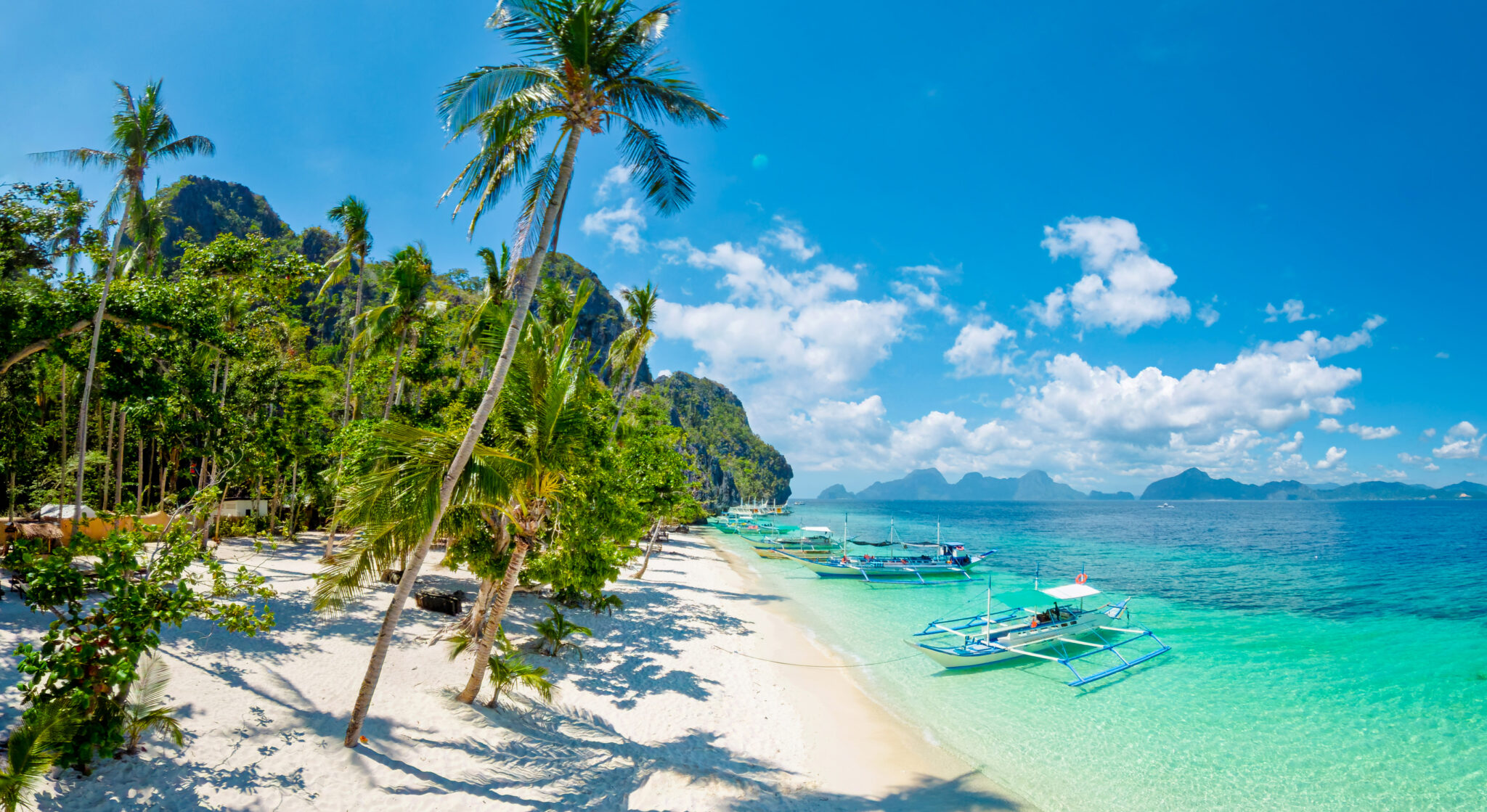
I lived in Southeast Asia for four years, and the Philippines is the country I’ve kept going back to long after I left.
With over 7,000 islands scattered across the archipelago, it has more gorgeous beaches than any one trip could realistically cover—powder-white sand, water in about six different shades of turquoise, and islands that range from famous-and-busy to barely-on-a-map.
I do a lot of scuba diving too, which has taken me well beyond the beach chairs, into the corners of this country that most travelers never see below the surface, let alone above it. Between the two, I’ve built up a fairly long list of favorites.
So here are 12 of them, ranging from the postcard names everyone’s heard of to the quieter ones I’d normally rather keep to myself—along with the small, specific tips that make the difference between a good trip and a great one.
El Nido, Palawan

El Nido’s limestone cliffs rising out of turquoise lagoons are the image most people have of Palawan, and they’ve earned it. The famous Island Hopping Tours (A, B, C, and D) cover the highlights: Big Lagoon, Secret Lagoon, Shimizu Island. Each is worth doing, but they get crowded fast once the fleet of group boats sets off together mid-morning.
My Tip for El Nido: skip the standard departure time in high season and ask your boatman about a private or half-day version instead, leaving earlier. It usually gets you the same lagoons an hour or two before the crowds arrive, when the light on the cliffs is better anyway and you’ll often have the water almost entirely to yourself.
Coron, Palawan
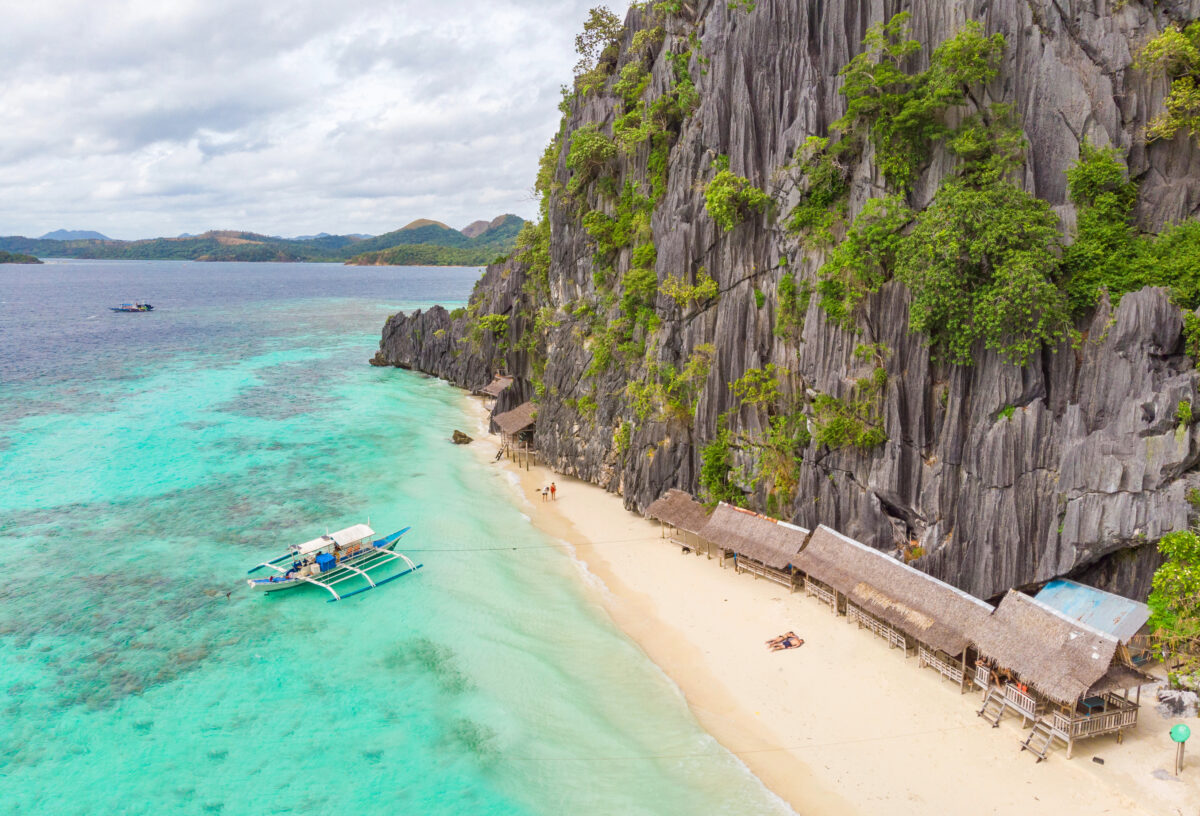
Coron is where I did some of my best wreck diving anywhere—a fleet of sunken Japanese WWII ships sitting just off the coast, now covered in coral and fish life, with visibility good enough to make out whole gun turrets from the surface.
Above water, Kayangan Lake gets all the postcards, and rightly so, but it’s usually packed with boat tours by mid-morning.
My Tip for Coron: What most visitors miss is Barracuda Lake nearby, a thermocline-layered lake that’s stranger and far calmer to swim in, with warm and cool water sitting in visible layers around you. Banol Beach, just next to Kayangan, has the same limestone backdrop with a fraction of the crowd.
Boracay

Boracay’s White Beach is famous for a reason—four kilometers of powder-soft sand and clear, shallow water that photographs exactly as well in person as it does online.
But Station 1, at the quieter northern end, is where I’d point anyone wanting the same beach without the beanbags and boat touts that cluster around Station 2 and 3.
My Tip for Boracay: Go at sunrise if you can manage it. The island’s environmental cleanup a few years back means it’s far less crowded than its old reputation suggests, and an early walk along Station 1 before the day trippers surface still feels close to untouched, with the sand cool underfoot and hardly a soul in sight.
Siargao
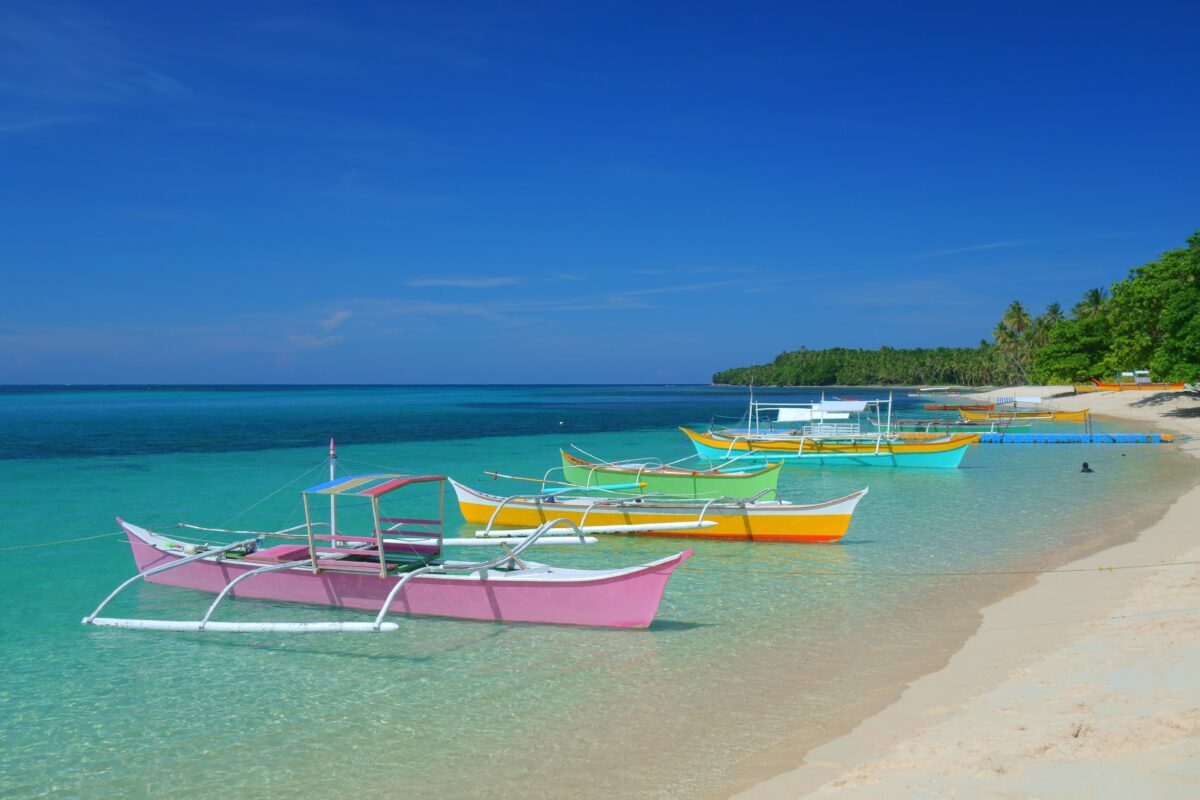
Siargao’s known as the Philippines’ surf capital, and Cloud 9 deserves every bit of the hype it gets. But the island’s beauty isn’t limited to the surf break.
Sugba Lagoon, a short boat ride away, is calm, mangrove-fringed and brilliant for swimming rather than surfing, and most visitors get lumped into a rushed group tour that rattles through it in under an hour.
My Tip for Siargao: Ask around in General Luna for a smaller, independent boat instead, and add on Magpupungko rock pools at low tide—a natural swimming pool carved into the rocks that’s only accessible for a couple of hours a day either side of low tide, and worth timing your whole trip around.
Malapascua
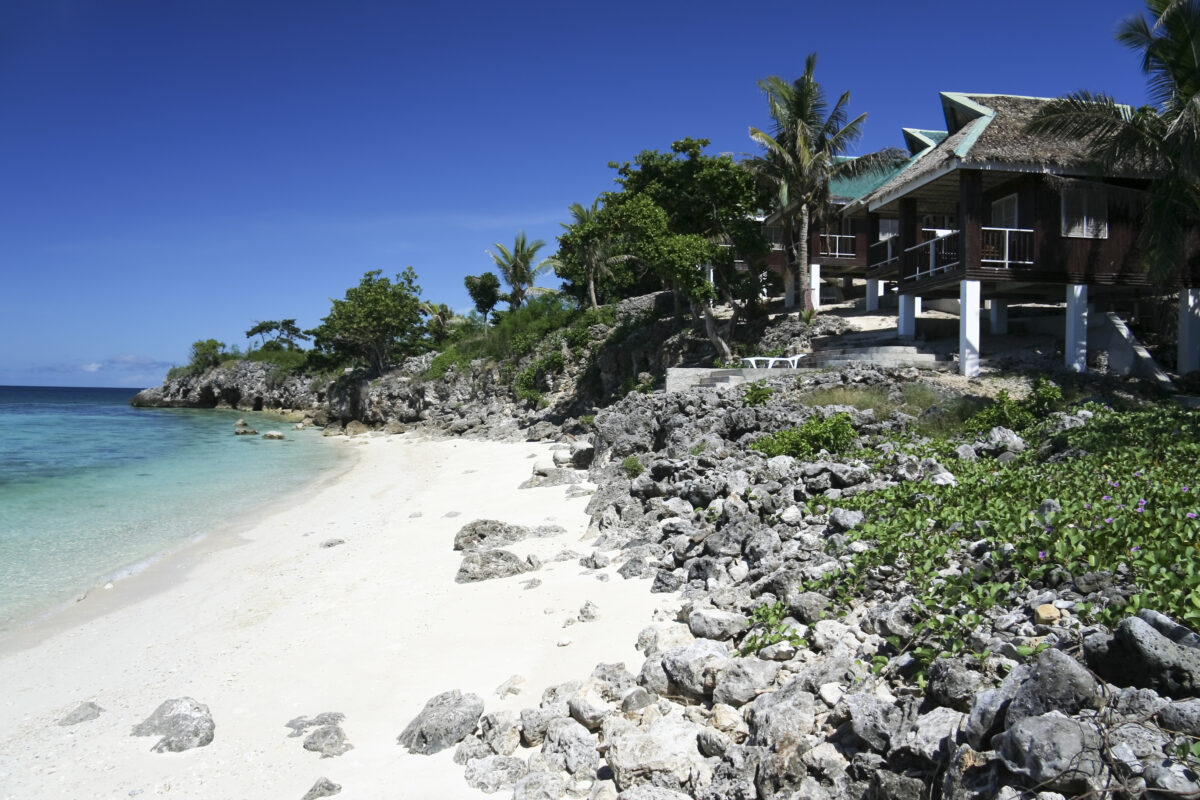
This tiny island off northern Cebu is where I went thresher shark diving for the first time, and it remains one of my favorite dive experiences anywhere. The sharks show up reliably at a cleaning station called Monad Shoal, but only at dawn, so you need a 4:30am boat and a strong coffee beforehand.
Above water, Malapascua’s beaches are lovely and low-key.
My Tip for Malapascua: Bounty Beach gets the most footfall, lined with small resorts and beach bars, but walk ten minutes further along the same stretch of coast and the sand quiets right down, with barely anyone on it even at midday when Bounty is at its busiest.
Apo Island
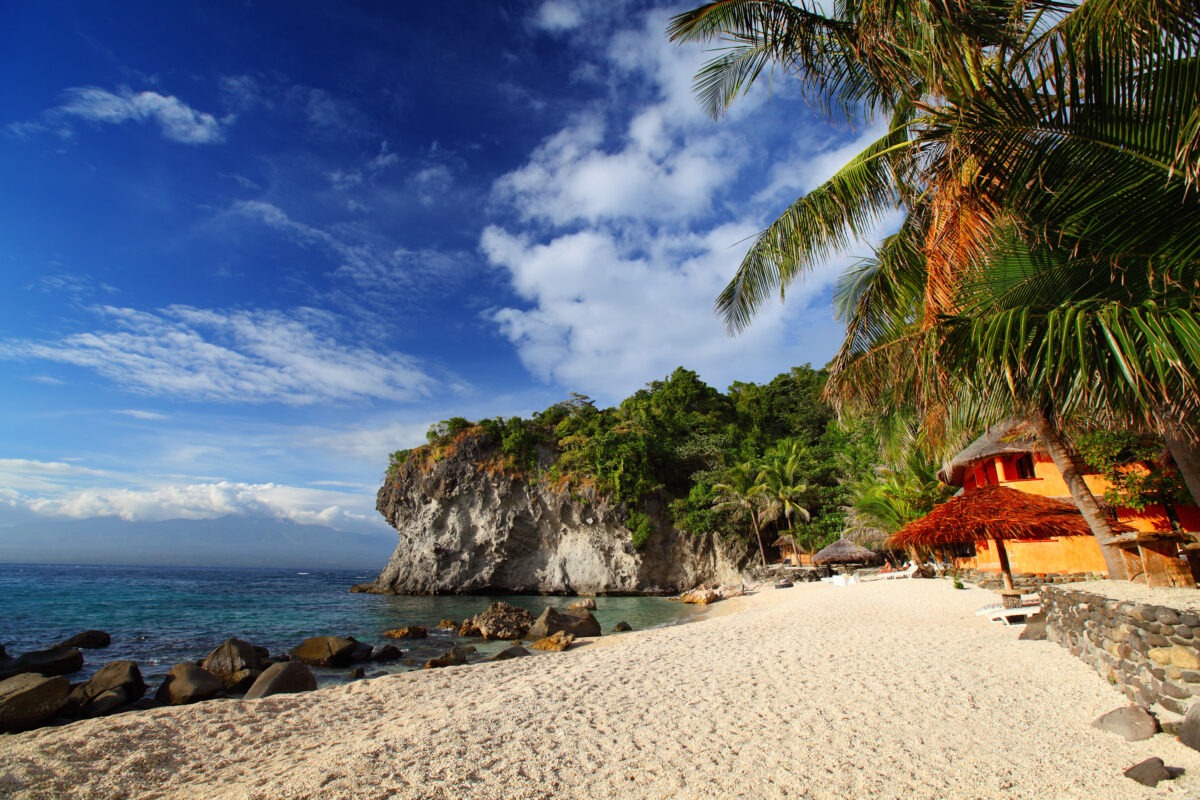
Apo, off Negros Oriental, is a marine sanctuary and one of the best places in the country to snorkel with turtles. I’ve never once left the water without seeing one.
Big dive boats from Dumaguete tend to arrive mid-morning, so I always book the earliest possible crossing to get in the water before them.
My Tip for Apo Island: The turtles are calmer and the reef less churned up at that hour, and you’ll likely have long stretches of coral entirely to yourself before the day-trip crowds arrive an hour or two later, kicking up sand and scattering the fish as they go.
Camiguin
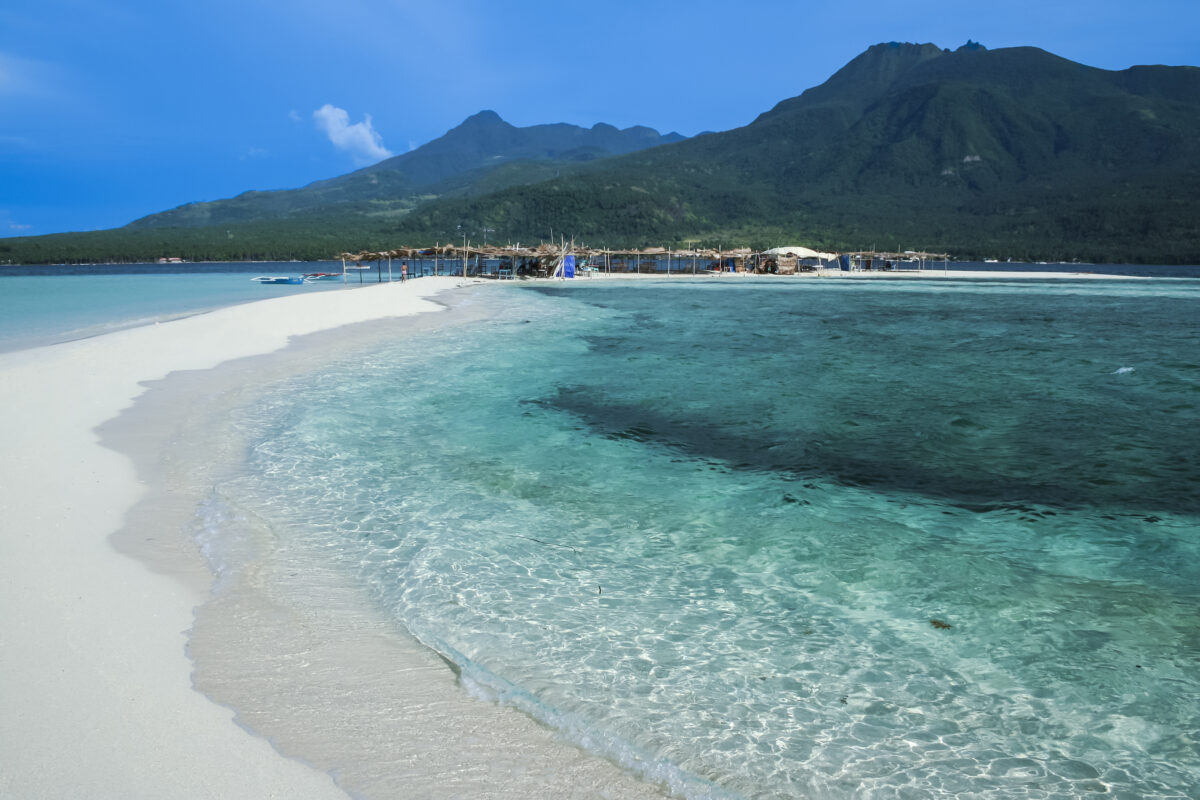
Camiguin is a small volcanic island with more waterfalls and hot springs per square mile than seems possible, plus White Island, a pure sandbar with no vegetation whatsoever, sitting just offshore and shrinking or growing depending on when you catch it.
The trick locals know and most visitors don’t is that the sandbar shifts shape considerably with the tide, so go two hours either side of low tide for the biggest, widest stretch of sand and the best photos.
My Tip for Camiguin: Pair it with a cold spring dip at Sto. Niño afterwards, a natural pool of icy, clear water fed straight from the mountain, and the perfect antidote to a hot day on the sand.
Siquijor
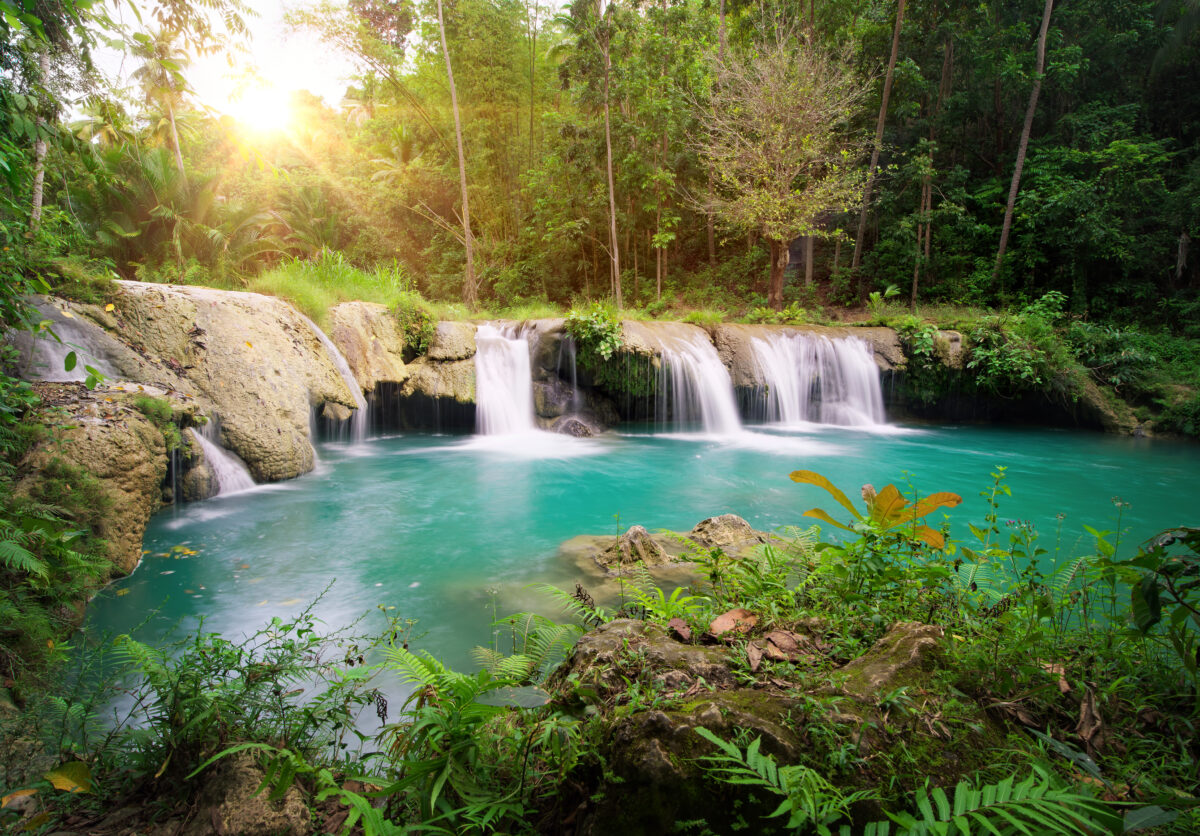
Siquijor has a reputation for folklore and healers, which somehow means its beaches stay wonderfully under-visited compared to its neighbors—most travelers skip straight past it on the way to somewhere more famous.
Salagdoong Beach is the well-known cliff-jumping spot and worth a visit, but Paliton Beach on the west coast is the one I always steer people toward. Think white sand, clear water, and usually just a handful of people even in peak season.
My Tip for Siquijor: Time a visit for late afternoon and you can combine it with Cambugahay Falls on the way back, a tiered turquoise waterfall with rope swings that’s blissfully cool after a day on the sand.
Bantayan Island
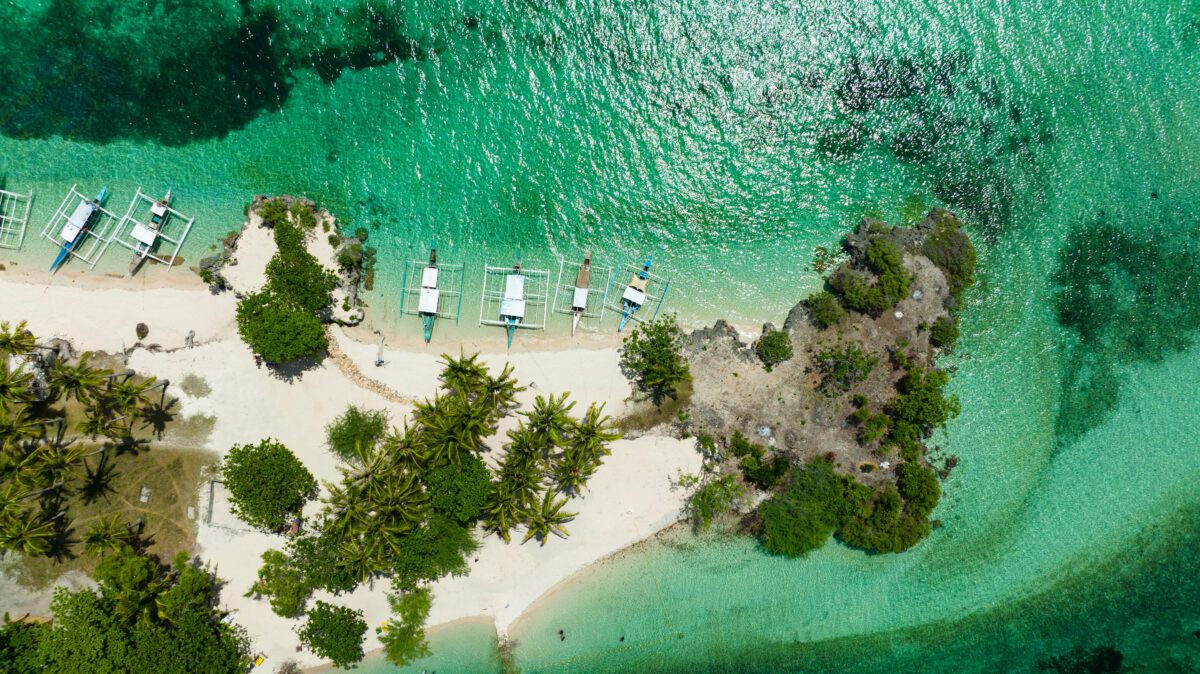
North of Cebu, Bantayan gets a fraction of the visitors that pile into the main island, despite having beaches every bit as good.
Sugar Beach and Kota Beach are the two to know, both with soft white sand, warm shallow water and a laid-back, fishing-village feel that Cebu’s busier resorts lost a long time ago.
My tip is getting there: there’s no direct ferry from Cebu City, whatever some tour sites suggest. You’ll always bus it to Hagnaya first, then hop on a boat from there.
My Tip for Bantayan: Skip the standard Ceres Liner bus and shared ferry combo (it’s cheap but slow, and you’ll be queuing at the port with everyone else), and book a private van straight to Hagnaya instead, timed to catch one of the faster crossings. It costs a bit more, but you’ll land on Bantayan an hour or two ahead of the crowd, watching the fishing boats come in as you cross, rather than stuck in a queue at Santa Fe port.
Panglao, Bohol
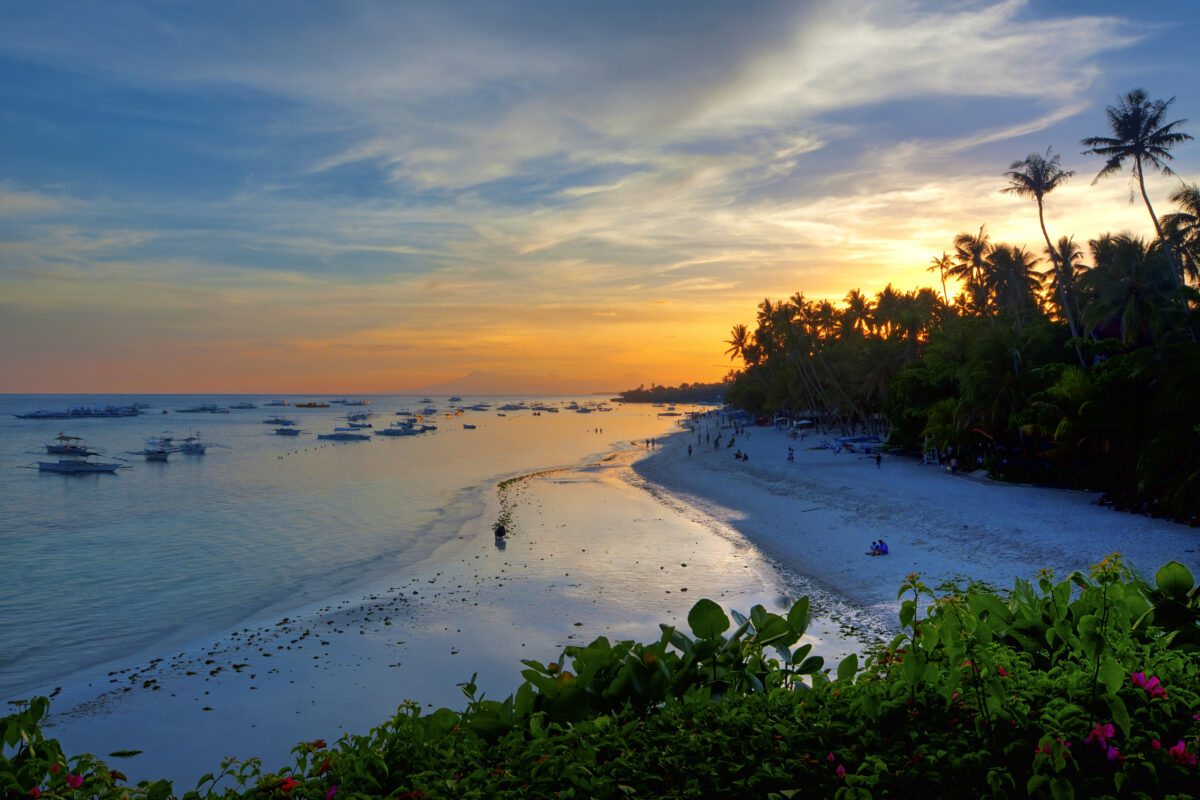
Panglao’s Alona Beach is the island’s main draw, and a brilliant dive base. I’ve spent whole trips based here purely for the diving at Balicasag Island nearby, where the wall dives and turtle sightings are as good as anywhere in the country.
But Alona itself gets busy with resort day-trippers by late morning.
My Tip for Panglao: For the same water with far fewer people, head to Doljo Beach on the island’s west side, a wide stretch of pale sand that most visitors overlook entirely because it’s a short tricycle ride from the main strip rather than right on it (a small inconvenience that keeps it beautifully quiet).
Calaguas Islands
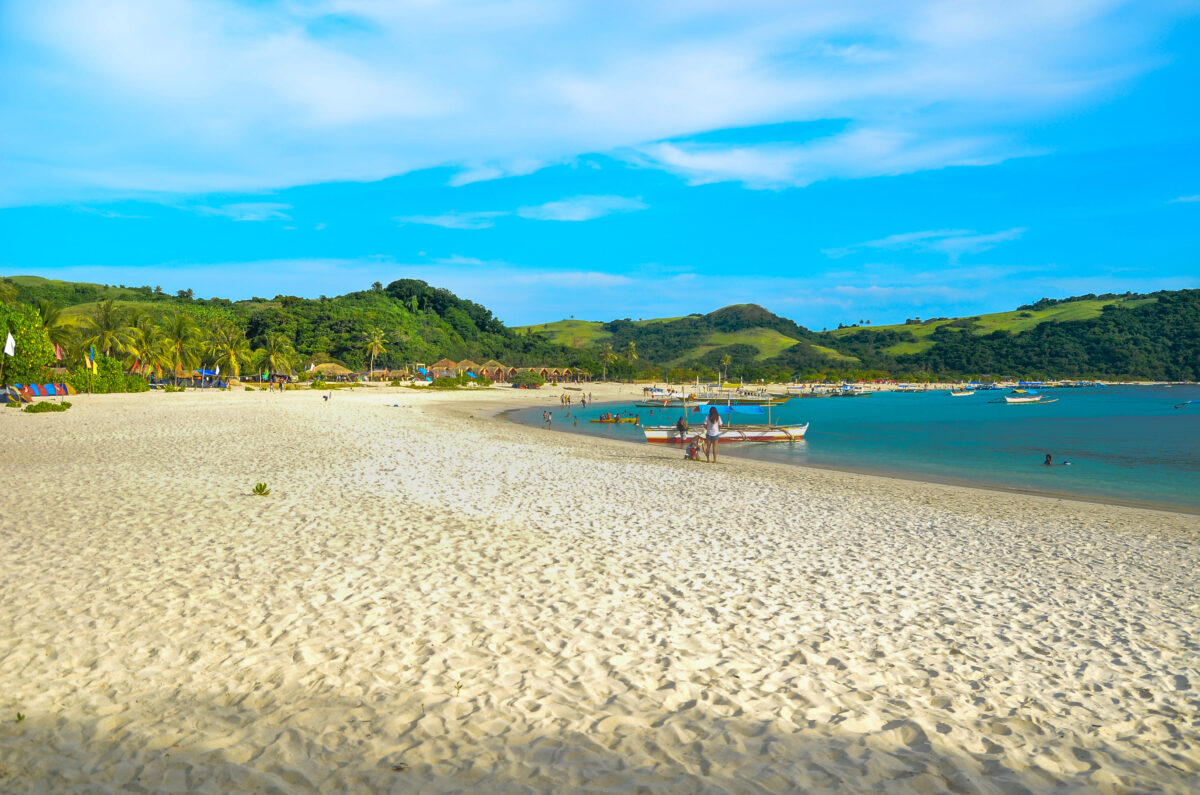
Calaguas, off the coast of Camarines Norte, is about as close as the Philippines gets to an untouched beach: long, white and largely empty, with no big resorts in sight and nothing much beyond a few basic tent set-ups near the shore.
It takes some effort to reach (a long bus ride, then a boat), which is exactly why it’s stayed this way.
My Tip for Calaguas: Skip the crowded day-trip boats from Vinzons and arrange a camping stay instead through a local operator in Paracale. You’ll get sunset and sunrise on a beach that clears out completely once the day boats leave, which is exactly when Calaguas is at its best.
Anda, Bohol
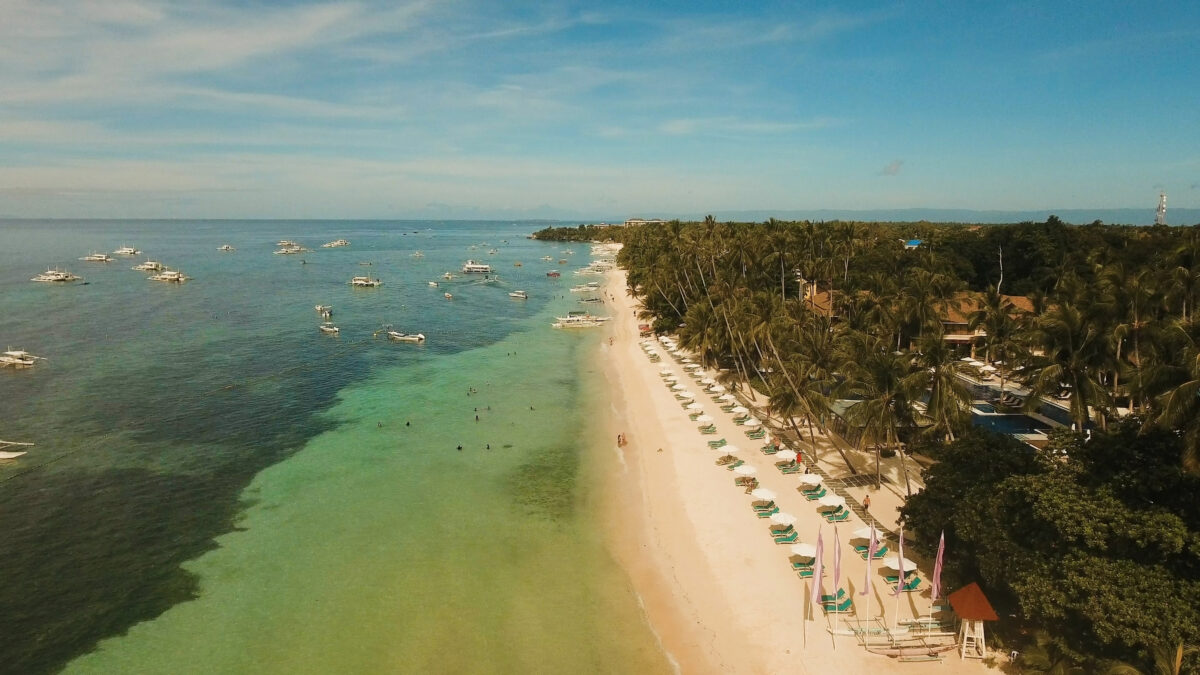
Most visitors to Bohol never make it past Panglao, which is exactly why Anda, on the island’s quieter east coast, has stayed such a well-kept secret.
The beaches here are just as good—fine white sand, shallow turquoise water perfect for swimming rather than surfing—but the resorts are smaller, the pace is slower, and you can walk for long stretches without passing another soul.
My Tip for Anda: Look into Lamanoc Island just offshore, reachable by a short boat from Anda’s coast, where a handful of caves with centuries-old rock art sit above a beach that barely anyone bothers to visit. Combine a morning there with an afternoon at Anda’s own Casay Cold Spring, and you’ve got a full day most Bohol itineraries miss entirely.


