
At a Glance
| Beach type | 2-mile-long stretch of unspoiled, soft white sands · Clear water in shades of pale blue and aquamarine |
| Access | By car or on foot · Public transport not available · Limited taxi service |
| Entry permit | No entry permit or fee required |
| Crowds | Quiet, slight increase during the winter |
| Best for | Nature lovers · Solitude seekers |
| Facilities | No facilities · Pack-it-in, pack-it-out philosophy · Closest toilets in Frederiksted, 2.2 miles away |
| Lifeguard | No lifeguards on duty |
| Dogs allowed | Dogs are strictly prohibited |
The Beach
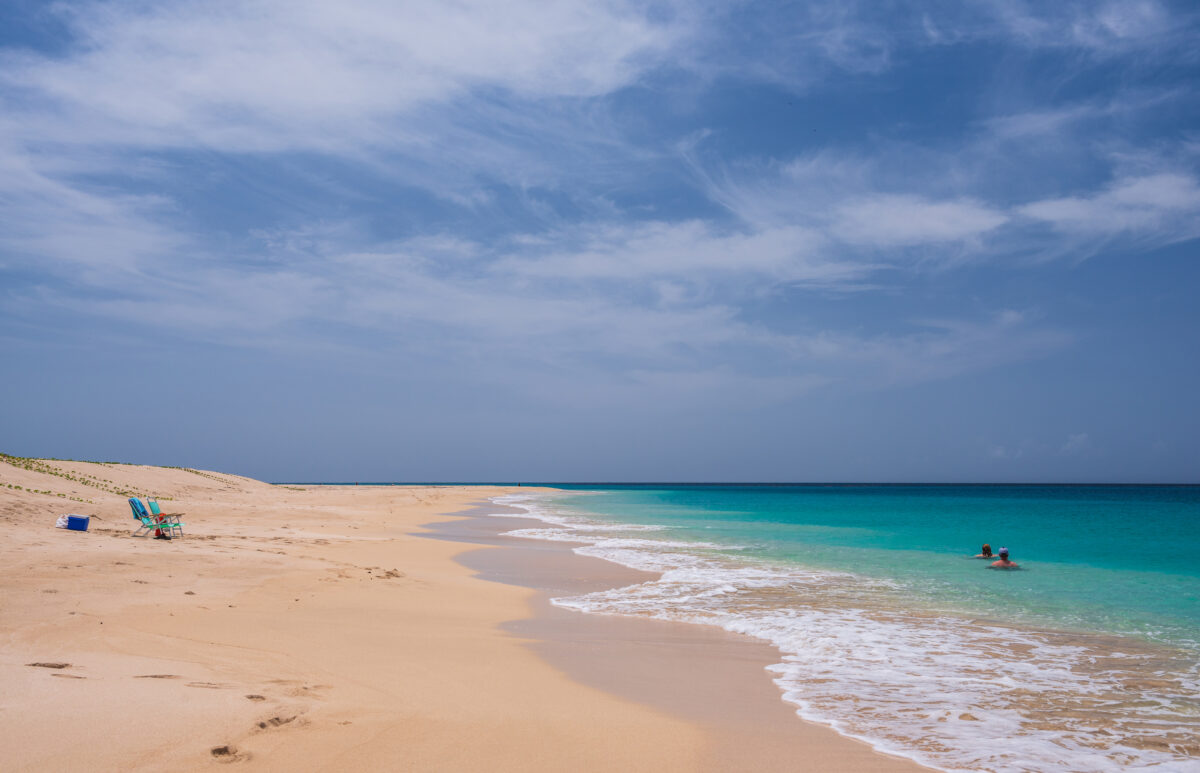
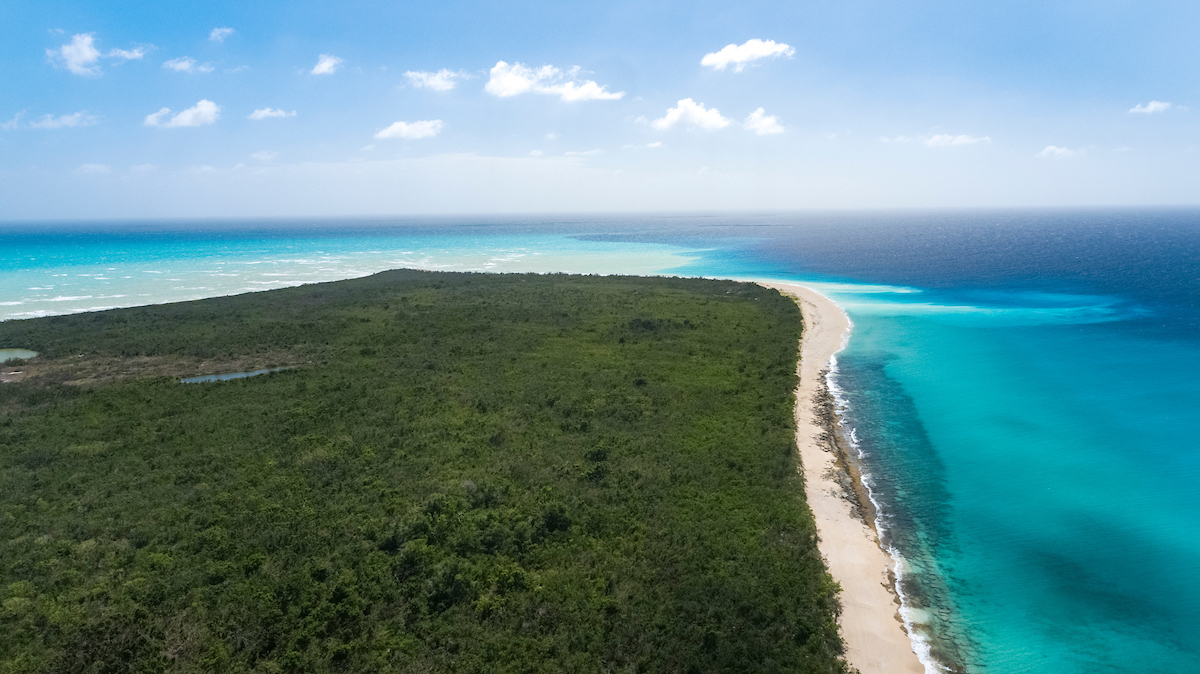
Sandy Point National Wildlife Refuge is not your typical beach. It’s mainly used to protect endangered sea turtles, but as a vast, open stretch spanning about two miles, with chalk-white sands and brilliant blue waters, it is ideal for immersing yourself in striking natural beauty. After traveling the dirt road to reach it, suddenly you’ve entered a whole new world that feels untouched. Crowds at this St. Croix beach are virtually unheard of, even during the high season. You’ll be enveloped in tranquility at a place where your footprints in the soft, warm sand may be the only ones there. Take a peek into the shallows, and you might catch sight of a sea turtle or two. Gazing out further, the horizon stretches endlessly as you breathe in the fresh salty air, and all stress instantly melts away.
This isn’t a place to sip cocktails to the sounds of loud music or take part in a variety of water sports, but you can enjoy dips in the enticing sea and, taking advantage of endless photo ops in between relaxation on the sand.
Why It Made Our World’s Best Beaches List
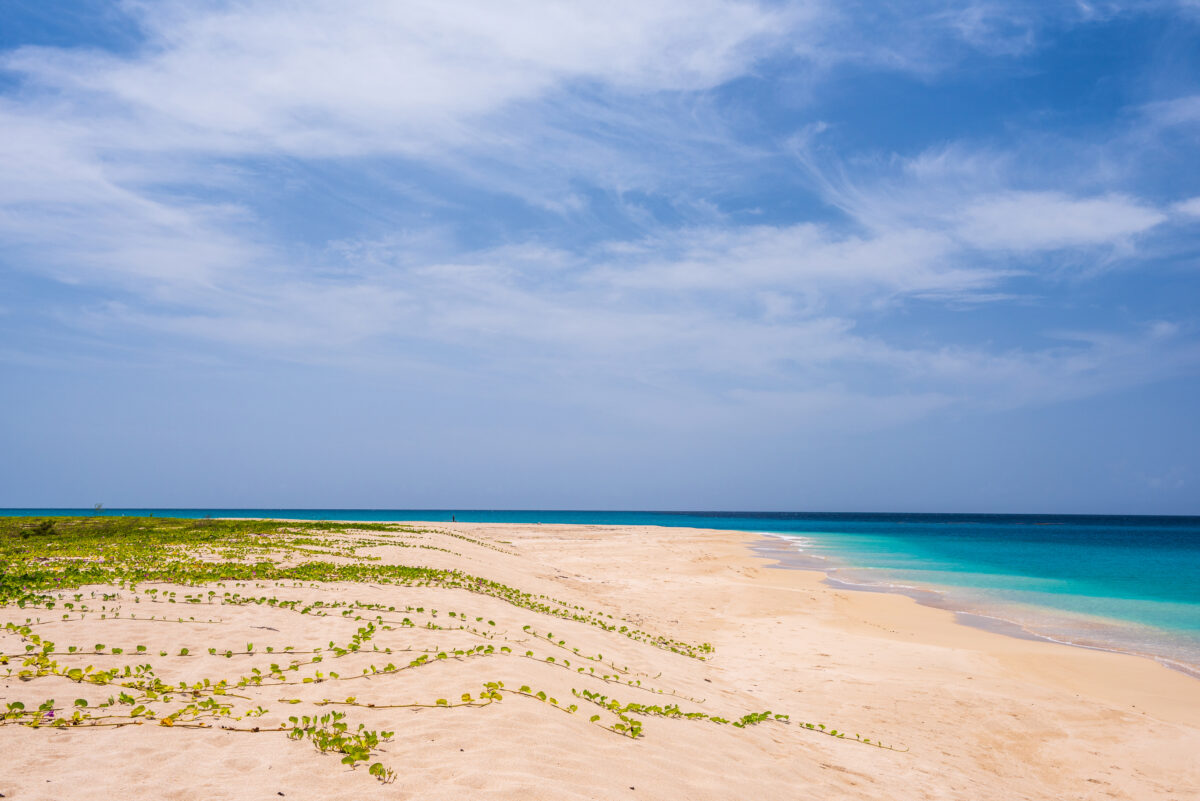
Tranquility. One of the most serene beaches you’ll find in the U.S. Virgin Islands, if you’re looking for tranquility while immersed in nature, Sandy Point is one of the best places to be. With a roughly two-mile span of unspoiled, snow-white sands, you’ll never be elbow-to-elbow with others here, even during the high season.
Beauty. Experts ranked the beauty of Sandy Point as a 5 out of 5. It just doesn’t get better than this when you’re searching for a fantasy-like beach destination complete with nearly surreal waters in stunning shades of blues and greens. It also boasts a backdrop of greenery and woodlands. Famously featured in the final scene of “The Shawshank Redemption,” take a look on-screen if you don’t believe us, although there’s nothing like seeing it in person.
Exceptional water quality for swimming. The water quality also ranked a 5 out of 5 among our experts, while the clarity and color of the water were among the best of all beaches in the study. That said, you’ll find the safest and calmest waters for swimming at the southwest side.
How to Get There
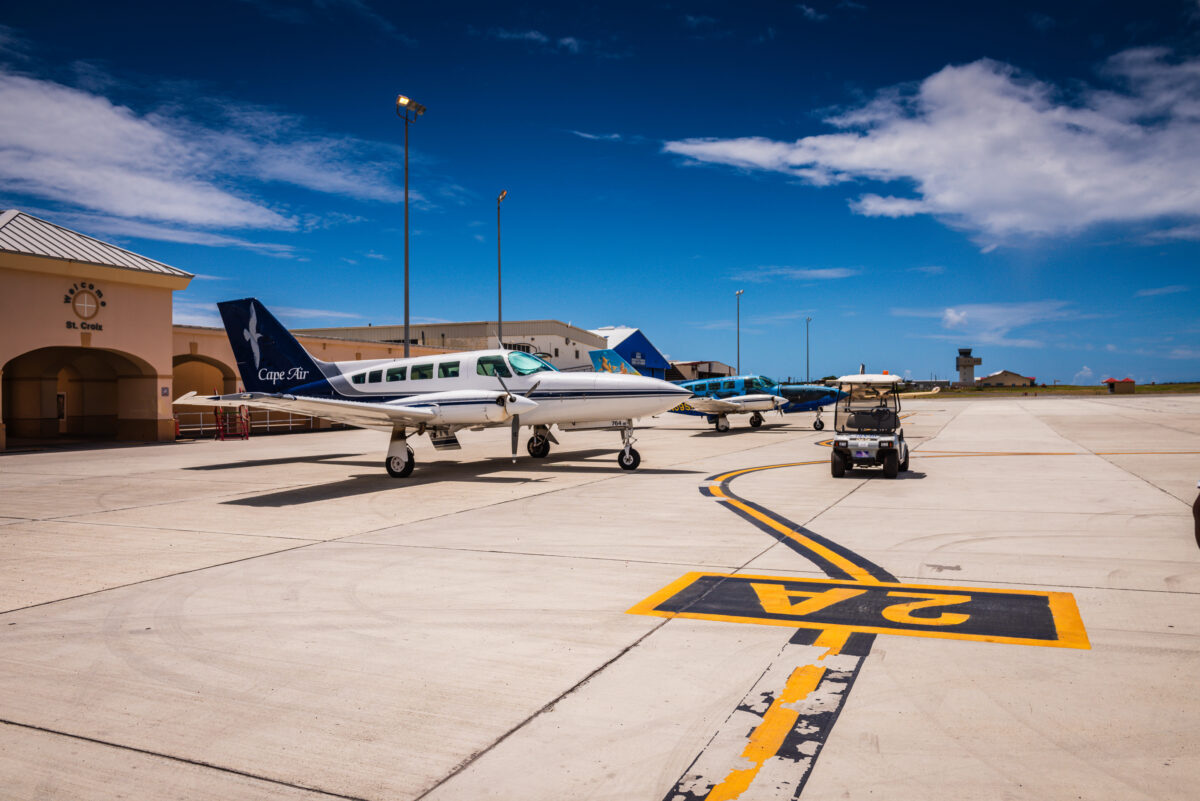
Nearest airport: Henry E. Rohlsen Airport (STX) on St. Croix, U.S. Virgin Islands (six miles from the refuge entrance, an 11-minute drive away).
Primary access route: Most visitors reach Sandy Point National Wildlife Refuge by rental car. Limited taxi service is available, but many drivers will only provide transport to the entrance gate, requiring a long walk to the beach.
Access by boat: Boat access is possible for day trips with sandy areas for anchoring just off the beach, primarily at the island’s southwestern tip.
Entry requirements: There is no entry permit or fee required to access the Sandy Point National Wildlife Refuge beach.
Best Time to Visit
Recommended (November or March): The refuge is only open on weekends and holidays between September and March. It is closed to the public from April 1st to August 31st for the leatherback sea turtle nesting season. While the beach is rarely crowded as the largest in the USVI, it’s at its most tranquil in November and March. December through February is the peak of the visitor season, and September and October are at a higher risk for tropical storms and hurricanes.
High season (December–February): As noted, the beach at Sandy Point National Wildlife Refuge is the largest in the USVI. That means that even during the high season, you won’t encounter big crowds. Winter is generally the busiest time, however, which means you’re likely to pay more for airfare and accommodation. This is also when the weather is at its warmest and driest, with average daily highs around 83°F/28°C.
Shoulder season (November and March): The “shoulder season” months offer an excellent mix of pleasant weather, potentially lower costs, and fewer visitors. November is technically part of the hurricane season, although major hits this month are less common than in September and October. It is one of the wetter months, but rain typically comes in short, heavy showers, with precipitation decreasing toward the end of November. March sees a few more visitors, but you’ll enjoy more sunshine with only minimal rainfall.
Low season (September and October): This is the peak storm season throughout the USVI, with the highest risk for heavy rainfall, tropical storms, and hurricanes. If you decide to visit during this time, airfare and accommodation costs are reduced, but it’s important to pay close attention to the weather forecast.
Things to Do at Sandy Point National Wildlife Refuge
As a strictly protected national wildlife refuge, activities are limited at Sandy Point.
Long walks: As the longest, undeveloped beach in the USVI, stretching for roughly two miles, one of the most popular things to do is to enjoy long, peaceful strolls on the sand.
Wildlife observation: While the beach is primarily known for nesting, when it’s open to the public, visitors frequently spot hawksbill and green turtles swimming just offshore in the clear water. Birdwatching is popular too. Over 100 species have been observed, with highlights including the brown booby, brown-throated parakeet, yellow warbler, and the rare white tern.
Swimming: The pristine, crystal-clear turquoise water is popular for swimming, especially at the southwest side, which is more likely to be calm. It’s best to avoid the northwest side, which has a steep drop-off and typically rougher water. No need to bring a mask and snorkel as there are vast, sandy seabeds offshore rather than coral reefs.
Where to Stay Near Sandy Point National Wildlife Refuge
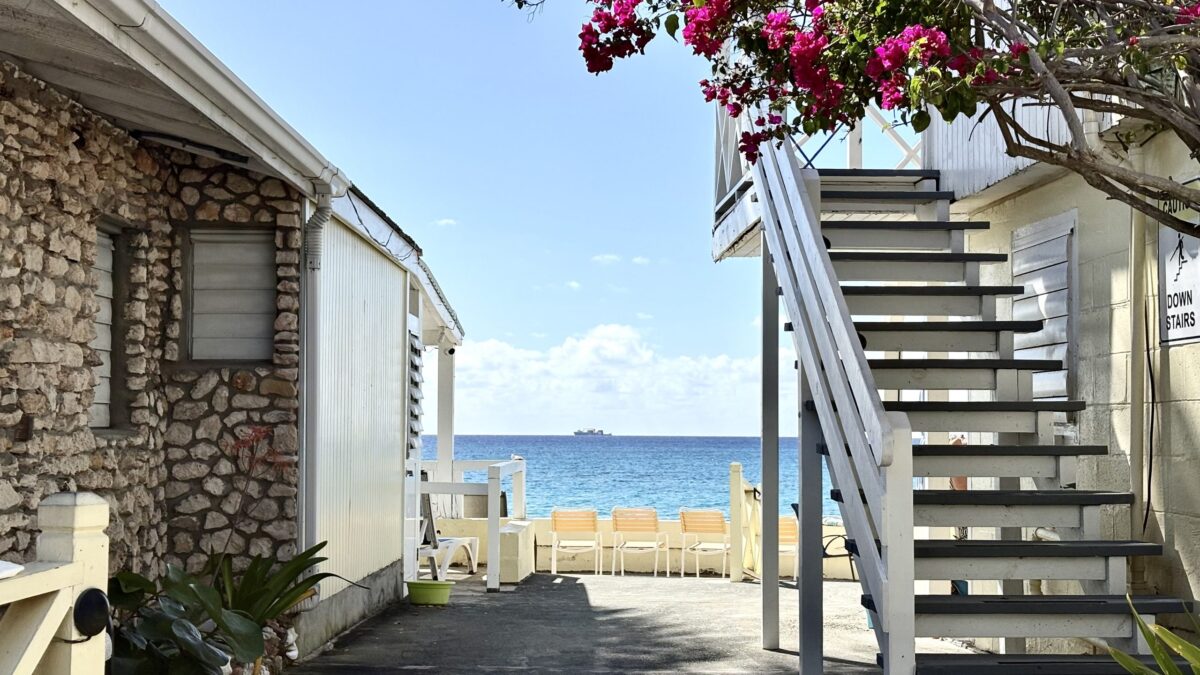
There is no accommodation in the national wildlife refuge. The closest options are in the nearby town of Frederiksted.
- Cottages by the Sea — 3-star hotel. Located 1 mile from Sandy Point National Wildlife Refuge at the western end of St. Croix. Beachfront lodging in cottages, including options with sea views and full kitchens.
- Sand Castle on the Beach — 3-star hotel. Located 1 mile from Sandy Point National Wildlife Refuge; outdoor pool and beachfront cafe. Accommodation ranging from basic guest rooms and studios to one- and two-bedroom villas with kitchens.
- Victoria House — 3-star hotel. Historic boutique inn located 2.4 miles from Sandy Point National Wildlife Refuge. One- and two-bedroom suites, restaurant, bar, and outdoor pool.
Nearby Beaches
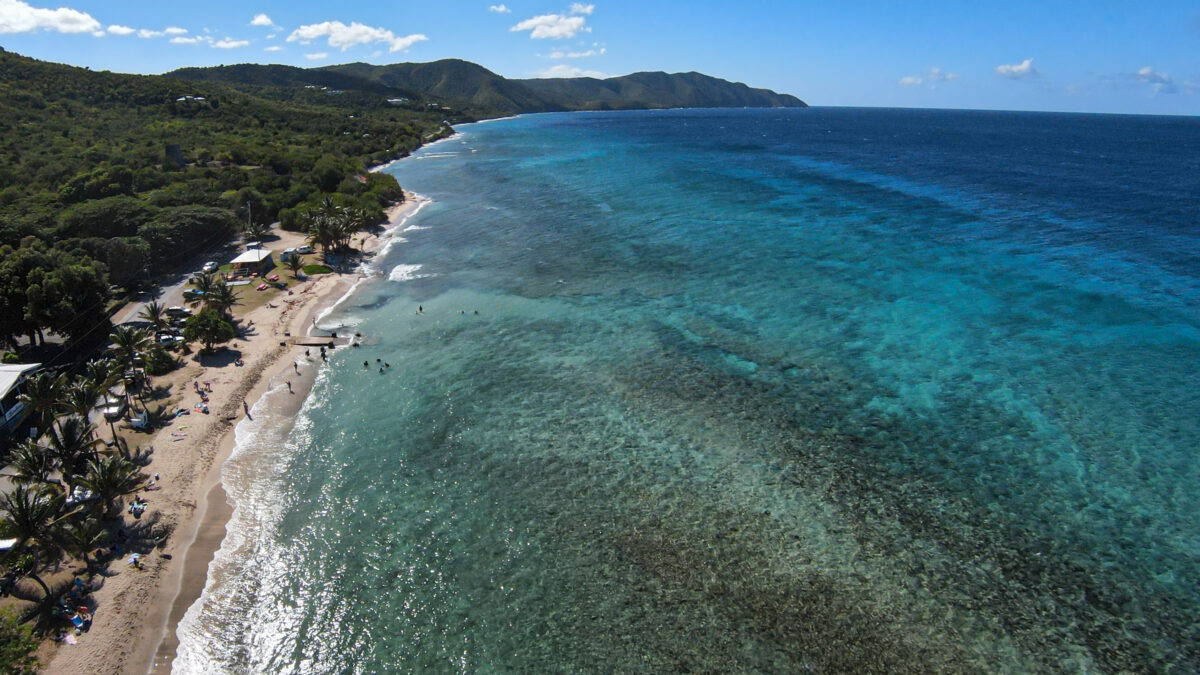
If you want to enjoy a variety of St. Croix beaches within easy reach of Sandy Point National Wildlife Refuge and Frederiksted, there are several options to consider during your time on the island.
- Rainbow Beach: A lively beach with soft white sand and clear aquamarine water ideal for swimming and water sports. Beach volleyball, beachside dining, live music, chair and umbrella rentals available. West End Water Sports offers jet ski tours/kayak, standup paddleboard, snorkeling gear, and other rentals right on the beach.
- Fort Frederik Beach: Easily accessible for those staying in Frederiksted, this sandy city beach is located right next to the pier. The clear blue water is ideal for swimming and snorkeling around the pier pillars, which are covered in coral. There are also picnic tables and public restrooms available.
- Cane Bay Beach: One of the best beaches for snorkeling right offshore and for scuba diving the famous “Wall.” Guided diving tours are available through Sweet Bottom Dive Center.
Conservation and Responsible Travel
Sandy Point is a protected U.S. National Wildlife Refuge. It is managed by the U.S. Fish and Wildlife Service and recognized as a critical nesting habitat for endangered leatherback sea turtles. To ensure protection of the turtles and prevent interference with nesting activities, it is only open to visitors on the weekends between September 1st and March 31st. Strict adherence to conservation protocols is required.
Rules visitors must follow:
- There is a strict ban on anchoring to protect turtle nests, which means no umbrellas, chairs, tents, or stakes can be stuck into the sand.
- No pets are allowed, with the exception of service dogs.
- Driving on the beach is prohibited.
- Visitors must bring their own supplies and take all trash with them.
- No jet skis or personal watercraft of any kind are allowed, which includes landing on rocks offshore.
- Bonfires are not allowed
- No fishing.
FAQS
How do I access Sandy Point National Wildlife Refuge?
Most visitors rent a car and drive, with the main entrance located off Route 63, about six miles from St. Croix’s airport. A long dirt road winds through the refuge to multiple parking areas close to the beach. While taxi service is available, most drivers will not travel the approximately two-mile-long, narrow, unpaved dirt road, requiring a long walk from the entrance.
What are the opening hours?
Sandy Point National Wildlife Refuge is open on weekends only from 10 a.m. to 4 p.m. between September 1st and March 31st.
Is it safe to swim?
The water is crystal clear and in brilliant shades of turquoise, while the quality has been ranked by experts as a 5 out of 5, making Sandy Point National Wildlife Refuge safe for swimming. The southwest side is typically calm; however, caution is advised at the northwest side, where the water can be rougher, and there is a steep drop-off. There are no lifeguards on duty.
Are there any restrooms or other facilities?
There are no restrooms, outhouses, or facilities of any kind at Sandy Point National Wildlife Refuge. Visitors should use restrooms in nearby Frederiksted or at another local business before traveling to the beach, as the refuge is an undeveloped, protected wilderness area.
What should I bring?
Bring plenty of water, food, reef-safe sunscreen, and towels. Staking umbrellas is not allowed, but you can bring sandbags to anchor one or a portable canopy for shade. As this is a “leave no trace” refuge, follow the “pack-it-in, pack-it-out” rule by bringing a bag to pack out all your trash.