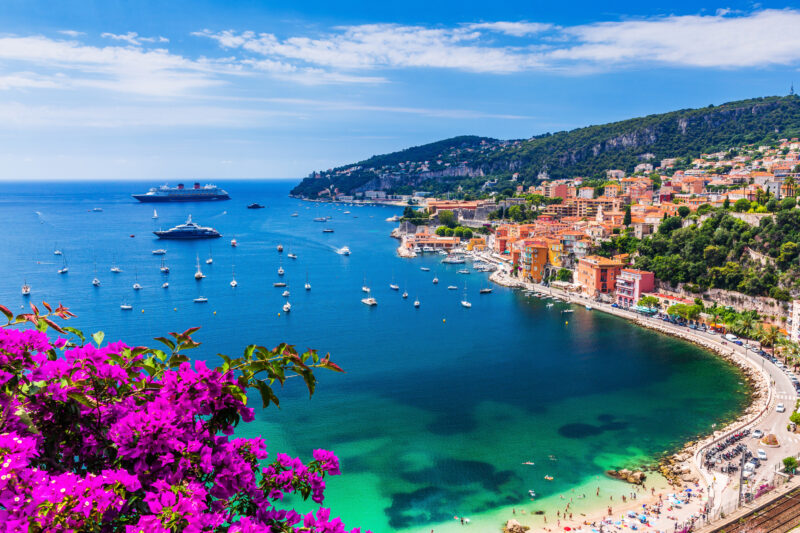

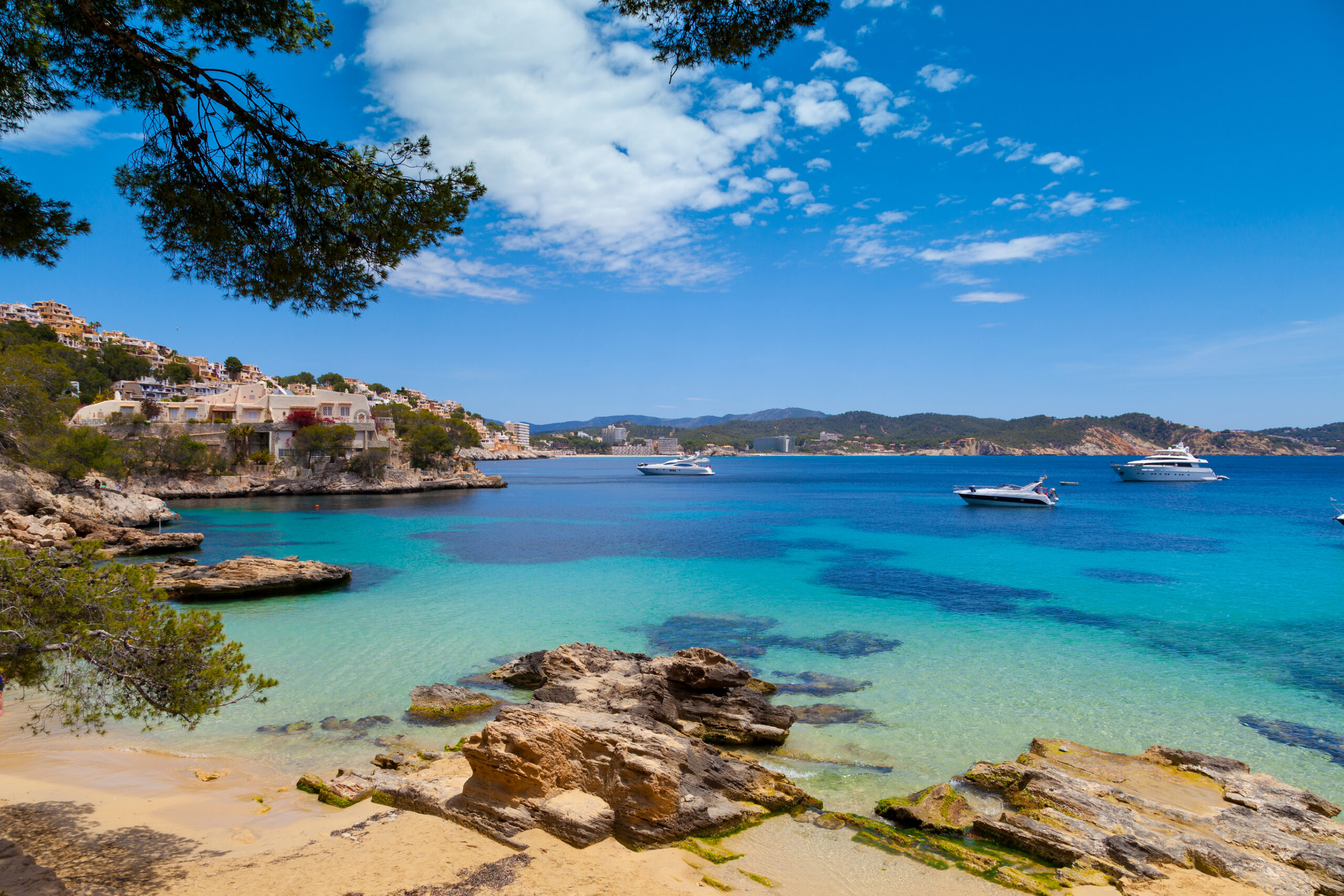
You can have a fantastic beach town experience in Spain. The Mediterranean and Cantabrian coasts on the mainland, combined with the Atlantic on the Canary Islands, offer hundreds of seaside destinations. Spring is when the weather is pleasant, the summer heat hasn’t arrived yet, and prices are at their lowest. Although I’ve visited this country over 30 times, I am still amazed by how many beach towns are yet to be discovered.
While Barcelona, Málaga, and Valencia get millions of tourists yearly, let’s look at some of the underrated gems scattered around 4,900 miles of Spain’s coastline. From the volcanic beaches in faraway La Gomera to Mallorca’s quieter settlements, here’s a list of fantastic Spanish beach towns to visit this spring.
Nerja, Andalusia
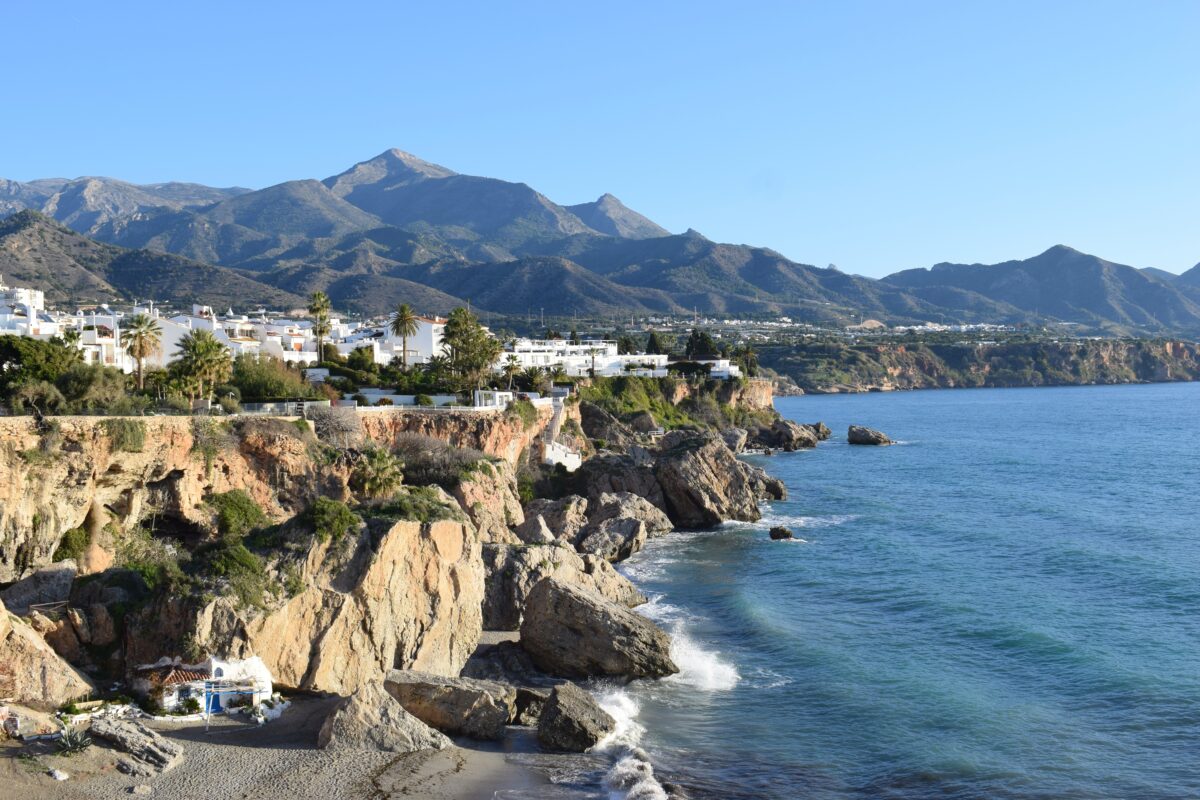
Backed by the dramatic peaks of the Sierras de Tejeda, Almijara y Alhama Natural Park, Nerja is a picturesque beach town near Málaga. California lovers will have déjà vu here—the local landscapes and coves bear a resemblance to San Diego’s La Jolla and Malibu coast. But that’s where the similarities end. Nerja is very Andalusian. The whitewashed houses of the Old Town are as photogenic as it gets.
The town is also home to some of Costa del Sol’s most beautiful beaches, such as the long sandy Playa de Burriana and the rocky coves of Playa de la Calahonda and Carabeo. Just outside Nerja is the scenic Playa de Maro, where you can kayak to a waterfall that bursts from the rocks to the sea. The national park nearby is perfect for easy hikes.
Peguera, Mallorca
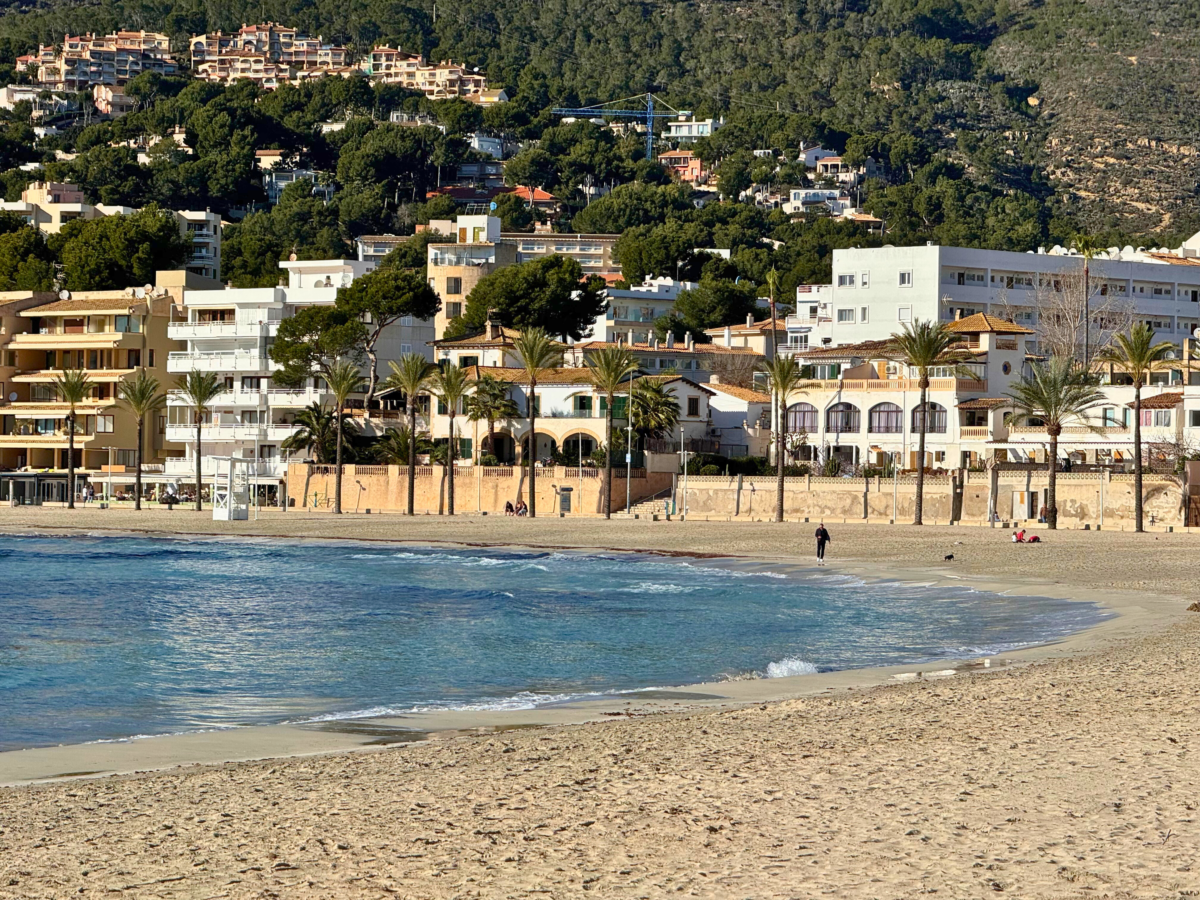
Spring in Peguera is magical. The Mediterranean nature is in full bloom, and you can swim in the crystal-clear waters starting in May. Located on the island’s Calvià Coast, this town is ideal for calm, retreat-style leisure. On the other hand, you’re never far from the action, as party-ready Magaluf and Palma de Mallorca are a short drive away. Peguera’s main selling point is the gorgeous central beach, a crescent-shaped Platja Palmira. Among Mallorca’s finest, it offers soft white sand and transparent waters.
Kayaking and paddleboarding are great ways to explore the coast. You won’t have to travel too far to experience the legendary Mallorcan blue calas (or coves)—you’ve got one within walking distance from the city center. Cala Fornells is a photogenic spot, where limestone rocks meet the turquoise waters. Walk a bit further to find Caló d’en Monjo, a wild cove, surrounded by pine forest.
Blanes, Catalonia
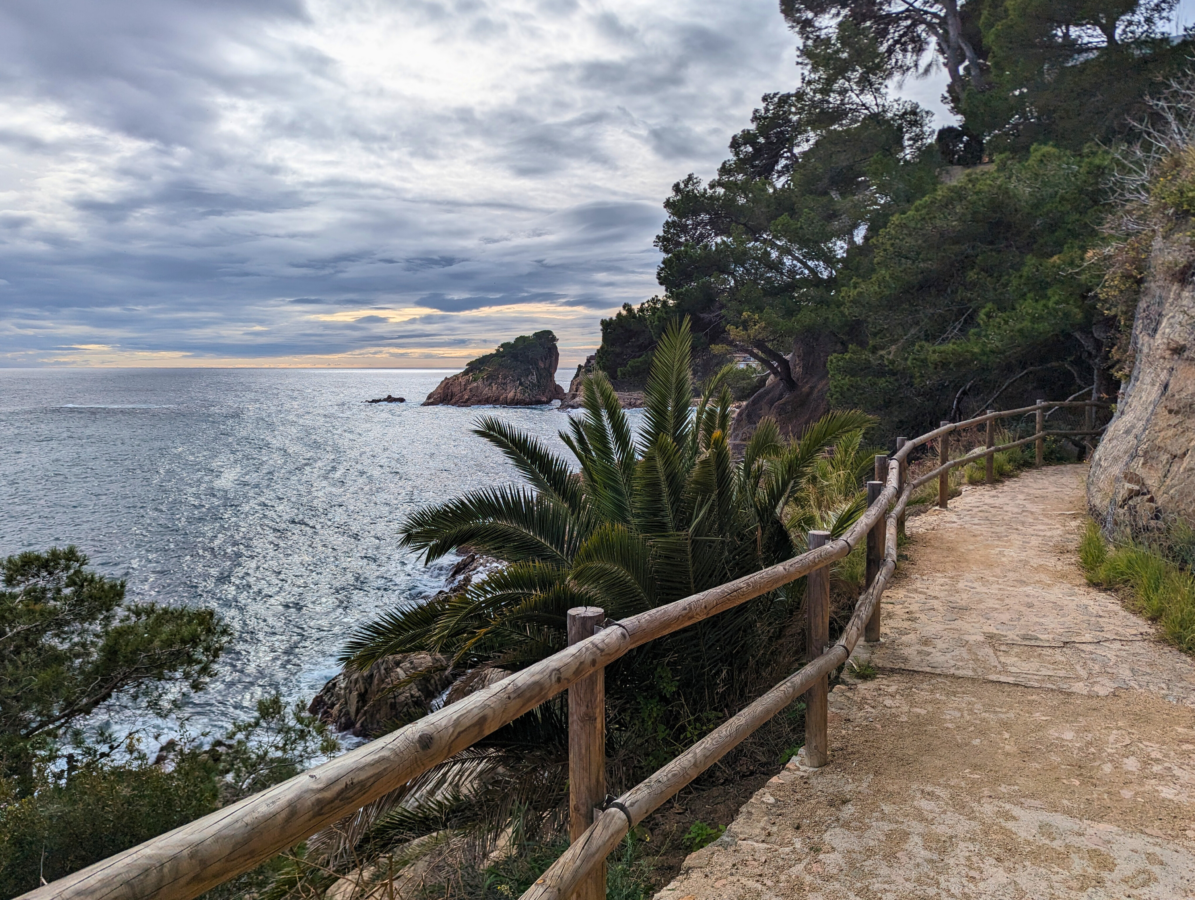
With a train station and bus connections to the Costa Brava towns of Lloret de Mar and Tossa de Mar, Blanes is often only a mere transit point for many travelers. It’s high time to give it a try this spring. The town offers one of the most striking coastlines in Catalonia, along with some other unique attractions. Central Platja de Blanes is a classic urban beach flanked by many cafes and restaurants. For a wilder experience, take a scenic walk to Cala Bona (also called Cala de Sant Francesc), a real stunner. It’s a moon-shaped cove, overlooking the high cliffs.
Blanes is also the start of the Camí de Ronda, an 86-mile coastal trail that connects the major Costa Brava destinations. If you have time, hike the gorgeous Blanes-Lloret de Mar section, which passes through stunning coves, Santa Cristina Beach, and Platja de sa Boadella. Spring is also a good time to visit the Jardí Botànic Marimurtra, a 1920-founded botanical garden with plants from the Mediterranean, South America, and Africa. The miradors (viewpoints) are spectacular there.
Arrecife, Lanzarote
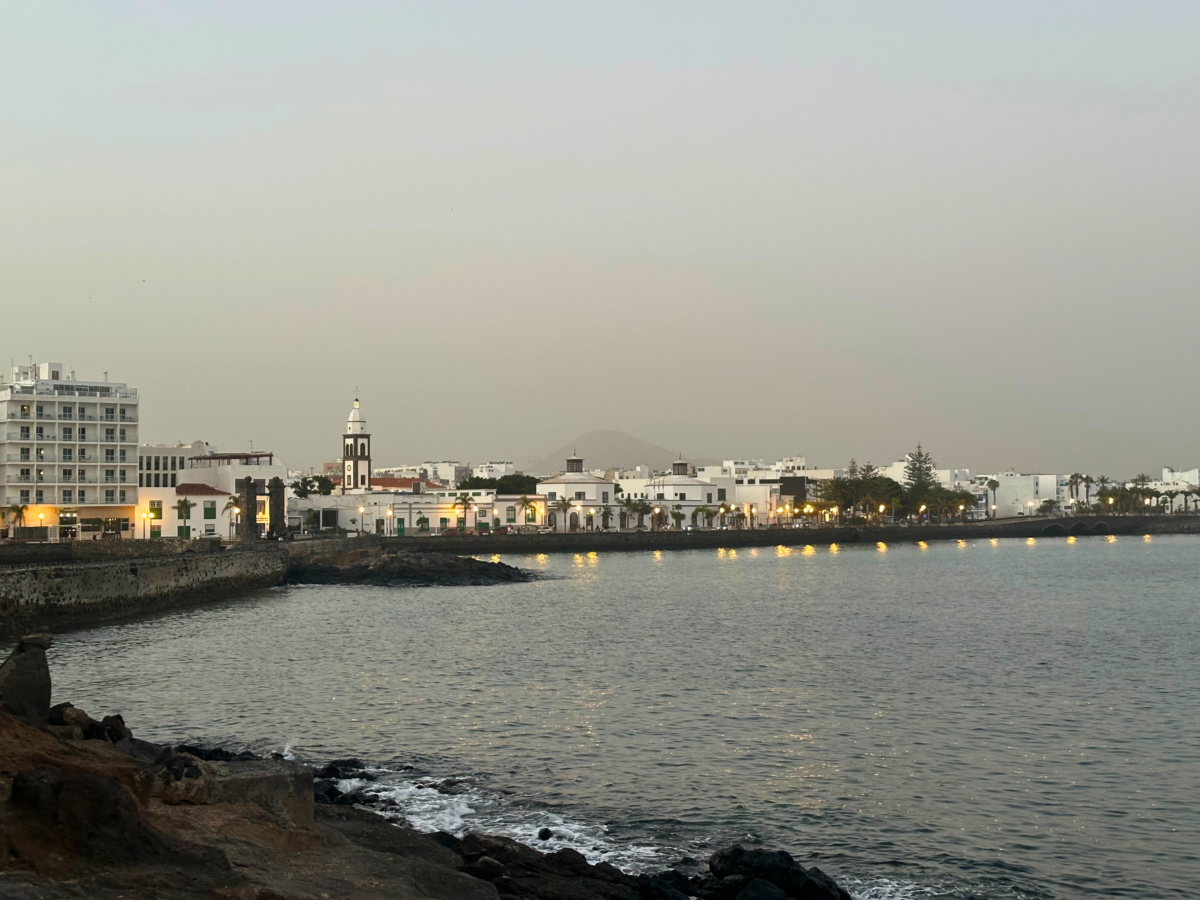
Arrecife’s location is exceptional. Volcanic cones surround the capital of Lanzarote. Its main beach offers direct access to the reef—a snorkeler’s dream. The whole vibe is very relaxed, thanks to numerous Canarian restaurants and a scenic seaside promenade. Getting lost in the quiet, whitewashed streets of Arrecife is my favorite kind of travel therapy. Take a drawbridge to stroll to the medieval Castillo de San Gabriel, which guards the bay.
Playa Reducto is the town’s main beach with golden sand and coconut trees. You can go swimming in spring, as Lanzarote enjoys a pleasant subtropical climate. For a variety of resorts, visit the Costa Teguise nearby. It’s the island’s top resort town with the sandy Playa de las Cucharas beach.
Baiona, Galicia
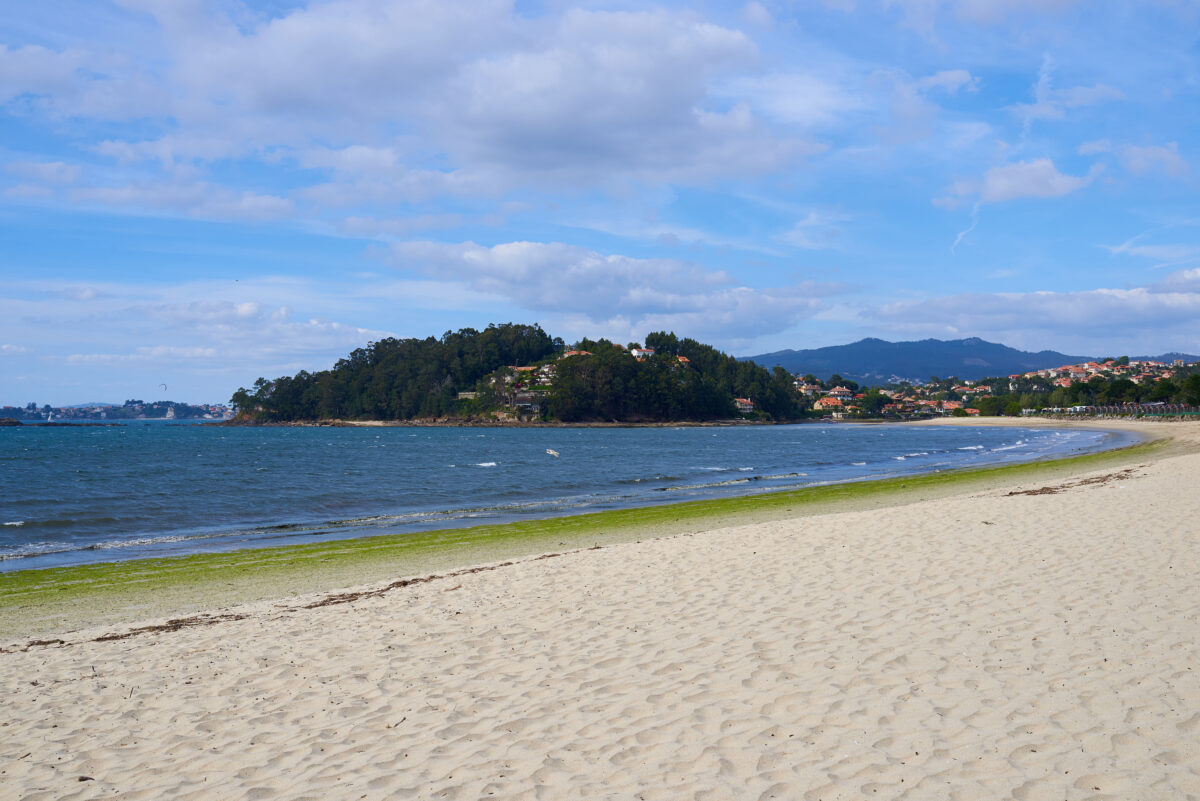
Sand-colored historic houses line the beautiful Baiona harbor. The looks here are far from the sparklingly white coastal towns of the southern provinces of Andalusia or Alicante. Located in Galicia, the town overlooks the stunning Atlantic Ocean. Baiona is famous for being the first port Columbus reached after his journey to find the New World.
The town’s main beaches, Praia da Cuncheira, Praia da Ribeira, and Praia da Barbeira, are spectacular white-sand bays flanked by green hills of Monte Boi. In spring, the stretches are perfect for paddleboarding. The town is also a stop on the Portuguese Way, a Camino de Santiago trail from Portugal to Santiago de Compostela.
Valle Gran Rey, La Gomera
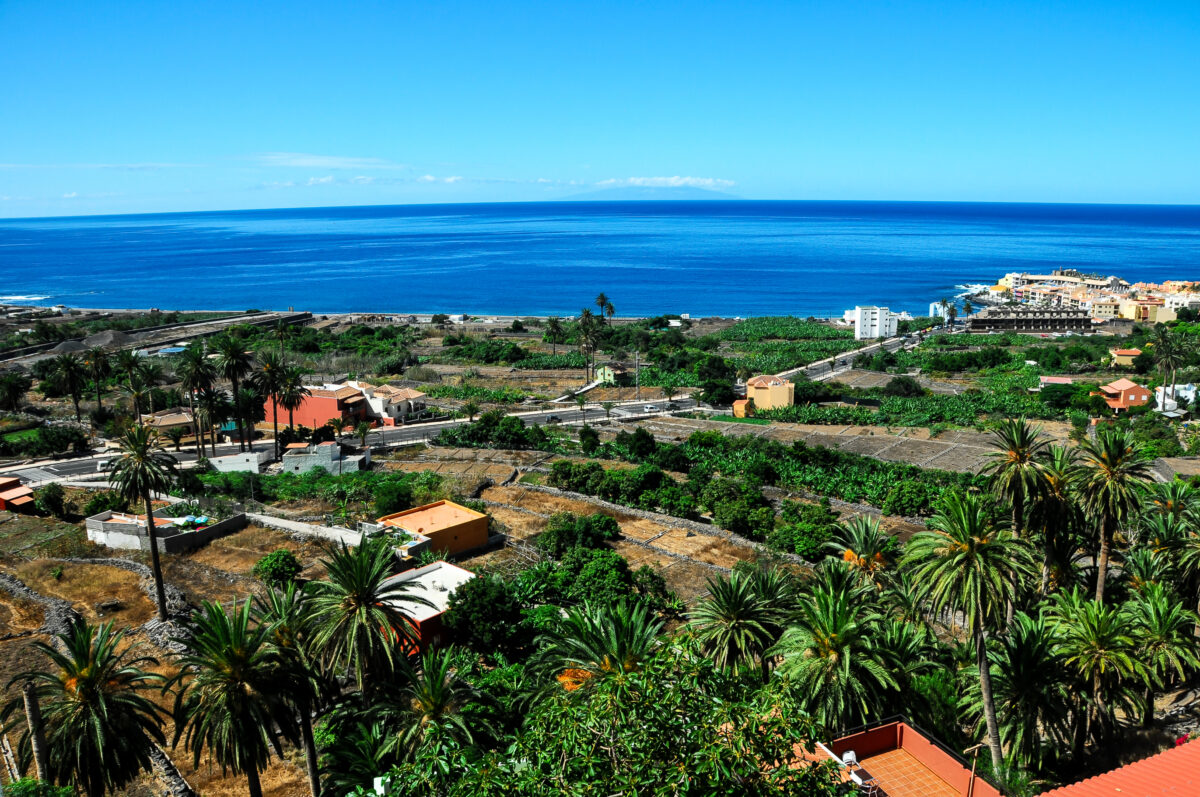
High volcanic mountains rise above Valle Gran Rey, one of the most charming beach towns of La Gomera. This island, located west of Tenerife, offers many black-sand stretches, spectacular hikes, and pristine nature. Playa del Ingles and Playa Valle Gran Rey are two gorgeous beaches in town. The harbor at the Puerta de Vueltas is home to several seafood restaurants, where you can have Canarian dishes like papas arrugadas con mojo (“wrinkly” cooked potatoes with red sauce), sancocho canario (boiled fish with potatoes), and choco a la plancha (grilled cuttlefish).
Valle Gran Rey is a great base for exploring Garajonay National Park, the UNESCO-protected primeval laurisilva forest in the island’s interior. Playa Valle Gran Rey is a more family-friendly stretch, while Playa del Ingles is popular with nudists. It’s an open Atlantic Ocean, and the waters get wavy and windy.
Ciutadella, Menorca
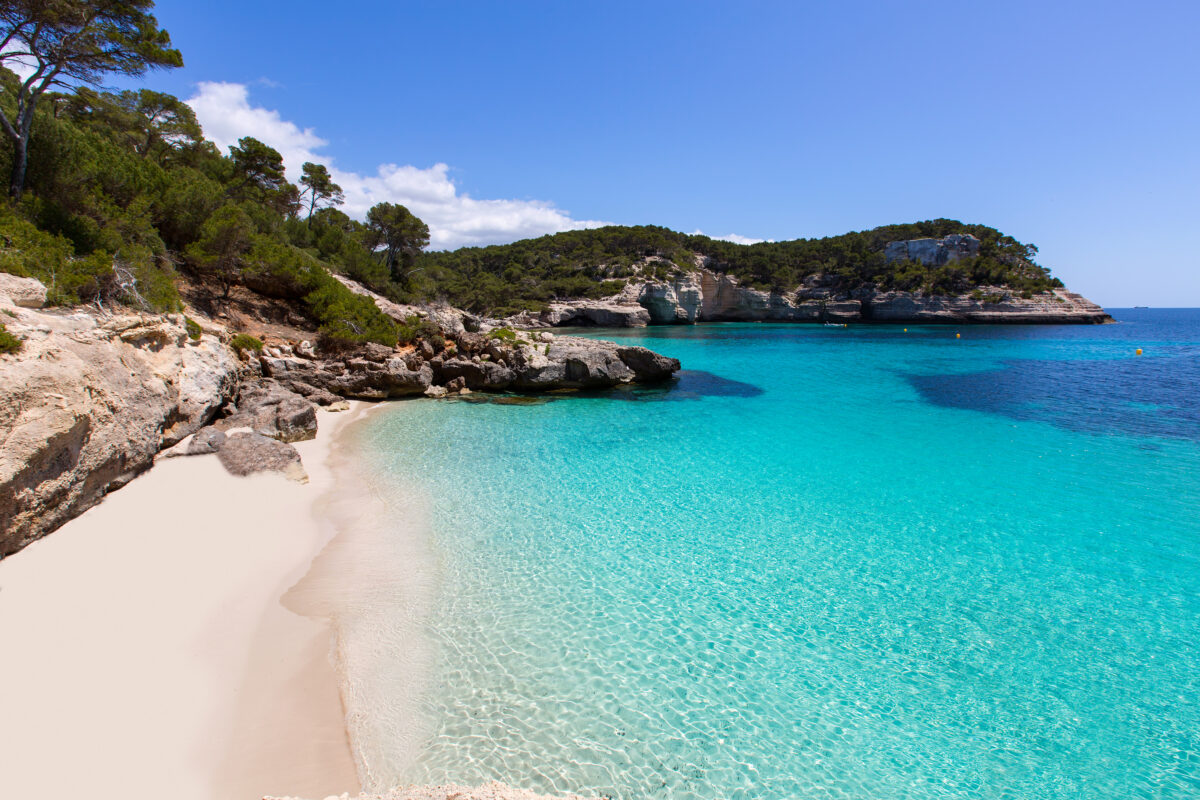
Ciutadella is the Balearic beach town life at its most charming. Much like Palma de Mallorca, it offers a picturesque historic quarter, filled with narrow streets, pastel-colored palaces, and ancient cathedrals. But the scale is smaller in Menorca’s precious port. And it gives you a taste of the island’s sublime coves without having to travel too far. Sa Farola Beach is a tiny blue paradise next to the city center. It’s a popular spot for snorkeling and cliff jumping. Crystal-clear waters and a sandy beach await you at Sa Caleta, on the southern side of town.
The city is also very close to Menorca’s top resort towns, Cala en Blanes and Cala Santandria, each offering magnificent coves. On the sightseeing front, have a coffee at the elegant Neo-Classical Plaça des Born and step inside the lavish interior of the Catalan Gothic Catedral de Menorca. For snorkeling and scuba diving, drive to Cala en Forcat nearby.
Getaria, Basque Country
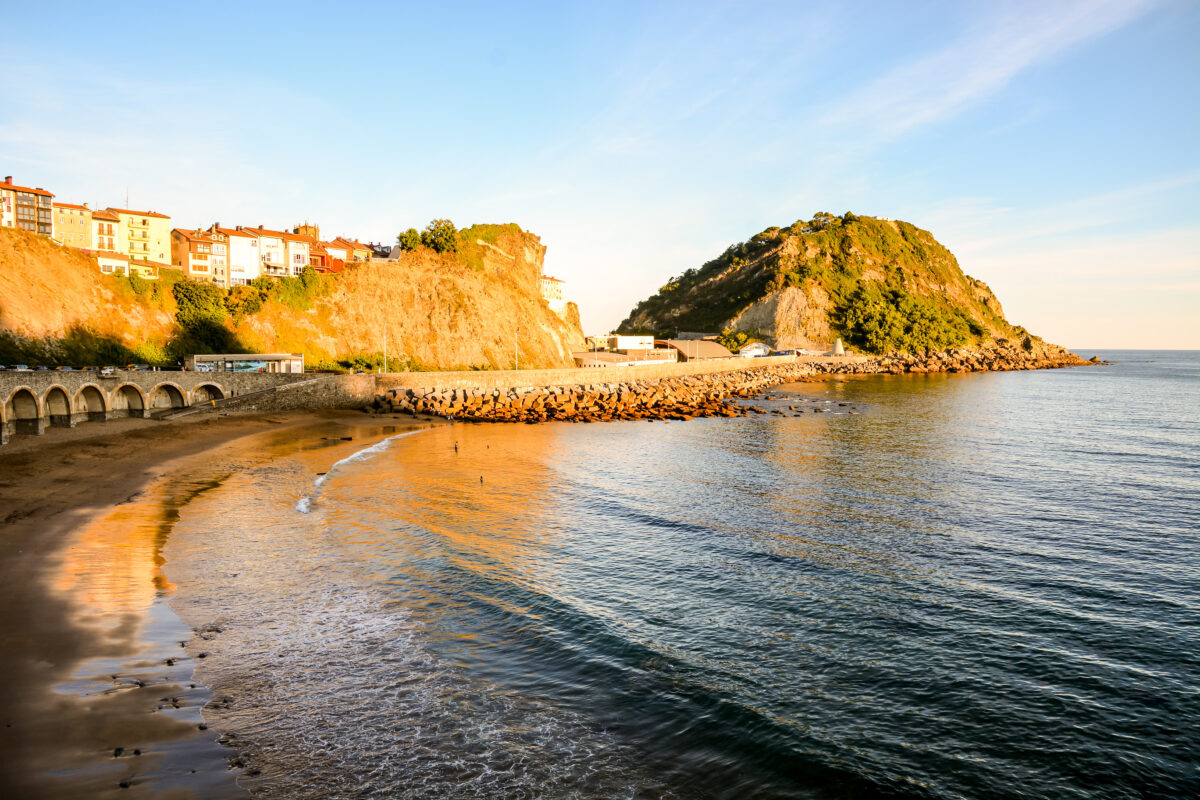
Easily the most picturesque village in the Basque Country, Getaria is a delight. The town is famous for being the birthplace of Juan Sebastián Elcano, who circumnavigated the Earth for the first time, and Cristóbal Balenciaga, a founder of an iconic fashion brand. Getaria’s center is filled with atmospheric medieval houses, which host pintxo (traditional Basque tapas) bars and seafood restaurants. There are two beaches with different personalities. Gaztetape is often wavy and rough, perfect for spring surfing sessions.
The more sheltered Markobe Hondartza offers calm waters and soft white sand. Picnicking and wandering are the best activities to pick here. Starting in April, the hills around Getaria begin to bloom, making this town even more appealing. San Anton mountain (also known as Getaria’s mouse for the looks) is a top spot for coastal walks and scenic views.
Chipiona, Andalusia
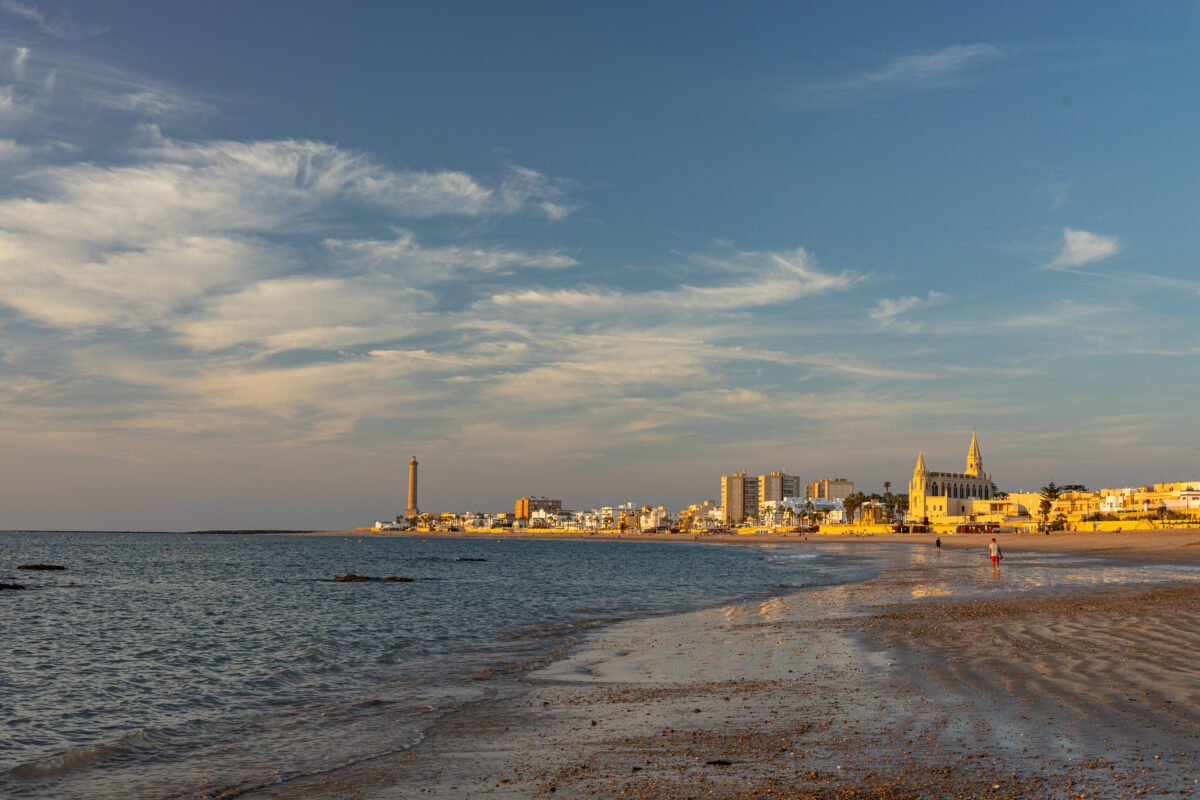
Andalusia’s Costa de la Luz is an underrated stretch of beach towns near Cadiz. Known mostly for its lighthouse (Spain’s largest), Chipiona is where you find a series of spectacular beaches. It’s all golden sand and shallow waters in this town. The windy Atlantic coast offers ideal conditions for windsurfing. The most popular beach, La Playa de Regla, is bordered by a lively promenade of bars, cafes, and restaurants.
The restored Gothic Santuario de Regla church majestically rises above the sands. Chipiona is a beautiful place for a beach holiday. And you can’t leave without climbing the 344 steps of the gargantuan 62-meter lighthouse and enjoying the stunning panoramas from above.
Santa Cruz de La Palma, La Palma
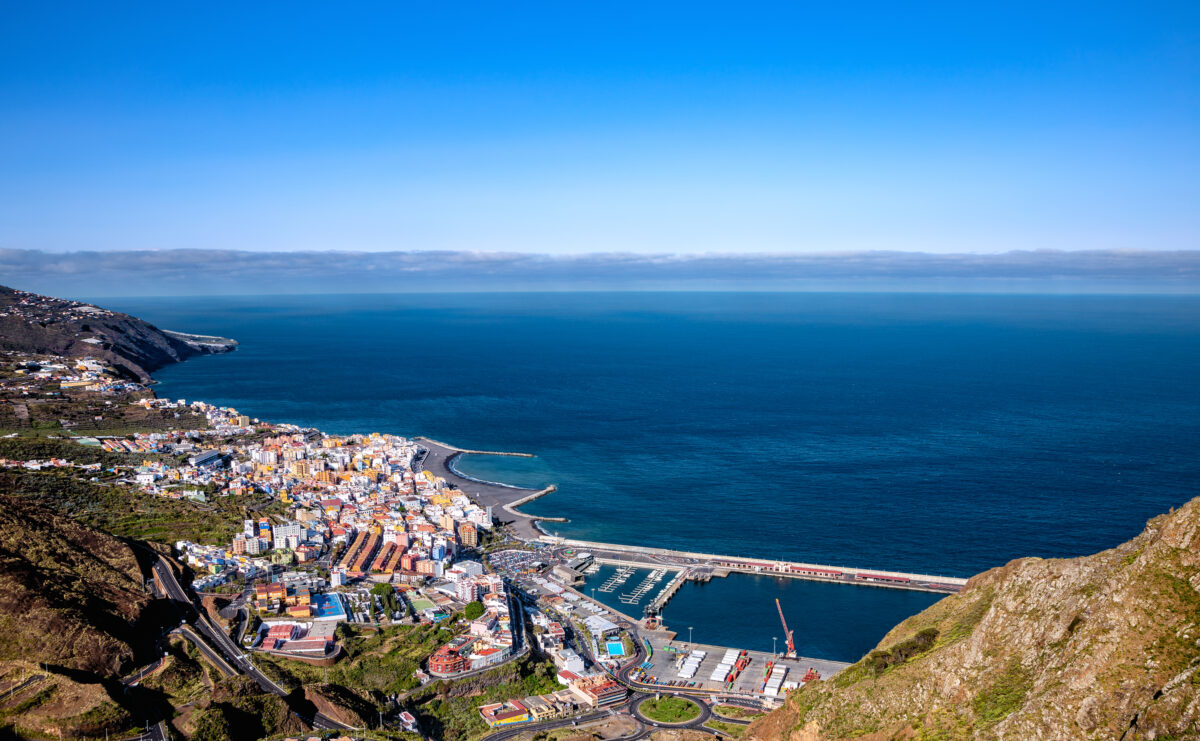
Escaping to the Canary Islands in spring gives you guaranteed warm weather and sun. Like La Gomera, La Palma doesn’t get the high tourist numbers of Tenerife and Gran Canaria. Its beautiful capital, Santa Cruz de La Palma, stands in the shadow of the volcanoes. The city is a visual feast: the black sand of the central playa, the dark-blue waters of the Atlantic Ocean, the multicolored wooden balconies of houses along Avenida Maritima, and the medieval fortifications guarding the bay. Santa Cruz de la Palma is among the first Spanish colonies, and many historic palaces dot its narrow streets.
Convent-set Museo Insular de La Palma is a great way to immerse yourself in the island’s past and see local handicrafts. The main beach is right next to the historic quarter. Equipped with showers and changing rooms, it’s among the most family-friendly black-sand beaches in Spain. Another spectacular stretch is Playa de los Cancajos, between Santa Cruz and the airport. Here, you can snorkel near rocks. The island is also home to Caldera de Taburiente National Park, a striking area of Canary pine forests that grow on dormant craters.