
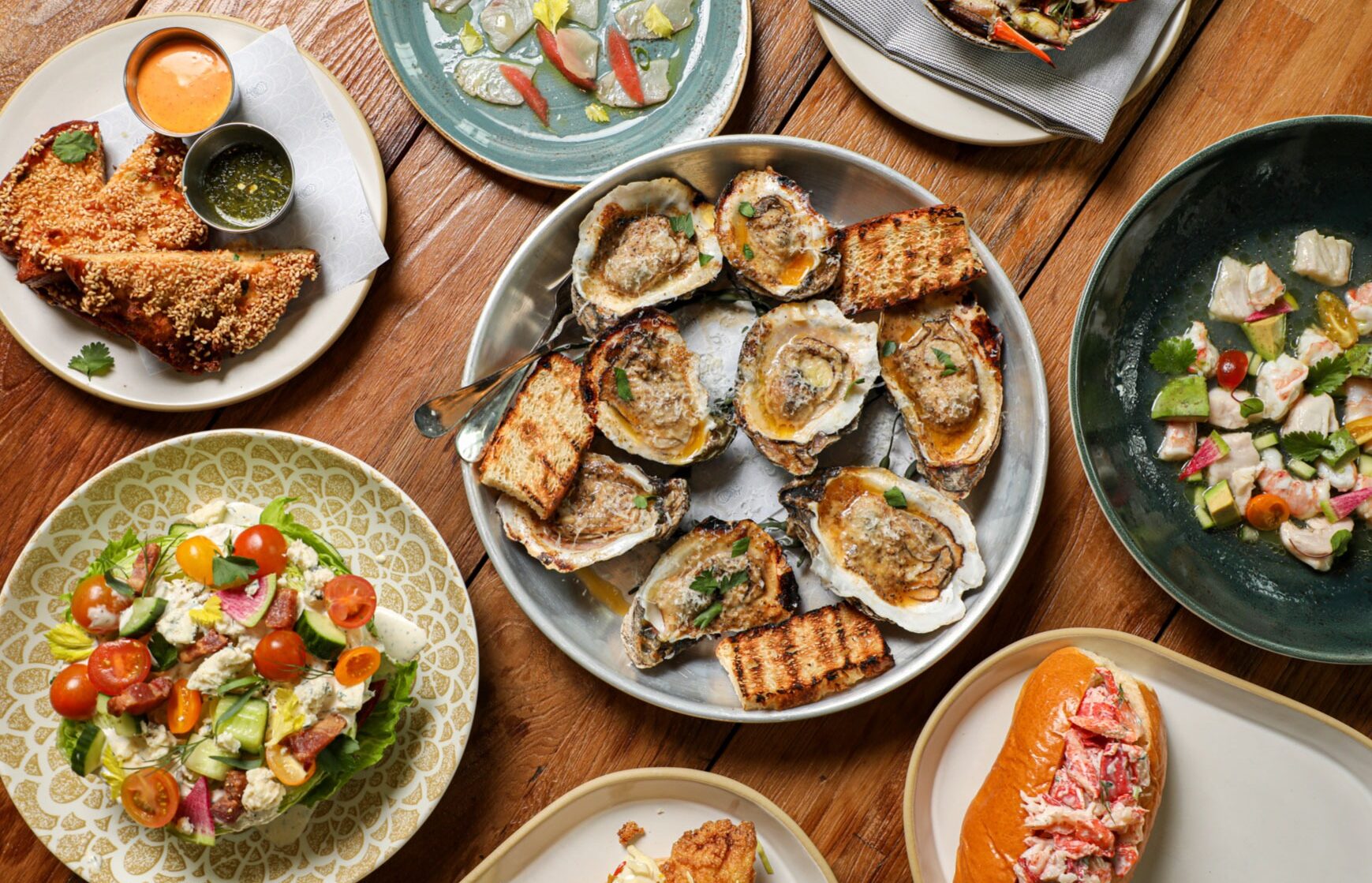
The Gulf Coast is a wide, wide swathe of land, stretching from the tip of Texas all the way down to the tip of Florida. Given that this region is home to so much of the country’s shoreline, it’s no surprise that you can find a variety of great foodie destinations along the way.
Possibly (or at least to me), the most renowned foodie destination in these parts is New Orleans—but we’re not talking about NOLA in this article, and for good reason. We’re talking beach trips and what you need to eat when you go on them, and no one’s going on a beach trip to the Big Easy (no matter its proximity to the Gulf of Mexico).
No, today, we’re talking about what you need to eat if you find yourself vacationing along the pristine shores of the Florida Panhandle, or if you’re kickin’ it in coastal Mississippi.
Here, the seafood is fresh, and your dining experience is going to be a mix of coastal casual fun and classic Southern hospitality.
Ready to get hungry? Here are 9 foods you need to try during a Gulf Coast beach trip.
Grilled Oysters
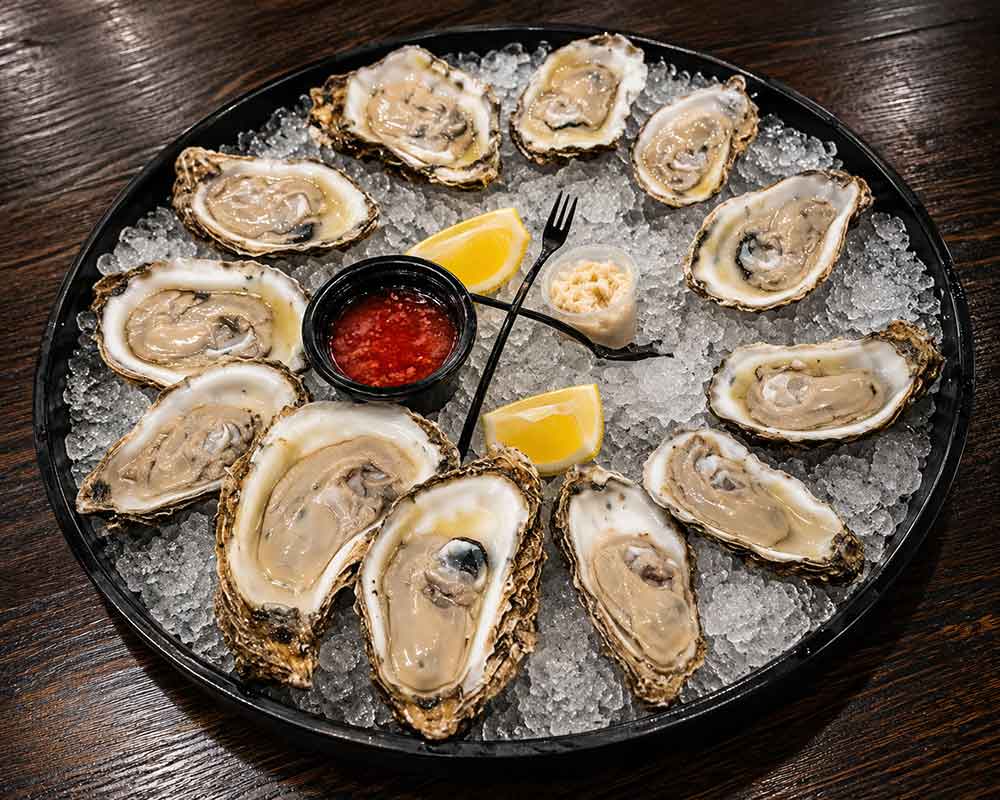
Grilled oysters on the half shell are a staple in this part of the country, no matter if you’re in Texas, Mississippi, Alabama, or Florida. There’s a reason why—Gulf oysters are typically a little bit bigger and, for lack of a better word, meatier, than oysters that you’ll get elsewhere along the country’s coasts, making them ideal for grilling and chargrilling.
After the oysters are cooked up over a wood or gas flame, they can be prepared a few different ways. Sometimes, they’re accompanied by cheese, garlic butter and lemon juice, as well as some bread. Other times, they’re given a kick of spice.
Where to Try It: Fan favorites in the Gulf Shores region include Acme Oyster House and Tin Top.
Crawfish Boil
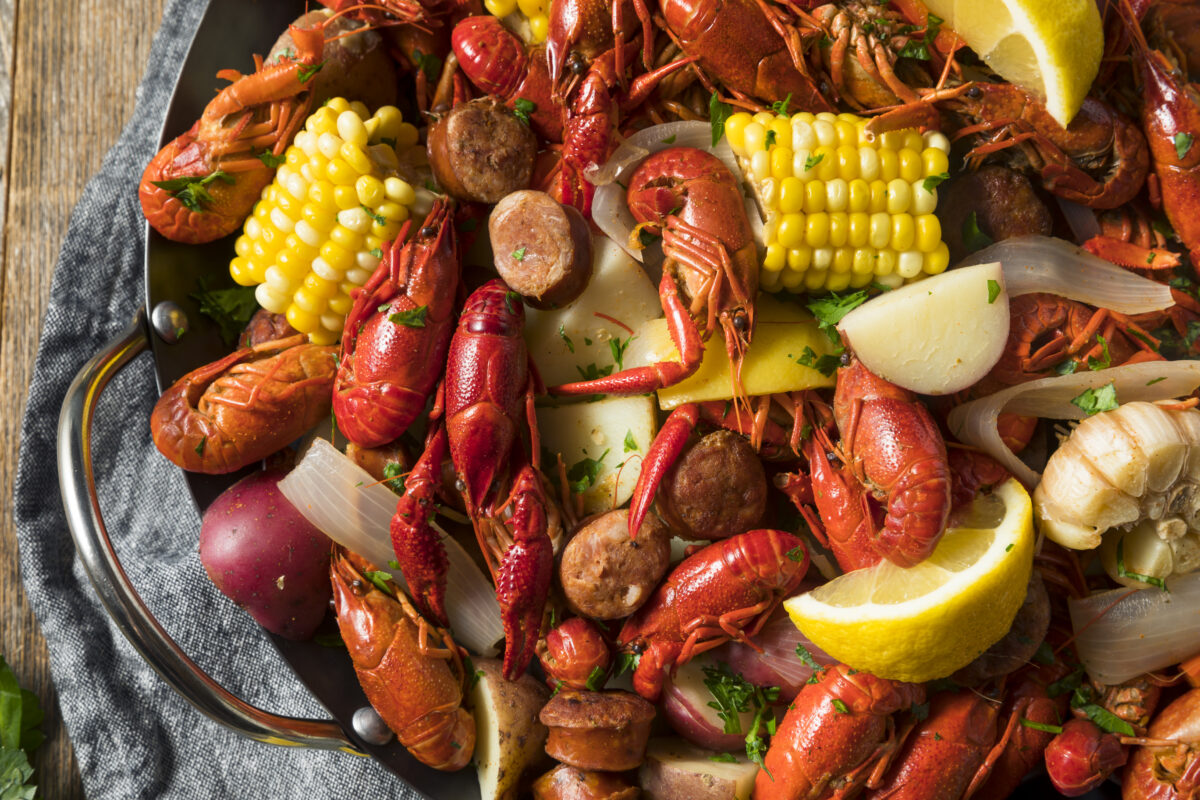
The classic crawfish boil is linked to Louisiana, but it’s spread throughout the region, so you’ll have no trouble finding this meal (or, well, it’s more like an event rather than just a meal) whether you’re in Mississippi, Alabama, or the Florida Panhandle.
If you’ve never encountered it before, here’s what you can expect: Live crawfish cooked fresh, alongside corn on the cob, potatoes, sausage, and a lot of Cajun spices. Eating family style and with your hands is often encouraged, and the whole thing is one big, indulgent-yet-casual feast. (And the communal nature of this meal could come in handy if you need a few local pros to show you the ropes as far as digging into your first crawfish.)
All that said, if you’re not keen on crawfish, the same concept can be interpreted in different ways. A lowcountry boil, for instance, uses shrimp instead of crawfish, and often incorporates fewer spices than a Cajun-style crawfish boil. A more general seafood boil might incorporate ingredients like shrimp or mussels.
Where to Try It: Popular spots along the Gulf Coast where you can taste-test this regional specialty? Try Gulf Shores Seafood, where you can purchase a low country boil for two, or The Catch, with its Grand Gulf seafood boil.
Smoked Mullet
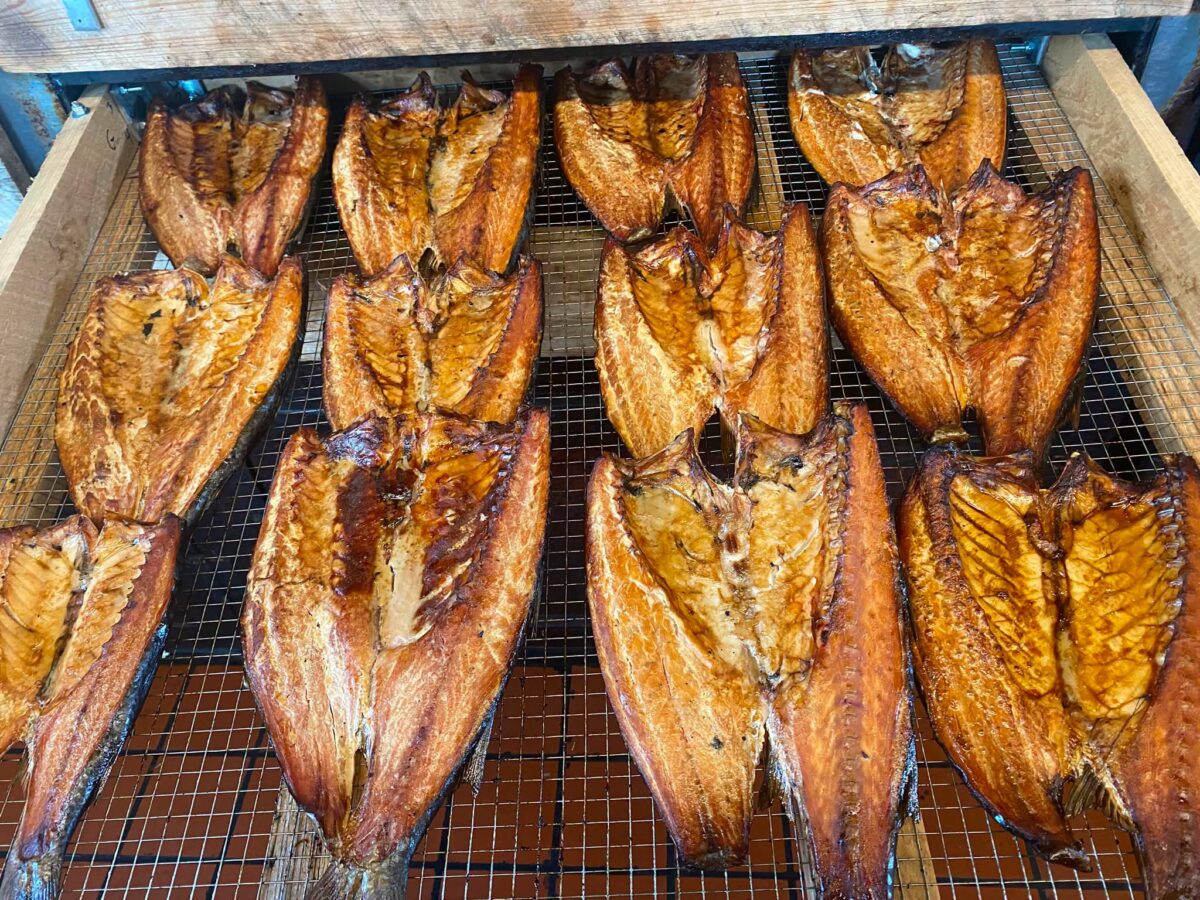
Among outsiders, this regional specialty’s name may raise a few eyebrows. However, if you can get past the word “mullet” (maybe it’ll help you to think of this food by one of its other names, like Biloxi Bacon or southern lox?), you’ll see that there’s something special here.
Mullet is an oily, small fish sometimes disregarded as bait, but the states lining the Gulf Coast have found that, with the right treatment, mullet can be quite tasty. Smoked low and slow, until it can be eaten right off the bone, the fish is enjoyed as is with crackers and hot sauce, but also incorporated into dishes like smoked fish dip or mullet dip (you may see it sold as just “smoked fish dip” everywhere from restaurants to grocery stores to gas stations).
Grab some and eat it up in your beach rental, ideally while you’re overlooking the ocean and piling it onto crackers.
Where to Try It: Consider grabbing some at Walt’s Fish Market in Sarasota, or at Ted Peters in St. Petersburg.
Gulf Coast Bouillabaisse
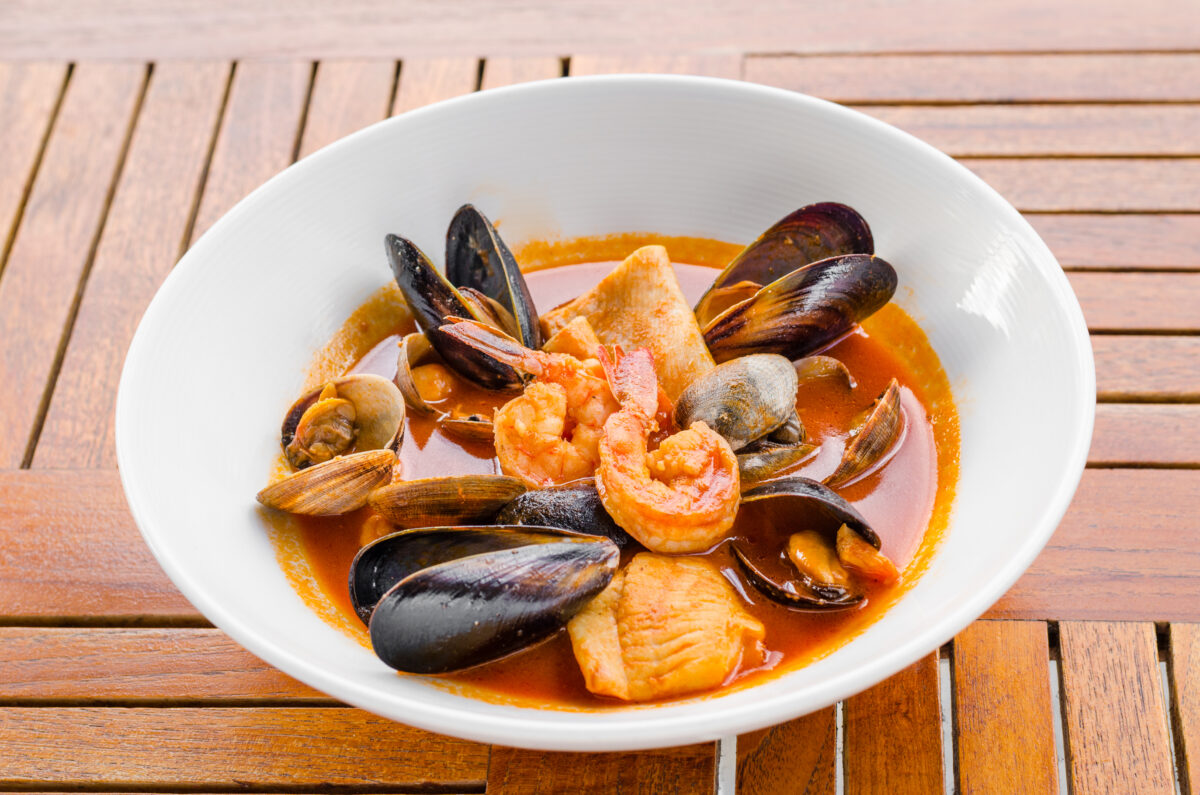
Bouillabaisse? But, wait—isn’t that French? Yes, this is classically a French seafood stew, but with the Gulf Coast’s strong seafood scene, it just makes sense that bouillabaisse might be adapted to fit the ingredients that Gulf Coast chefs have on hand.
Traditionally, bouillabaisse would be made with a good handful of different Mediterranean seafood and fish, paired alongside a savory broth stacked with flavorful ingredients like fennel and saffron, before being served up with some great crusty bread.
On the Gulf Coast, you’re going to see the soup made with locally abundant fish and seafood—think shrimp, blue crab, oysters, grouper, etc.—plus the holy trinity that’s so often found in Cajun and Creole cuisine: onion, celery, and green bell pepper. Additionally, Cajun or Creole-leaning spices might also be used.
Where to Try It: Favorite spots for grabbing a bowl include Duval’s Fresh and Thorny Oyster.
Blackened Redfish
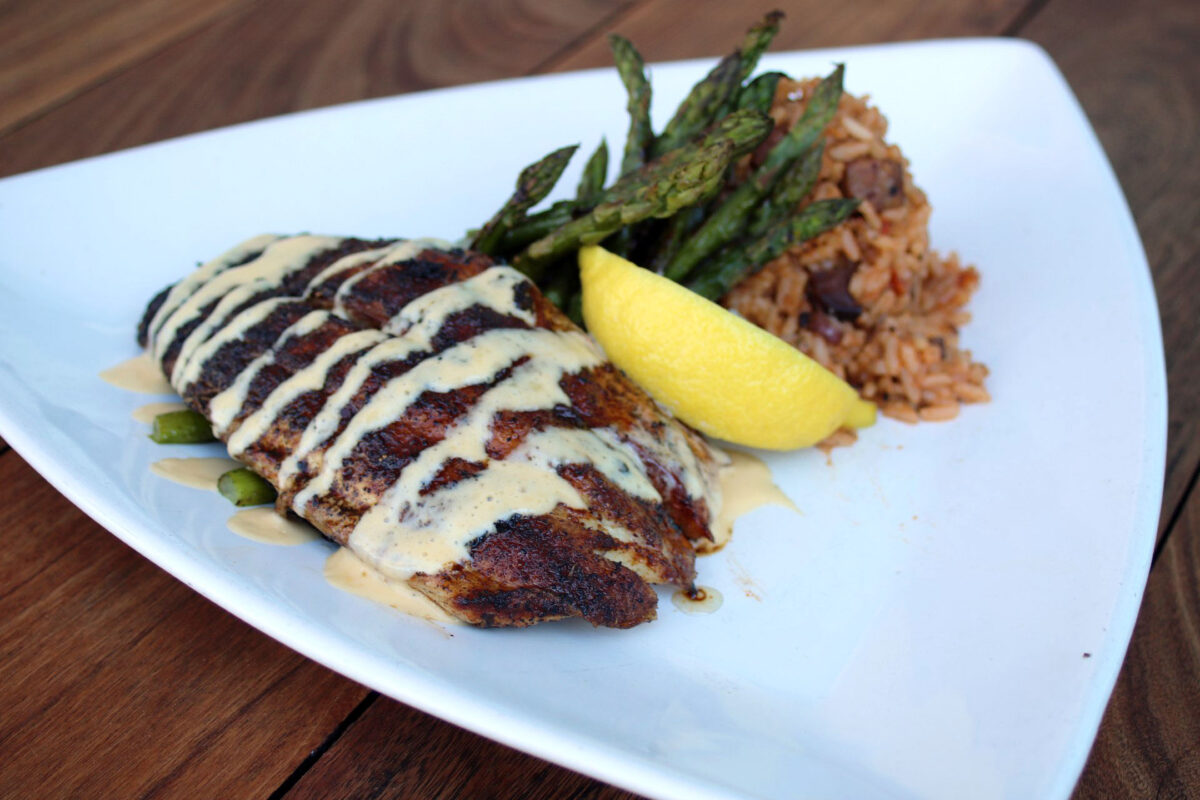
This is a Gulf Coast dish that comes with a caveat and a bit of warning label. The dish was popularized in Louisiana in the 1970s. Redfish met typical Cajun blackening spices before being given a sear at high heat.
Crazily, the dish became so popular and so in demand, that the Gulf of Mexico’s redfish population tanked and literal fishing limitations were required, in order to save the fish. Today, certain restrictions are still in place, and so some of the redfish that you see on Gulf State menus didn’t actually come from Gulf States (and it could actually be shipped in from as far away as Asia).
All that said, you’re still going to find this dish on menus all throughout the region, regardless of sourcing concerns.
Where to Try It: The restaurant where the dish originated (K-Paul’s Louisiana Kitchen) is now closed, but you can find great renditions at beachside locales such as Cobalt in Orange Beach, Alabama.
Stuffed Flounder
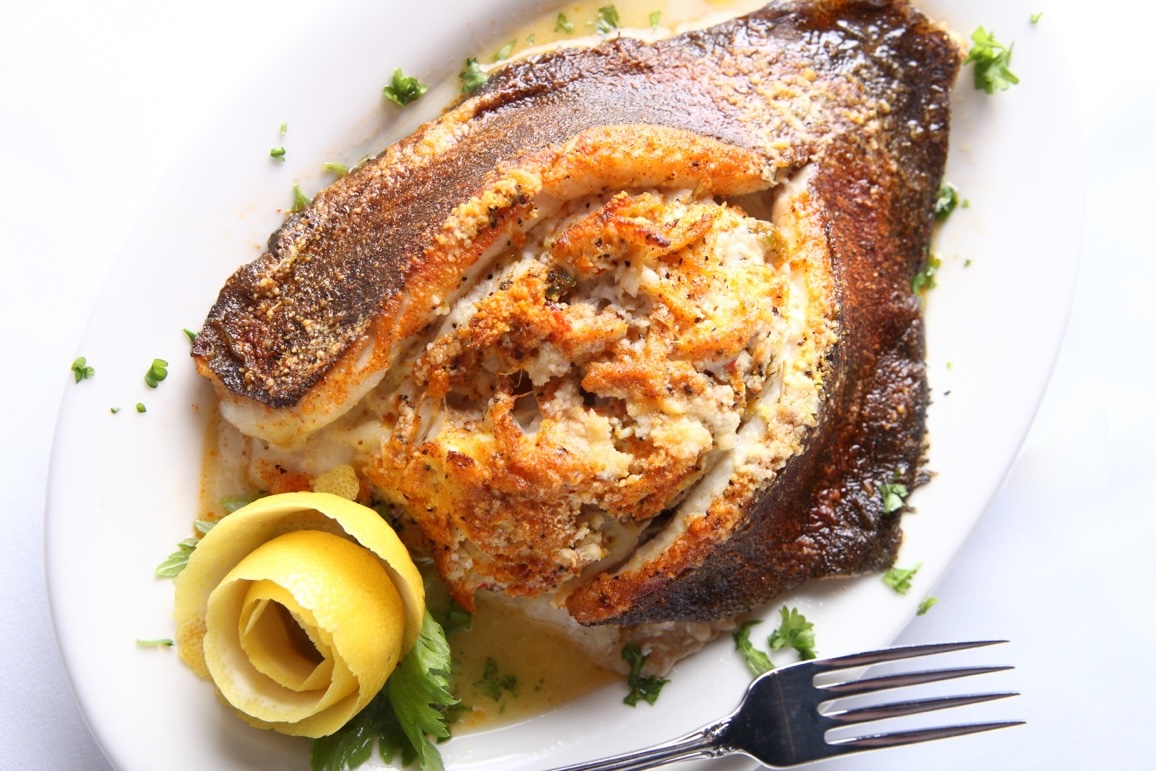
What could be better than fresh, local seafood? What about fresh, local seafood stuffed into more fresh, local seafood?
That’s what you get with Gulf stuffed flounder, which you can find all across this region’s coastline. Typically, you have flounder, and it’s stuffed with blue crab meat and either breadcrumbs or a cornbread-based dressing. Sometimes, shrimp’ll be thrown in as well.
Where to Try It: Mary Mahoney’s in Biloxi, Mississippi, is a favorite spot for this rib-sticking dish.
Grouper Sandwiches
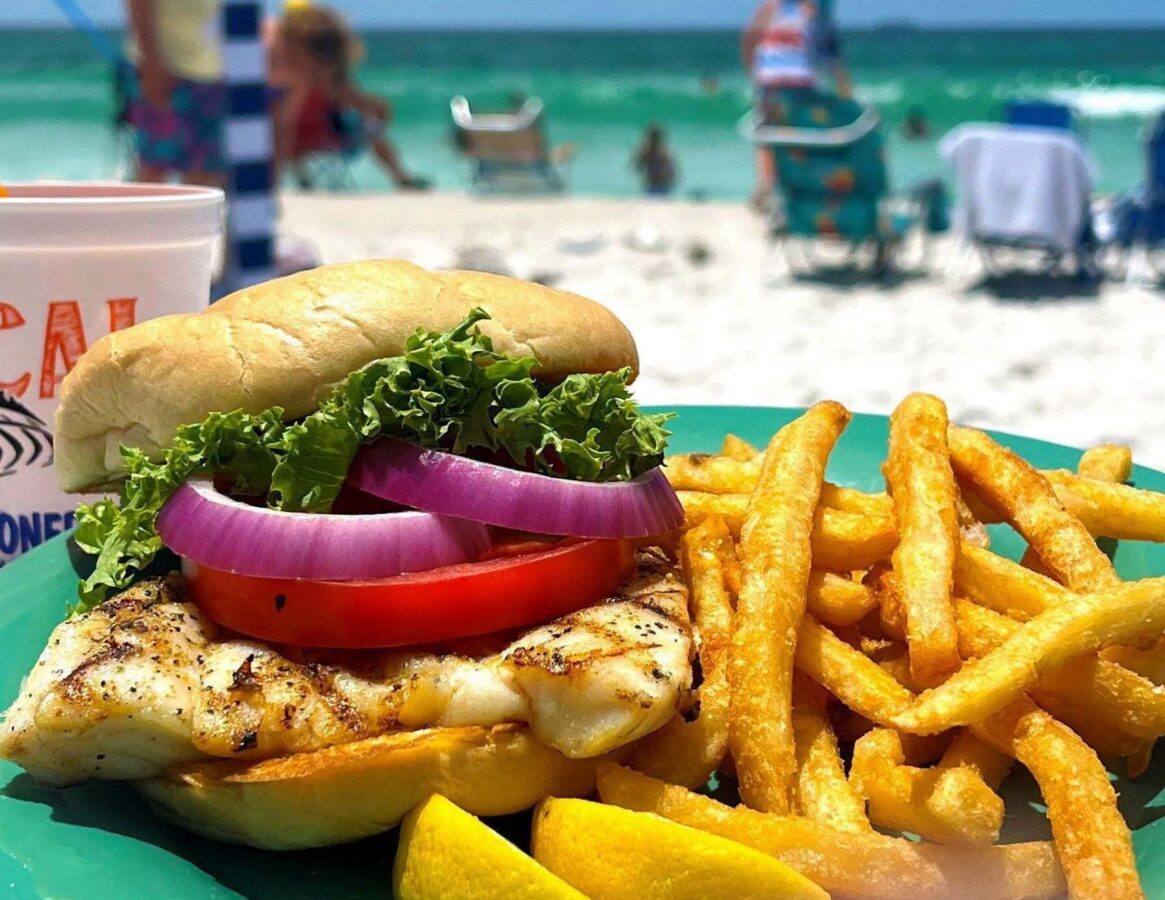
Several years ago, I was on a business trip to northern Florida and all that anyone in my group could talk about? The grouper sandwiches. And for good reason!
Grouper sandwiches are a staple both in Florida and along the Gulf Coast, made popular in the latter half of the last century in tourist locales, because it was a relatively affordable fish that the travelers would eat up with gusto (me included).
Now, you can get grouper sandwiches served every which way. The fish can be fried, grilled, or blackened. It’s often topped with tartar sauce, lettuce, and tomato. It’s simple, it’s good, and the grouper is caught right off the coast.
Where to Try It: Schooners in PCB is a top pick for a grouper sandwich.
Po’Boys
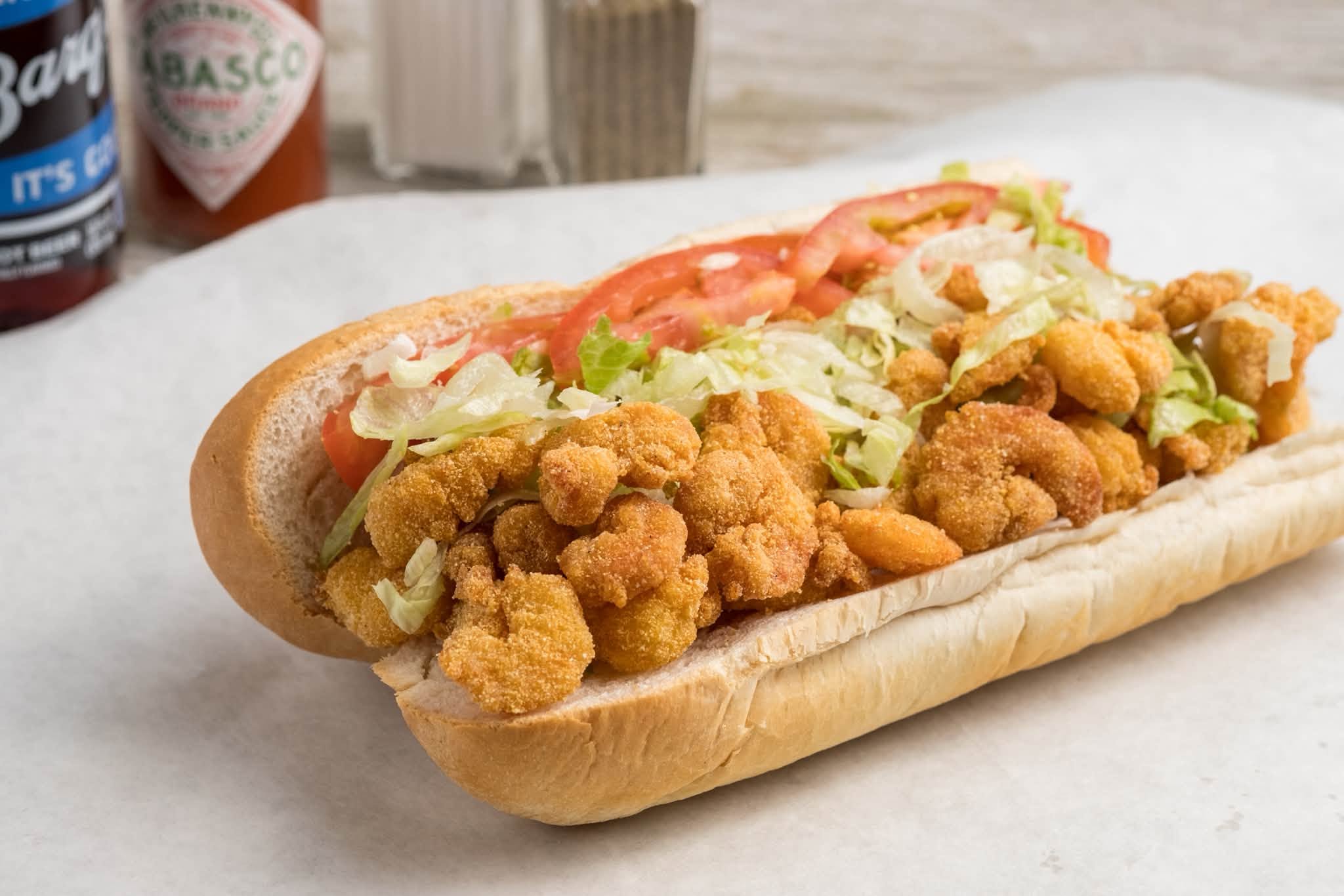
Another popular sandwich, I first encountered the almighty po’boy in New Orleans, so I was originally a bit surprised to find that its popularity has spread across the Gulf. (Though, really, I shouldn’t have been—New Orleans’ rich food heritage has influenced the Gulf immensely.)
If you’ve never had one, a po’boy is basically fried shrimp, piled onto a big hunk of French bread and topped with mayo, lettuce, tomatoes, and pickles. Like any sandwich, it’s flexible, though, so sometimes the shrimp is exchanged with other seafood like oysters or catfish, or even chicken, if seafood isn’t your deal. Roast beef can also make its way in there. Don’t care for mayo? Remoulade works, too. You can also get the sandwich with none of the toppings, just the meat and bread.
Where to Try It: Want to try one of the best without heading into NOLA? Try Quave Brothers Po’Boys & Meat Market in Mississippi.
West Indies Salad
This regional star was created in the mid-1900s at a restaurant in Mobile, Alabama. A refreshing staple, this is really suited to a beach trip and the recipe is simple enough that you could easily replicate it once you returned home.
This is a seafood salad with minimal ingredients. You’ve got crab meat, diced onions, diced cucumbers, olive oil, vinegar, chives, salt and pepper. Weirdly, the original and most recipes today also call for you to add in some ice water, but don’t question the process.
After this salad is chilled for a bit, it can be served with an actual vegetable-based salad or as it is, with crackers. Whatever the case, you can find it at restaurants throughout the region and it’s definitely worth a try during your beach trip.