
As the BBC reports, more travelers are seeking “authentic” holiday experiences for their summer getaways this year, avoiding places they’ve already visited and sometimes opting for a “slightly quirky destination.”
Why the Baltic Coast?
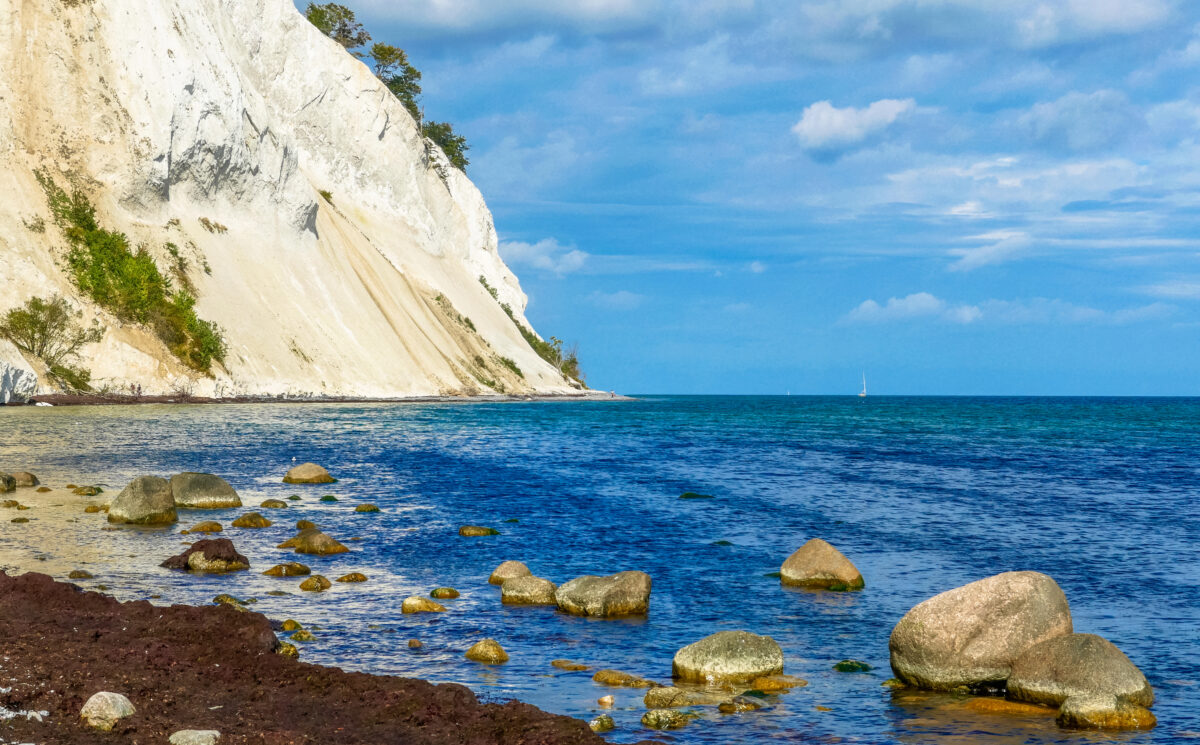
Not only does the Baltic Coast offer a cooler alternative to the heat of the Mediterranean and other popular beach destinations, but it also boasts unspoiled sandy beaches, vast dunes, dramatic cliffs, and pine forests. A wealth of activities can be enjoyed, including kayaking, kitesurfing, and SUP. Hike or cycle the coastal paths, or simply relax on the soft, white sand. There are even coastal saunas for taking relaxation up a notch.
In between time at the beach, explore historic cities like the UNESCO-listed medieval Old Towns of Riga and Tallinn. In addition to soaking in saunas, the region is renowned as a place for wellness, which means you’ll find plenty of spas for melting stress away.
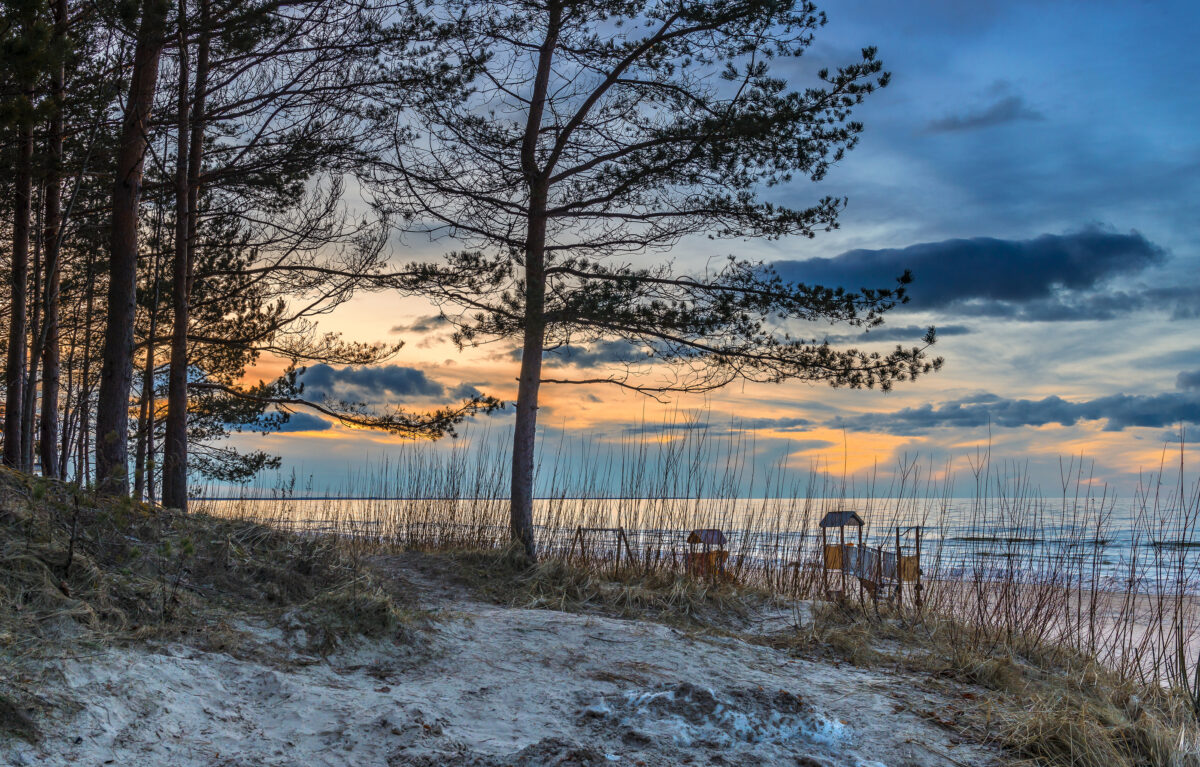
Top Coastal Spots
Whether you want to embark on a yacht charter that explores places like the Estonian Islands or stick to land destinations, Estonia, Finland, and Lithuania are becoming increasingly popular for summer escapes among travelers of all types. The BBC also points out that these countries are easy to travel between, thanks to the ferry that connects Helsinki and Tallinn. The “German Riviera” is another outstanding option with sandy beaches and seaside resorts.
Riga, Lithuania
Riga, the “Paris of the North,” offers a wealth of historical and cultural attractions, including some of the most magnificent Art Nouveau architecture. Not far from the city center are a variety of coastal and urban river beaches. Jūrmala is an over 20-mile stretch of white sands, easily reached by train in just 30 minutes. Vecāķu Pludmale is even closer, within the city limits, while Lucavsala is a popular urban, riverside beach area along the Daugava River, ideal for families with safe swimming areas and playgrounds.
Saaremaa, Estonia
The largest island in Estonia, Saaremaa, offers stunning Baltic beaches and a rich history that includes a well-preserved medieval fortress, one of the first scientifically proven meteorite craters in Europe, and an archaeological site where the world’s oldest Viking ship was discovered.
In between sightseeing, you’ll find everything from lively sandy stretches near Kuressaare to secluded northern beaches like Tuhkana with fine sands, crystal-clear blue waters, and a tranquil setting. The safe city beach of Kuressaare is ideal for families with lifeguards and playgrounds.
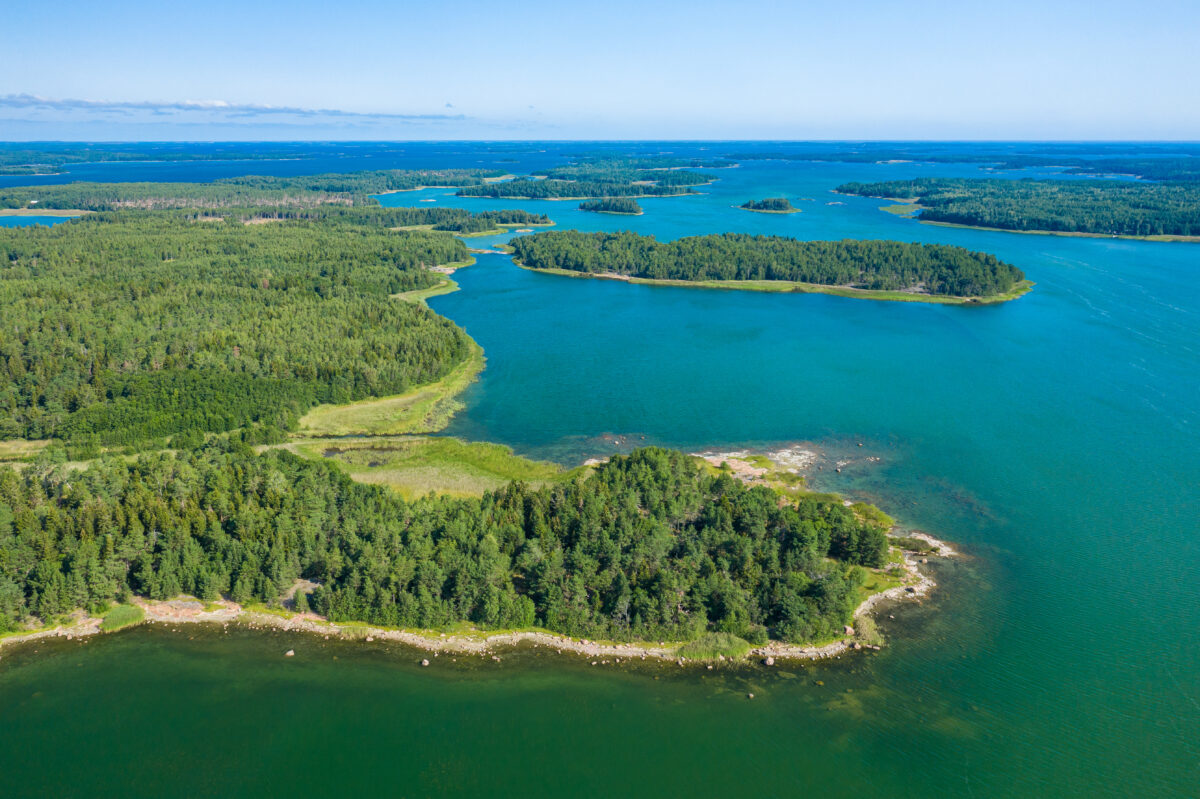
Helsinki and the Åland Islands, Finland
You might spend time in Helsinki, known for its unique mix of traditional Finnish character, historical architecture, and modern design. Admire the neoclassical Helsinki Cathedral in Senate Square and indulge in tasty korvapuusti (cinnamon buns) in the Old Market Hall. Finland’s capital is also a gateway to the Åland Islands, unique in that Swedish is the first language spoken here.
You’ll also find hidden coves like Geta & Hammarland on the main island of Fasta Åland, with red granite rocks and secluded swimming spots along the coast. Degersand, on the island of Eckerö, has been named one of Europe’s best-kept secrets with a long, shallow, sandy bay perfect for families.
Rϋgen and the German Riviera
Rügen is a major highlight along the German Riviera. Often referred to as part of the German Riviera. It’s known for its UNESCO-listed white chalk cliffs and ancient beech forests, picturesque fishing villages, and seaside resorts. There are expansive sandy beaches ideal for strolling, sandcastle-building, and swimming in calm, shallow waters.
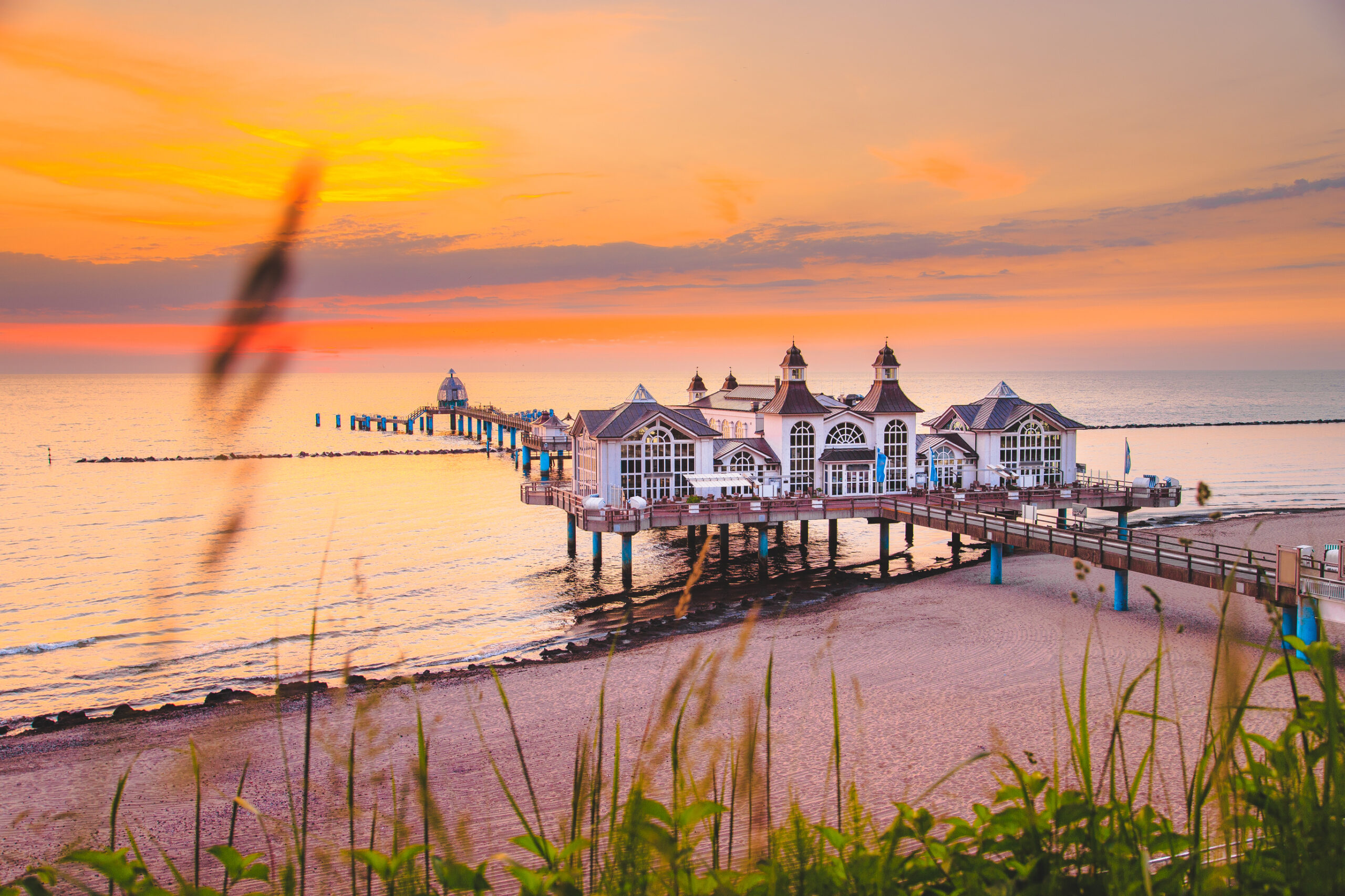
You’ll also find a rich blend of cultural and historic attractions. That includes 19th-century seaside resort architecture and the beachfront Prora Colossus, a massive, nearly three-mile-long structure built by the Nazis. It now houses museums, art studios, and more. There’s also a historic castle atop Tempelberg hill, providing panoramic island views.