
In my opinion, Eastern Europe is one of the most underrated parts of the world, and it’s somewhere I find myself returning to again and again. What I love most is how different each country feels—the languages, the food, the pace of life, the history—and that sense of contrast carries through to the coastline too.
Beaches here are often overlooked in favor of Southern or Western Europe, but in reality, Eastern Europe offers some of the most memorable beach experiences on the continent. From wild Black Sea stretches to crystal-clear Adriatic coves and moody Baltic shorelines, these are beaches with real character.
Many are less crowded, more affordable, and feel far more connected to local life than Europe’s better-known resort destinations. What more could you want?
What to Know About Eastern Europe’s Beaches
Eastern Europe spans several different seas—the Adriatic, Ionian, Black Sea and Baltic—which means the beach experiences vary hugely. This guide focuses on beaches that stand out not just for how they look, but for how they feel, with details and insights you only really pick up by being there.
Zlatni Rat, Brač, Croatia
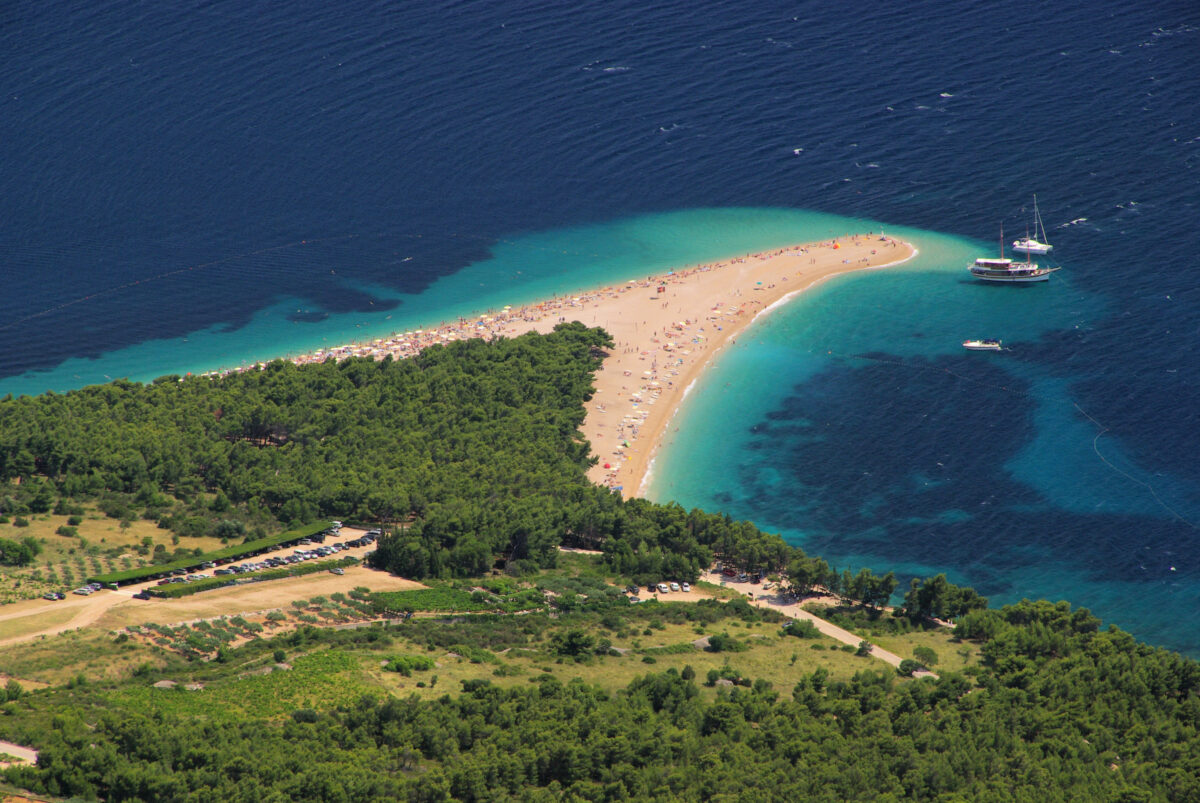
Zlatni Rat is one of Croatia’s most famous beaches, but it’s still so impressive in person. The long, horn-shaped spit of white pebbles changes shape depending on the wind and currents, which makes every visit slightly different.
The water here is exceptionally clear, even by Adriatic standards, and deepens quickly, making it ideal for swimming. What many people don’t realise is that Zlatni Rat has very different personalities depending on where you sit.
The tip is usually crowded and windy, while the sides closer to Bol are calmer and quieter. My insider tip is to walk a little further along the tree-lined paths. The atmosphere changes fast, and the water is just as beautiful.
Stiniva Beach, Vis, Croatia
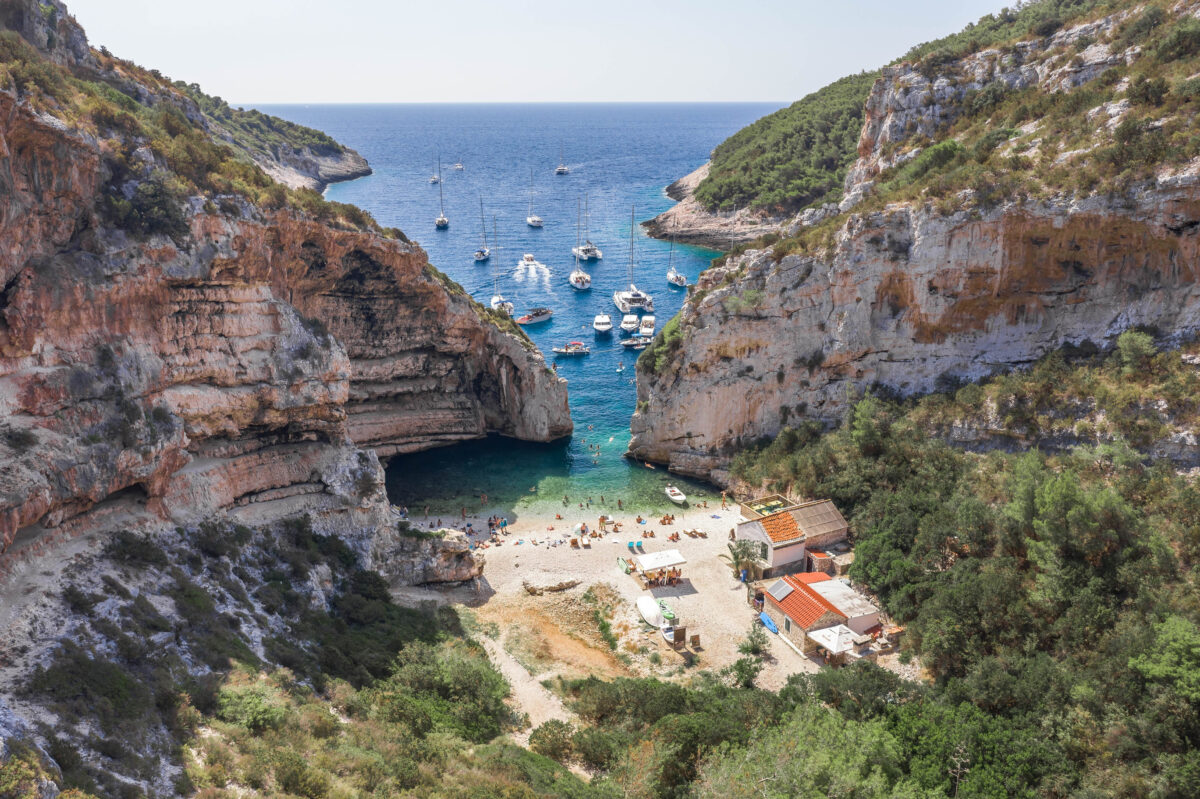
Stiniva feels like a secret the first time you see it. Hidden behind towering cliffs, the beach is only fully revealed once you pass through a narrow opening in the rock.
The cove itself is small, with smooth pebbles and intensely blue water that stays cool even in peak summer. Arriving by boat is undeniably dramatic, but hiking down gives you a better sense of how enclosed and protected the bay really is.
The key thing to know is timing: Stiniva is busiest between late morning and early afternoon. Arrive early or later in the day and you’ll experience the calm, almost surreal atmosphere that makes this beach so special.
Ksamil Beach, Albania
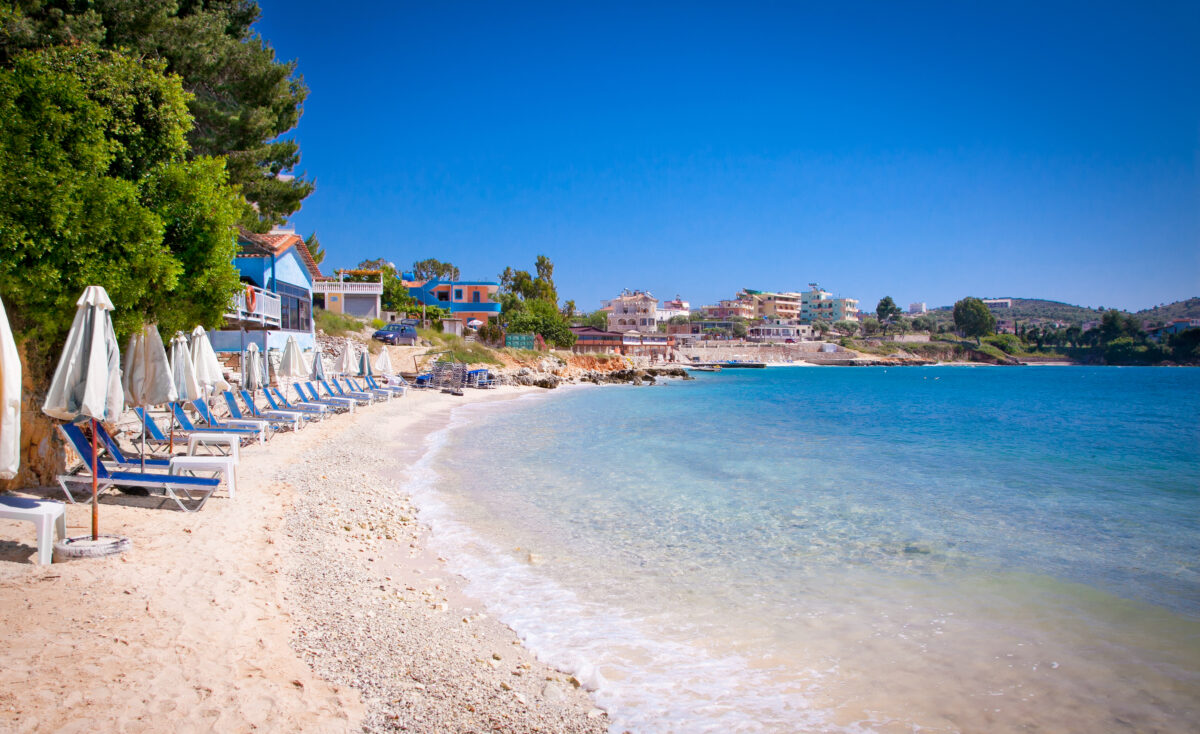
Ksamil is often compared to the Greek islands just across the water, but it has its own distinct character.
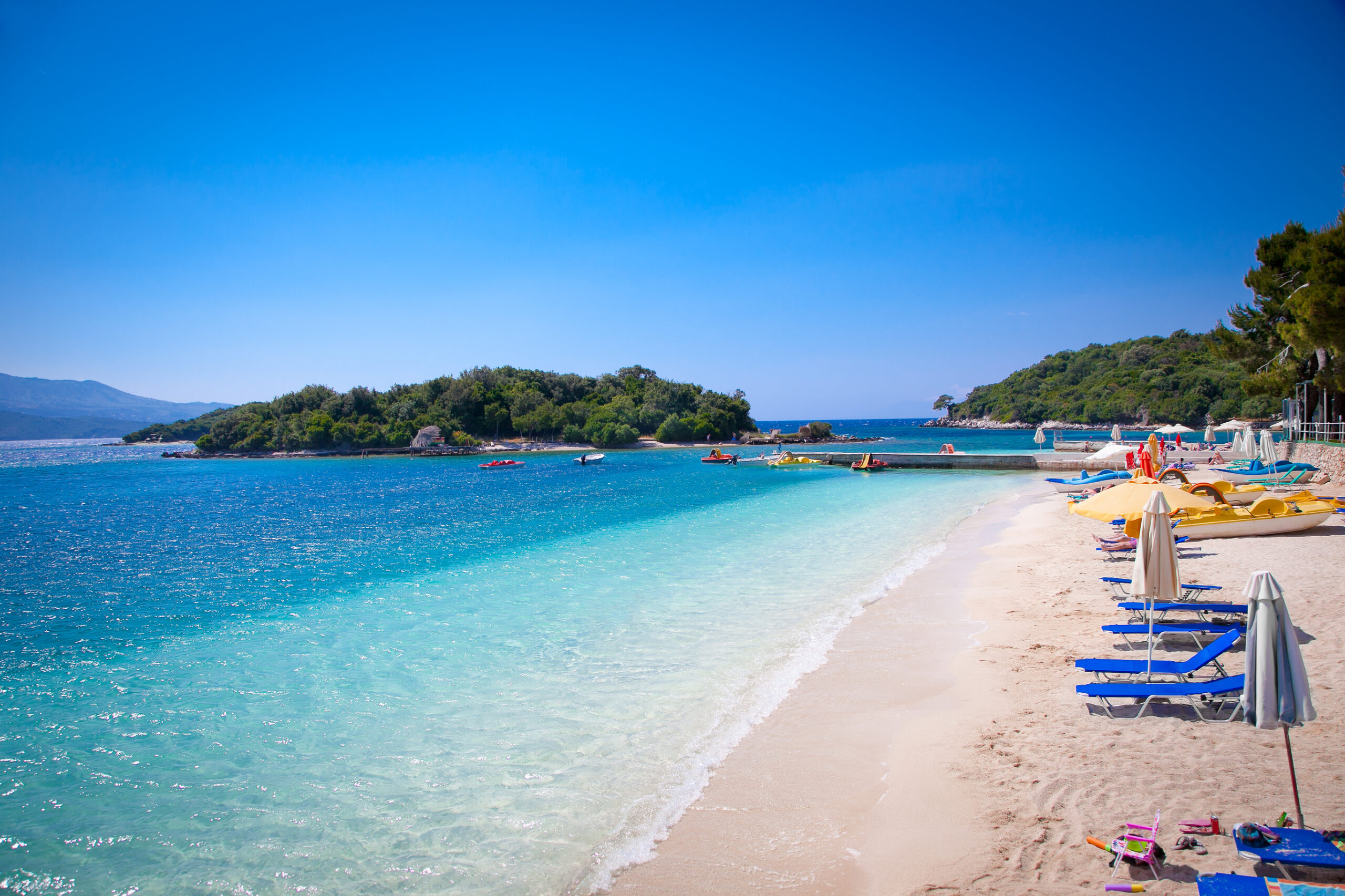
The sea here is shallow, warm, and almost unreal in colour, especially on calm days. What makes Ksamil special is the combination of island-dotted views and accessibility—you can swim out to several small islands directly from the beach.
While the central beaches can feel busy in high season, there are plenty of quieter spots if you walk a little further or visit early in the day. One thing I always recommend is skipping the sunbeds and bringing a towel instead; it gives you more flexibility to move around and find your own patch of sand.
Gjipe Beach, Albania
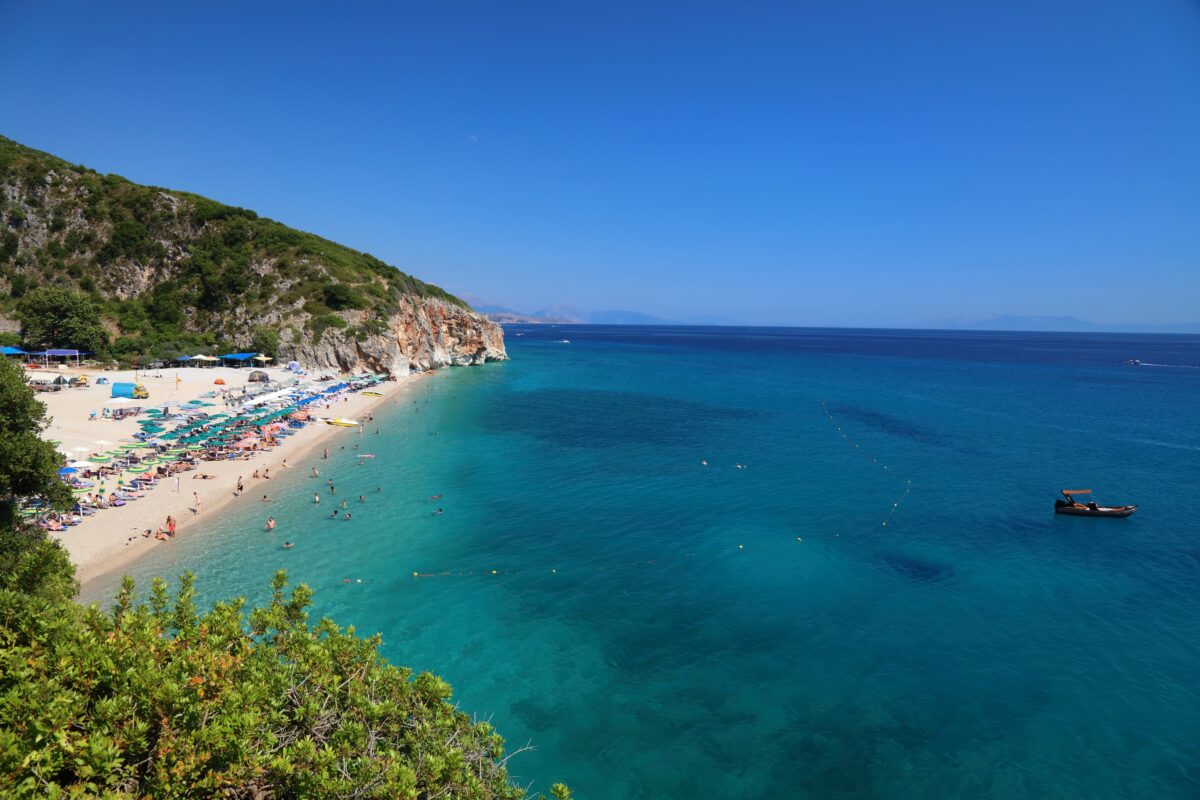
Gjipe is one of those beaches that feels earned. Reached via a hike through a dramatic canyon, it’s far less developed than other Albanian beaches, and that’s exactly the appeal. The pebbled shore is backed by high cliffs, and the water is a deep, clear blue that stays refreshingly cool.
Most people visit Gjipe as a day trip, but the real magic happens later in the afternoon when the crowds thin out. If you stay until sunset, the beach becomes quiet and almost meditative. Bring water and snacks (facilities are minimal) and treat it like a proper escape rather than a quick stop.
Jaz Beach, Montenegro
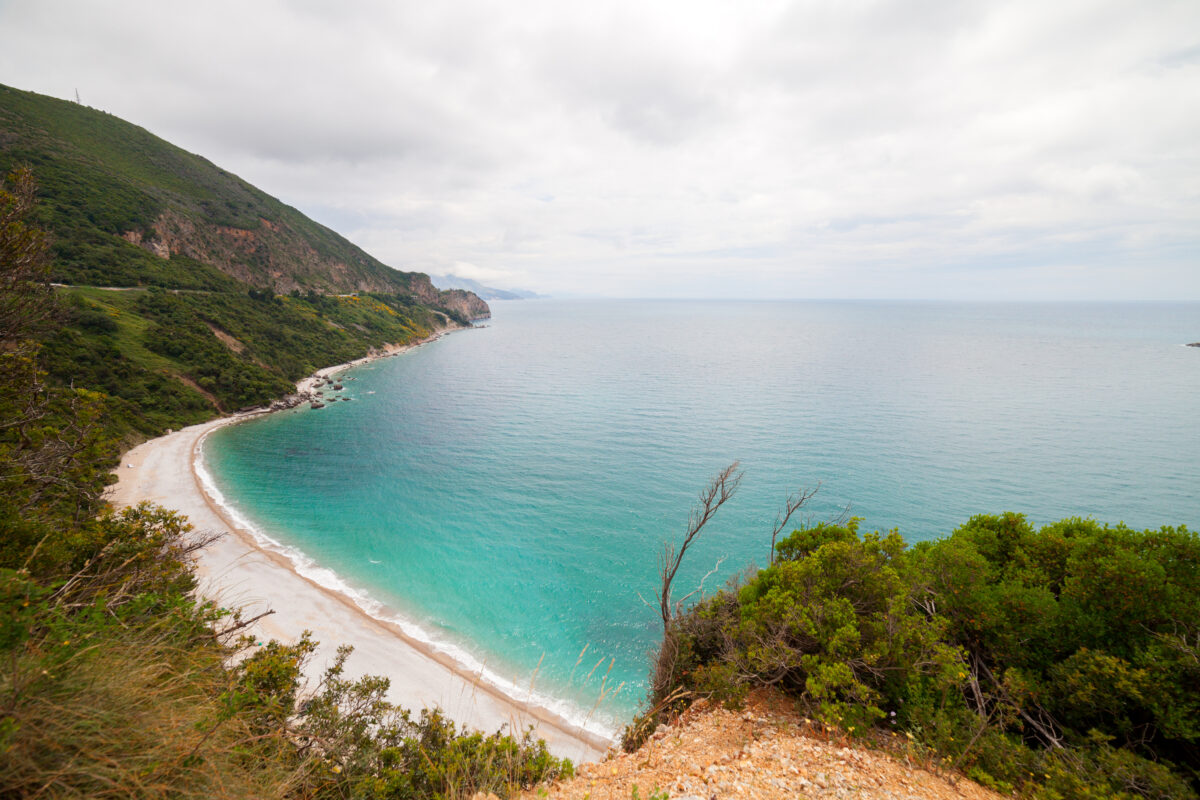
Jaz Beach is one of Montenegro’s longest beaches, and its size means it offers very different experiences depending on where you go. The eastern end is more developed, with beach bars and organised sunbeds, while the western side feels far more relaxed and local.
The water is clear, with small pebbles that help keep it clean even after busy days. What I like most about Jaz is how easy it is to find space—even in summer, you can walk a few minutes and feel removed from the crowds. Locals tend to gather in the quieter sections, which is usually a good sign of where to settle.
Sveti Stefan Beach, Montenegro
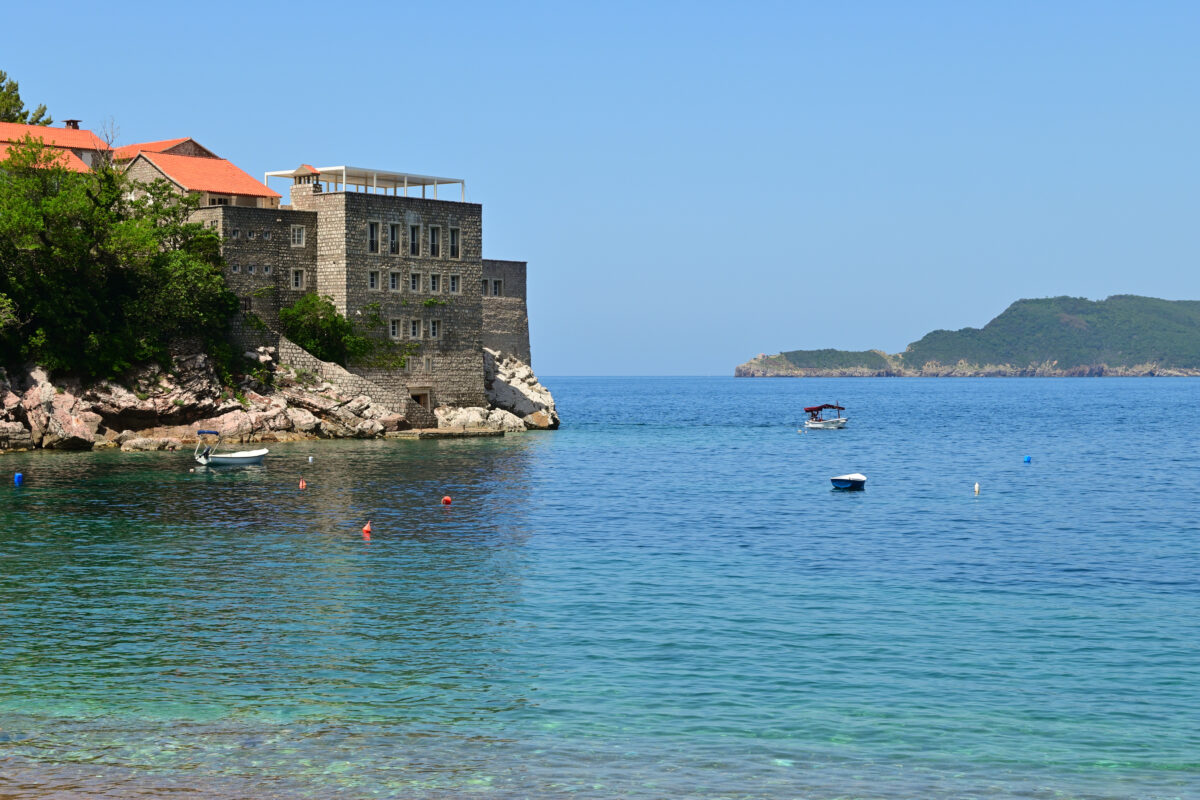
Sveti Stefan is less about swimming and more about setting. The iconic islet, connected to the mainland by a narrow causeway, is one of the most photographed scenes in the Balkans.
The pinkish pebbles and turquoise water create a striking contrast, especially in the early morning or late afternoon light. Access to parts of the beach is restricted, but the public sections still offer incredible views.
My insider tip is to focus on the viewpoints above the beach rather than fighting for space below. The perspective from above really captures why this place is so famous.
Irakli Beach, Bulgaria
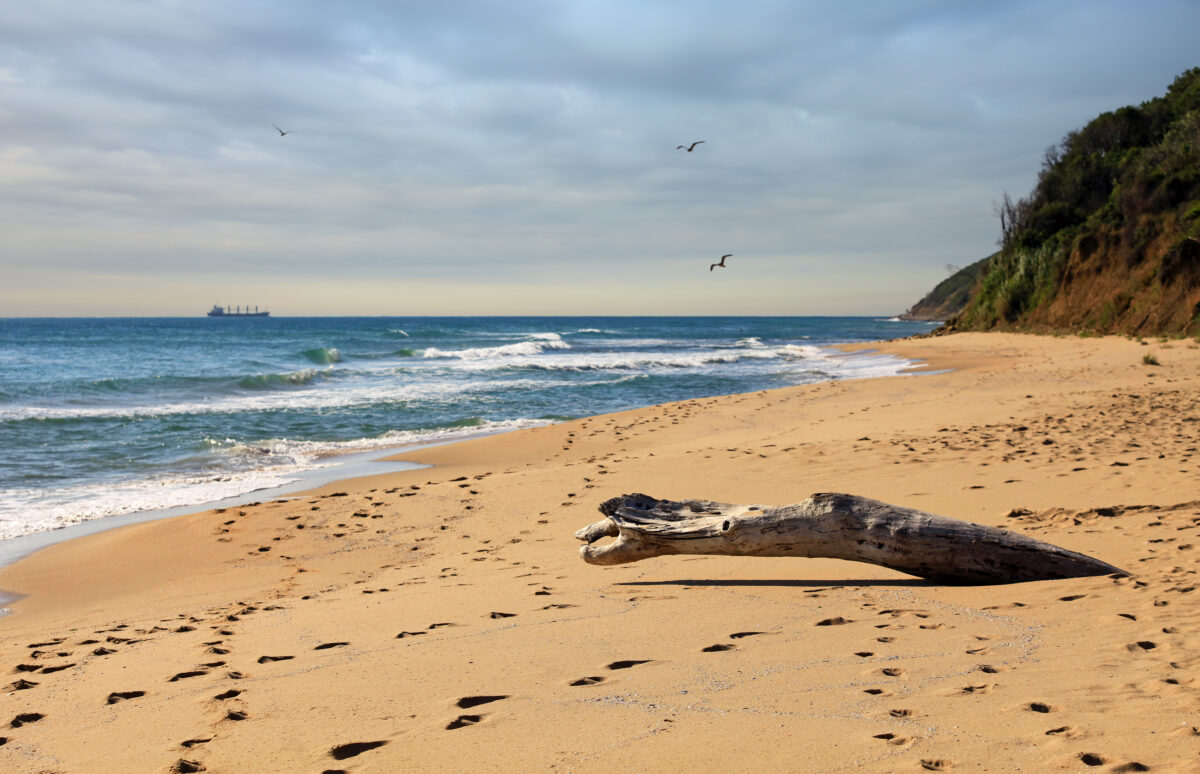
Irakli is a reminder that the Black Sea coast can still feel wild. Protected from overdevelopment, this long stretch of sand sits between forest and sea, with very little infrastructure.
The beach feels open and untamed, and on windy days the waves can be surprisingly strong. What makes Irakli special is its simplicity. There are no rows of hotels, no loud beach clubs, just sand, sea, and sky.
If you plan to visit, come prepared: bring water, food, and shade. The lack of facilities is exactly what keeps Irakli feeling authentic and unspoilt.
Silistar Beach, Bulgaria
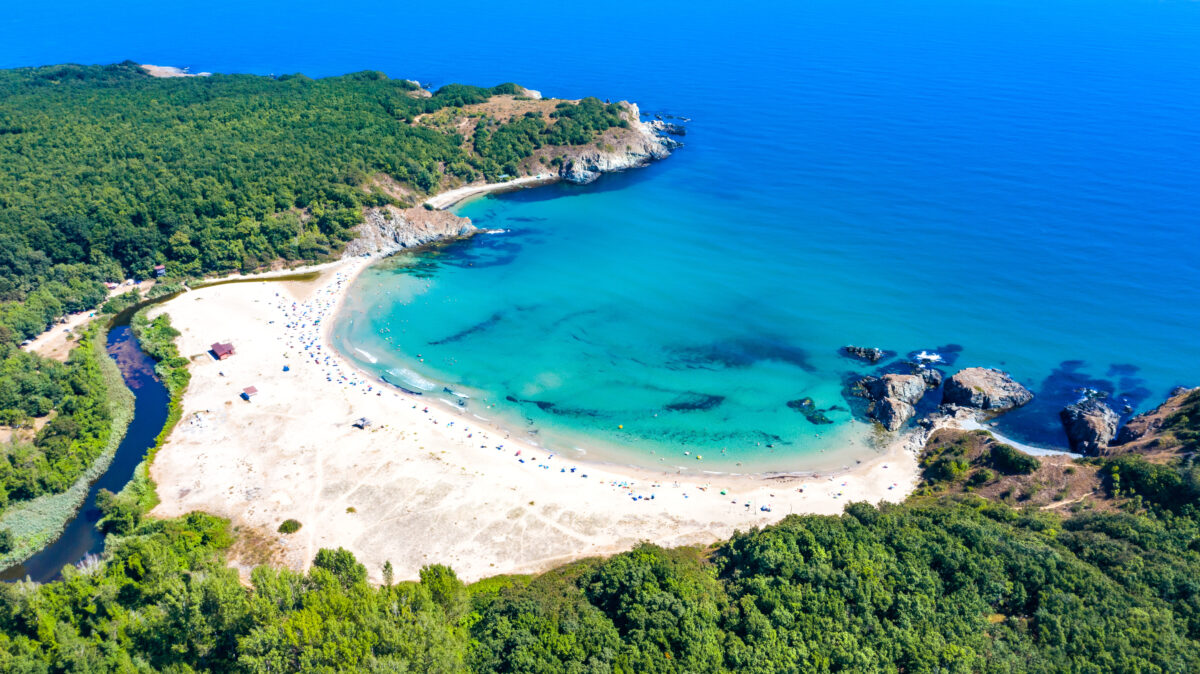
Silistar has a softer, more sheltered feel than many Black Sea beaches. A small river flows into the sea here, creating a unique landscape of sand dunes, greenery, and calm water.
The beach is especially beautiful in the morning, when the light hits the water and the surrounding forest feels almost tropical. Water clarity varies depending on conditions, so it’s best visited after a few calm days.
One thing people often miss is the short walking paths around the beach. They offer elevated views that really show how distinctive this coastline is.
Vadu Beach, Romania
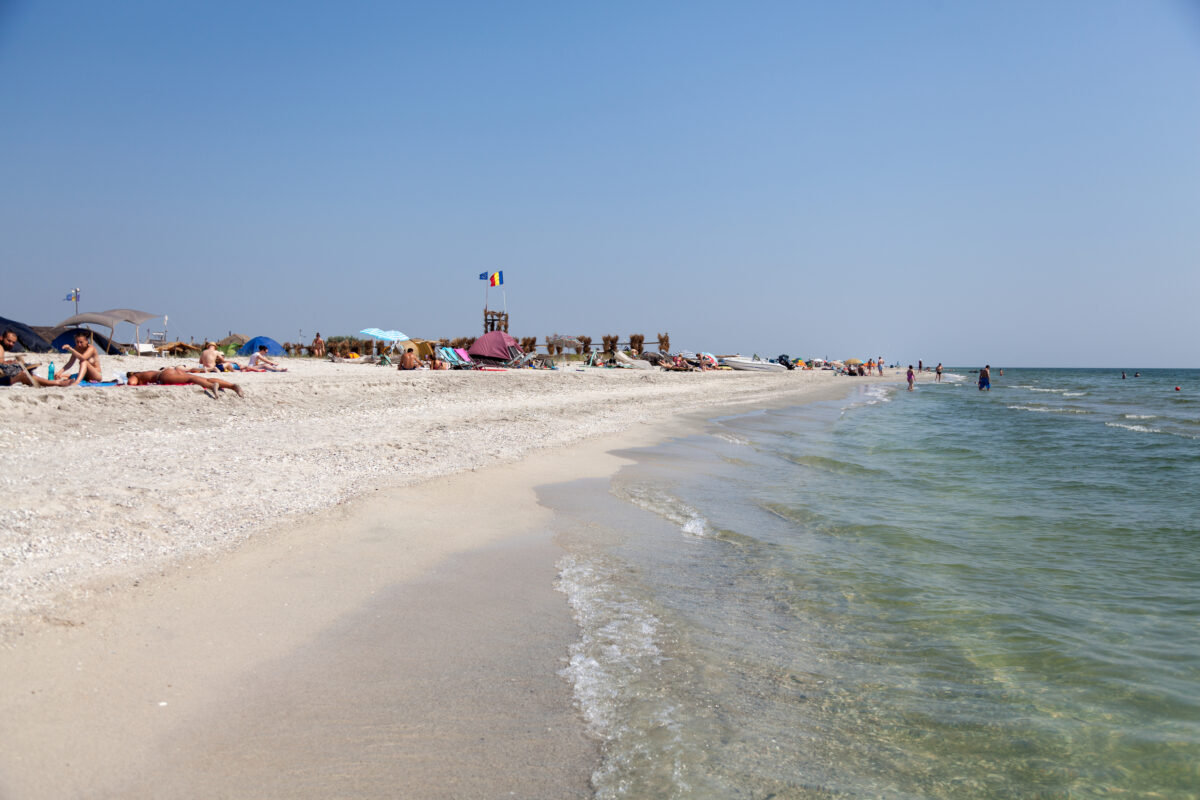
Vadu is one of the most remote beaches I’ve visited in Europe. Located near the Danube Delta, it feels raw and completely undeveloped, with miles of sand and very few people.
There are no facilities, no music, and very little shade, which makes it feel more like a nature reserve than a traditional beach.
Access rules can change, so it’s important to check locally before going. What makes Vadu special is the sense of space. Even in summer, it’s possible to walk for long stretches without seeing anyone else.
Jūrmala Beach, Latvia
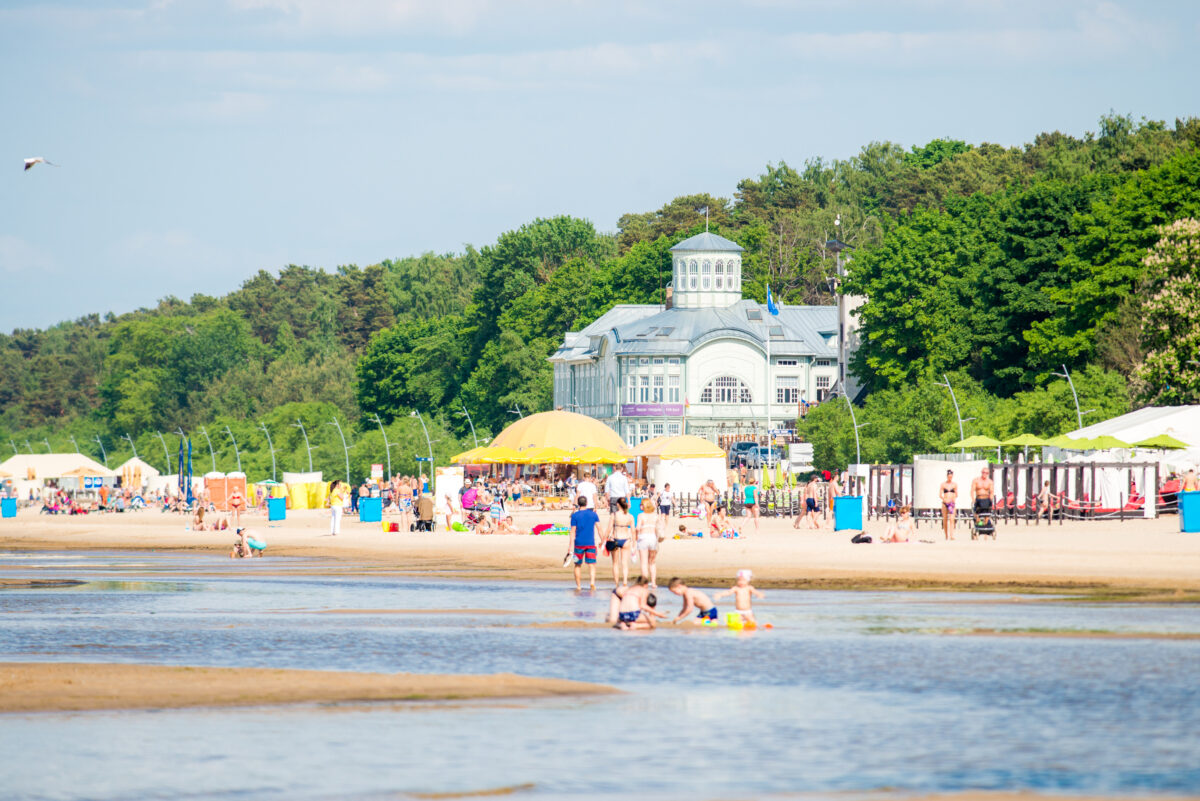
Jūrmala offers a very different kind of beach experience. Stretching along the Baltic Sea, it’s known for its fine sand, shallow water, and elegant wooden houses set back from the shore.
The atmosphere is calm and refined rather than tropical, and even on warm days the sea stays brisk. Most visitors stick close to the main access points, but if you walk a little further along the beach, it becomes noticeably quieter.
I love Jūrmala for long walks and slow afternoons. It’s a beach that suits reflection as much as swimming.
Curonian Spit, Lithuania
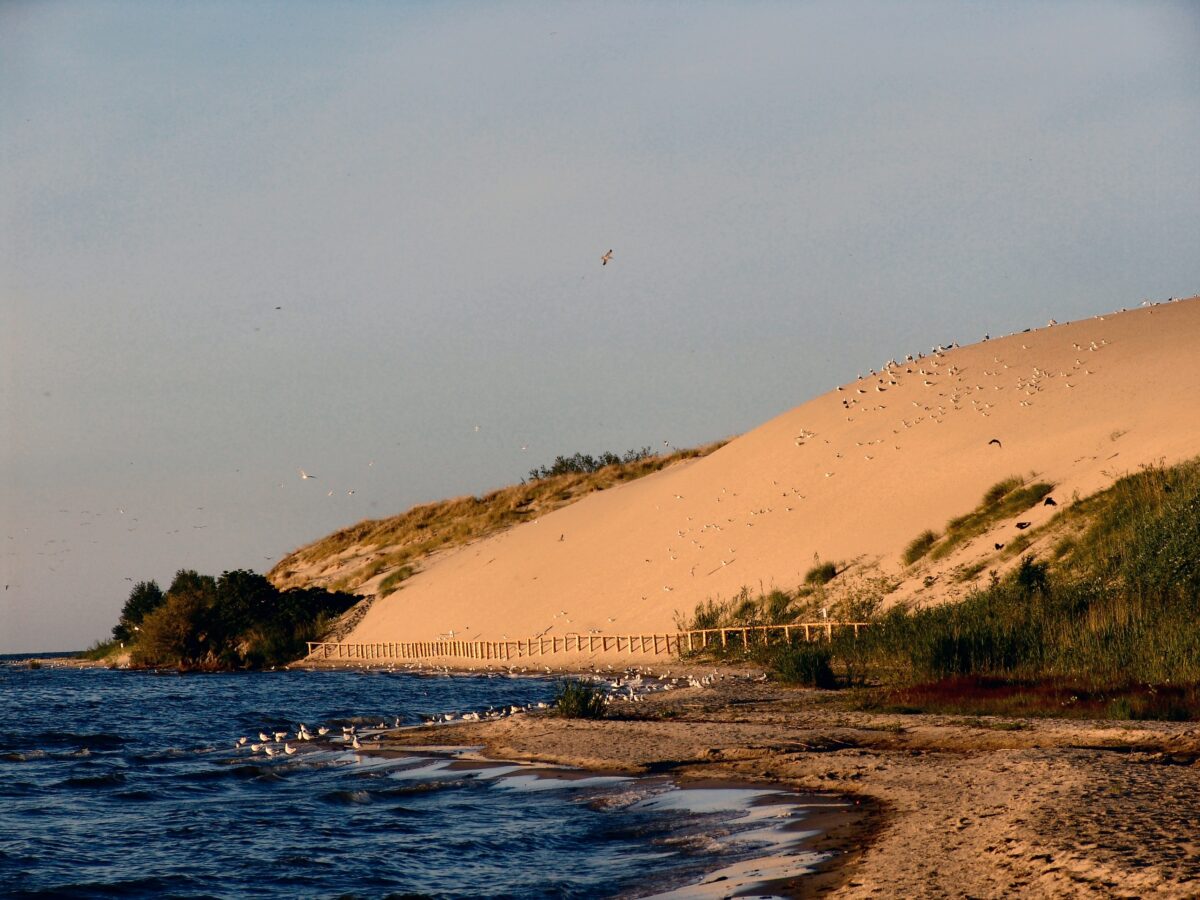
The Curonian Spit feels almost surreal. This narrow strip of land separates the Baltic Sea from a lagoon and is defined by towering sand dunes and dense pine forests. Beaches here are wide, quiet, and beautifully stark, especially outside peak summer.
Wind plays a big role in the experience. On calm days the sea is gentle, while windy days create dramatic waves and shifting sands.
One thing that surprised me was how peaceful it feels, even when other parts of Europe are crowded. It’s a beach destination for people who appreciate atmosphere as much as scenery.
Dhermi Beach, Albania
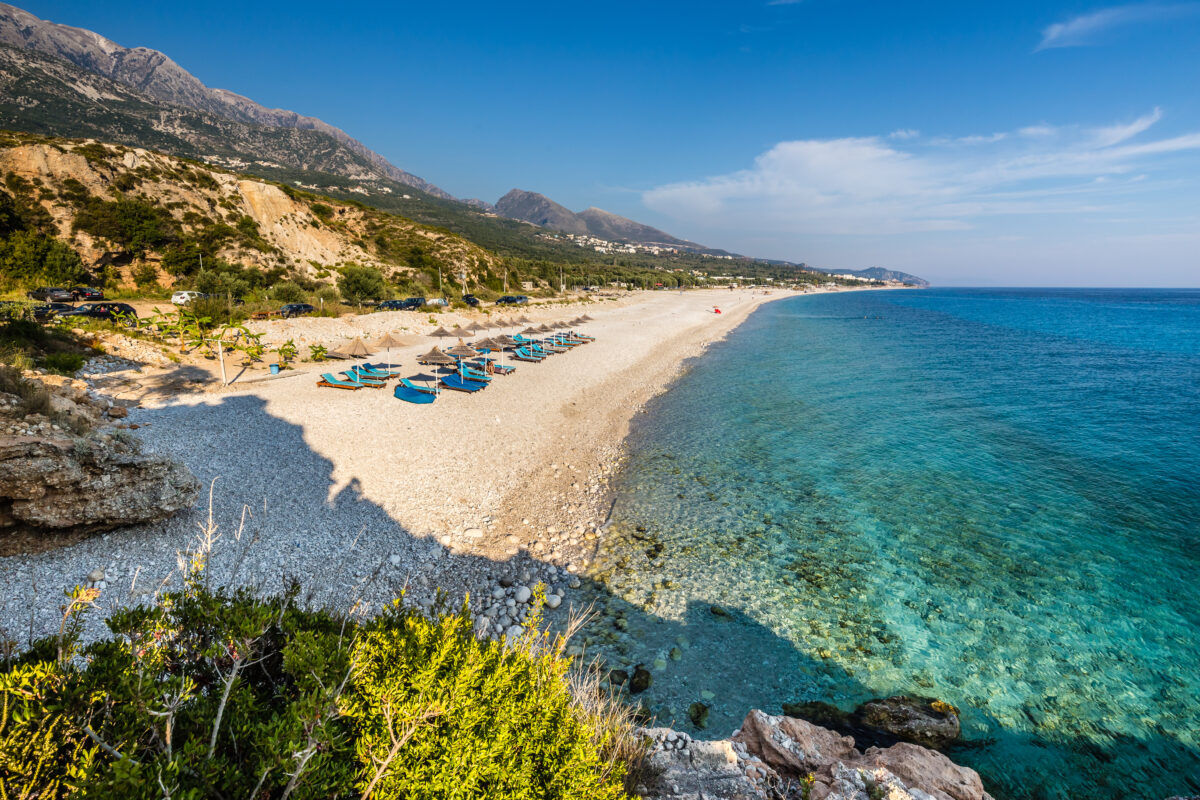
Dhermi combines clear Ionian water with a dramatic mountain backdrop, making it one of Albania’s most visually striking beaches. The pebbles help keep the water exceptionally clear, and the colour shifts throughout the day depending on the light.
While Dhermi has become more popular in recent years, it still feels far less commercial than many Mediterranean resorts. My best tip is to avoid the busiest central sections and walk towards the edges of the bay, where the atmosphere is calmer and the swimming is just as good.
Nin Lagoon Beach, Croatia
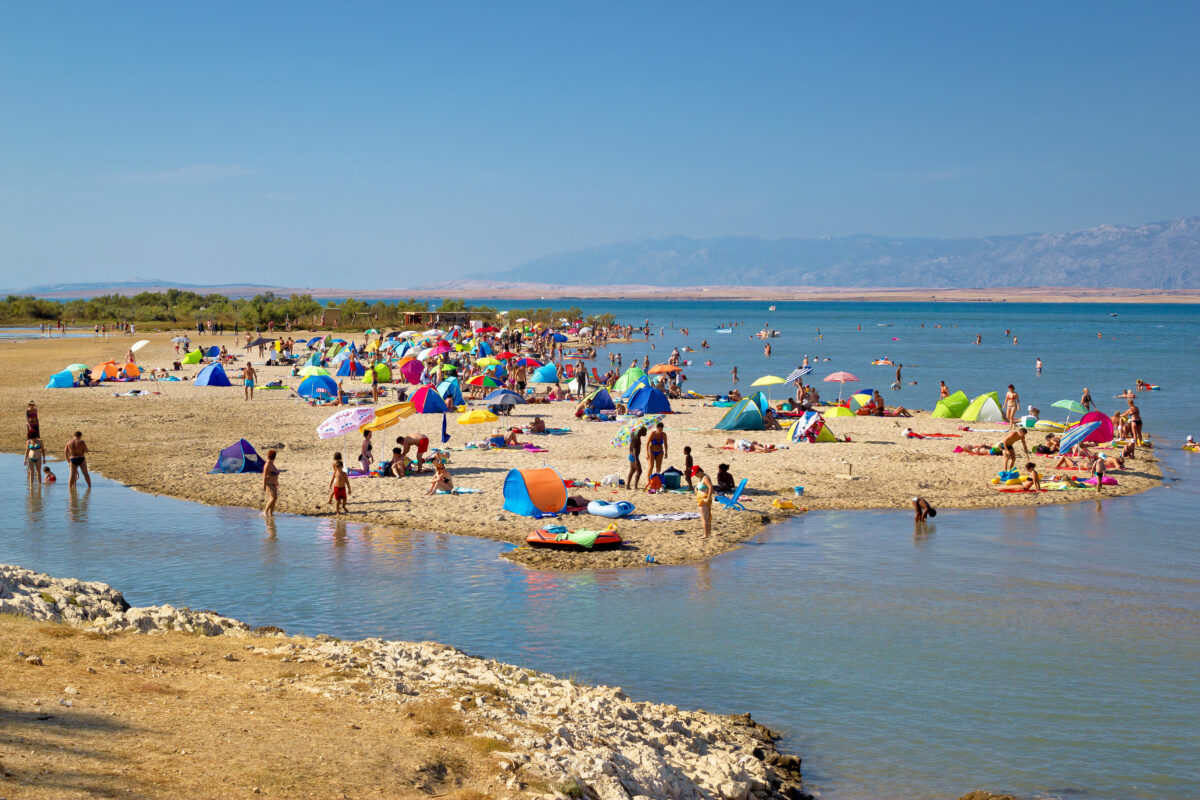
Nin Lagoon Beach is completely different from most Croatian beaches. Instead of pebbles and deep water, it offers shallow, sandy flats that stretch far out into the sea. The lagoon warms quickly, making it ideal for relaxed swimming and wading.
It’s also known for its natural mud, which locals use for skin treatments. Because the beach is exposed, wind can be a factor, so it’s best visited on calm days. What I love about Nin is how peaceful it feels. It’s a reminder that Croatia’s coastline has far more variety than people expect!