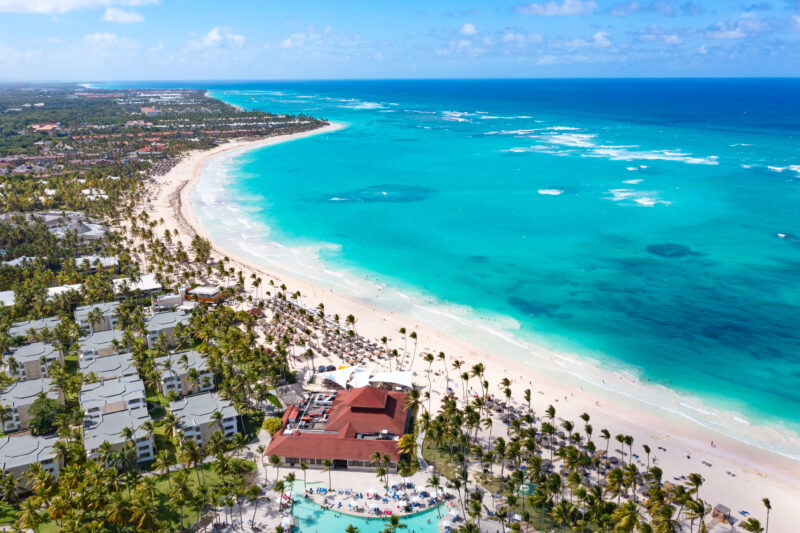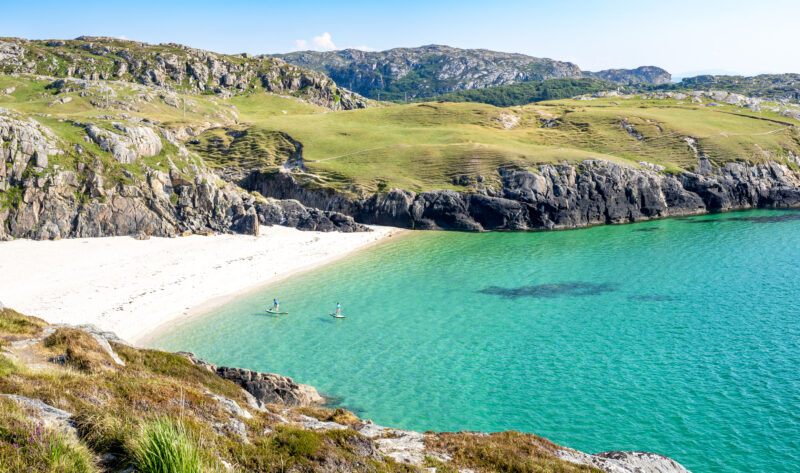

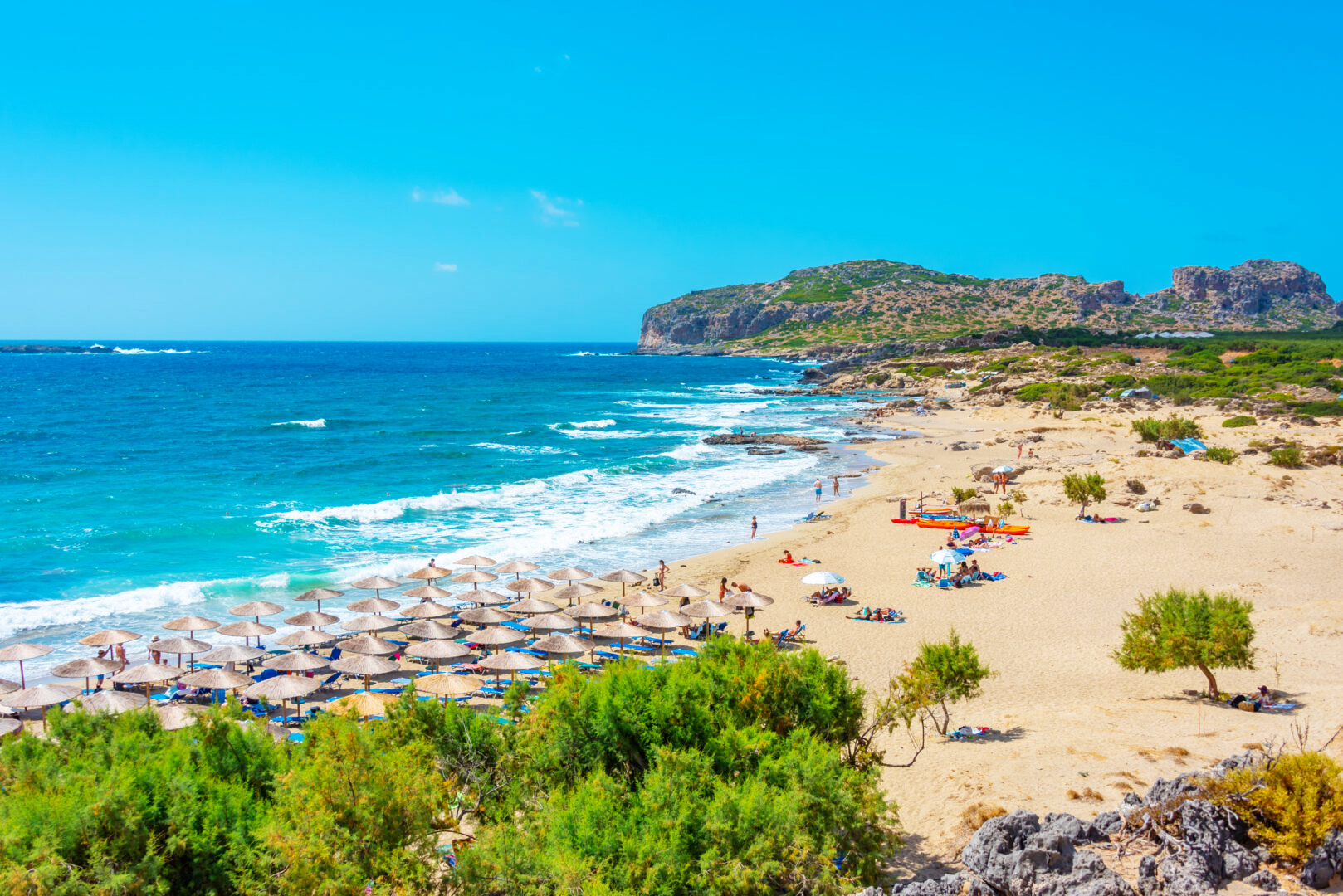
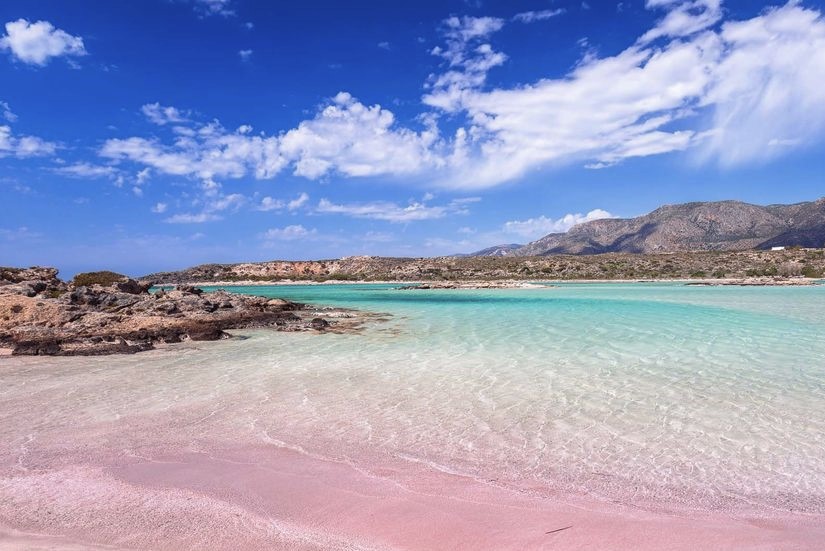
With everything from spectacular stretches of powdery white and even pink sands to rugged mountains, vineyards, and ancient sites, Crete truly offers something for everyone.
As Nat Geo notes, the island has been credited with creating the blueprint for the Mediterranean Diet. Many Cretans live to be well over 100 years old, with exceptionally low rates of heart disease and chronic illness, something researchers discovered in the 1950s and ’60s. Of course, it probably doesn’t hurt that they also have plenty of opportunities to enjoy the healing benefits of saltwater and a wealth of outdoor adventures.
Crete’s Food Scene
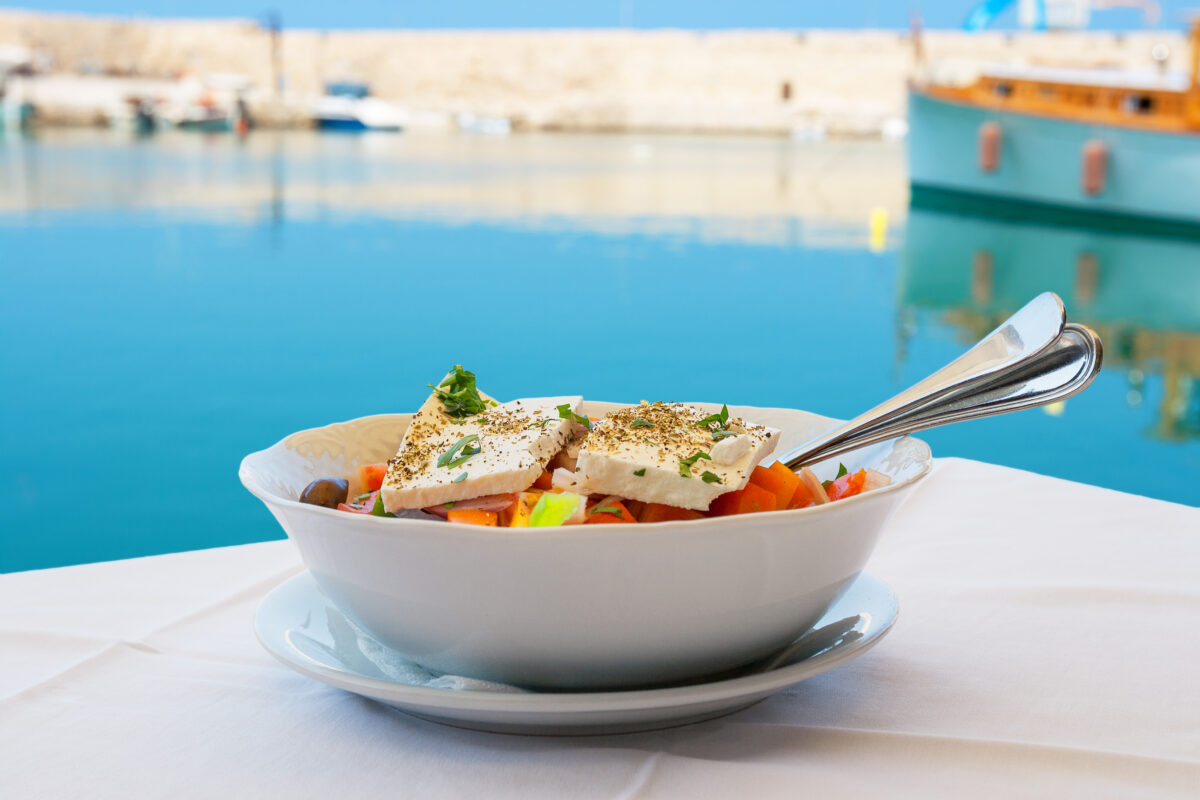
Crete is all about sea- and farm-to-table, with many of the foods eaten here today dating all the way back to the Minoan era (3000 to 1100 BC).
Dishes often feature extra-virgin olive oil produced from the island’s many olive groves, and seasonal fruits or vegetables grown in the fertile valleys and coastal plains where microclimates allow for year-round cultivation. There’s plenty of fresh fish and seafood, along with local lamb and artisan cheeses. Menus often feature the fresh catch of the day, like sea bass alongside wild greens sprinkled with lemon juice from lemon trees commonly grown in backyard gardens.
Production of Cretan wines also dates back to the Bronze Age Minoans, ensuring you’ll have plenty of tasty options to pair with any dish you choose. For dessert, try the local honey made from the island’s unique bees. It’s a favorite drizzled on a slice of world-renowned Gruyere cheese produced in traditional dairy farms.
The Beaches
When you aren’t indulging in the delicious Cretan fare, spend time at one of hundreds of picturesque beaches strewn across over 600 miles of coastline. Some of the most famous in Greece can be found here, including Balos and Elafonissi, often named among the world’s most beautiful as a “pink sand paradise.” While both get busy in the summer, arrive early in the morning or during the shoulder season (around late spring or early fall) to enjoy the incredible beauty and swimming in the brilliant turquoise water with few others around.
With so much shoreline, it’s easy to find more secluded spans, often hidden in coves and perfect for tranquil contemplation. Agiofarago Beach, along the southern coast, is nestled at the exit of the dramatic Agiofarago Gorge, known for its Minoan tomb, ancient hermit caves, and 14th-century chapel. It provides an ideal ending to a 30-minute walk with calm, crystal-clear cobalt waters.