
But the Costa del Sol got there first. I spent huge chunks of my childhood on that bit of southern Spanish coast: family holidays in Marbella, lazy afternoons in Nerja, the same beach bars year after year until the waiters started recognizing us.
So when friends ask which one to pick for their first trip, I take the question seriously. They’re closer than they look on a map (about a three-hour drive separates them) but they feel like completely different places.
Here’s how they compare across the things that matter most!
The Beaches
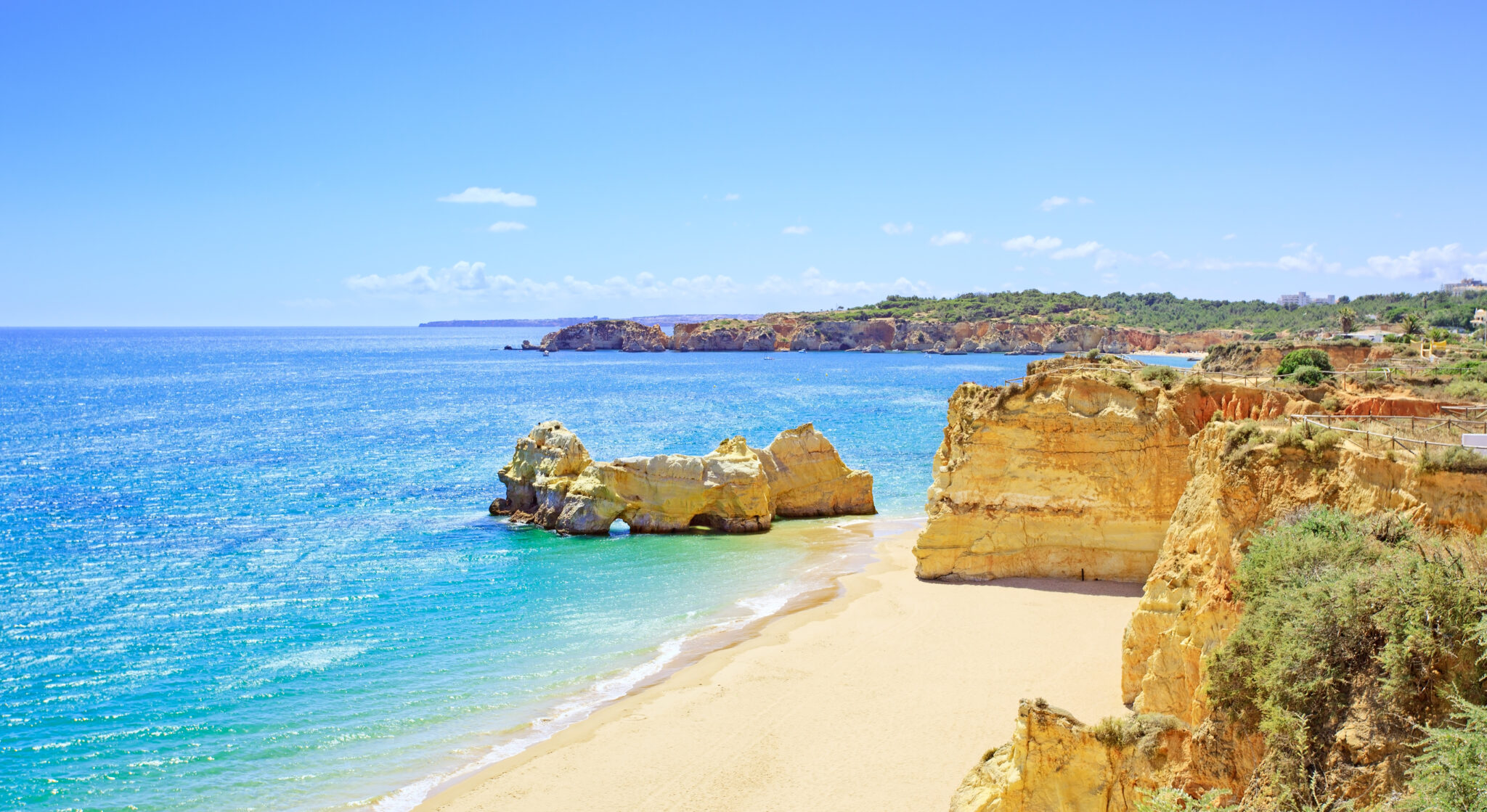
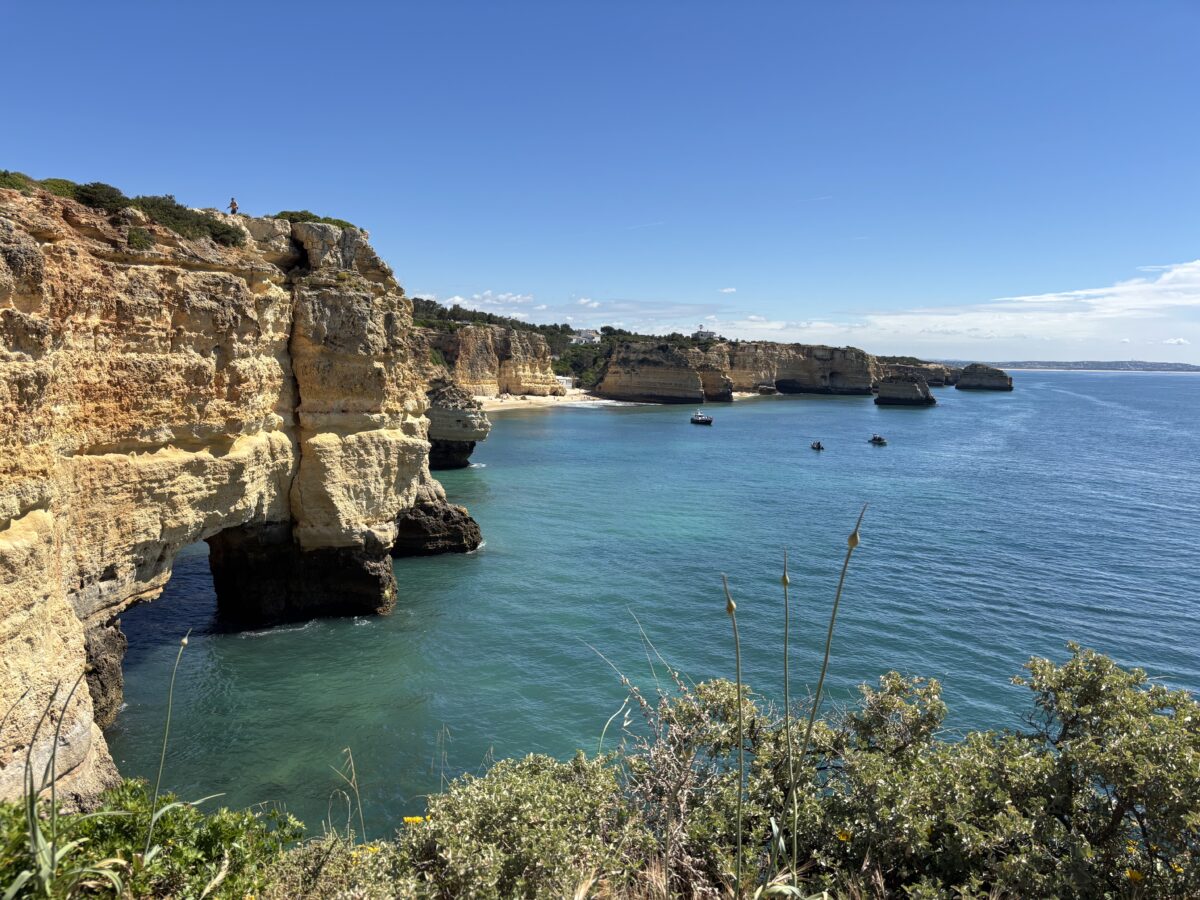
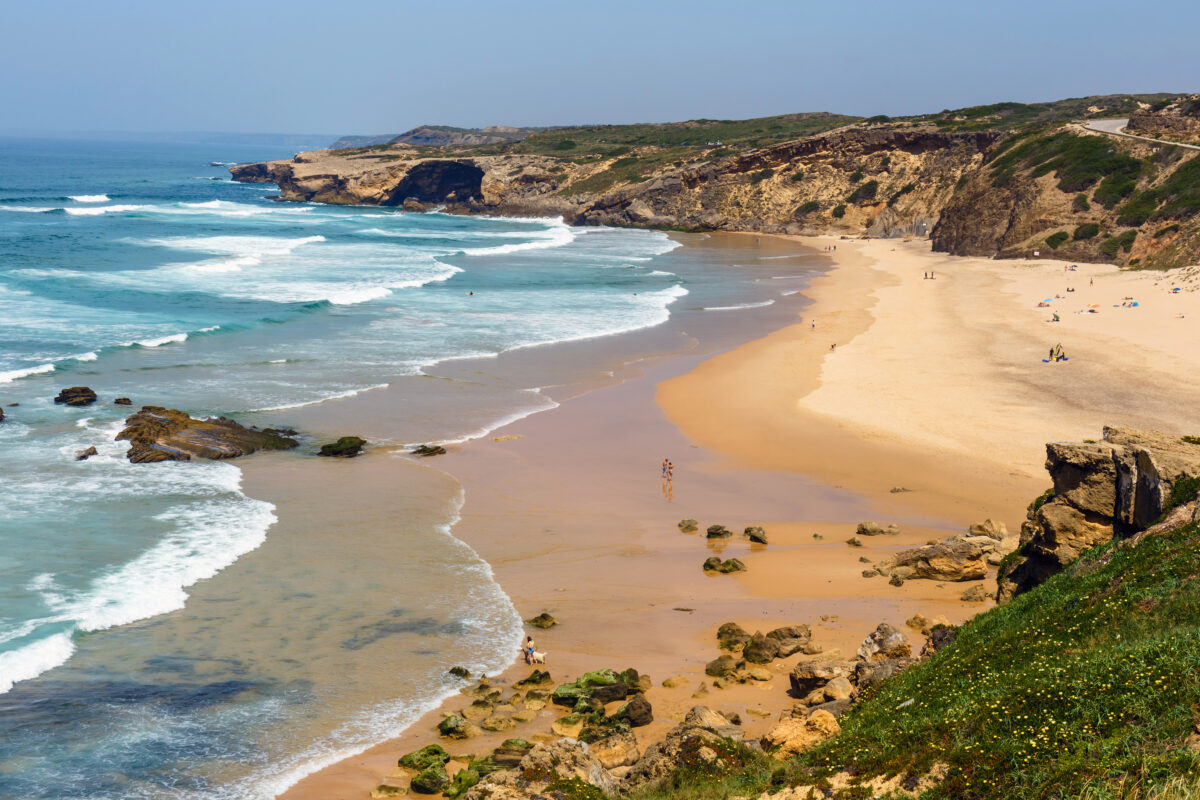
This is where the Algarve walks away with it for me, and I say that as someone with serious nostalgia for Spanish beach days. The coastline from Lagos to Albufeira is a ridiculous run of ochre cliffs, hidden coves, and beaches that look airbrushed even when you turn up on a grey Tuesday.
Praia da Marinha, Praia do Camilo, Benagil—these are the postcard ones for a reason. The water is colder than Spain (the Atlantic doesn’t pretend otherwise) but the sand is softer, the light is extraordinary, and the crowds (outside July and August) are far thinner. You can still find a beach to yourself in May.
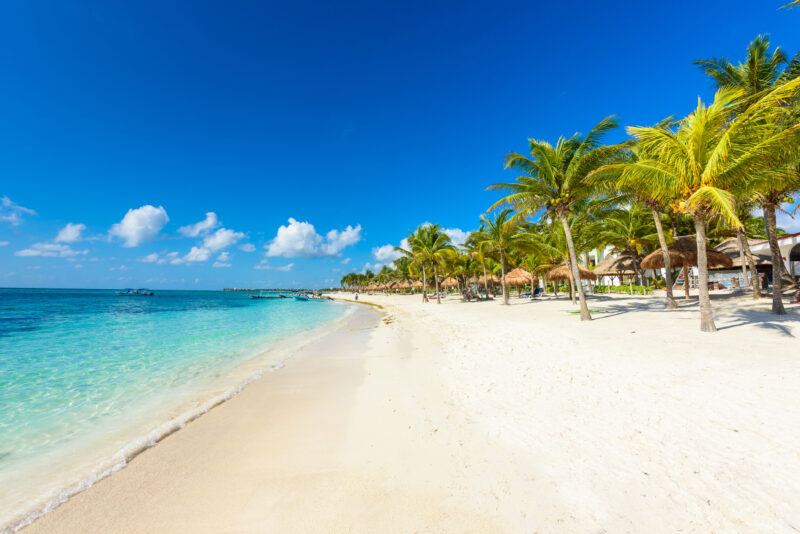
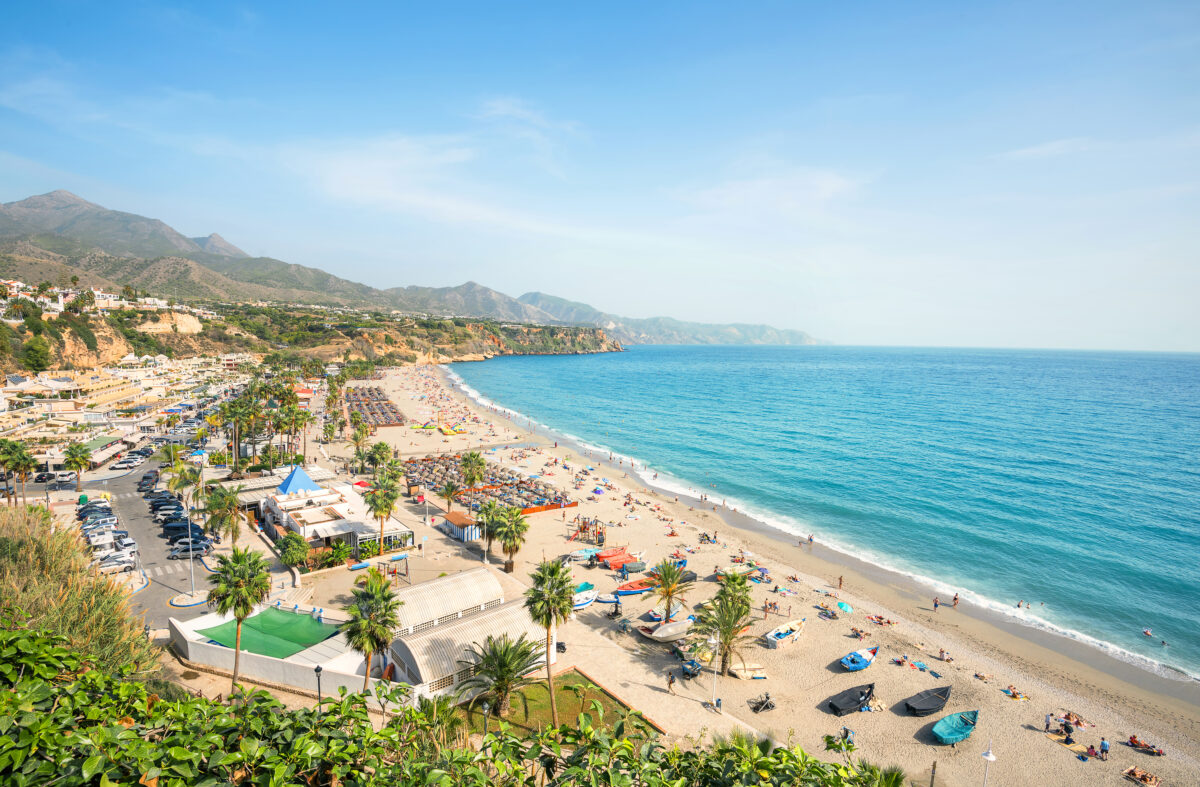
The Costa del Sol’s beaches are a different proposition. Long, flat, wide stretches of darker sand backed by promenades, beach clubs, and chiringuitos serving espetos of sardines grilled over driftwood. Less dramatic, more sociable.
Nerja’s coves on the eastern end are the prettiest—like Playa de Maro—but the central stretch from Marbella to Fuengirola is built for sunbed-and-cocktail days, not gasp-out-loud scenery.
- Better for dramatic scenery: the Algarve.
- Better for easy beach days with bars and sunbeds: Costa del Sol.
The Food
I’ll be honest, the food is one of the only categories where I’d pick Costa del Sol on instinct, and that’s coming from someone who lives in Portugal and eats Portuguese cooking most nights.
But Andalusian food is just exceptional.
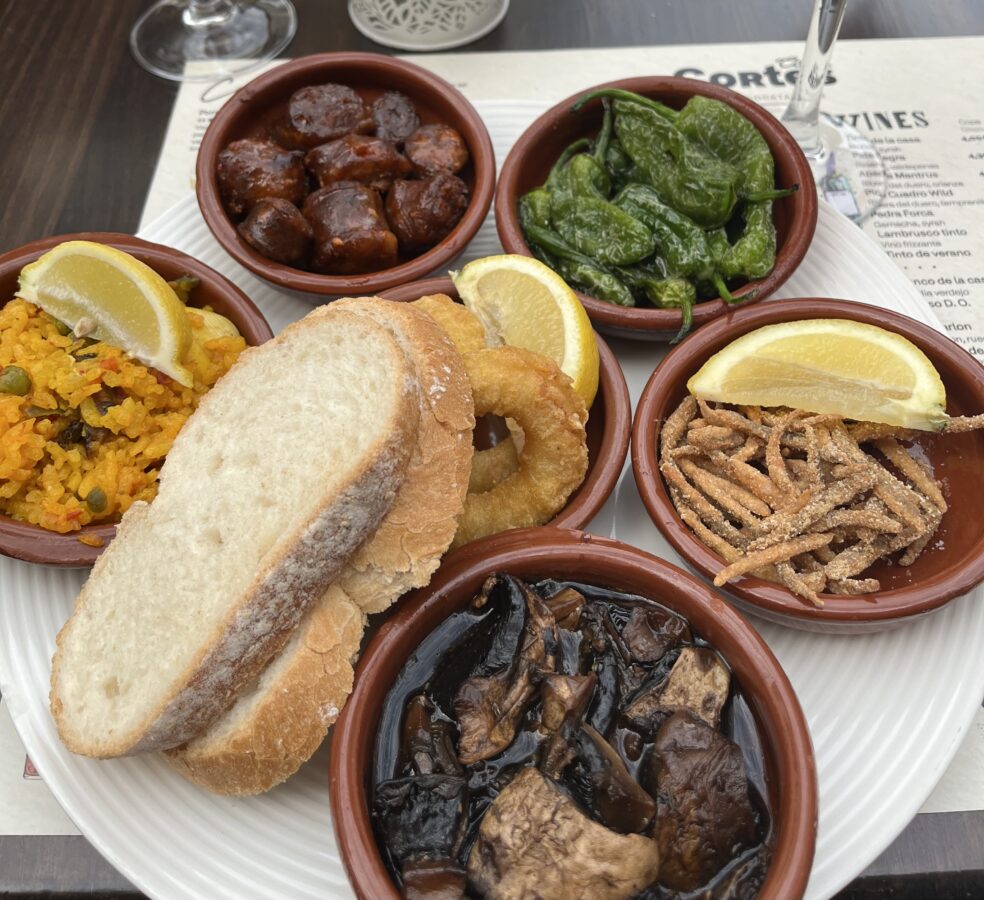
Espetos on the beach (sardines threaded onto canes and grilled over driftwood fires built into old fishing boats), jamón you’ll think about for years, fried fish at a chiringuito with a cold beer that costs less than the parking, proper tapas culture where you actually move from bar to bar instead of sitting in one place all night.
Málaga city has had a serious food moment in the last few years and is now one of the best eating cities in Spain. I’d happily build a whole week around it.
That said, the Algarve has its own brilliance, just at a different volume. Cataplana (a seafood stew cooked in a copper clam-shaped pan that opens at the table) is the dish to order. The version at A Eira do Mel in Vila do Bispo is the one I send everyone to.
Grilled sardines in summer are as good as anywhere in Iberia, and you eat them with your fingers off a piece of bread. Piri-piri chicken, particularly inland around Guia, is the reason people drive an hour for lunch.
And Portuguese wine—especially the whites from the Alentejo just north—punches well above its price point. What the Algarve lacks is the sheer density and theatre of Spanish tapas culture. You’ll eat very well, but you won’t bar-hop in the same way, and the kitchens close earlier.
- Better for foodies who want variety, energy, and a tapas crawl: Costa del Sol.
- Better for foodies who want one long, unhurried lunch: Algarve.
The Vibe
This is the one to think hardest about, because it’s where the two coasts diverge.
The Costa del Sol is loud, in the best sense, with a full sensory experience of beach clubs in Marbella, late dinners that start at 10pm, flamenco bars in the old town, a Puerto Banús harbour where the boats and the people-watching are equally over the top.
It hums. Even the quieter towns like Estepona feel social and well-populated. If you like a bit of buzz on holiday, this is your coast.
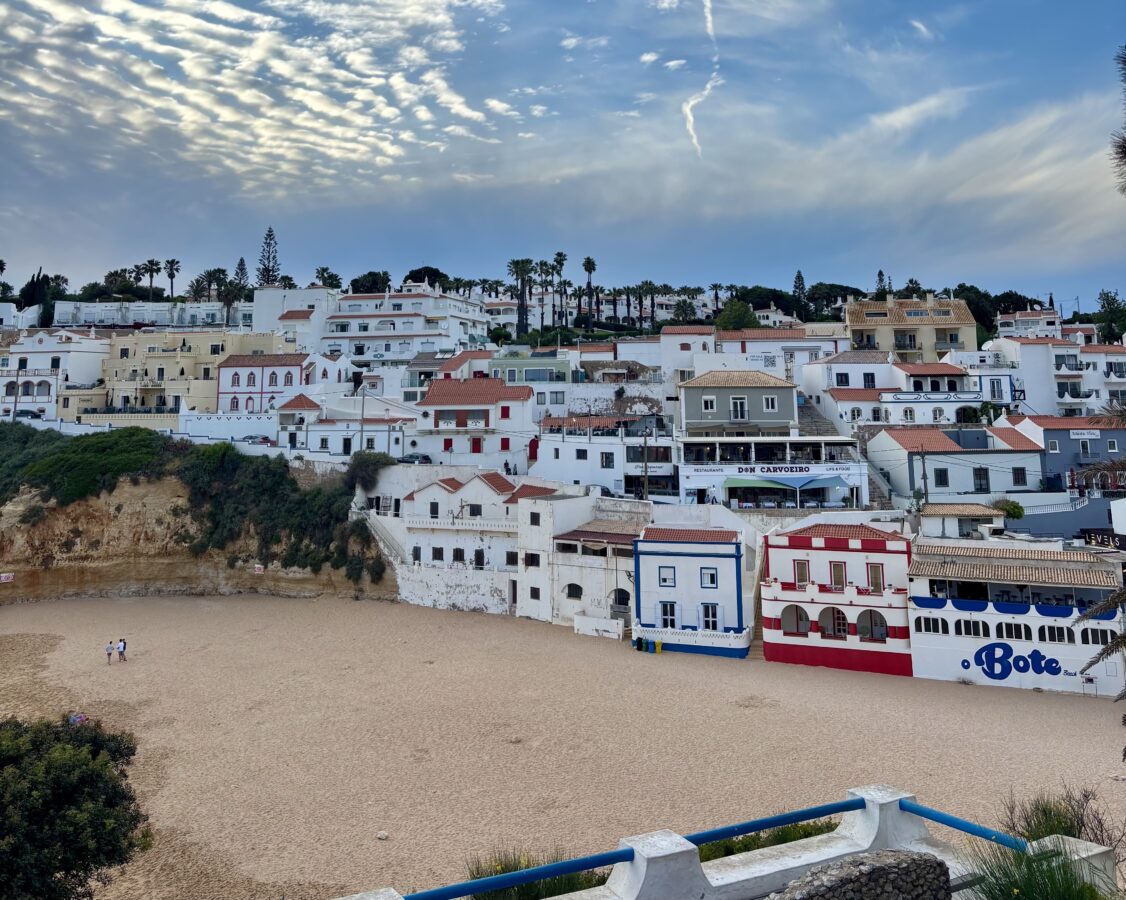
The Algarve is calmer, fundamentally. Lagos has a young, surfy crowd in the summer and Albufeira has its strip if you really want one, but the dominant register is gentler. Tavira is sleepy and beautiful and built around a Roman bridge.
Sagres at the western tip feels like the edge of Europe (the cliffs there were where medieval cartographers thought the world ended). Even the busy bits feel less performative than their Spanish equivalents.
Portuguese hospitality has a softer edge—warmer, less showy—and it shapes the whole feel of the place. I notice it every time I cross the border in either direction.
- Better for energy and nightlife: Costa del Sol.
- Better for slow days and genuine quiet: the Algarve.
The Cost
Both coasts are still pretty affordable compared with most of Western Europe, but the Algarve nudges ahead on value.
A solid mid-range dinner with wine for two will run you about €60-€70 in the Algarve versus €80-€90 in Marbella (as a minimum) or Puerto Banús. Coffee is the real giveaway. €1.20 for a galão in Portugal versus €2.50-€3 for a café con leche in a beachfront spot in Spain.
Accommodation is closer than people think. Both coasts have everything from €80 guesthouses to €1,000-a-night cliffside resorts.
Marbella’s high end is high (Puente Romano, Marbella Club, the type of places where you spot people behind sunglasses for a reason) while the Algarve’s luxury sits more in the resort-and-villa category (Vila Vita Parc, Quinta do Lago, Conrad).
Flights to Faro from the UK tend to be cheaper than to Málaga in shoulder season but it varies week to week.
One thing worth knowing: car hire in the Algarve is significantly cheaper than in Málaga, often half the price, which can swing the math if you’re planning to drive.
- Better for value: the Algarve, by a noticeable margin.
Getting Around
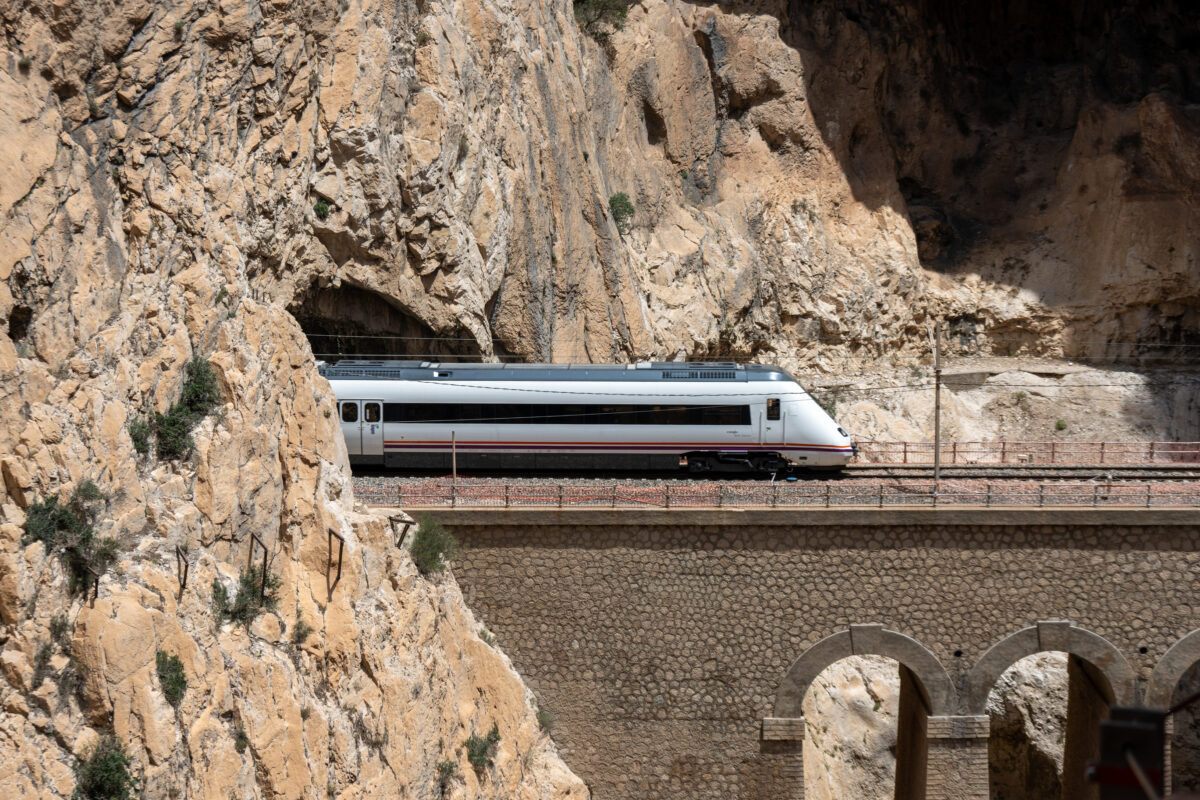
The Costa del Sol is easier to navigate without a car. There’s a coastal train (Cercanías) running from Málaga airport down through Torremolinos, Benalmádena, and Fuengirola, plus regular buses to Marbella and Nerja. You can absolutely have a great week without driving.
The Algarve is a different story. There’s a train along the coast but it’s slow and the stations are often outside the towns themselves.
To actually see the place—the hidden beaches, the inland villages, the fact that the best cataplana is twenty minutes from where you’re staying—you need a car. Hire prices are reasonable and the roads are excellent, but it’s worth knowing before you book.
- Better for car-free first-timers: Costa del Sol.
- Better for road-trippers: the Algarve.
When to Go
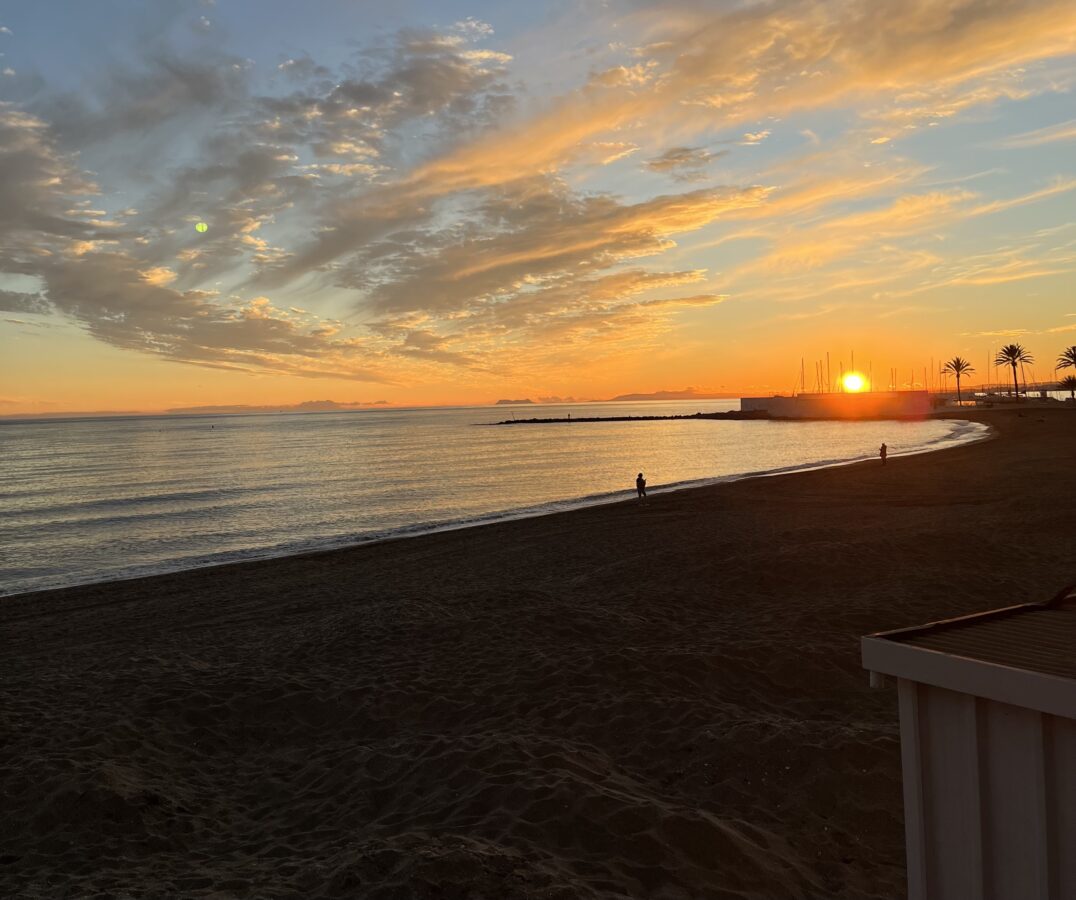
Both coasts share a similar climate but the Algarve runs a touch cooler and breezier thanks to the Atlantic. May, June, and September are the sweet spots either side. Warm enough to swim, not so packed you’re queuing for sunbeds.
July and August are gorgeous but busy and pricier; the Algarve in particular gets booked out months in advance for August.
Winter is where the Costa del Sol pulls ahead. Marbella in February is one of the few places in Europe where you can have lunch outside in short-sleeves. The Algarve is mild but quiet in winter. Charming if you want to walk empty cliffs and read by a fire, less ideal if you want a proper beach holiday.
- Better for a winter sun fix: Costa del Sol.
- Better for shoulder season: tied—both are excellent.
So, Which One Should You Pick?
If this is your first trip and you want the easier introduction—more flights, easier transport, livelier evenings, food culture you can dive straight into—go to the Costa del Sol. Base yourself in Málaga or Nerja rather than the resort strip itself for the most authentic version.
If you want the more visually astonishing trip and don’t mind hiring a car, go to the Algarve. Stay somewhere between Lagos and Albufeira, get up early at least once for sunrise at Praia da Marinha, and order the cataplana at least twice.
My personal pick? After a childhood on the Costa del Sol and three years of weekend trips down to the Algarve from Lisbon, I’d send a first-timer to the Algarve.
Not because Spain isn’t excellent (it is) but because the Algarve is the one that takes your breath away. The Costa del Sol you can come back to. The Algarve, for a first trip, is the better story to tell when you get home.