
Islands in Europe offer some of the world’s most iconic road trips, including routes that trace stunning coastlines and dramatic cliffside drops while boasting breathtaking ocean views. But with hundreds of thousands of islands, finding one that suits your travel style and other requirements can be challenging.
Having spent significant time in many European countries over nearly three decades, I’ve discovered many of the very best, highlighting them on this list. Other islands featured are based on traveler recommendations, user-rated points of interest, natural beauty, and road conditions.
Iceland
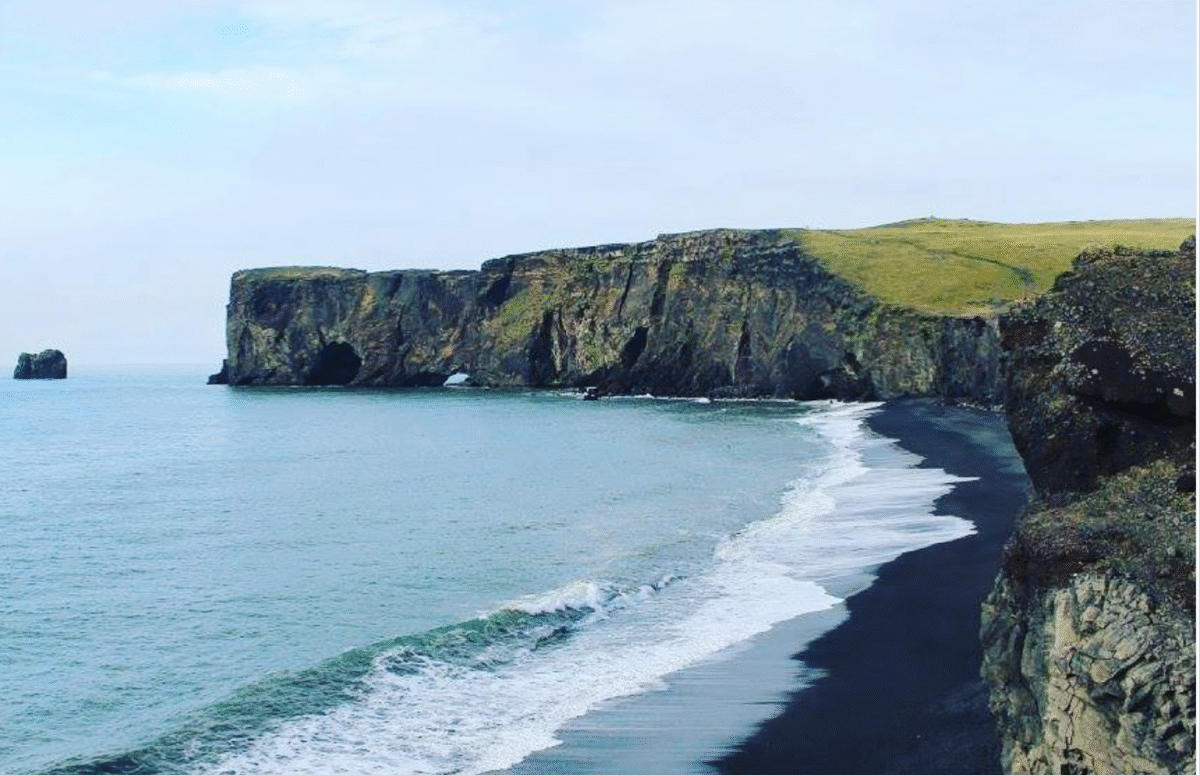
The Ring Road is an 820-mile scenic loop around Iceland, taking a week to 10 days to complete. Covering deep fjords, towering mountains, and unique coastal towns, this epic journey often begins in the capital city of Reykjavik. From there, travelers explore the Golden Circle, with active geysers and powerful Gullfoss waterfall, where rainbows often appear within its mist. At Thingvellir National Park, visitors can snorkel between two continents. Traveling to the south coast, you’ll find famous waterfalls like Skógafoss and Seljalandsfoss, Reynisfjara, a black sand beach with basalt columns, and floating icebergs at the Jökulsárlón glacier lagoon.
Continuing north, stop at the Lake Myvatn geothermal area with boiling mud pools, steaming fissures, and the warm, mineral-rich waters of the Mývatn Nature Baths. Whale enthusiasts should miss Husavik, Europe’s whale-watching capital. Traveling back along the west coast, discover “Iceland in Miniature” by exploring the Snaefellsnes Peninsula, concluding with a relaxing soak in the Blue Lagoon near Keflavik International Airport.
Isle of Skye, Scotland
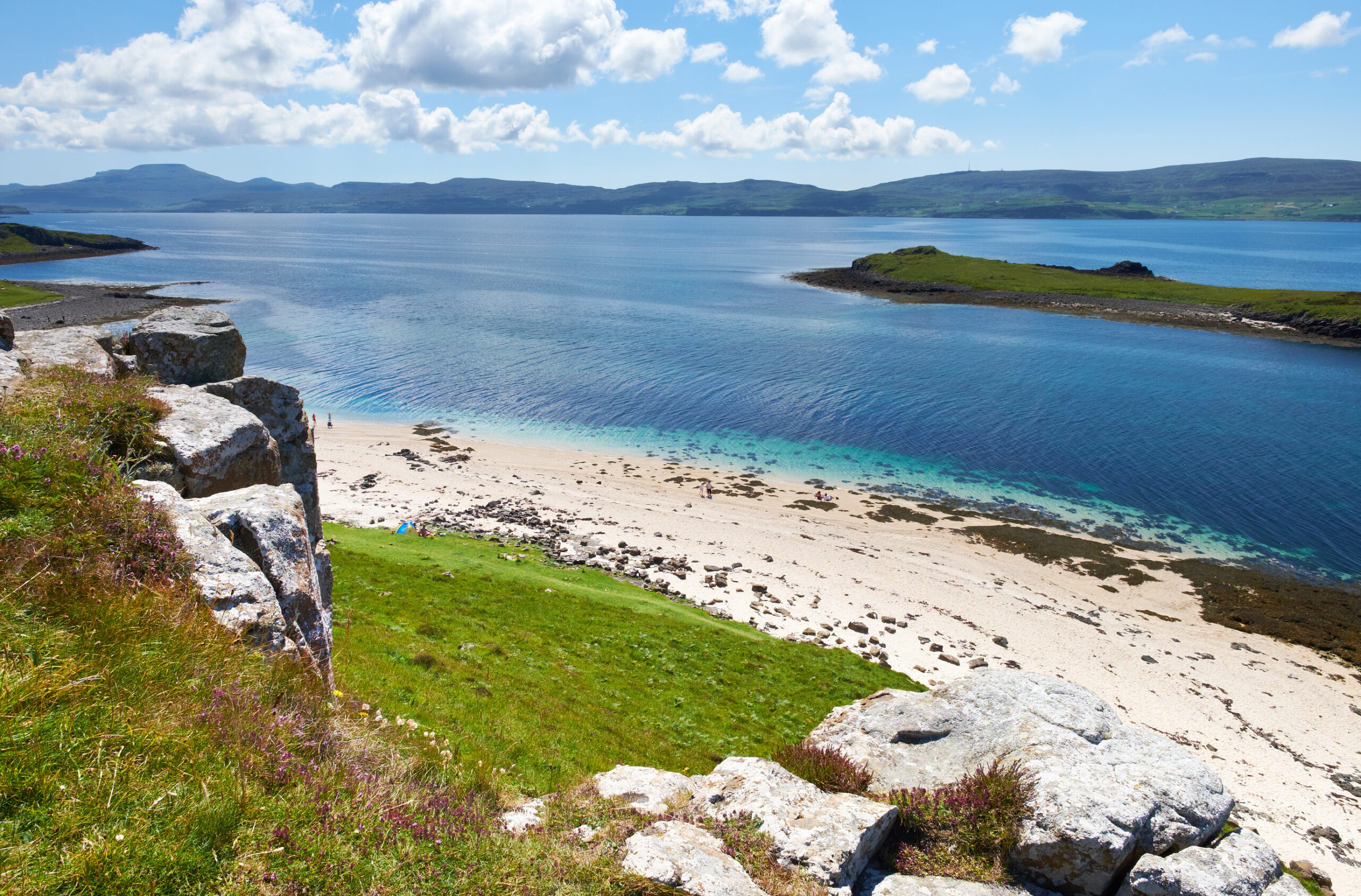
Allow two to three days to cover many of the highlights on Scotland’s fantasy-like Isle of Skye. You might explore the Trotternish Peninsula by making a loop from Portree, first stop, the Old Man of Storr, just 15 minutes north. A 90-minute round-trip hike will bring you up the towering, otherworldly group of jagged rock formations, of which the “Old Man” is considered the crown jewel. Continuing north, visit Kilt Rock and Mealt Falls, the Quiraing, and the Fairy Glen with its storybook feel. On day two, explore Dunvegan Castle, a must-visit on Skye. Scotland‘s oldest continuously inhabited castle, with museum displays that include the 4th-century Fairy Flag and Bonnie Prince Charlie’s Jacobite artifacts.
From the castle, head to Neist Point Lighthouse at the island’s extreme western tip, a breathtaking vantage point for photography, spotting marine life like porpoises, whales, and basking sharks, and sunset-watching. If you have time for a third day, journey through the heart of Skye to the series of crystal-clear sapphire rock pools and waterfalls at the base of Black Cuillin mountain known as the Fairy Pools.
Lewis and Harris, Scotland
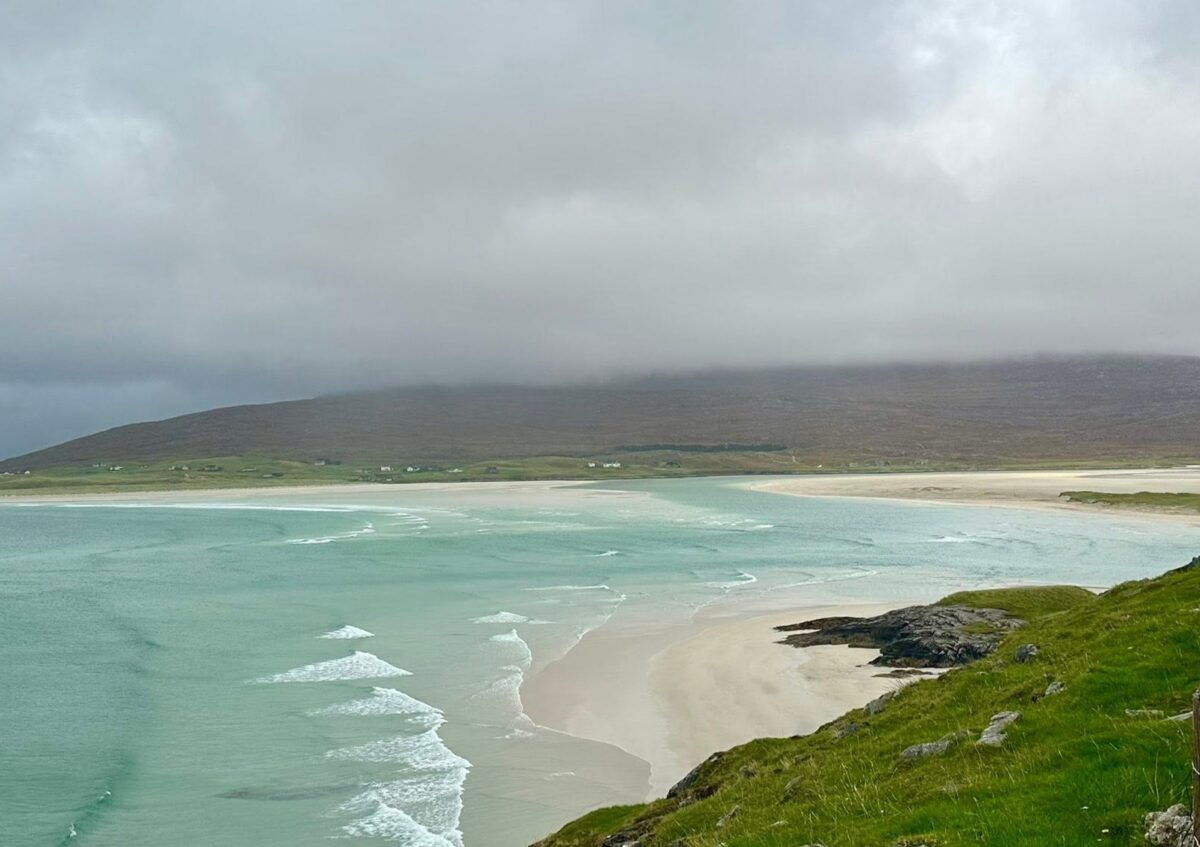
For those who want to avoid big crowds and traffic congestion, Lewis and Harris in the Outer Hebrides is a remote and stunning paradise, with endless shades of blues and greens, and some of the most exquisite white sand beaches. Just one landmass, it’s divided into two distinct regions, with flatter Lewis in the north and mountainous Harris in the south. Start from Stornoway on Lewis, arriving by ferry from Ullapool. It’s a small, tranquil town, but it’s the largest in the Western Isles, home to pubs hosting frequent live music and Lews Castle, with a museum displaying the famous 12th-century Norse Lewis Chessmen.
Drive out to the Calanais Standing Stones, which predates Stonehenge at roughly 5,000 years old. Nearby is Callanish Alpacas where you can meet a dozen alpacas, Kunekune pigs, rare breed sheep, and all sorts of chickens, turkeys, and ducks. Heading south to Harris, your first stop should be Luskentyre Beach, one of the most famous in the Outer Hebrides with dunes, chalk-white sands, and crystal-clear turquoise water. Afterward, drive the Golden Road through the rugged landscape on the east coast, concluding in Tarbert, home to the Isle of Harris Distillery, which offers tours and tastings.
Naxos, Greece
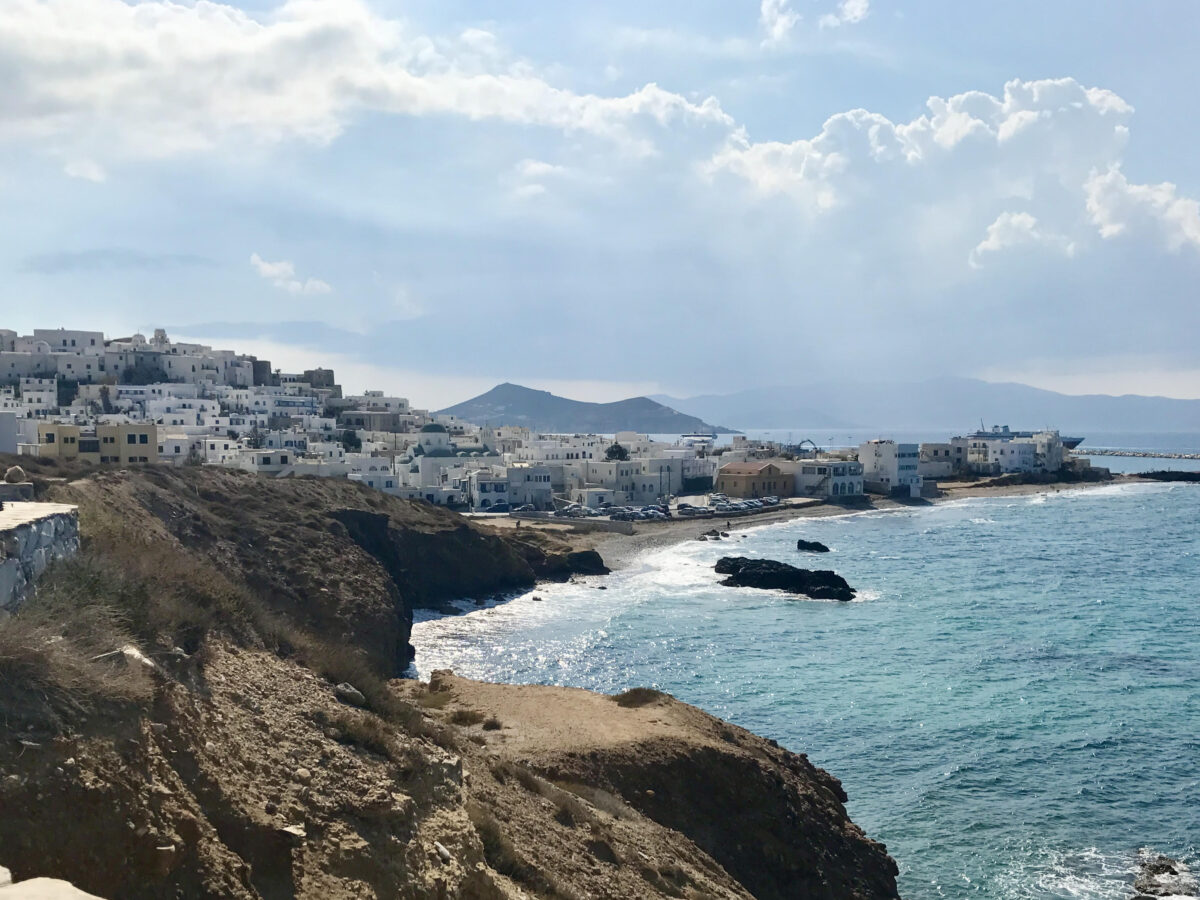
While many people simply head to Naxos to spend their days on some of the country’s most beautiful sandy beaches, there’s a lot more to experience on the island. Enjoy a day to beach-hop along the southwestern coast and then take another for the ultimate day-long road trip. Travel inland towards Melanes, roughly six miles from Naxos Town, where you’ll find the Ancient Kouros of Flerio, 21-foot-tall unfinished statues nestled in an olive grove, dating back to roughly 570 BC.
Continue to Halki with its neoclassical mansions and traditional distillery, where you can sample the local citrus liqueur. If you have time, hike the Mount Zas Trail from the picturesque village of Filoti on its slopes before continuing the winding route to the mountaintop “marble village” of Apeiranthos. Heading north to the fishing village of Apollonas, stop to see the 1,300-year-old Apollonas Kouros, and enjoy fresh seafood in a local seaside taverna before making the spectacular coastal drive back to Chora.
Sicily, Italy
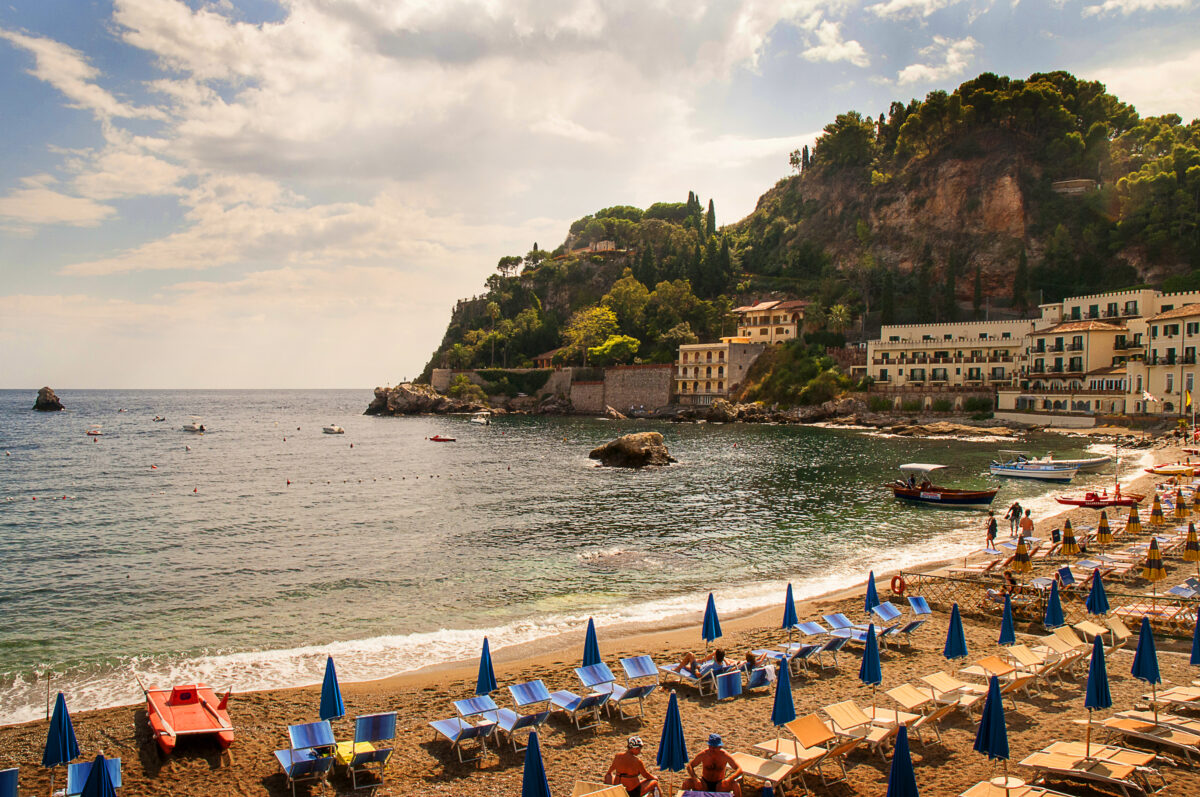
Exploring Sicily takes about a week to ten days, allowing you to transition from ancient ruins to the Mediterranean in minutes. You might begin in historical Palermo with ancient streets home to everything from Roman ruins to Baroque palaces. Then, travel west to Trapani to visit Erice and Mozia (by boat) before exploring a must-see along the coast: the Valley of the Temples in Agrigento.
Continuing east, view ancient Roman mosaics at Villa Romana del Casale before reaching Ragusa in the southeastern hills, an ideal base for exploring the “chocolate town” of Modo and Noto, with its magnificent Baroque beauty. Finally, admire the ancient Greek theater in Siracusa and the stunning views of Mount Etna in Taormina before returning to Palermo via the authentic fishing village of Cefalù.
Lofoten Islands, Norway
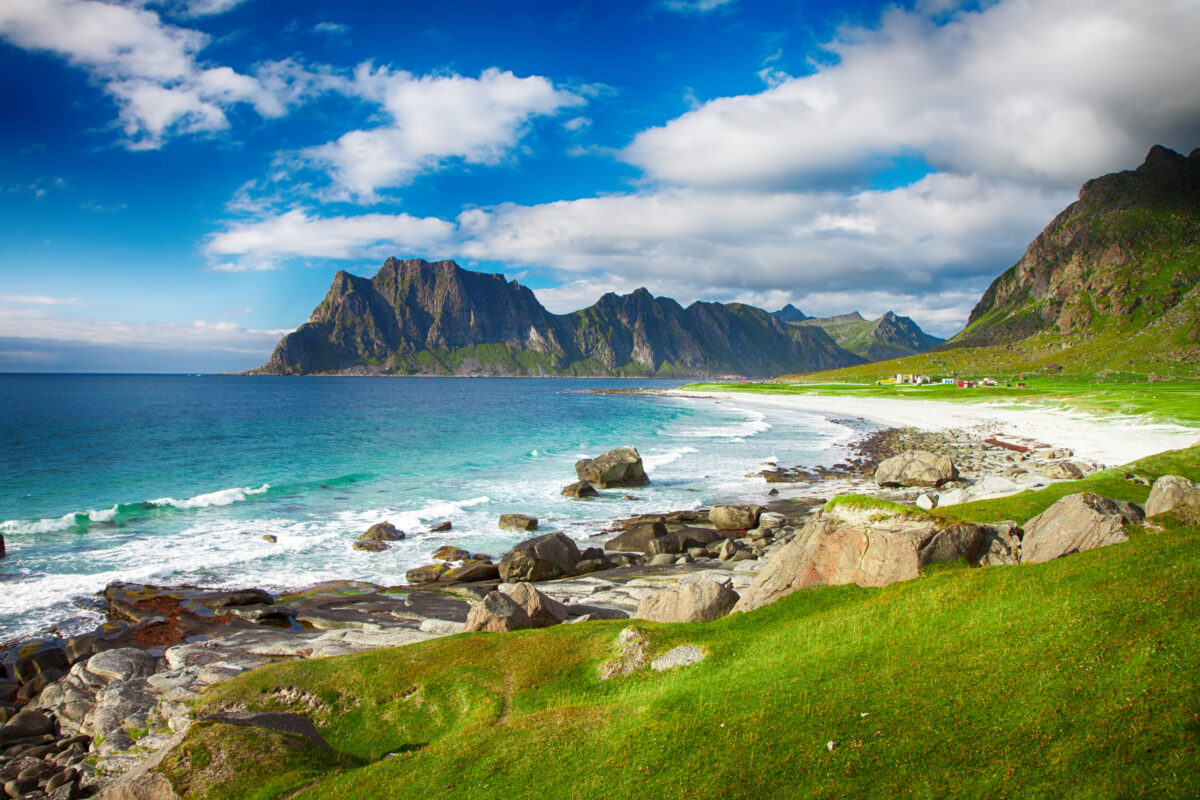
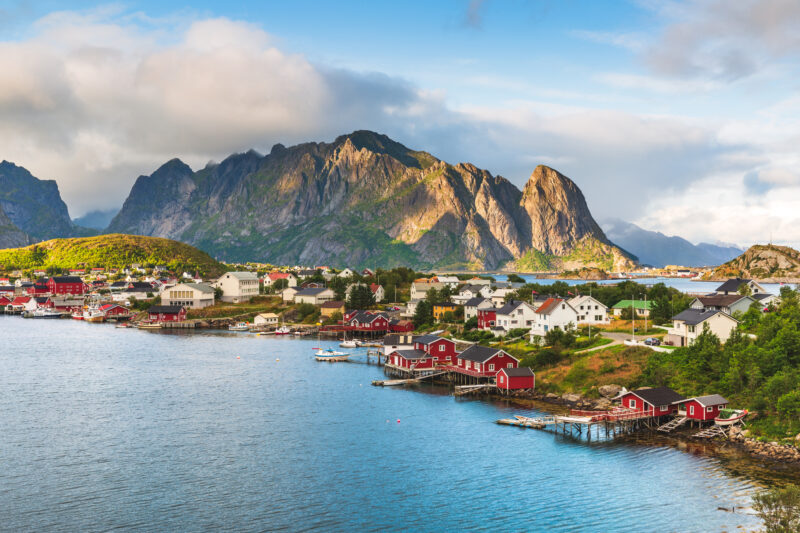
Norway’s Lofoten archipelago is renowned for its granite peaks rising from the sea, Caribbean-like beaches, and tiny villages home to rorbeurs (red fisherman’s huts built on stilts over the water). A spectacular 217-mile drive from Å near the Moskenes ferry terminal to Andenes will allow you to take in the many highlights. While it can be completed in a day or two, slow down, doing it in four, or even better, a full week. Starting at the south end of the E10 road, the town of Å may have the world’s shortest name, but it’s worth a visit for its visual appeal and fishing village museum. Just a short drive north is the postcard-perfect village of Reine, followed by Ramberg Beach with its gleaming white sand and clear, turquoise water.
About 40 minutes further, you’ll want at least a few hours at Lofotr Viking Museum, with everything from museum exhibits and a reconstructed Viking longhouse to rides on a traditional Viking ship and axe-throwing. The little village of Henningsvær is one of my favorites. Built on several small islands, it’s famous for its unique football (soccer) stadium constructed atop one of the rocky islets. Next up: Svolvær, the largest town in Lofoten, nestled beneath a towering jagged mountain called the Goat. Crossing into the Vesterålen region, you’ll reach Andøya Island, home to Andenes, famous for whale watching with sperm whales here year-round.
São Miguel Island, Azores
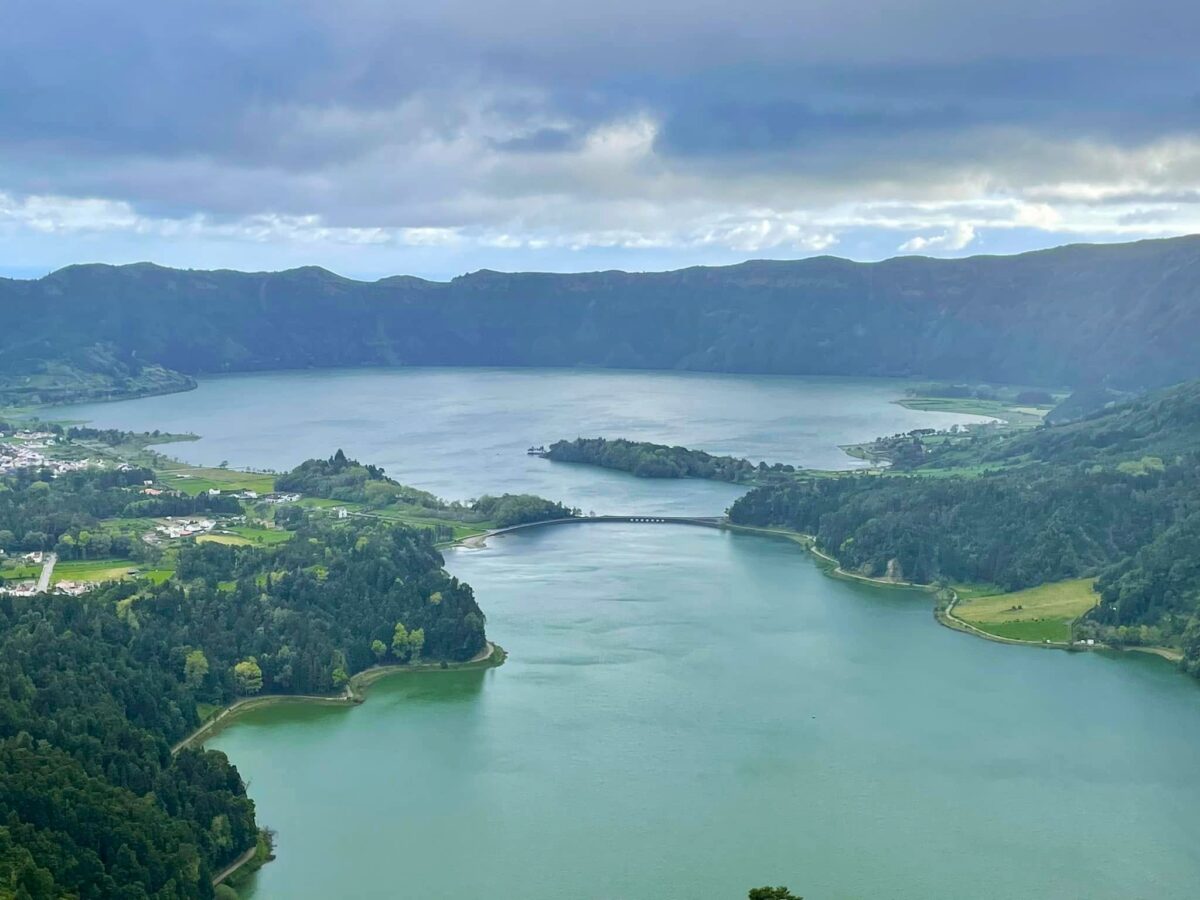
The largest and main island in the Azores, São Miguel Island is known as the “Green Island”, with lush, green hills reminiscent of Ireland. It’s also one of Europe’s best road trip destinations, allowing visitors to explore its crater lakes, black sand beaches, and hot springs at their own pace. Public transport is limited, so having a vehicle means you can pull over at the many spectacular miradouros (viewpoints) whenever you like. Driving from one end to the other without stopping takes about 1.5 to 2 hours, but you’ll want a full day to take in the highlights.
Save time for the Azores’ capital, Ponta Delgada, where you can stroll the seaside Avenida do Mar and tour the 16th-century Forte de São Brás. Sete Cidades, the famous twin lakes nestled inside a massive volcanic crater, lies at the island’s west end. Toward the eastern end of the island, Furnas is a geothermal hub for soaking in hot springs and sampling the island’s signature stew, Cozido das Furnas, cooked underground by volcanic heat. On the north coast, visit Gorreana, the only tea plantation in Europe that grows and processes its own green and black tea. In the nearby Parque Natural da Ribeira dos Caldeirões, walk a short path to view multiple waterfalls.
Gotland, Sweden
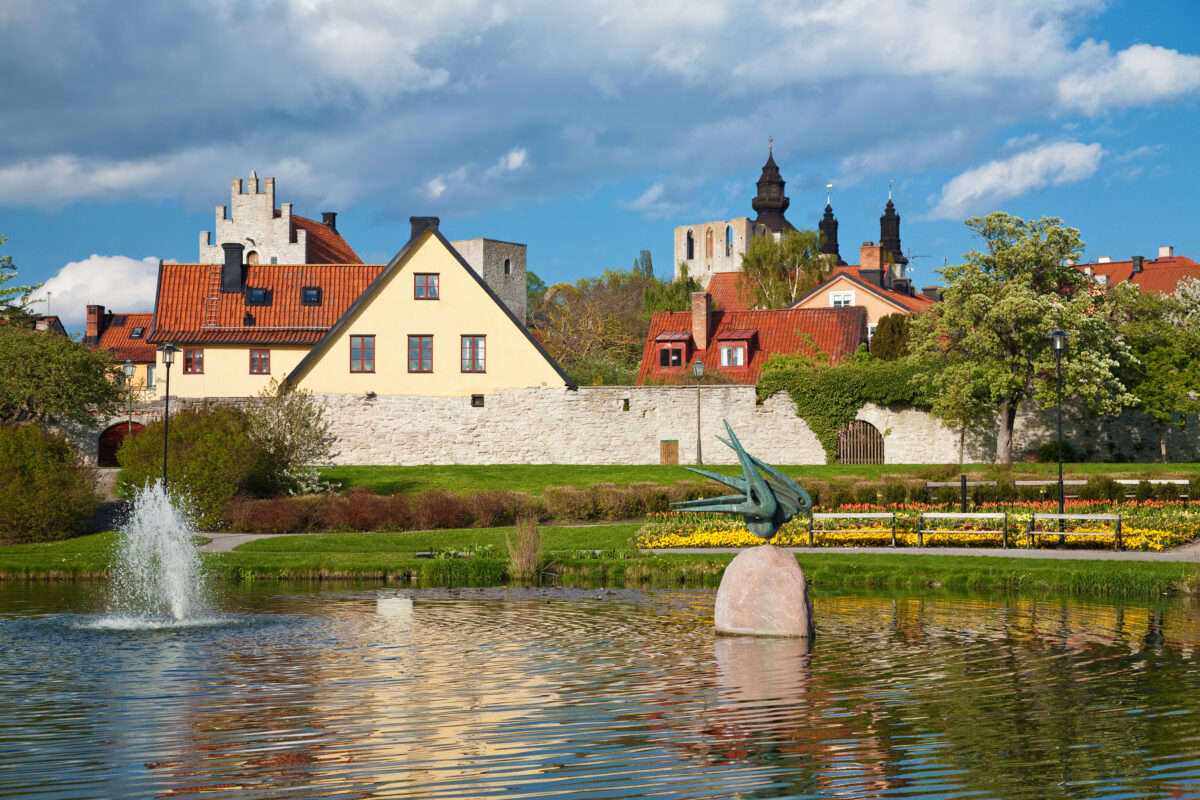
Gotland is known for its beautiful beaches, ancient castles, and mild climate. Exceptional for a road trip, it’s compact in size, taking only about two hours to get from one end to the other. Begin by exploring UNESCO-listed Visby, an old Viking town established in the 12th century, complete with cobbled streets and a massive city wall, built around 1250. With about 500 miles of coastline home to sandy beaches, secret swimming spots, and otherworldly sea stacks, you’ll want to drive the coastal routes. Minor roads along the western and eastern coasts pass scenic lookouts and picturesque beaches like Tofta, with white sands and shallow water that shifts in shades of clear blue and bright emerald green.
Saaremaa Island, Estonia
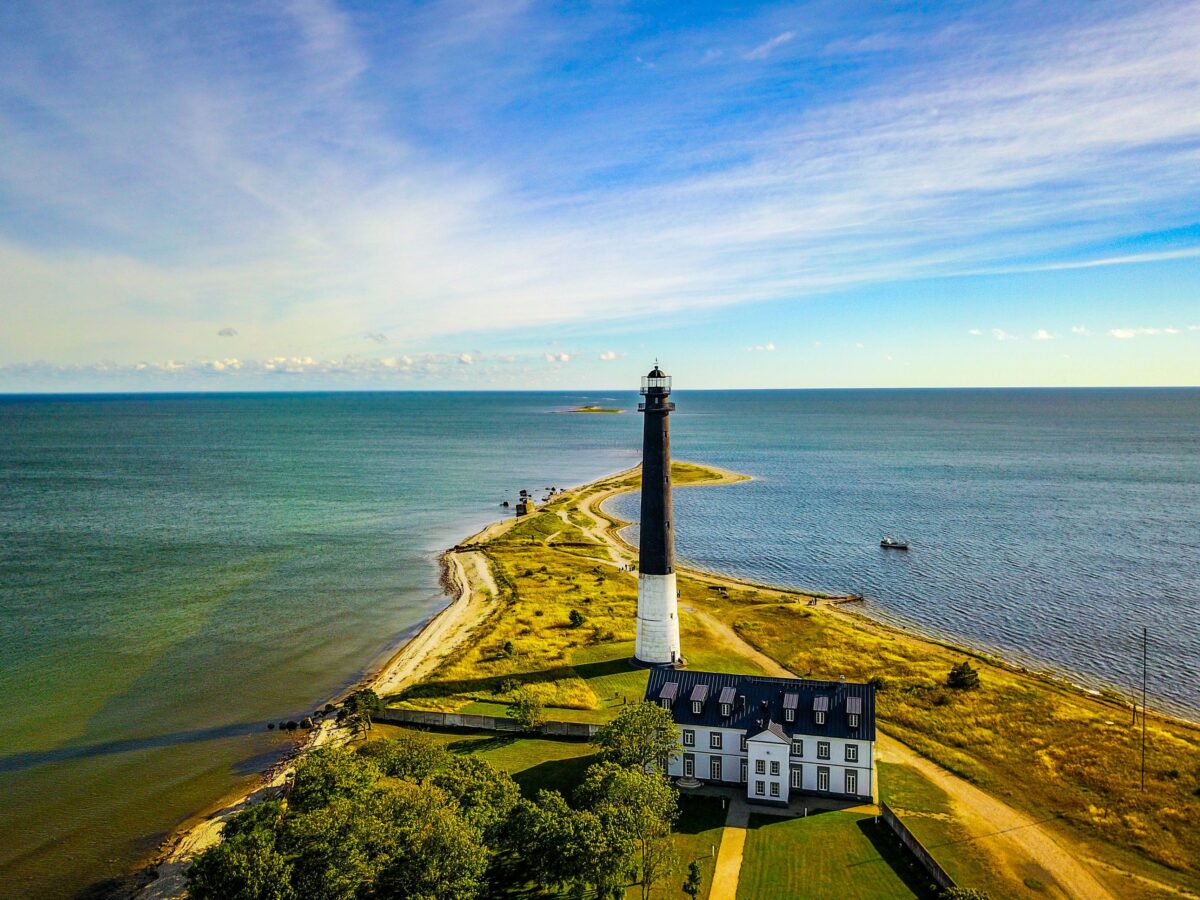
The largest island in Estonia, Saaremaa covers about 1,032 square miles, taking two to three days to explore, without feeling rushed. Begin your trip with a 30-minute ride on the Virtsu-Kuivastu Ferry from the mainland to Muhu Island, the gateway to Saaremaa. By following Route 10, the main road, you can look forward to a memorable 112-mile journey with stops to explore medieval castles, ancient forests, and rugged coastlines. After crossing the Väinatamm causeway, stop to see the historic Eemu Windmill, and then visit 13th-century Muhu St. Catherine’s Church.
Driving into Saaremaa, marvel at the roughly 4,000-year-old Kaali Meteorite Crater, tucked into the forest. The island’s capital is a good place to overnight after touring the best-preserved medieval fortress in the Baltics: 14th-century Kuressaare Castle. In the morning, continue to the northern coast to see the five historic wooden windmills on Angla Windmill Hill and take in the view from Panga, the island’s highest cliff rising 68 feet above the sea. South of Kuressaare is the Sõrve Peninsula, home to Sõrve Lighthouse and more awe-inspiring sea views. Finally, Vilsandi National Park on the western coast is ideal for hiking and birdwatching.
Mallorca, Spain
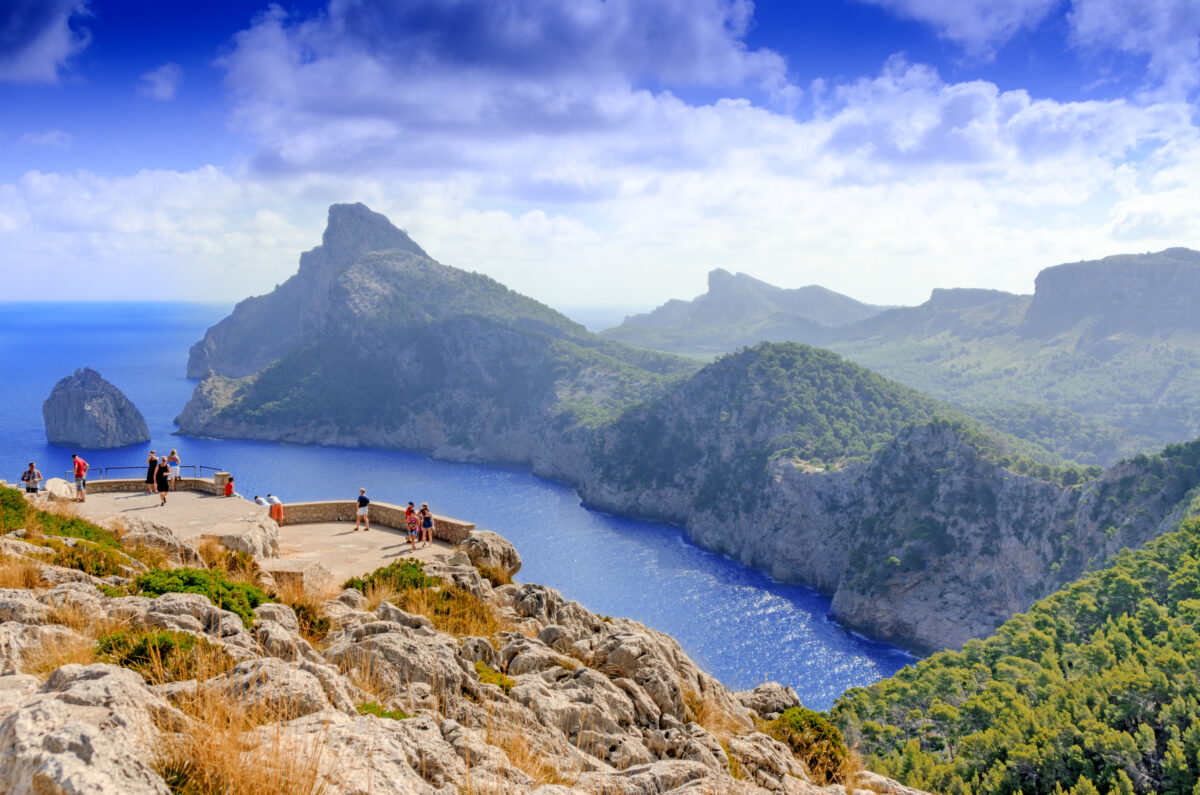
The MA-10 is Mallorca’s most impressive scenic drive, where you’ll have access to some of the island’s best beaches. Spanning about 70 miles, it weaves through the rugged Serra de Tramuntana Mountains from Andratx to Pollença. The route takes about 3.5 hours without stopping, but you should plan a full day or two to truly enjoy the mountain passes, sea views, and historic villages. Starting from Andratx in the southwest, fill up your tank, as stations are sparse in the mountains. You’ll head to the tiny coastal village of Estellencs first, with its tranquil cafes and sweeping ocean vistas. Next, travel to Banyalbufar with its ancient vineyard terraces descending the cliffs toward the sea.
It’s worth stopping in the picturesque town of Valldemossa, surrounded by lush hills. You can follow in the footsteps of composer Chopin at the Royal Charterhouse. In the bohemian village of Deià, browse the art galleries, visit the former home of English poet Robert Graves, and climb the steep alleyways to the local church graveyard, showcasing stunning sea and valley views. In the town of Sóller, you can ride a historic wooden train. In Pollenca, wander the historic streets and take in a panoramic view of the town by climbing the 365 steps to the Calvari Chapel.