
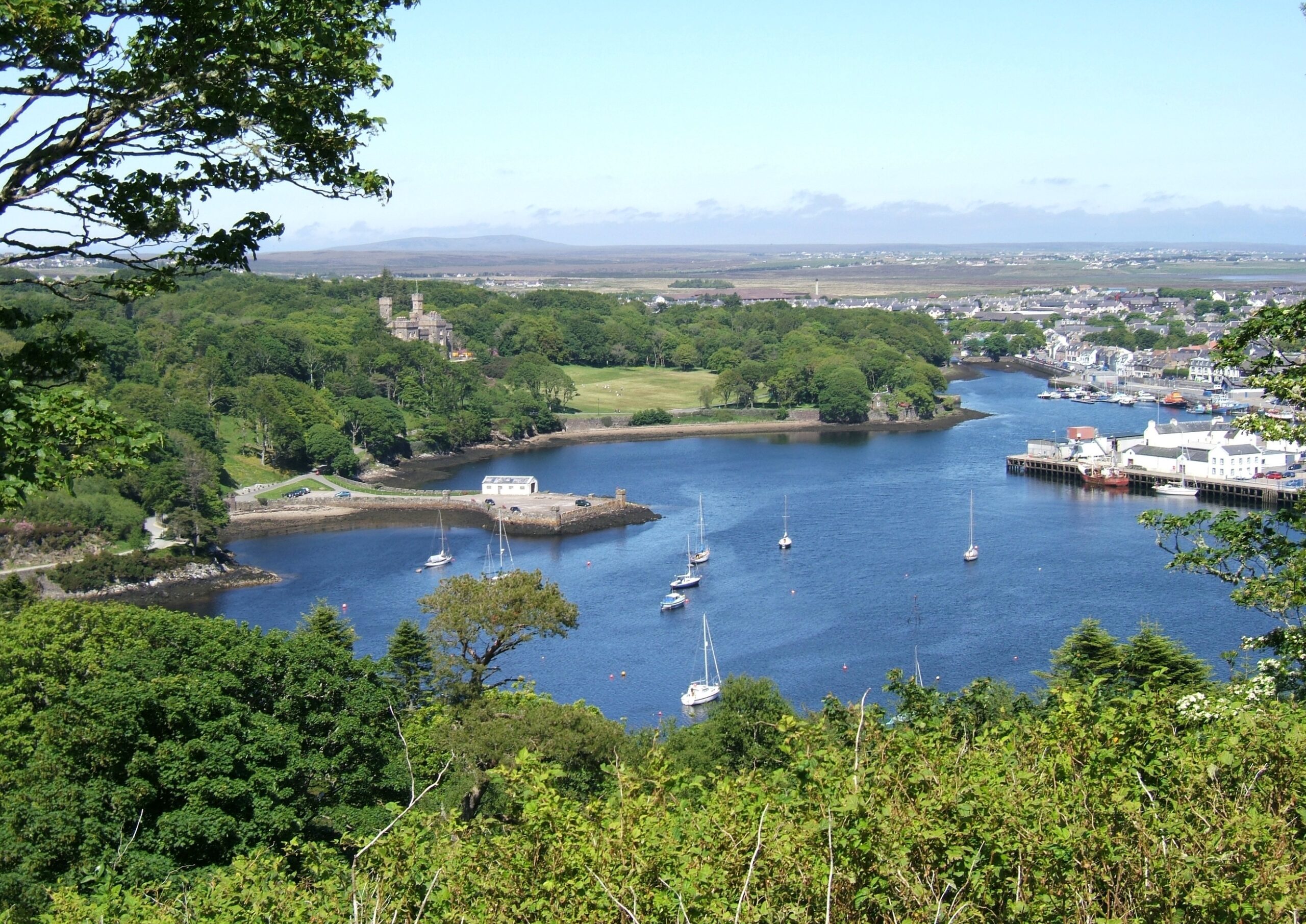
Stornoway is a small, tranquil coastal town, but it’s the largest in the Western Isles (Outer Hebrides) of Scotland, providing an ideal base for exploring Lewis and Harris. Originally a Viking settlement, today it’s better known for its uniquely Hebridean heritage. You’ll notice signs in Gaelic, and you might even hear Gaelic spoken by locals in town.
Despite its size, I was surprised to find that Stornoway is much more than a place to sleep. It’s overflowing with character and charm, with plenty of things to do right here and within a relatively short drive. I fell head over heels, just like some of my Scottish friends assured me I would. As with many places in Scotland, it’s not only picturesque, but the locals are friendly and welcoming. Other than the main grocery store (Tesco), businesses are locally owned, including shops selling everything from handcrafted items to clothing, cozy pubs hosting live music, and restaurants.
If I’m lucky enough to visit again, I would spend more time here and use Stornoway as a base to visit Harris as well, with its tiny main town of Tarbert and popular attractions like Luskentyre Beach only about an hour’s drive away. There’s really no reason to pack up and move again to visit Harris, which is sparsely developed.
A Small Town With Lots to See & Do
Explore Lews Castle & the Lews Castle Museum
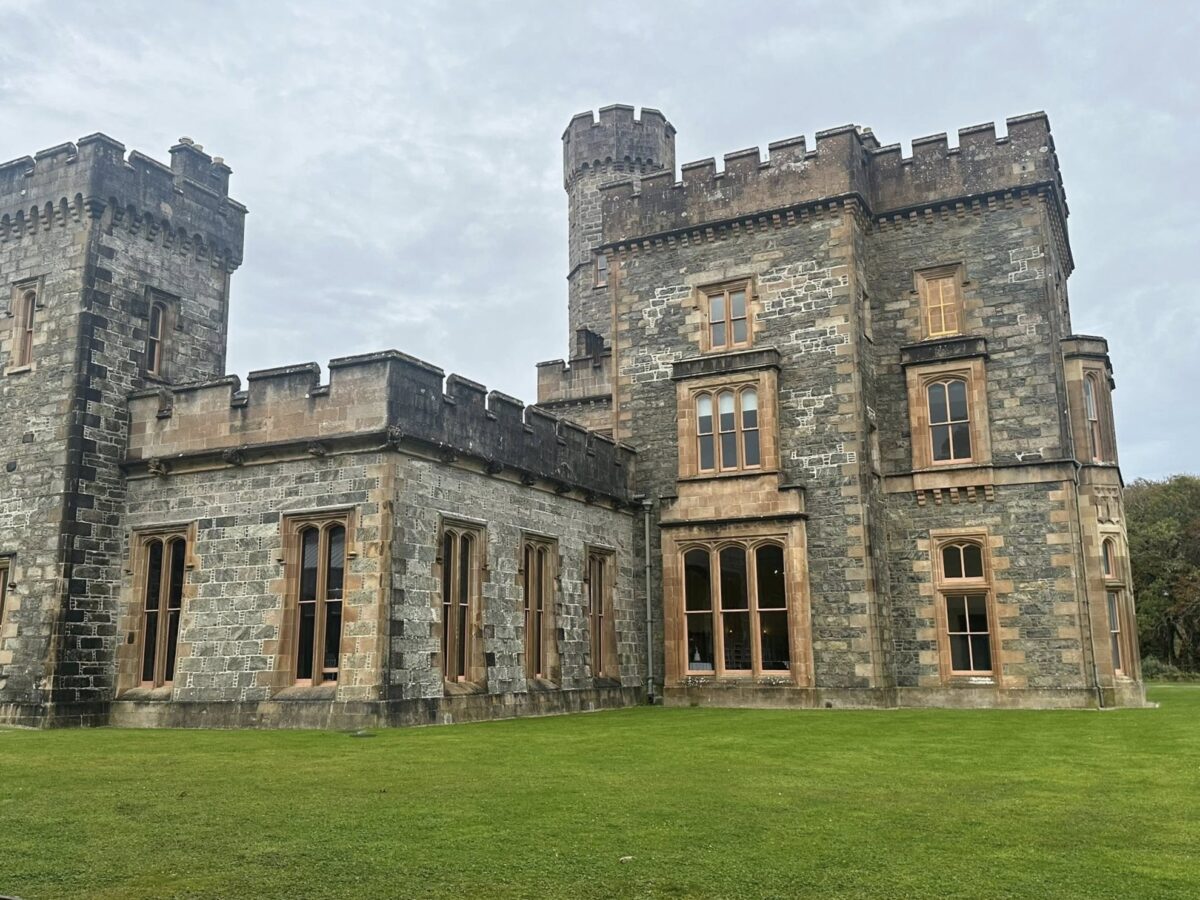
The gothic-revival style Lews Castle was built in 1847 by Sir James Matheson, who also purchased the Isle of Lewis, having made his fortune from the Chinese opium trade. Gifted to the people of Stornoway in 1923, it’s served as a naval hospital and college before being renovated in recent years to house a museum, gift shop, cafe, and even luxury accommodation. It’s a must-see even if just to capture a photo of the beautiful grounds and exterior, but when the museum is open, you’ll definitely want to step inside.
The highlight at the museum is the famous 12th-century Norse chess pieces that were found on a beach nearby, six of which are on display here. Intricately carved from walrus ivory and whale teeth, their exact origins remain a mystery. Visitors can also admire a variety of regional artifacts and learn about the lives of the people in the islands, told in their own words, in the Eileanaich (The Islanders) Gallery. The grounds cover over 200 hectares, with pathways that wind through the trees and scenic viewpoints that include the town.
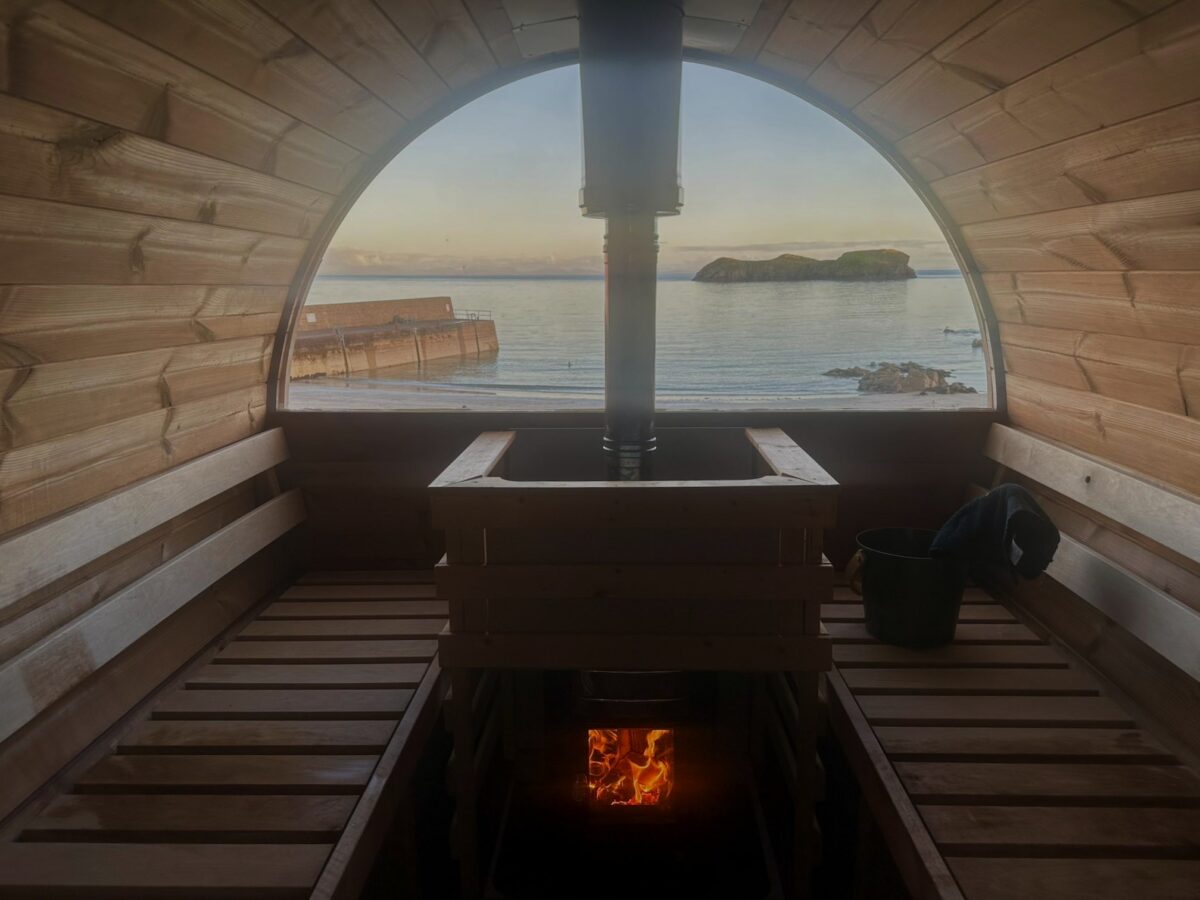
Hot & Cold Therapy: Saltbox Sauna at the Beach
One of my favorite experiences while staying in Stornoway was the Saltbox Sauna. It’s a mobile, “pop-up” sauna that was designed to provide stunning ocean views while rejuvenating the body and mind through hot and cold therapy. You’ll start by running into the sea for a cool dip before stepping into the wood-burning barrel sauna to warm up while admiring the scenery from the panoramic half-moon window. Rinse and repeat as many times as you’d like during your one-hour session.
While that water is very chilly (55 degrees at its highest temperature in September), it’s actually the part I enjoyed most. The shock of cold is invigorating, causing an immediate release of “feel-good” chemicals, including dopamine and endorphins.
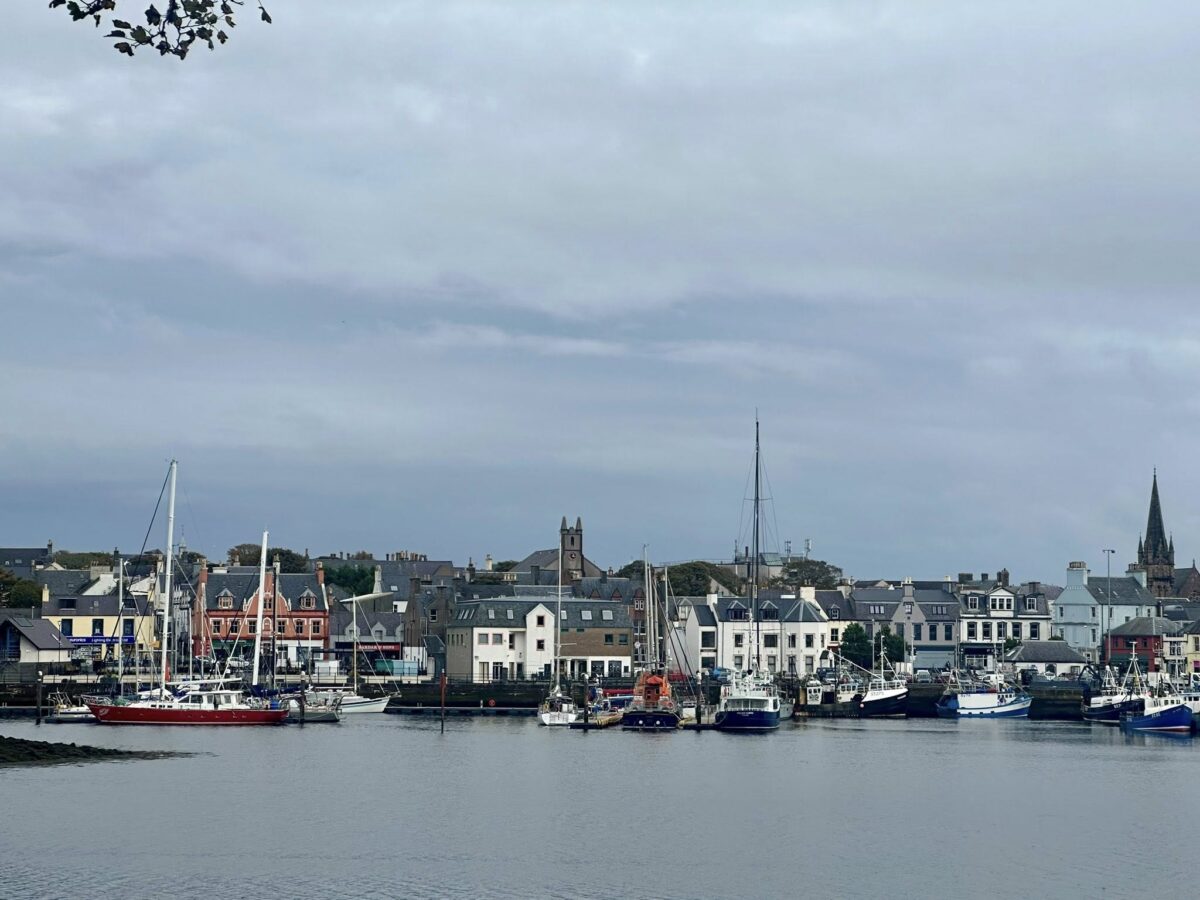
Wander the Harborfront and Maze of Streets
While wandering the harborfront, you can watch the boats come and go, and look for seals near the pier. It’s the perfect place for photos before navigating the maze of charming streets. With the brightly painted building facades, you’ll find plenty of photo ops here. There are also independent shops and boutiques to browse, including venues that sell unique Harris Tweed items, like skirts, jackets, and handbags.
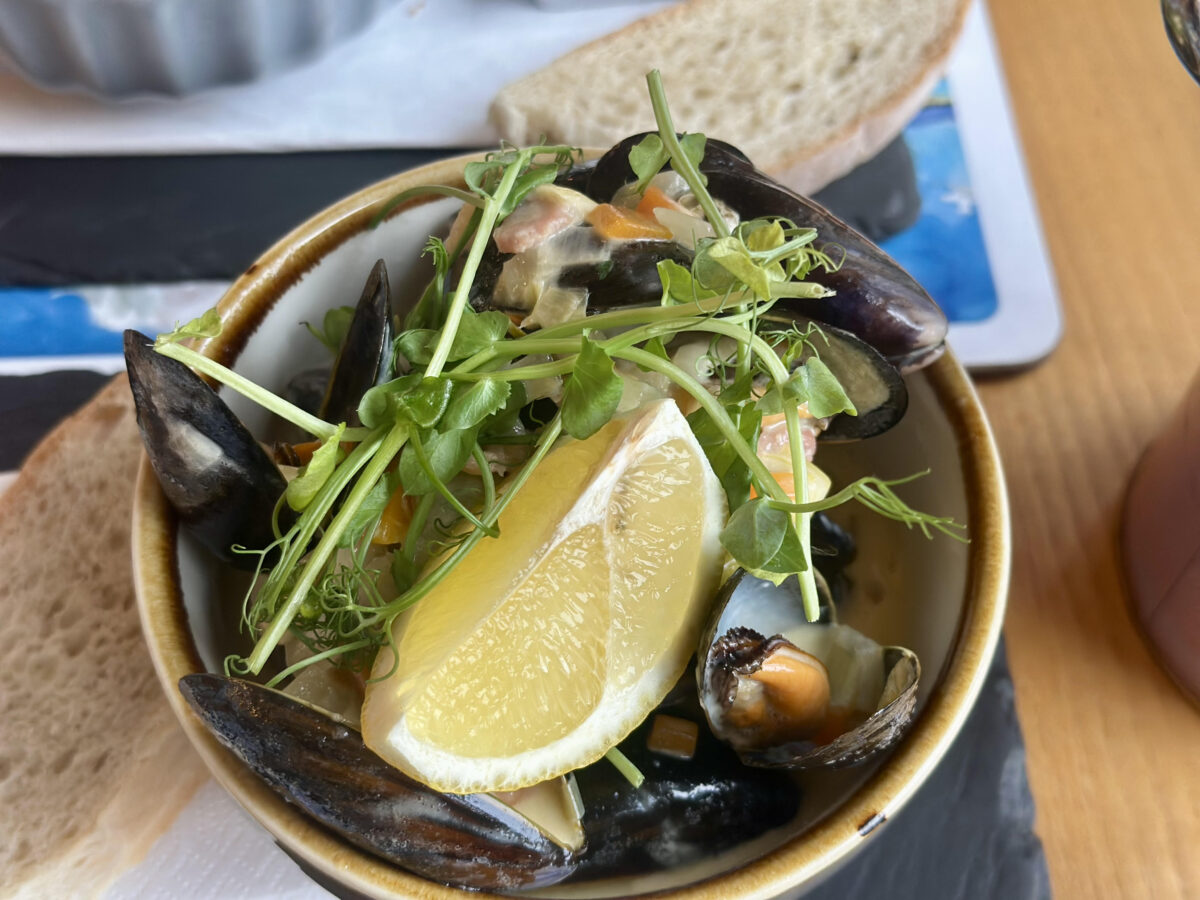
Try the Fresh Seafood and Stornoway Black Pudding
As a coastal town, it’s not surprising that Stornoway is known for its fresh seafood. It’s a hub for high-quality, sustainable catches, including mussels, crab, scallops, and langoustines (similar to large prawns but in the lobster family). The fishermen land daily and deliver their catches directly to restaurants like The Boatshed at the Royal Hotel.
Sampling the Stornoway Black Pudding is considered a must. Famous throughout Scotland (and beyond), it’s handcrafted by local butchers who use a traditional recipe that includes beef suet, resulting in a lighter, less greasy yet moist product. Scottish oatmeal is added, which contributes to the distinct texture. Stornoway Black Pudding also holds a protected status called Protected Geographical Indication (PGI), which means only authentic black pudding made in the Stornoway area can use the name to ensure traditional methods are maintained. Try it at a local butcher shop or one of the eateries like the An Taigh Cèilidh cafe.
Enjoy Live Local Music
Live local music can be enjoyed in Stornoway’s pubs year-round, including McNeils and The Criterion Bar. In the summer, it can be enjoyed not only in the pubs, but also along the streets and on the grounds of Lews Castle as part of the HebCelt Festival. Held over four days in mid-July, it features a mix of traditional Celtic and folk rock music. If you visit in early June, you might catch the Lewis Provincial Mod, a competition and celebration of Gaelic music and culture.
Go Beyond Stornoway
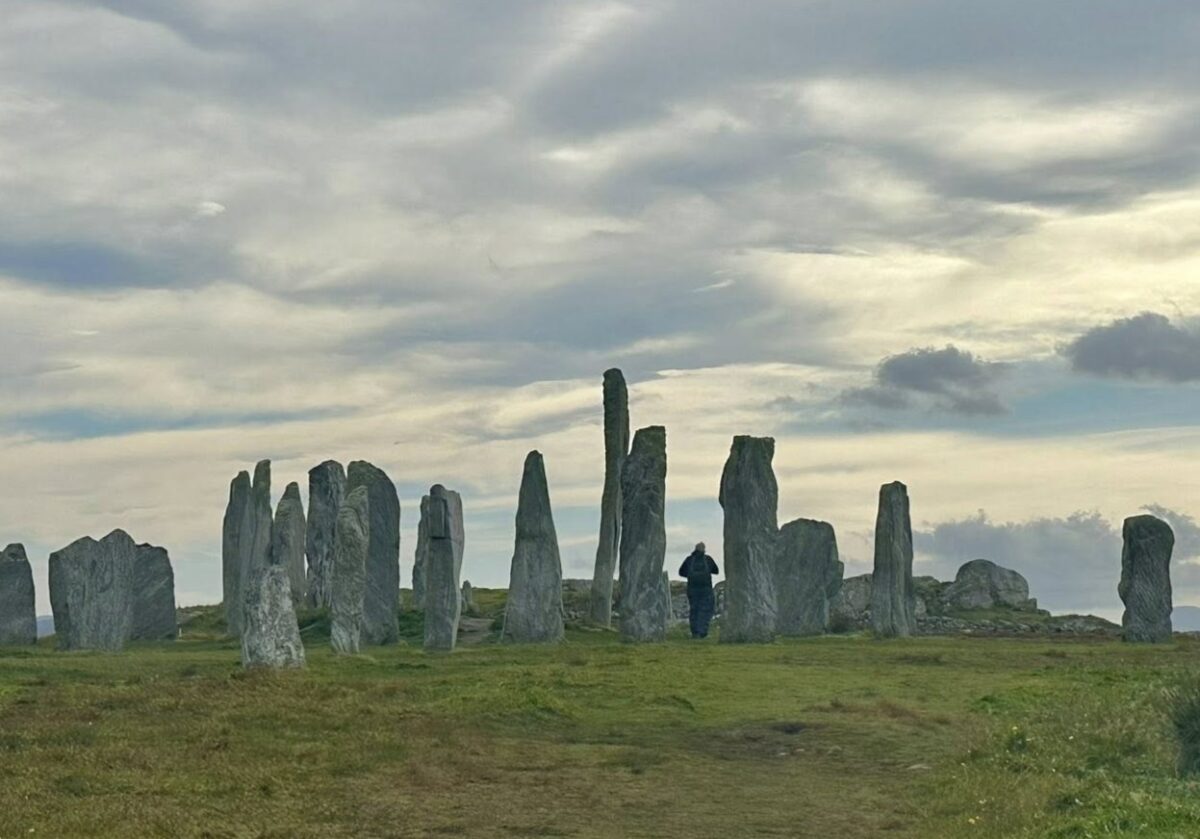
Callanish Standing Stones
Be sure to include time to go beyond Stornoway as well. Some of the top attractions can be reached within an hour, including the Callanish Standing Stones. The Neolithic stone circle even predates Stonehenge, erected sometime between 2900 and 2600 BC, making the site approximately 5,000 years old. It includes 13 large pillars arranged in a circle with a central monolith and rows of stones that form the shape of a cross. It was likely used for ritual, burial, and ceremonial purposes as well as astronomical observations, tracking the sun and the moon.
Callanish Alpacas
Less than a mile from the standing stones, Callanish Alpacas is a place animal lovers shouldn’t miss. Free guided tours are available, although a voluntary donation will help with the cost of keeping the animals. They include over a dozen alpacas, Kunekune pigs, rare breed sheep, all sorts of chickens, turkeys, ducks, and more. Every creature has a name and its own unique personality, providing lots of opportunities to fill your Instagram feed.
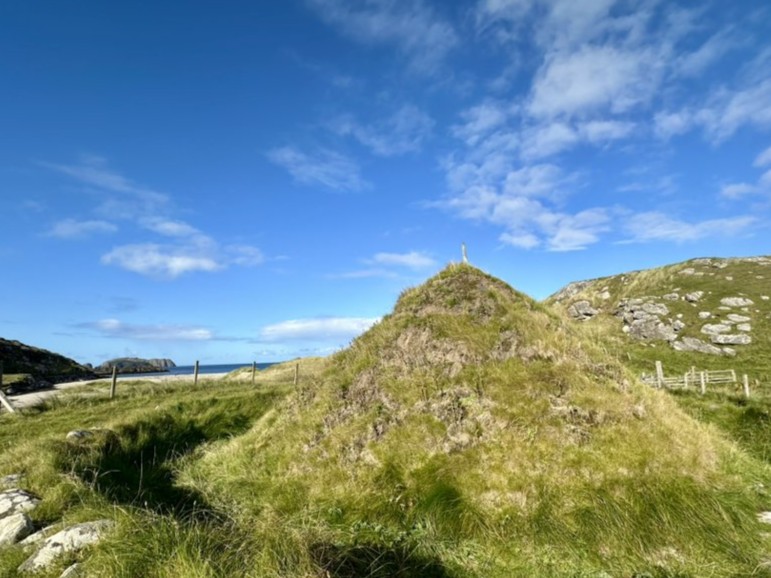
Bosta Beach and the Bosta Iron Age House
Bosta Beach and the Iron Age Fort are a bit farther from Stornoway, about a 45-minute drive west, but it’s a scenic journey that’s well worth the trek. A storm in 1992 exposed the walls of an ancient village here that had been hidden under the dunes for centuries. While the settlement’s homes could not be preserved, a life-size reconstruction of one of them was created based on the original structures. It’s only open during the main tourist season, May through mid-September, but it’s worth visiting to see the exterior and spend time on the beautiful beach. Made up of soft white sands and lapped by brilliant turquoise water, it has links not only to the Iron Age but also to the Vikings and the Highland Clearances.
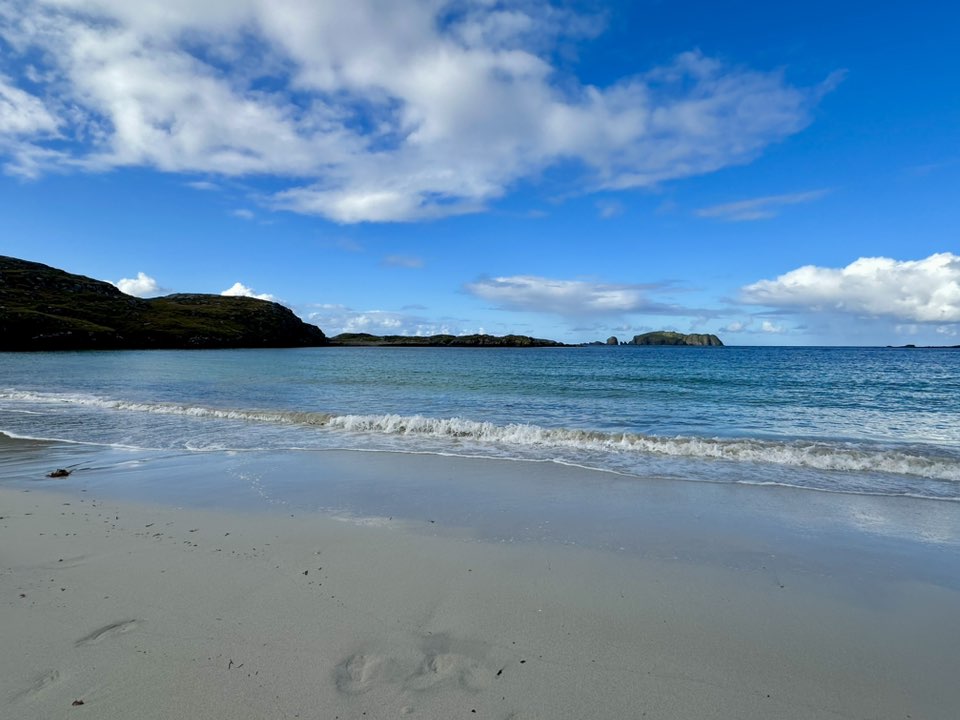
When to Go
Stornoway isn’t overrun with tourists even during the peak of the travel season in Scotland (July and August). Unlike Instafamous destinations like the Isle of Skye, you’re unlikely to encounter big crowds throughout the Outer Hebrides. That makes May through September the best time to go in terms of weather, attractions, and activities. You’ll have the best chance to spot whales and dolphins during this period, while boat trips and other tours will all be running too, shutting down in late September. Some attractions, restaurants, and accommodations are closed for the year by the time October rolls around.
While the weather can be unpredictable, May through September is when it’s at its most mild, with the average high temperature in the low 60s in July, although rain can occur at anytime. From June through August, you can watch hundreds of seals along the shores and enjoy colorful wildflowers in the dunes.
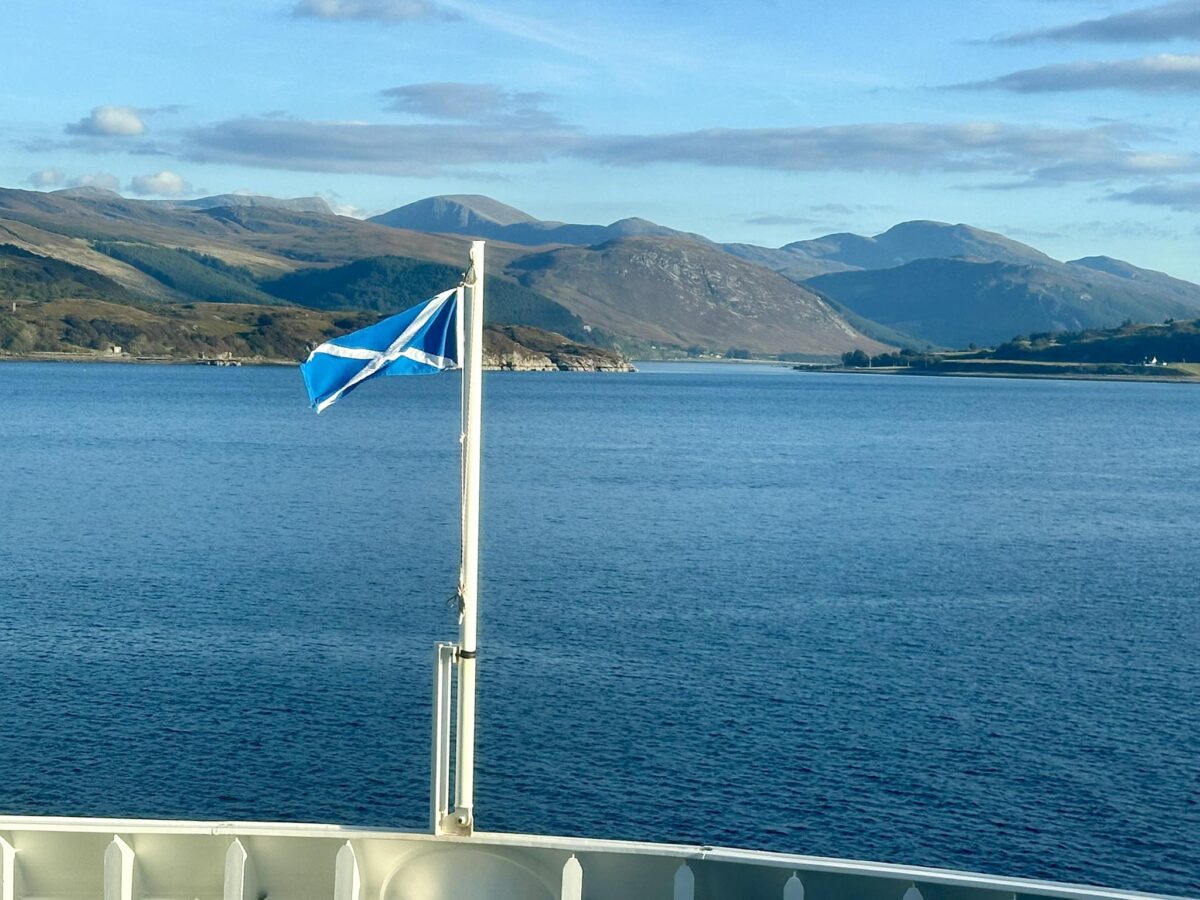
How to Get There
The Caledonian MacBrayne ferry to Stornoway departs from Ullapool, about an hour and 15 minutes from Inverness. One of the busiest routes in the country, the trip takes approximately two hours and 45 minutes, running seven days a week with two to three crossings during the summer. If you’re taking a rental car (the best way to explore beyond Stornoway), be sure to book as far in advance as possible, especially for a summer trip.
Keep in mind that adverse weather can lead to ferry delays and cancellations, so you’ll want to have a flexible approach that includes alternative plans and staying informed about service status. While cancellations are more likely outside of the general tourist season, they can happen at any time of the year. It’s best not to schedule any non-refundable activities immediately following a ferry journey—include buffer days to allow for potential delays.