
There’s just something about a classic American beach town—and the broader traveling public may just be now catching on to that fact.
Sure, if you live near one of these destinations, you might scratch your head and ask when they ever lost their appeal. As a long-time travel journalist, though, I’ve often been surrounded by travelers who ignore the small-town gems along the United States’ coastlines, preferring the far-flung beaches in Southeast Asia or the low-key sands of a secret spot they discovered in Central America.
Those beaches are obviously great—don’t get me wrong—but I’m a firm believer that some of the best beach experiences can be had closer to home, in some of the same locales that our grandparents, or even great grandparents, visited every year, without fail.
Let’s take a look at why travelers are falling back in love with classic American beach towns; why you should, too; and where to go when you’re ready to experience these unique destinations for yourself.
The Nostalgia Factor
First and foremost, there’s a certain nostalgia that comes with a classic American beach town, especially if it’s one that, as already alluded to, your family has long visited.
Returning to the same beaches you frequented as a child results in a memory-driven trip that’ll have you feeling some sort of way, often when you least expect it. Sitting in the sunshine, on your towel, with sunscreen slathered over your legs, fingers covered in condensation from the ice-cold soda you just retrieved from the cooler (that you had to lug from the only parking space you could find, three blocks down) … well, it just hits different when it’s on the beach where you spent your childhood summers, versus on a brand-new-to-you shore.
Even if you yourself didn’t visit these destinations as a child, you’ll still get the warm and fuzzies by visiting the favorited beaches of your parents and grandparents, especially if you’ve planned a multi-generational trip. Take a walk around and let them point out where they realized maybe they were in love, over a serving of boardwalk French fries. Ask them about how the landscape has changed. Go visit that diner that still exists and order their favorites.
You may walk away not only with a greater appreciation for the town itself, but also for your loved ones.
The Convenience
Okay, it’s worth saying that, in this day and age, we’re all looking for a little more convenience. Our daily lives are filled with so much admin and chores, and it’s difficult to ever escape the near-constant chirping of the notifications flooding your phone. As such, it’s hard to really want to fill your few, brief moments of free, uninterrupted peace with planning out every minute detail of an international beach trip.
If you opt to vacation in a classic American beach town, however, it does come with a certain level of convenience that can’t be overlooked. First, there’s the added ease that just comes with traveling domestically versus abroad. Then, there’s the fact that while, yes, most classic beach towns offer plenty of ways to fill your days (even beyond sitting on the beach), you’re not going to be too overwhelmed with options.
For example, Miami? Not a classic American beach town. It is a beach destination, but this is a city. While you’re sitting on the beach, you’re also possibly going to be thinking about all the museums, culture, shopping, etc., that you’re missing out on. Compare that to a smaller Florida option, like Anna Maria Island, and the decision fatigue is lessened substantially.
All in all, staying domestic and opting for one of these small towns means more convenience, less stress, and a more enjoyable vacation if what you’re really looking for is to simply and utterly relax.
The Charm
And last, but definitely not least, there’s the undeniable charm that comes with these classic beach towns. They really do have it down pat. You’ve got walkability, beautiful boardwalks, historic structures, locally owned restaurants and shops—and the thing is, while some locals may bemoan travelers coming into these smaller towns, many more realize that travelers are often the lifeblood of these communities, and so they’re friendly and welcoming.
Alongside the local restaurants and shops, you’re also probably going to find a lot of locally owned accommodation options, too. Sure, there may be the standard hotel here or there, but you’ll also probably find a lot of retro, old-school beach motels, too (as well as a sprinkling of home rentals).
The more you visit and the more you soak up this local charm, the more you’ll ingrain yourself within the community and find that you develop your absolute favorite spots to visit and businesses to patron, as well as local friendships. In fact, a lot of beachgoers find the allure and attachment so strong that they end up moving to (or at least purchasing a second home) in these towns.
What Defines a Classic Beach Town?
So what really defines a classic beach town and makes it stand apart from other beachy destinations?
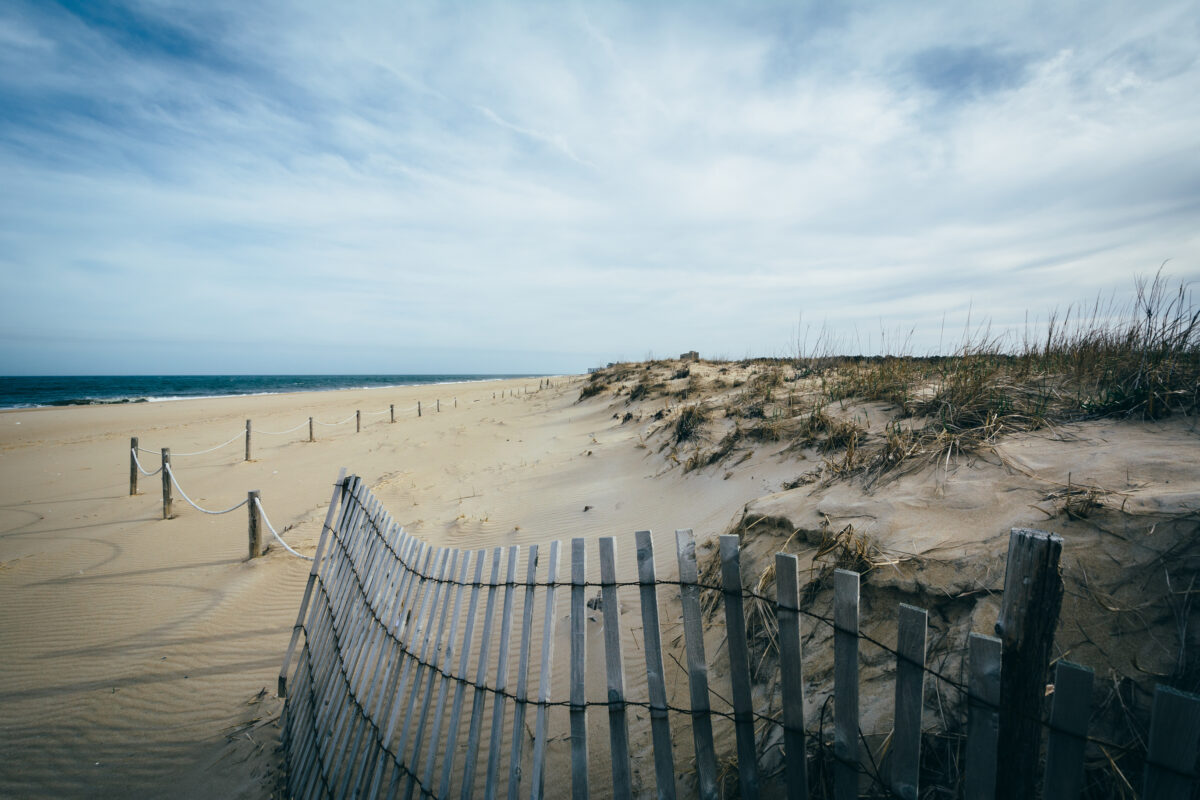
Well, firstly, there’s the clear distinction that these are towns—not cities. Once you start creeping into a larger population, you really do start to lose some of the charm, convenience, and overall appeal.
Otherwise, though, expect walkable main streets, where you can easily shop or dine after a day at the beach, without driving from spot to spot.
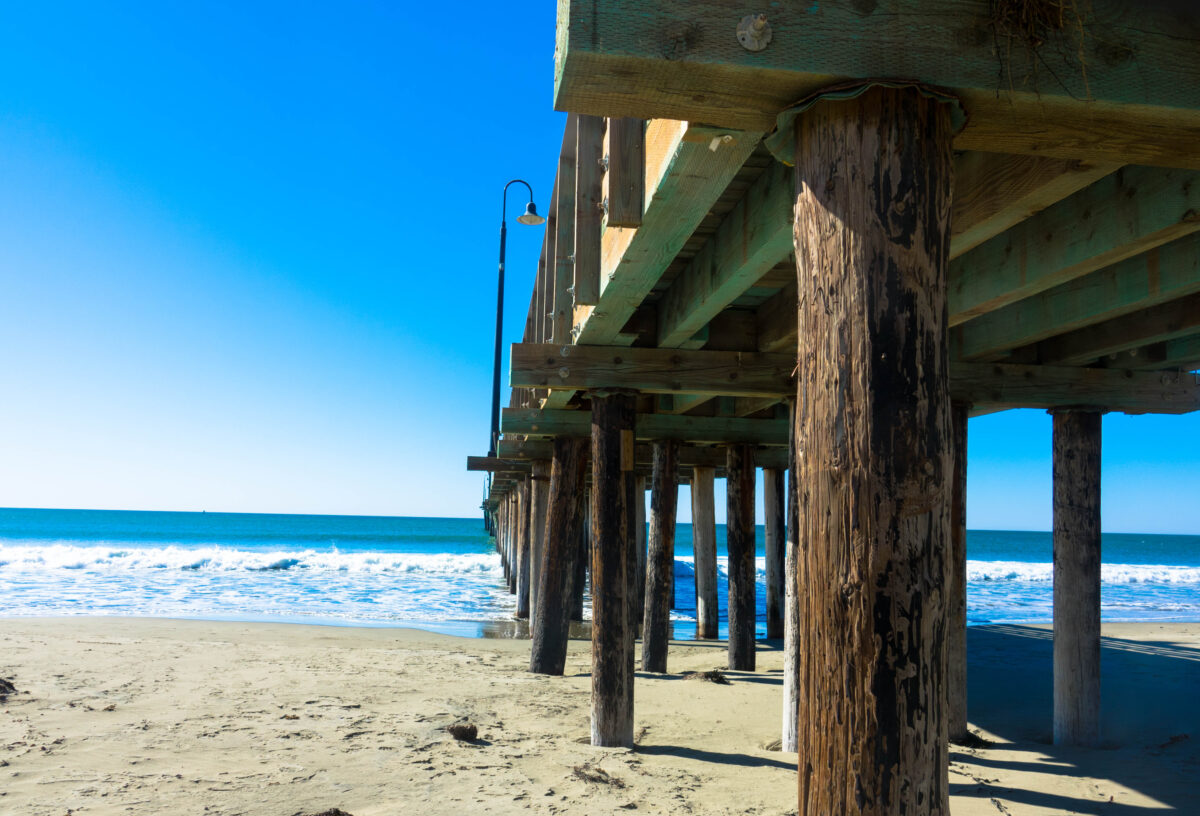
Then, there are the classic boardwalks, offering ocean views on one side and shops and restaurants on the other. You’ll typically find a fair number of arcades and maybe even a carnival ride or two. Additionally, some piers might jut out into the water, and those piers may be just for taking in the sights and fishing, or they could be filled with more fun and attractions, depending on where you are.
And as already mentioned, you’re going to find a lot of local, family-run businesses and accommodations that have more of a retro, old-school vibe. That’s not to say that what you’ll find will be in any way outdated or stuck in the past—but there’ll be plenty of nostalgia preserved.
The Best Classic American Beach Towns
If all of the above sounds like exactly how you want to spend your summer vacation, where should you go? Here are just a few of the American beach towns that have managed to maintain their classic appeal.
Cape May, New Jersey
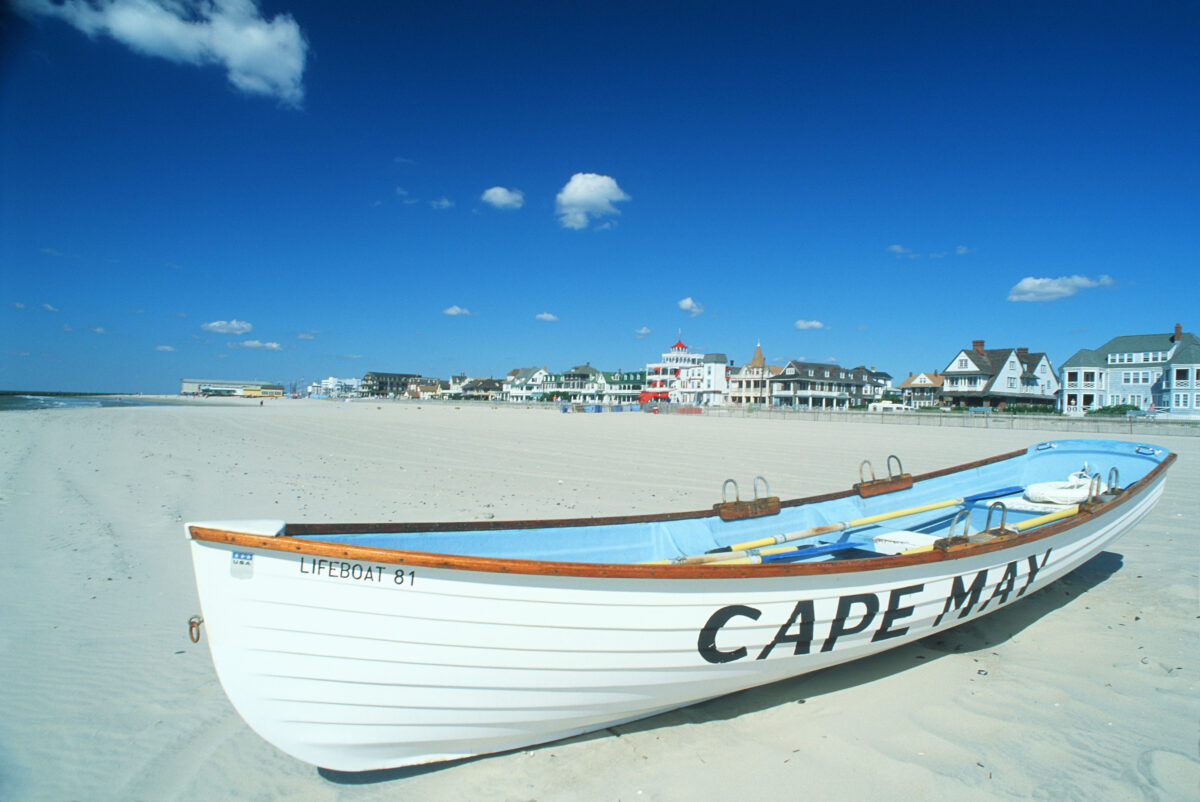
There’s so much to love about Cape May—so, so much. It claims the title of the country’s oldest seaside resort. As such, when you think about “classic” beach town vibes, you’re going to have to go back a bit further than just the mid-20th century. Victorian-style homes line this town’s streets and edge up to the sands, for a truly lovely aesthetic.
Rehoboth Beach, Delaware
Not too far away, Rehoboth Beach in Delaware is as classic as it gets. There’s the boardwalk lining the shore, with restaurants and shopping galore. You’ve got Funland, with its arcade games, rides, and even a haunted house. The beach itself is free (which is honestly a rarity in this part of the country), and the community is welcoming and vibrant.
Tybee Island, Georgia
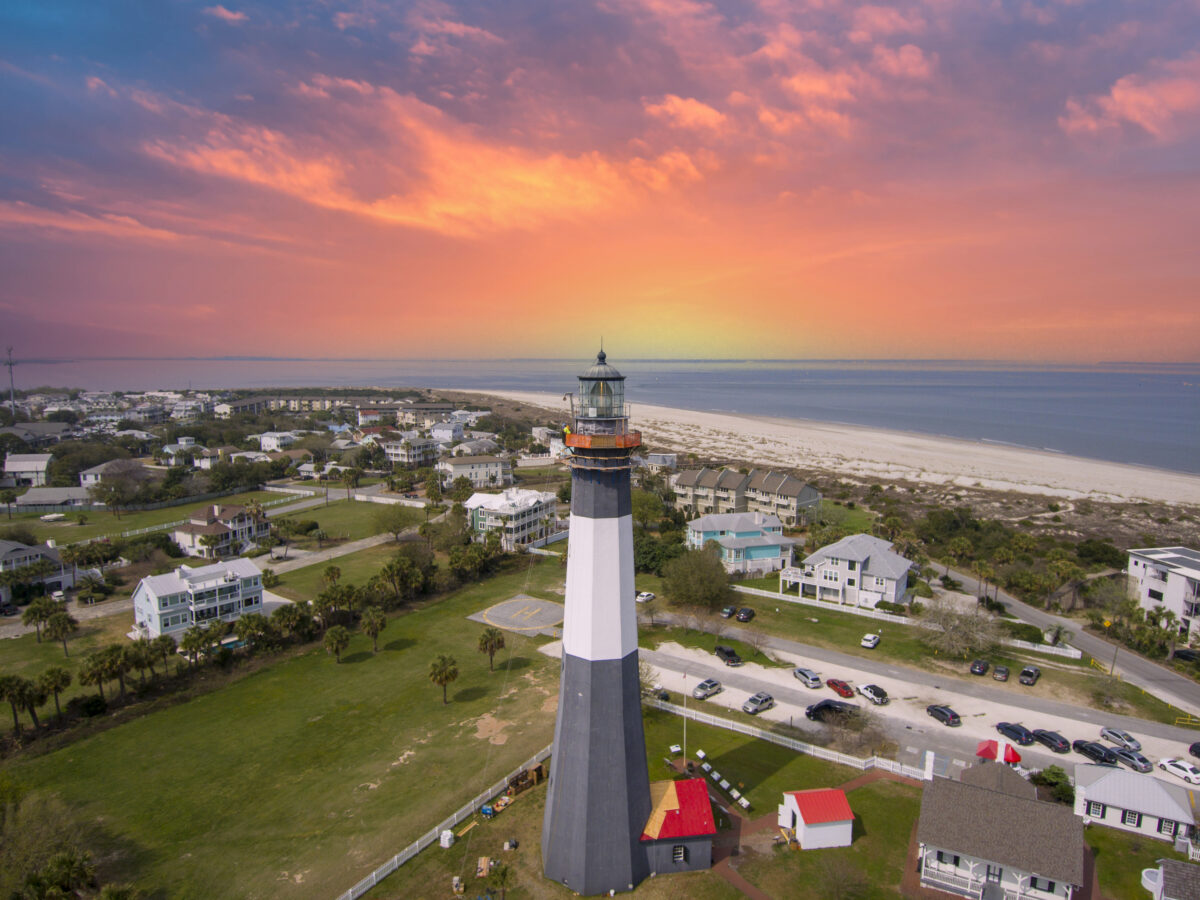
In the South, Tybee Island is laid-back and relaxed. It’s near enough to Savannah that you can easily get there, but it still feels removed from the city. You’ll find a pier and lighthouse, lots of beach bars and shops, and all the while, the town is literally just three square miles.
Gulf Shores, Alabama
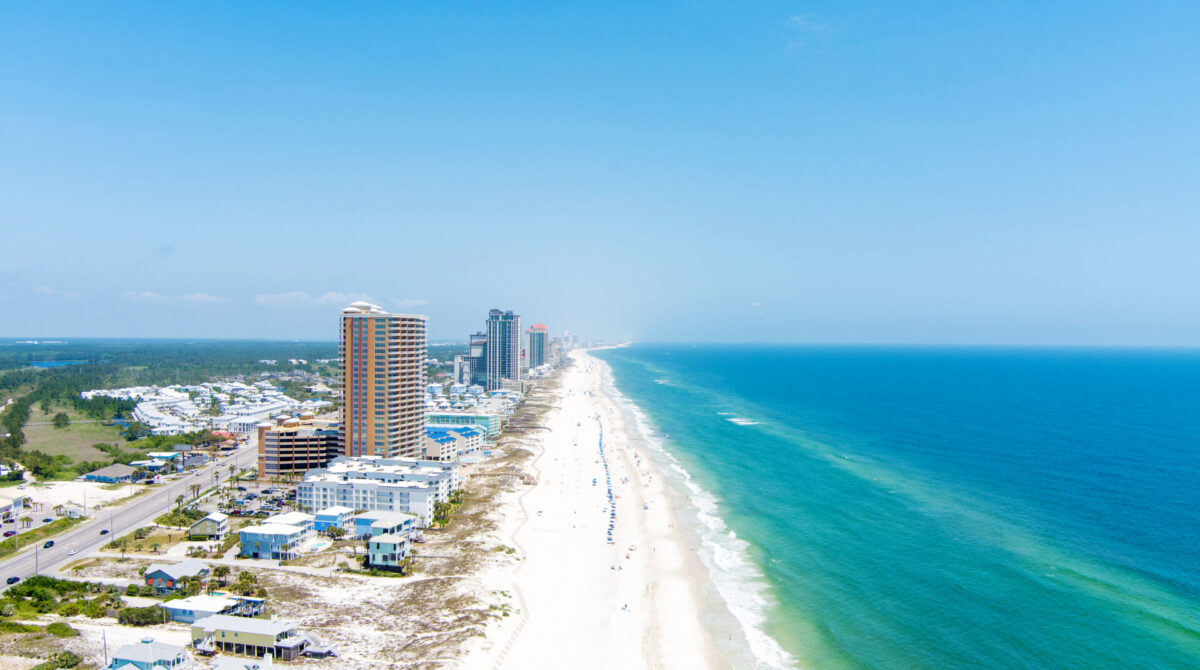
Another favorite, Gulf Shores is a little more built up and crowded than some of the other classic American beach towns that you could visit, but don’t let that stop you from exploring this destination as a potential option for your next vacay. It offers more than 30 miles of white sand, tons of local seafood, and ample opportunities for adventure when you’re not sunbathing.
Anna Maria Island, Florida
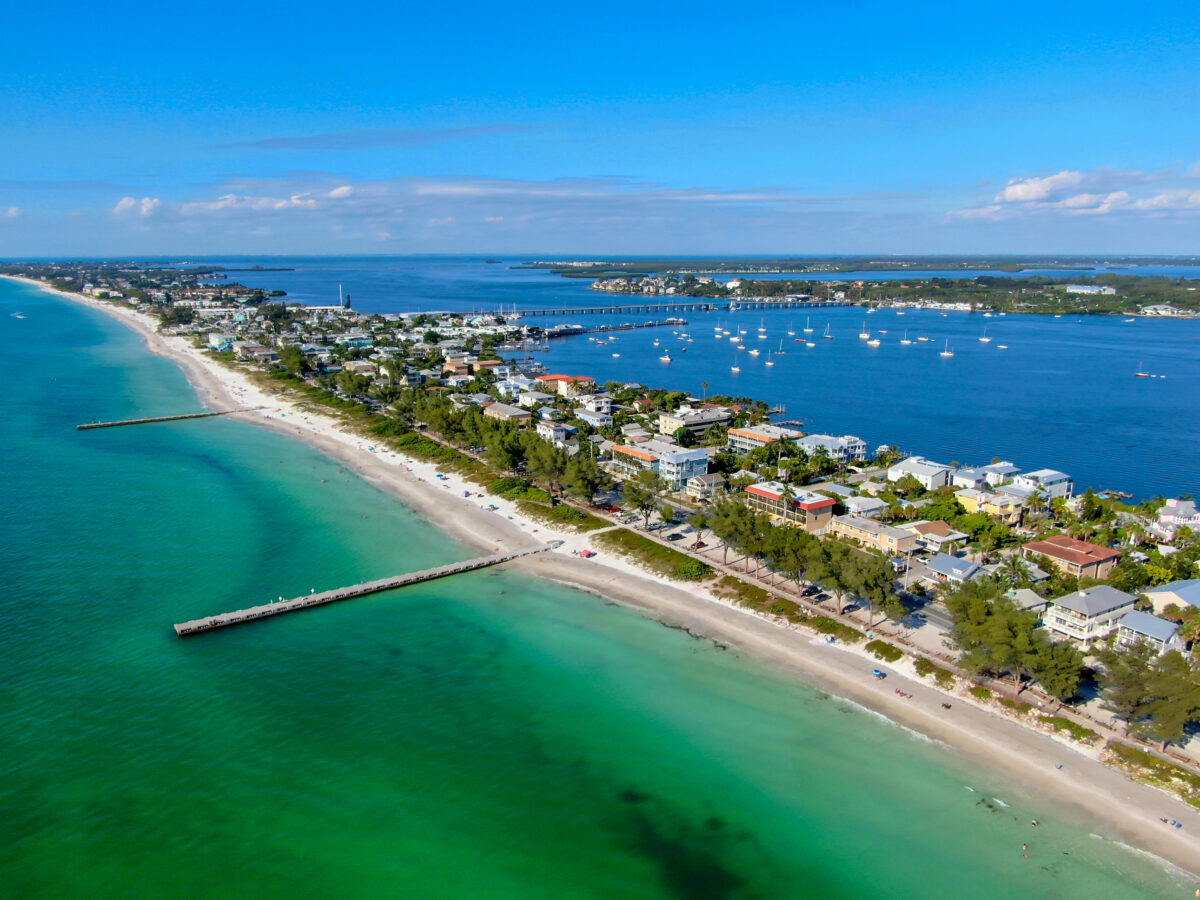
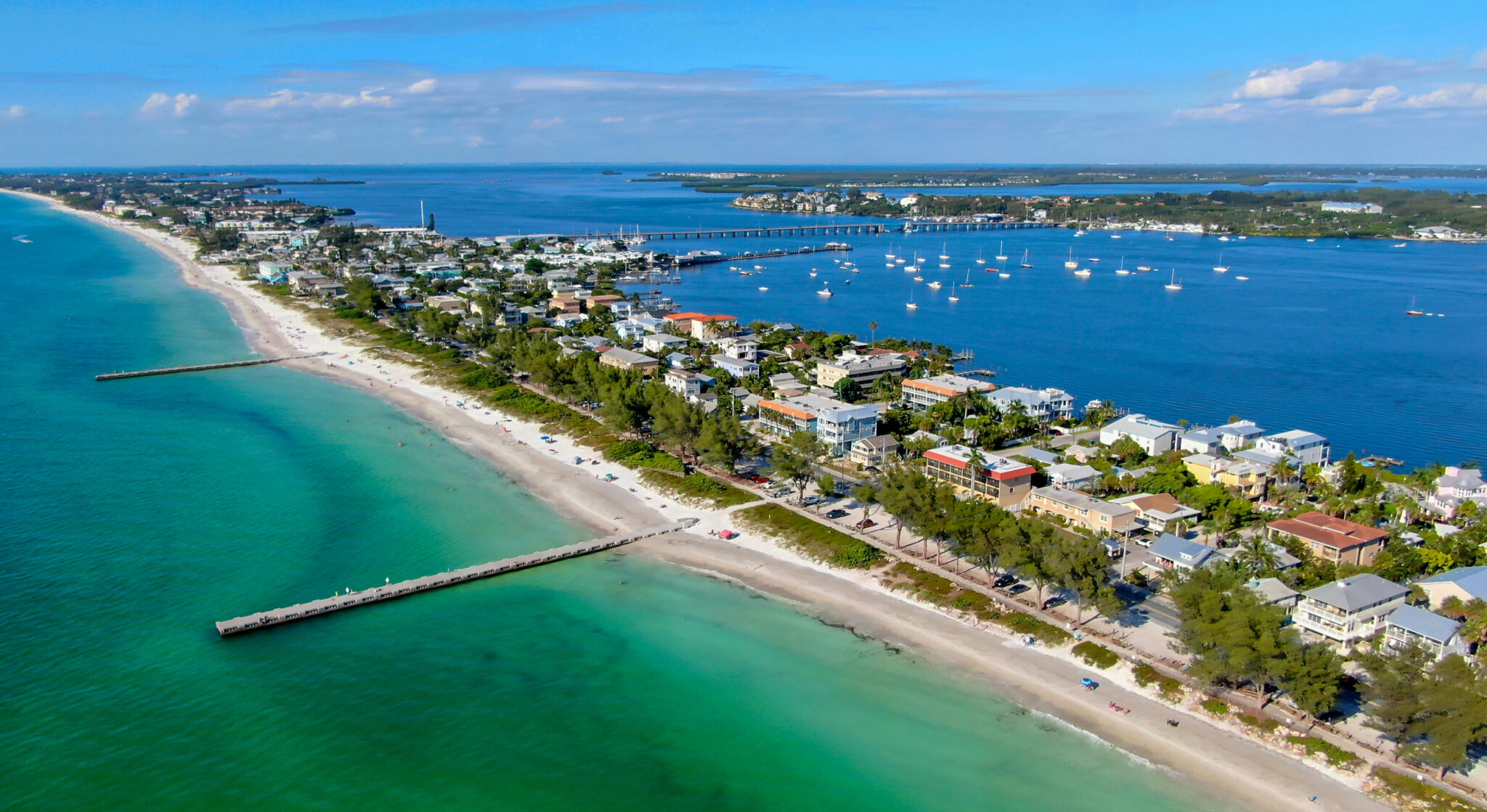
I already mentioned this destination as a potential option, but she’s worth another gander. Anna Maria Island, on the Gulf Coast, has implemented a strict no-high-rise policy that ensures the seven-mile barrier island retains its Old Florida charm. The island is easy to get around, with many people doing so via golf carts or the free (!) island trolley, and when you’re not beach-going, you can kayak, paddle, or cycle.
Cayucos, California
The West Coast hasn’t had as long a time to build up its historic, classic beach destinations, but you’ll still find plenty of classic beach towns along the California and Pacific Northwest coasts. For example, take Cayucos, where the slogan is literally “last of the California beach towns.” It’s laid back, it’s great for surfing, and the beach features a fishing pier. Keep an eye out for sea otters and don’t miss hunting for antiques along Main Street.