

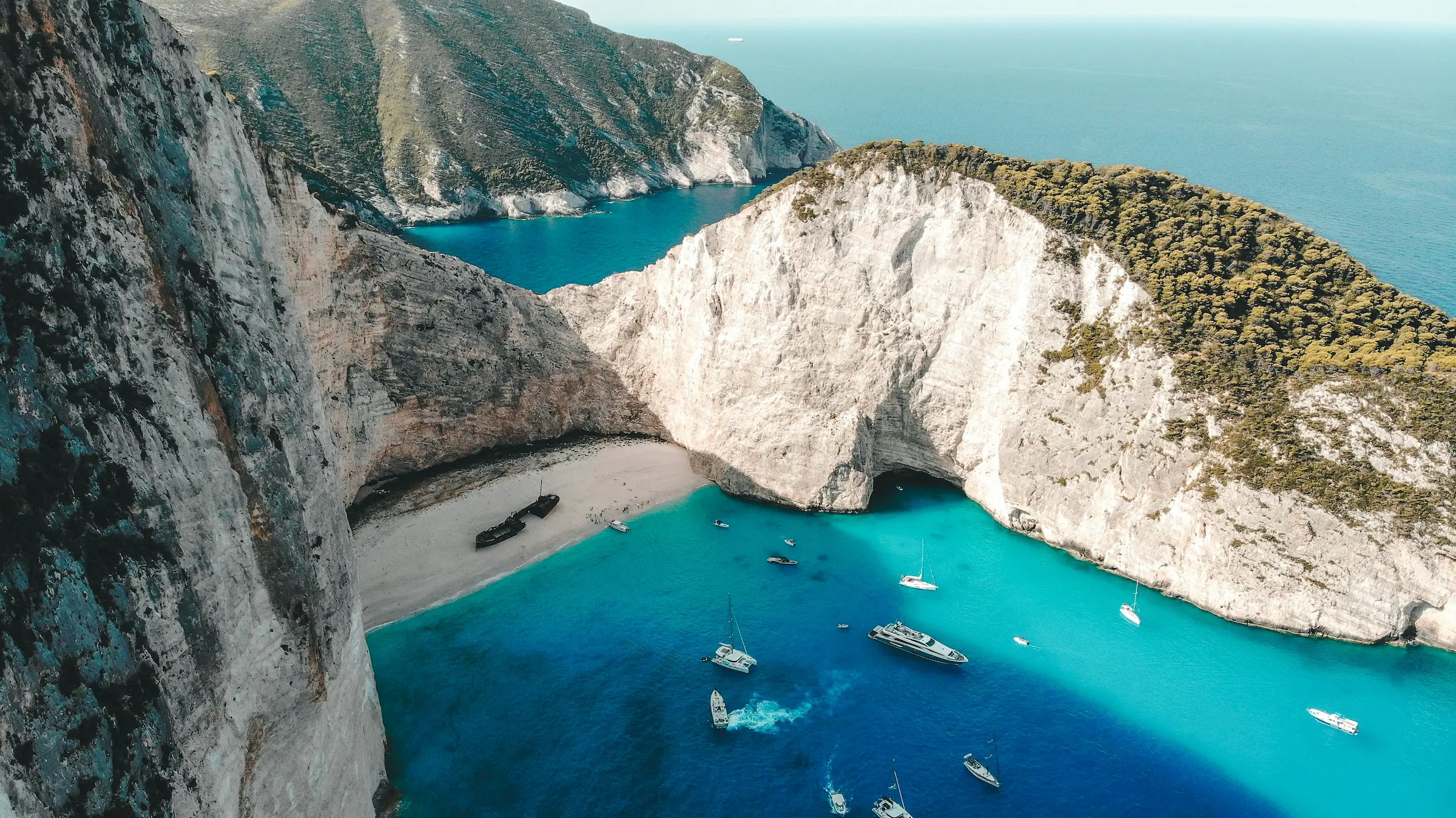
The Global Beach Index 2026
Presenting the best beaches around the world
There are roughly 390,000 miles of coastline on Earth and hundreds of thousands of beaches on it. How do you know which ones are truly worth the trip? Beach.com has the answers. Welcome to the definitive, expert-led, data-backed guide to the best beaches in the world.
Through a combination of expert nominations, half a decade of NASA data, a decade of EU Program data, and an in-depth analysis of nearly 100,000 reviews, we have surfaced the 25 best beaches in the world. Spanning 14 countries and four continents, these beaches earn their place through both expert and public reputation, backed by scientific analysis. No two beaches earn their place among the world’s best beaches in the same way. Some rose on their impeccable water quality, others on the sheer emotional intensity of visitor praise, but every beach is endorsed by firsthand travel expert experience, backed by data that goes beyond the postcard. We present the best beaches in the world!
Our criteria
-

Expert Input
Seasoned perspectives shaped which beaches rise above the rest. -

Water Quality
Crystal-clear, vividly blue waters set the standard, verified by experts. -

Popularity
High visitor engagement pointed to the most sought-after beaches. -

Public Opinion
Real everyday visitor experiences revealed how beaches truly deliver. -

Accessibility
Ease of access helped determine how reachable each beach really is. -

Climate
Ideal conditions and seasonal sweet spots revealed when each beach shines best.
The world’s best beaches map view
Explore the best beaches in the world, mapped. Discover what sets the most beautiful beaches in the world apart by tapping a destination to see what drives its ranking.
The world’s best beaches, ranked
Explore the world’s 25 best beaches as surfaced by Beach.com through expert nominations and rigorous scientific analysis. Spanning 14 countries across four continents, the world’s best beaches range from secluded Caribbean hideaways to long-loved European shores. All these beaches claim their ranks in unique ways, whether loved by multiple experts, excelling in satellite-based water-quality analysis, or standing out for public praise. Every beach is expert-approved and backed by data that goes well beyond the postcard.
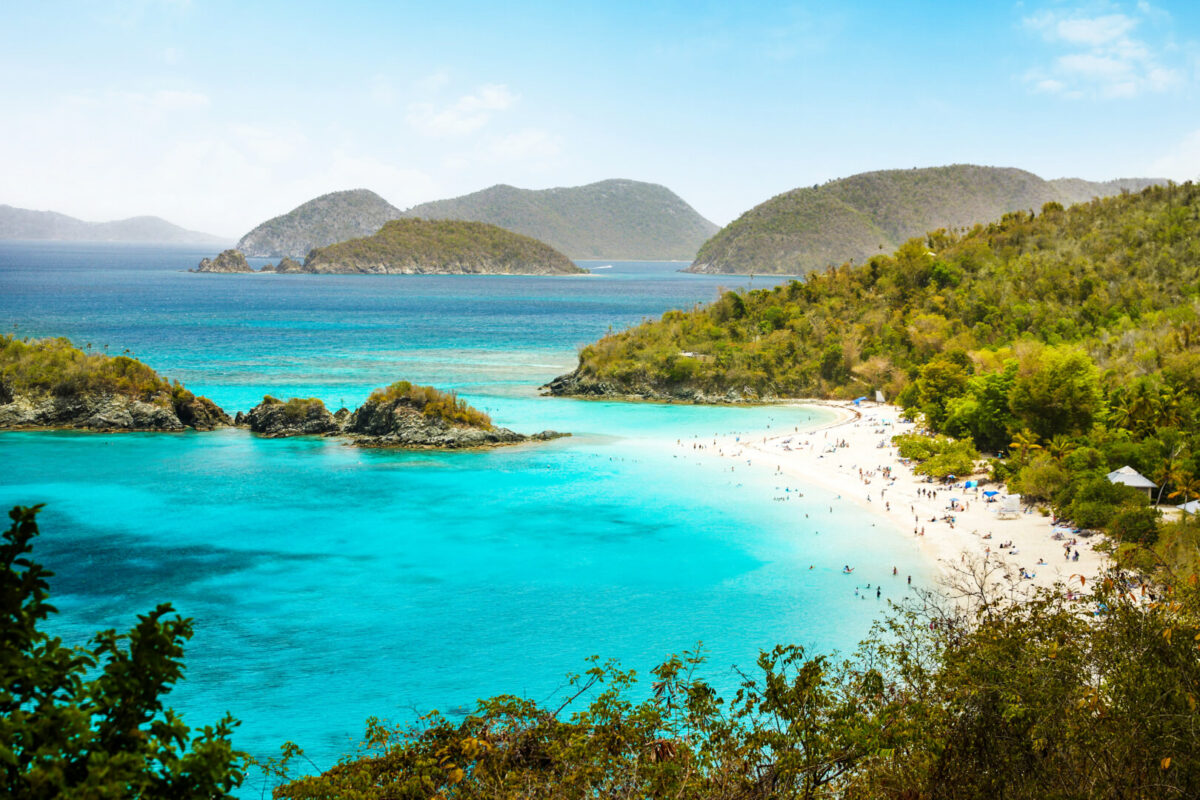 Photo courtesy of USVI Department of Tourism
Trunk Bay, St. John, USVI
Few beaches came close to Trunk Bay’s final score. It is truly the best beach in the world. In our analysis, it is among the most widely expert-recommended, holds one of the best average Google ratings and has some of the bluest waters in the world. Our experts give Trunk Bay top marks for beauty, water quality and an all-around perfect experience. While the best time to visit is between April and June, our study found the weather is optimal for beach conditions 10 months a year.
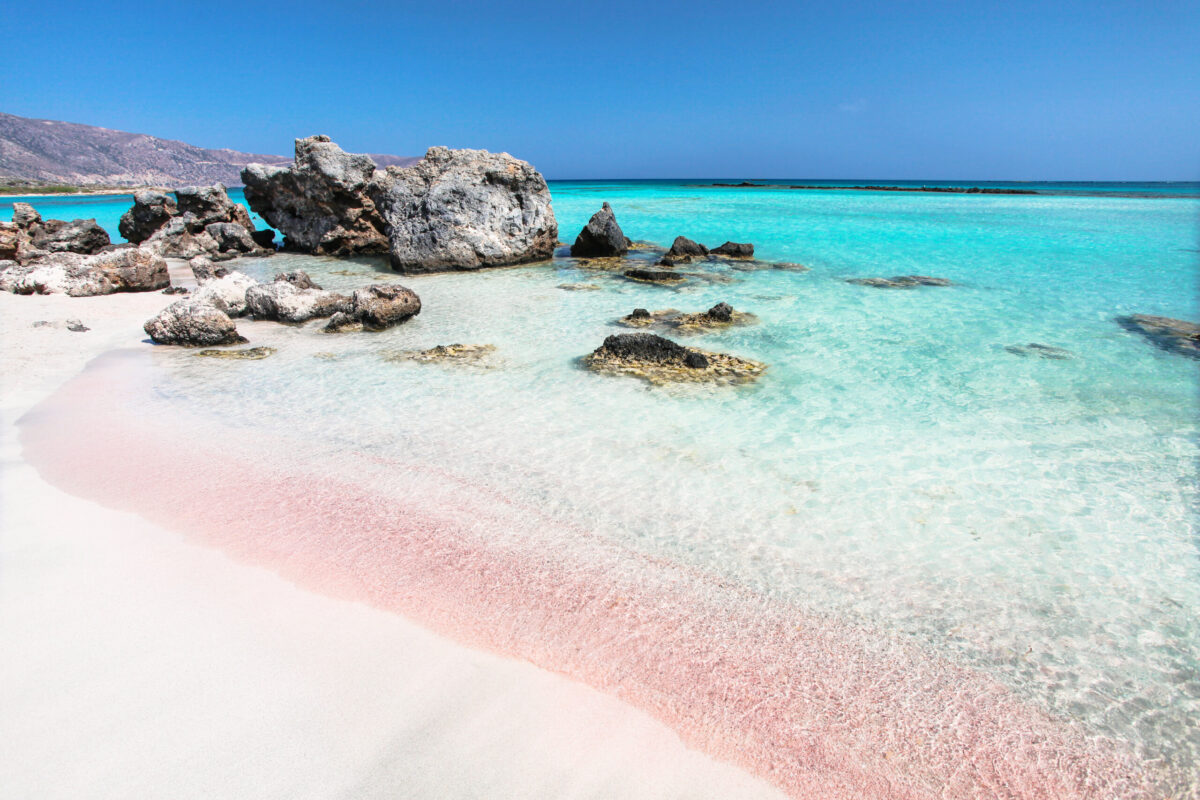 Photo by © Zazamaza | Dreamstime.com
Elafonissi Beach, Greece
Elafonissi Beach is not only one of the best beaches in Greece, but also the #2 most beautiful beach in the world! It earns its spot with its ideal combination of crystal-clear, blue waters, among the best in the study. With over 32,000 Google reviews, it is one of the most-reviewed beaches, and its high Google rating is a testament to its sustained, broad appeal. Elafonissi is also recommended by multiple experts, proving it stacks up under public and specialist scrutiny. The best time to experience this Greek beach is between May and June, according to our weather analysis.
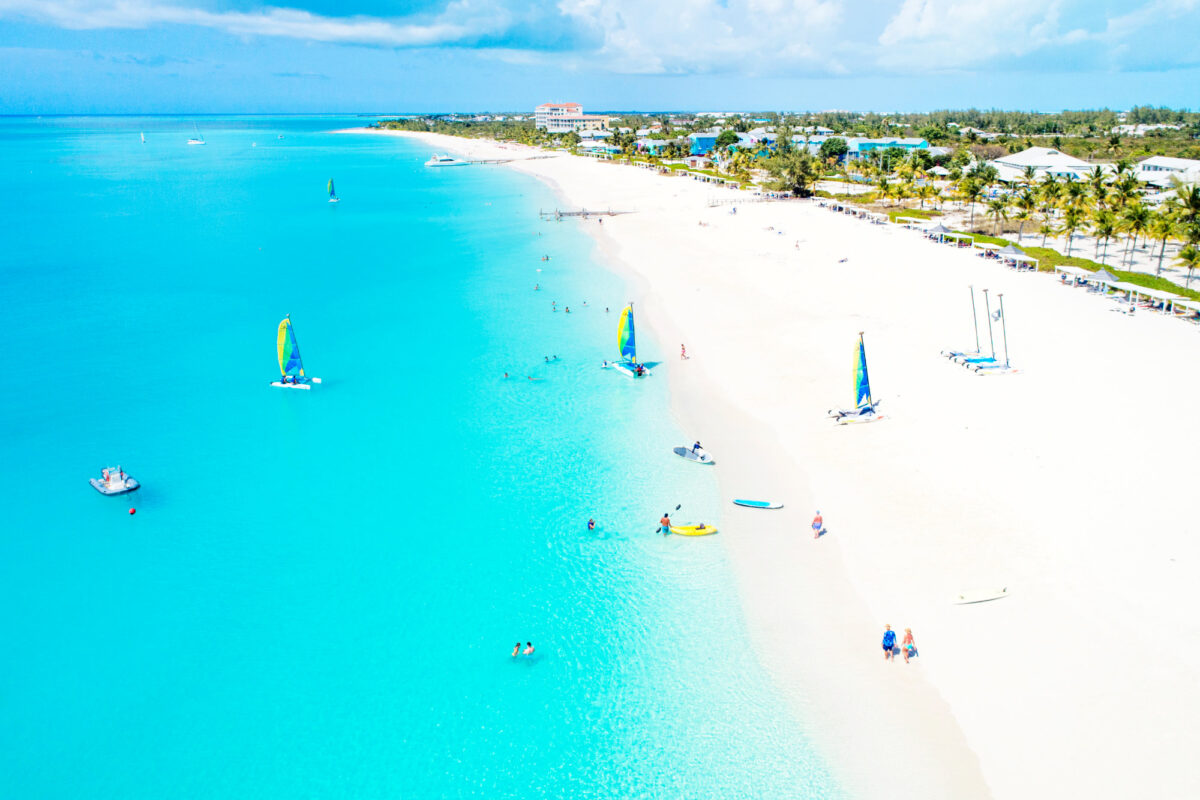 Photo courtesy of Visit Turks & Caicos Islands
Grace Bay Beach, Turks and Caicos
Grace Bay is one of the most widely expert-recommended beaches in our study. It also ranks #1 in overall public opinion, meaning visitors rave about every aspect of Grace Bay in Google reviews. It ranks #2 best in the study for public opinion surrounding environmental quality and beauty. Visitors also praise the easy beach access. The best time of year to visit this Turks and Caicos beach is between April and June, but Grace Bay has optimal beach weather 9 months of the year!
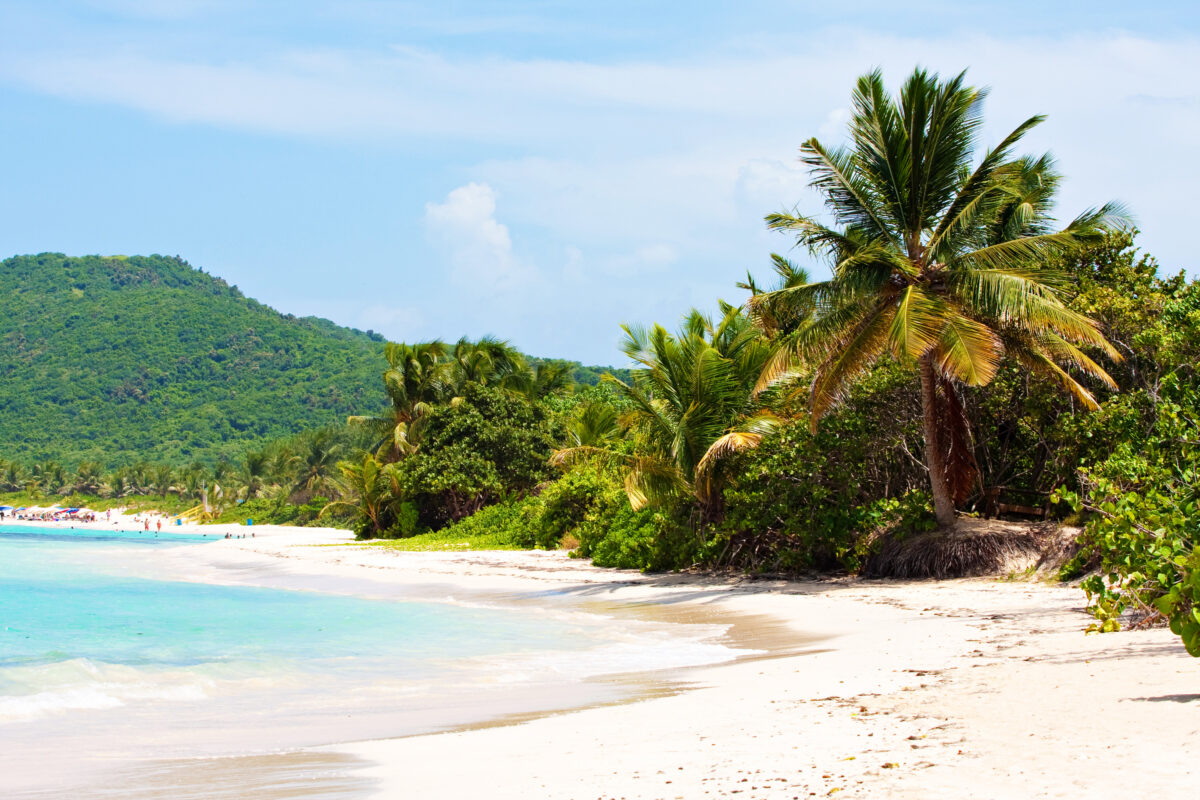 Photo by © Arenacreative | Dreamstime.com
Flamenco Beach, Puerto Rico, USA
Flamenco Beach is one of the best Puerto Rico beaches and the 4th-best worldwide. It earns its top spot by receiving very positive praise from travelers using strong language that sets it apart from most beaches in our analysis. Not only do the loudest voices extol Flamenco Beach, but it also receives broad approval from most visitors, making it one of the most loved and well-rounded beaches in the study. It’s also only one mile from Benjamin Rivera Noriega Airport, the 3rd-quickest access studywide. The best time to visit this Culebra Island standout is April through June.
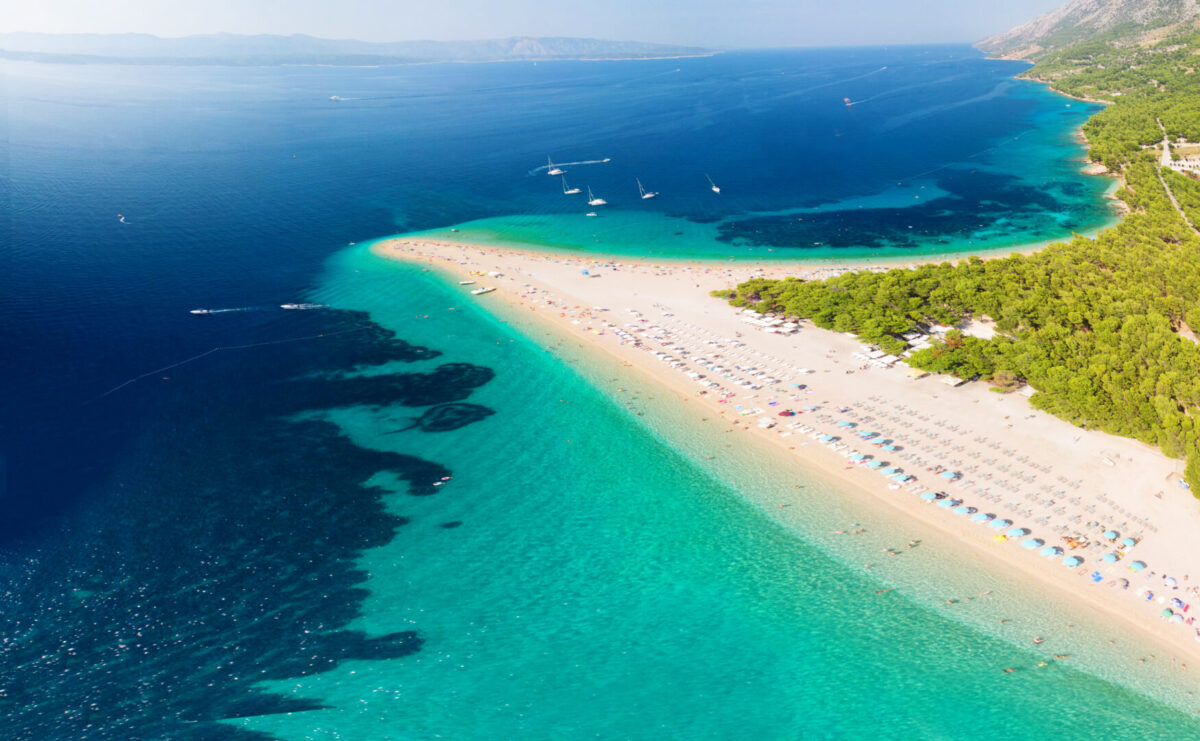 Photo by © Eva Bocek
| Dreamstime.com
Photo by © Eva Bocek
| Dreamstime.com
Golden Horn Beach, Croatia
A strong combination of broad visitor engagement, quick accessibility and high expert approval positions Golden Horn as the world’s 5th-best beach. Golden Horn tops all other Croatian beaches in our study, and no wonder. Despite having nearly 30,000 Google reviews, it maintains a high average Google Rating. It’s only three miles from Brač Airport. Our expert also awards it perfect scores for beauty, amenities, water quality and a balanced overall experience. Plan your beach vacation at Golden Horn between June and August for the best beach weather of the year.
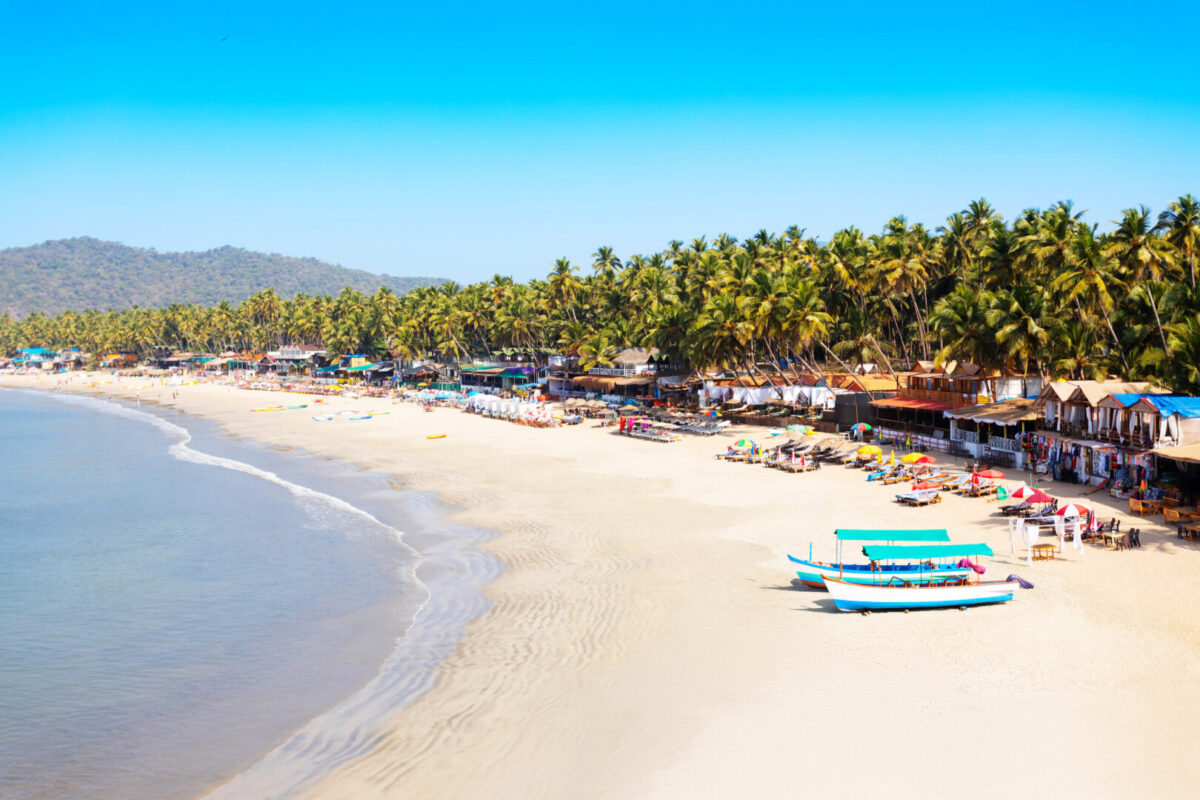 Photo by © Saiko3p | Dreamstime.com
Palolem Beach, India
Duel high traveler engagement and strong expert approval elevate Palolem Beach past one of the best beaches in India to the 6th best beach vacation in the world. It has nearly 30,000 visitor reviews and earns perfect marks from our expert for beauty, amenities, water quality and overall experience. Palolem Beach really shines for having optimal beach weather all 12 months of the year. However, for the optimal experience, plan your visit between March and May.
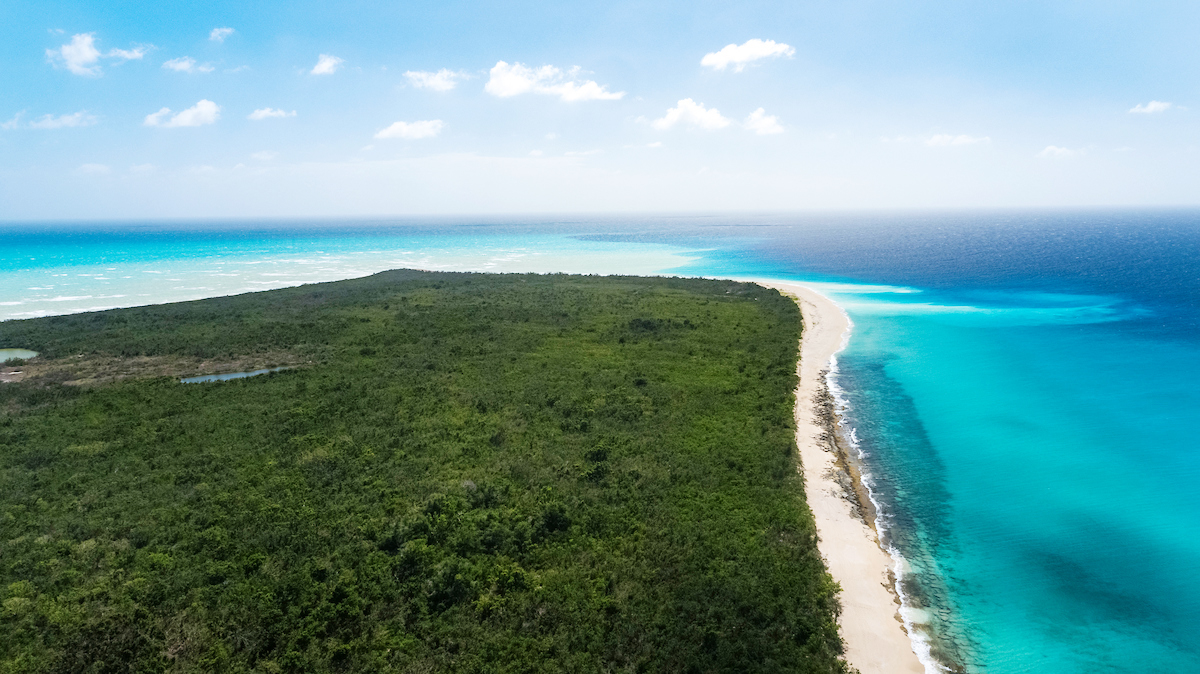 Photo courtesy of USVI Department of Tourism
Sandy Point National Wildlife Refuge, St. Croix, USVI
Sandy Point is the second U.S. Virgin Islands beach on our top ten list, making it one of the best beaches in the U.S. This beach stands out for its raw, untouched natural beauty. It is among the bluest and clearest-water beaches worldwide, earning extremely emotional praise from visitors. Our expert gives Sandy Point perfect scores for beauty and overall experience, plus validates our satellite-analyzed water quality with their firsthand experience. This beach is also at the top for year-round viability with 11 optimal beach condition months per year, but the best time to visit is between April and June.
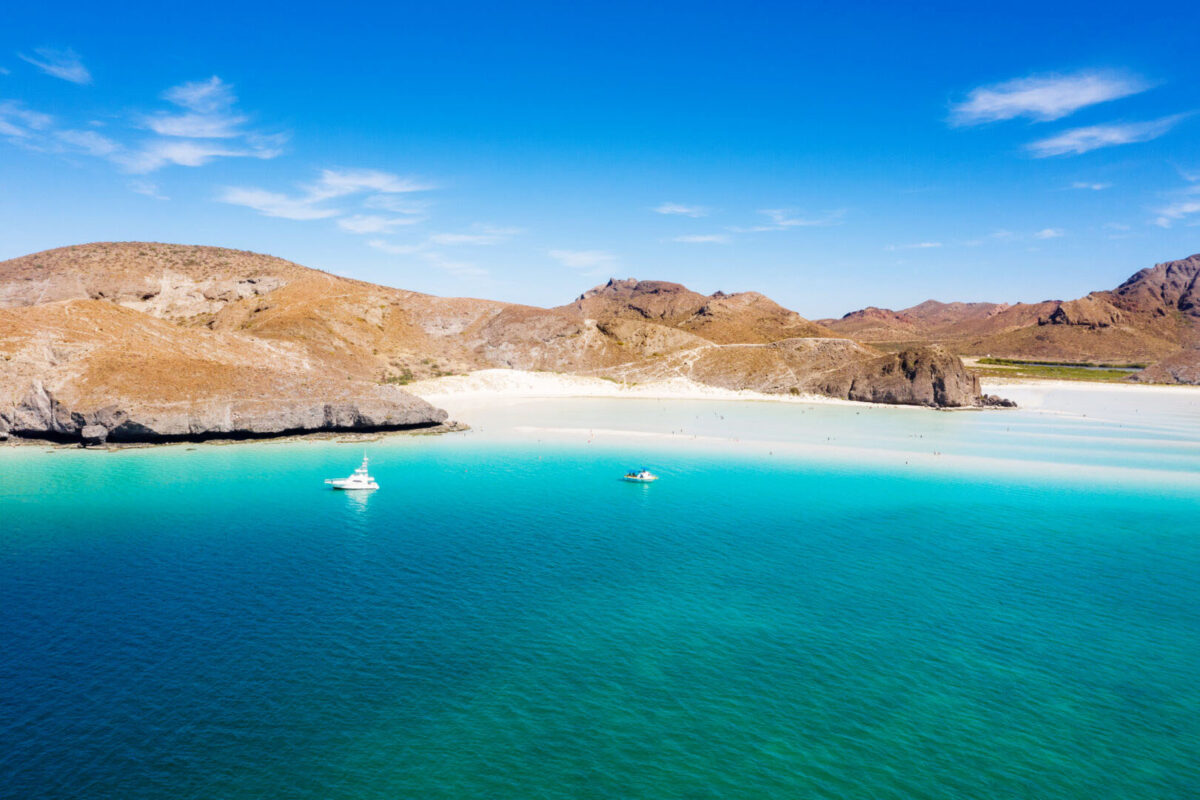 Photo by © Flydragonfly
| Dreamstime.com
Photo by © Flydragonfly
| Dreamstime.com
Playa Balandra, Mexico
Playa Balandra makes the top 10 list thanks to high expert ratings across many factors, making it one of the most well-rounded Mexico beaches and one of the best beach vacations in the world. Our expert gives Playa Balandra a perfect score for overall excellence, holding up across many measured categories. Additionally, this beach receives perfect marks for natural beauty and expert-approved water quality. With seven optimal beach weather months, you have a large window to plan your visit. For the best weather, aim to travel between May and June.
 Photo by © Elena Krivorotova
| Dreamstime.com
Photo by © Elena Krivorotova
| Dreamstime.com
Praia da Falésia, Portugal
Praia da Falésia is one of the best beaches in Portugal, one of the best beaches in Europe, and of course, one of the top ten beaches in the world. The sheer overall satisfaction of visitors makes it one of the most publicly loved. Specifically, travelers rave about its pristine environment, ranking 8th-best studywide for natural beauty. It’s regularly clear water, as validated by our satellite analysis, which backs this visitor sentiment. On top of all this, Praia da Falésia is among the few beaches recommended by several of our experts. Plan to visit between June and August for the best weather.
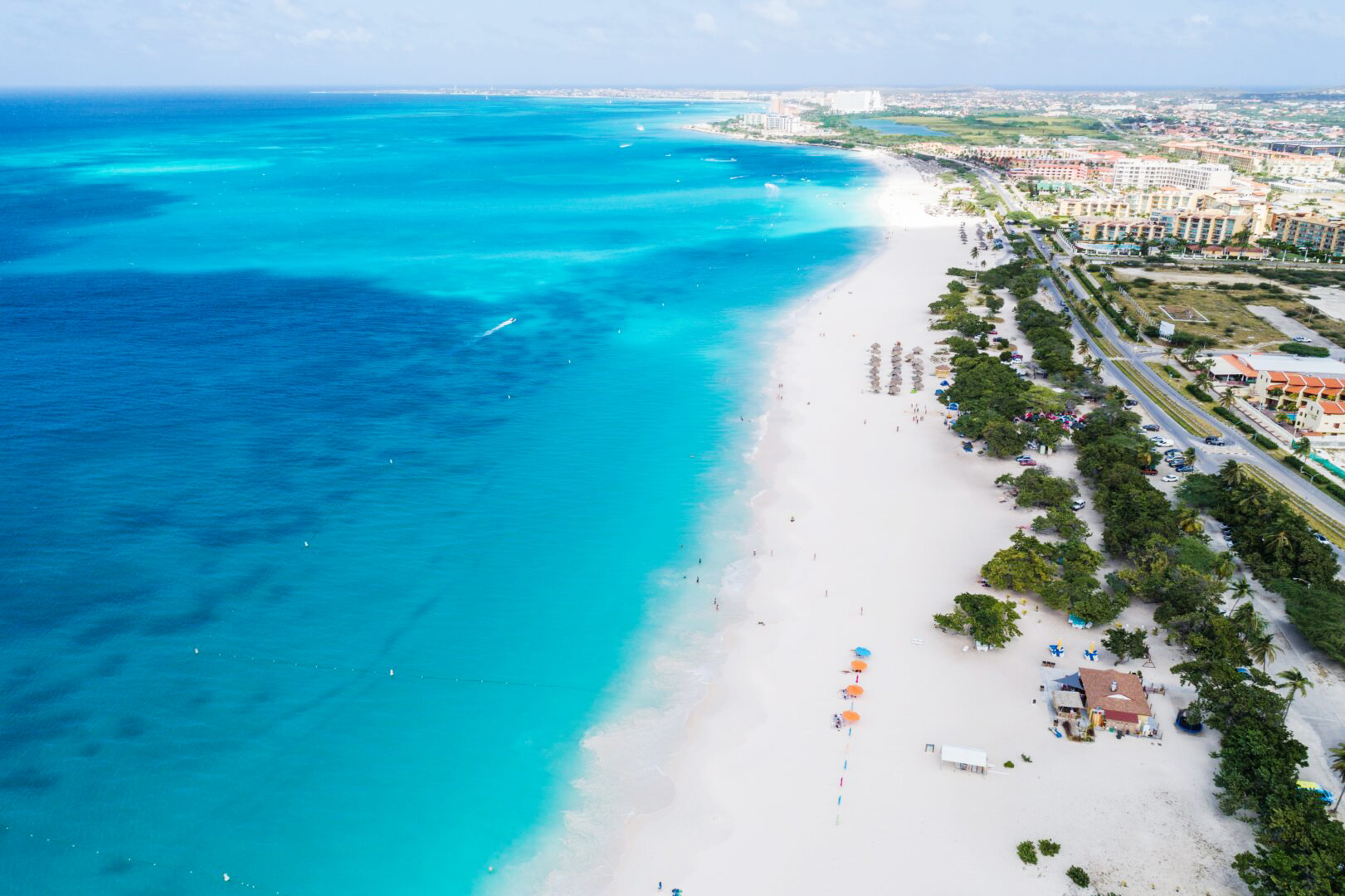 Photo courtesy of Aruba Tourism Authority
Eagle Beach, Aruba
Eagle Beach in Aruba offers fantastic, nearly unmatched year-round beach weather, making it one of the top beaches in the world and naturally one of the best beaches in Aruba. It also maintains a very high average Google rating, despite nearly 4,000 reviews, meaning Eagle Beach has withstood high traveler scrutiny and still receives broad praise. It’s only four miles from Queen Beatrix International Airport and ranks among the best in our study for accessibility. Even though Eagle Beach has optimal beach weather year-round, the best season to visit is between March and May.
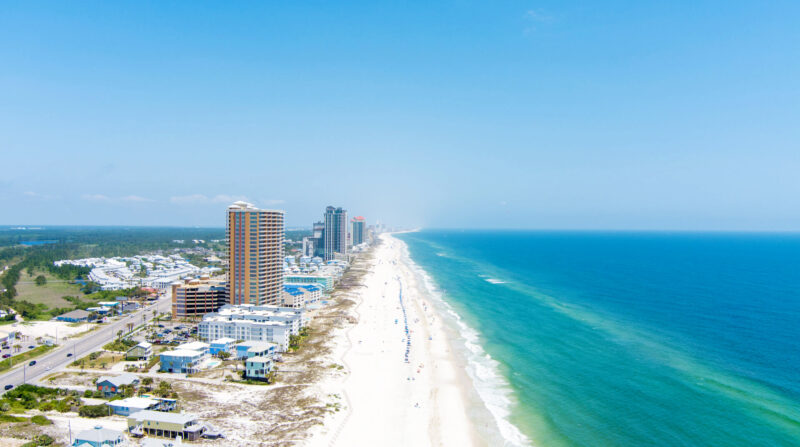 Photo by © George Dodd | Dreamstime.com
Gulf Shores Public Beach, Alabama, USA
One of the best beaches in the USA and worldwide, Gulf Shores, along Alabama’s coast, ranks for its well-praised beach facilities, strong accessibility scores and a pristine environment consistently lauded by visitors. May through July is the best time to visit.
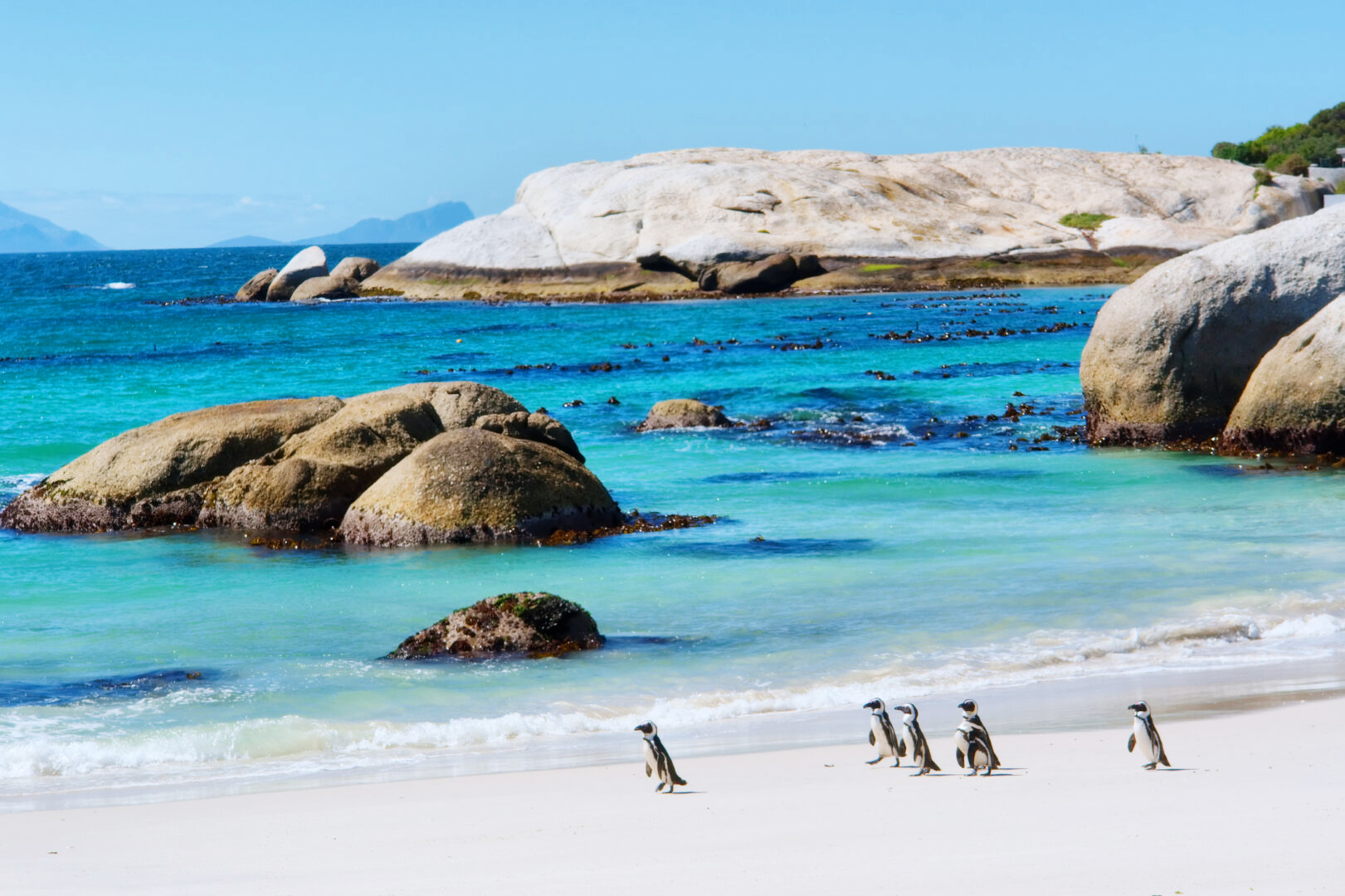 Photo by © Photosky
| Dreamstime.com
Photo by © Photosky
| Dreamstime.com
Boulders Beach, South Africa
Also among the most-reviewed beaches in our analysis, Boulders Beach is recommended by a couple of our experts. It stands out for its high-quality beach facilities and quick airport access. It also has an ideal beach weather window opposite many others — December through January.
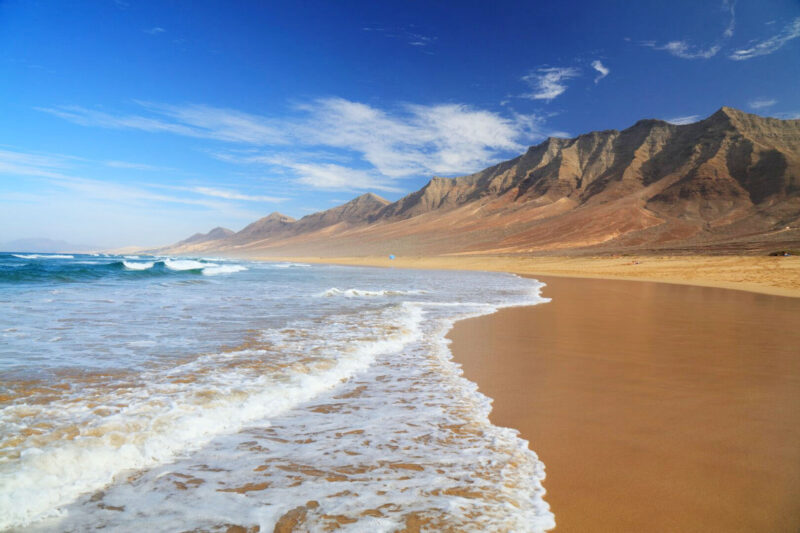 Photo by © Tupungato | Dreamstime.com
Playa de Cofete, Spain
Playa de Cofete, a beach in Spain, has some of the bluest and clearest water we analyzed using satellite data. Its beauty places it among the top beaches, earning the strongest, most emotional praise from visitors. May through July is the optimal weather window.
 Photo by © Dudlajzov | Dreamstime.com
Falasarna Beach, Greece
Falasarna beach is the second beach in Greece to make the top 25 best beach vacations globally. Its ranking is propelled through strong visitor praise for environmental quality and expert-validated water quality. Its facilities also earn top praise. Plan to visit between May and July for the best experience.
 Photo by © John Sirlin | Dreamstime.com
Huntington Beach, California, USA
Huntington Beach is only the second beach in the contiguous U.S. to earn a place in our ranks, making it one of the best beaches in the USA. Our expert gives this beach top marks for natural beauty, excellent amenities and the perfect overall balance. June through August is the best time to visit.
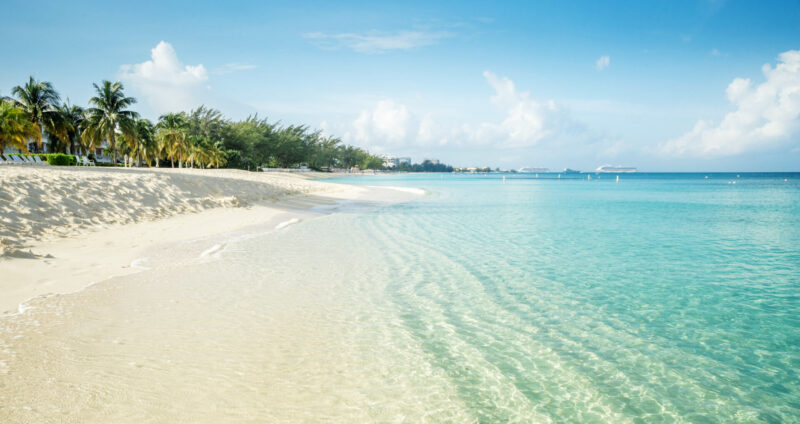 Photo by © Mikolaj64 | Dreamstime.com
Seven Mile Beach, Cayman Islands
Seven Mile Beach, one of the best beaches in the Caribbean, is among the few beaches to receive recommendations from multiple experts. Visitors laud the pristine environment, and it’s only a quick three-mile drive from Owen Roberts International Airport. Plan your visit between April and June for the best experience.
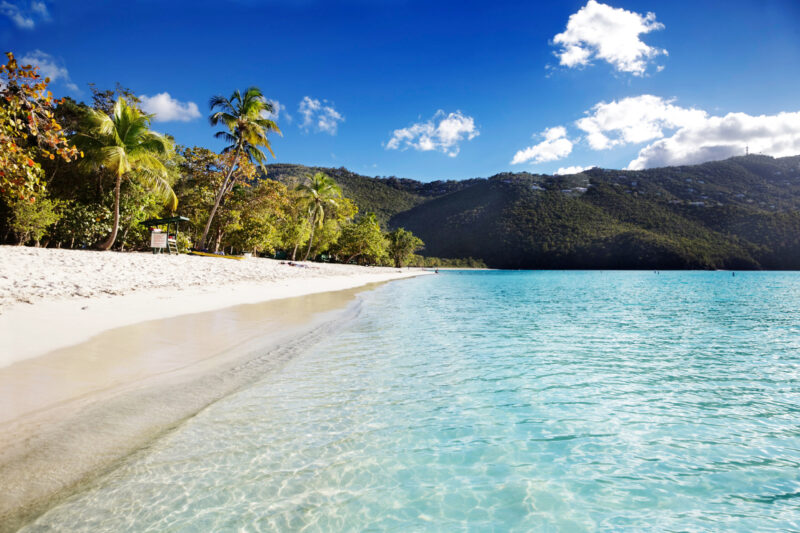 Photo by © Jo Ann Snover | Dreamstime.com
Magens Bay Beach, St. Thomas, USVI
Another of the best beaches in the U.S. is Magens Bay, ranking 17th globally for its expert-approved natural beauty, quality amenities and water quality ratings. The conditions are perfect for beach visits 10 months out of the year, but April through June are the optimal months.
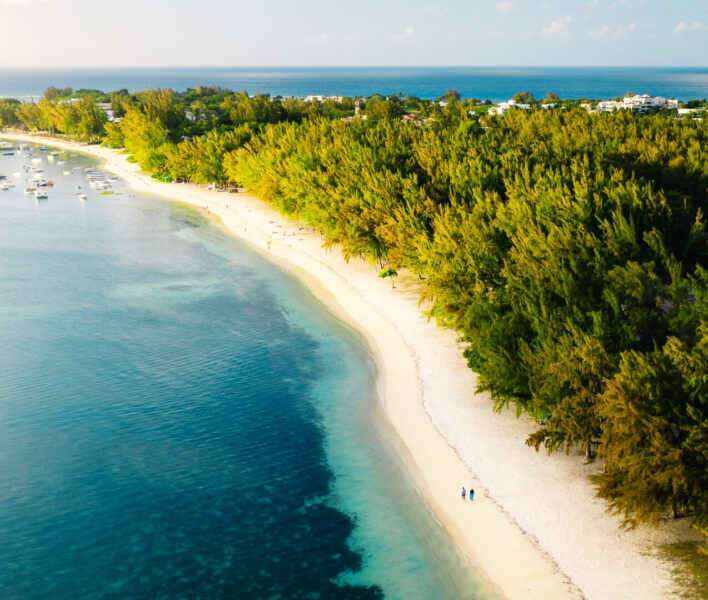 Photo courtesy of Mauritius Tourism Promotion Authority
Mont Choisy Public Beach, Mauritius
Mont Choisy is set apart for waters that are verifiably among the bluest and clearest in our satellite analysis. Pair that with the amenities our expert says are bar none, and you have one of the best beach destinations in the world. Its optimal beach weather window is October through December, offering excellent climate when many other global beaches are at their worst.
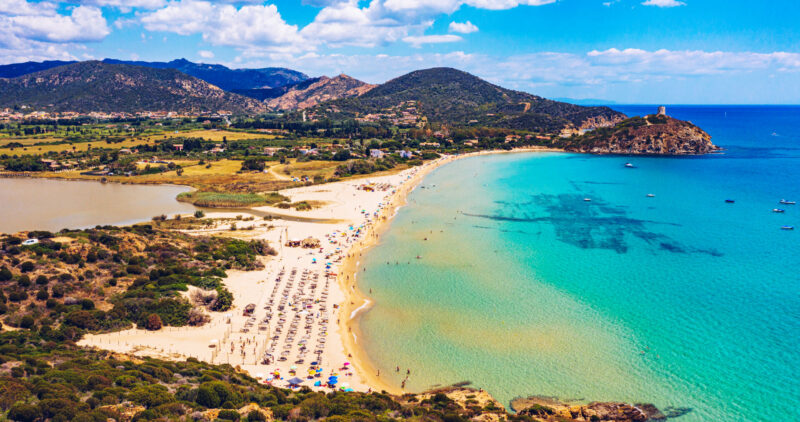 Photo by © Daliu80 | Dreamstime.com
Spiaggia Su Giudeu, Italy
One of the best beaches in Italy, Spiaggia Su Giudeu can also claim it’s among the best in the world. Travelers get happily emotional when describing their experiences at this beach, enough so to stand out in the analysis. Our expert gives it a perfect score for a well-rounded experience. Aim for a visit between June and August for the best weather.
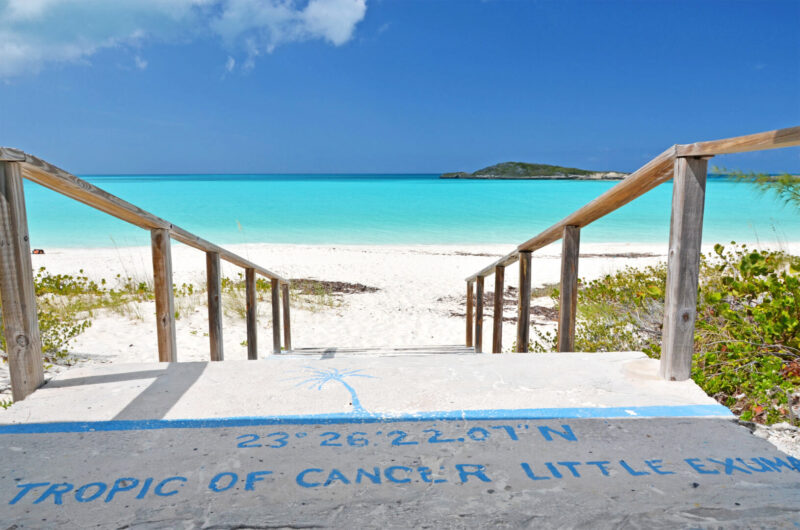 Photo by © Astra490 | Dreamstime.com
Tropic of Cancer Beach, Bahamas
A high Google rating, strong overall praise and ease of access from visitors propel one of the best beaches in the Caribbean, Tropic of Cancer Beach, to global standing. This beach has perfect weather for over half the year, but plan your visit in May, June or July for the best experience.
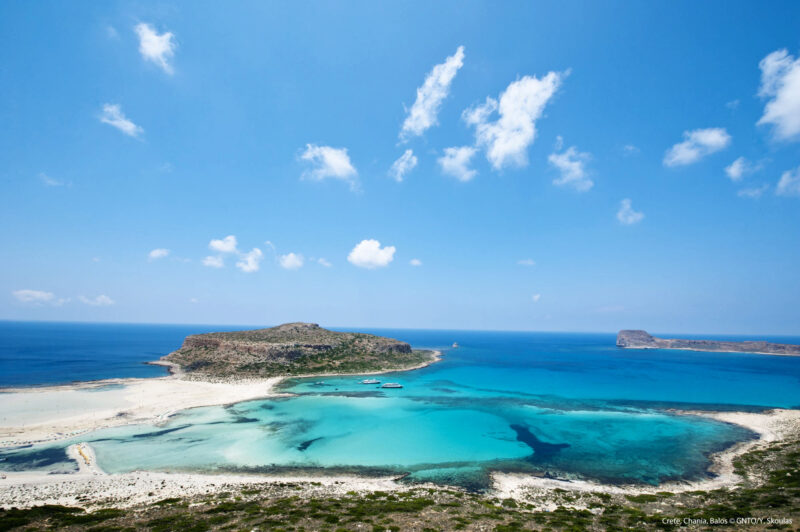 Photo courtesy of Visit Greece
Balos Beach, Greece
The factors that place Balos Beach in Greece among the best beaches in the world are driven by expert ratings. It stands out for its highly rated amenities, firsthand validated water quality and an overall experience that lends to the perfect beach balance. Hit these shores between May and July for the best weather.
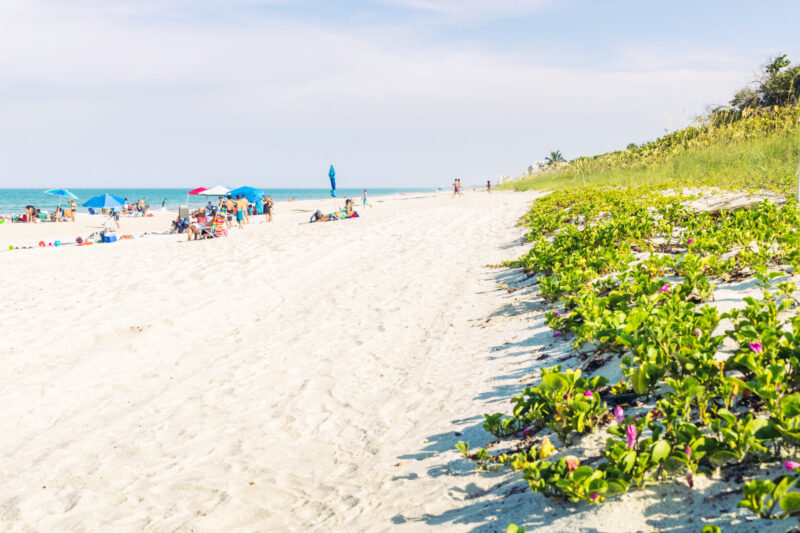 Photo by © Ryan Hoel | Dreamstime.com
South Beach Park, Vero Beach, Florida, USA
High-quality beach facilities, expert-verified water quality and speedy access to Vero Beach Regional Airport make South Beach Park in Vero Beach, Florida, one of the best U.S. beaches, and now, one of the best beaches to visit globally. May through July is the peak visitation window for South Beach Park.
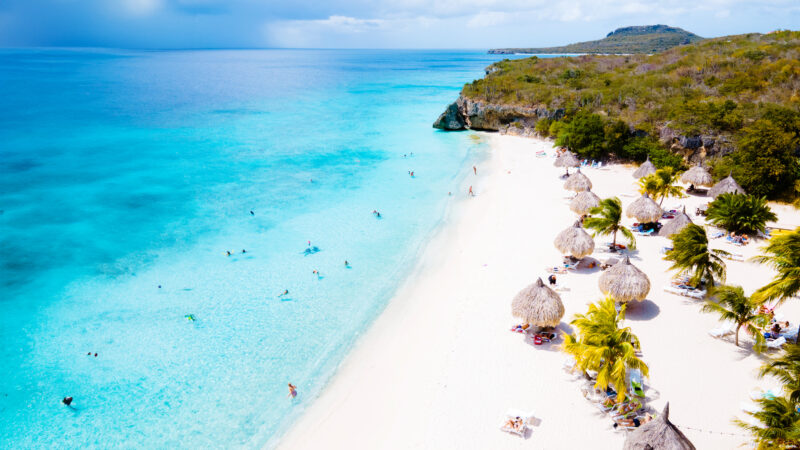 Photo by © F Baarssen | Dreamstime.com
Cas Abao Beach, Curaçao
Although March through May is the best time to visit, Cas Abao Beach offers year-round optimal beach conditions, among the best in our entire analysis. Its waters rank among the bluest and clearest in our satellite measurements.
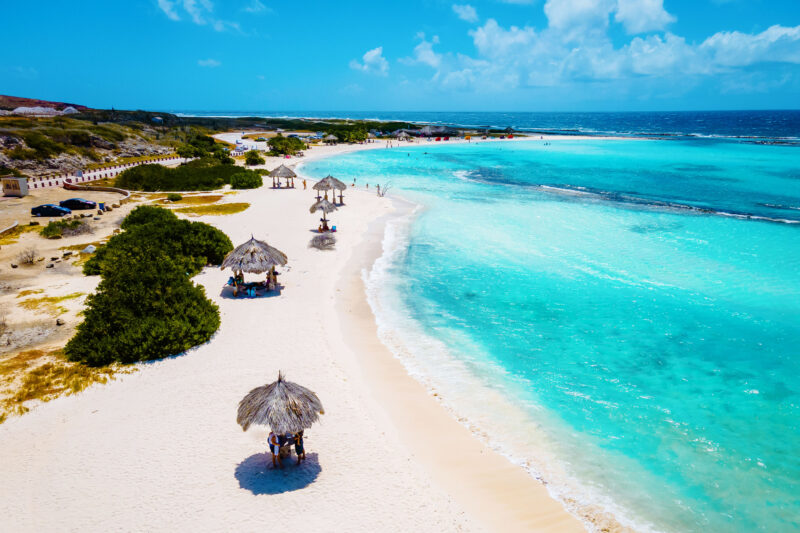 Photo by © F Baarssen | Dreamstime.com
Baby Beach, Aruba
Baby Beach in Aruba is among the few with perfect beach weather year-round, propelling it to the #24 spot globally. It’s also one of the few that multiple experts recommend, citing top marks in natural beauty. Although you’ll have great climate year-round, March through May are the best months to visit.
 Photo by © Oleksandr Prykhodko | Dreamstime.com
Playa de Maspalomas, Spain
Playa de Maspalomas, another widely expert-recommended beach, stands out for its overall balance across the categories. Experts especially cite its pristine environment. Weather conditions are perfect for seven months of the year; however, plan your visit between May and July for the best climate.
The world's best beaches table view
Meet our panel
From travel writers to expert surfers, our panel includes 26 of the world’s foremost beach experts.
Panelists include: Mariette Williams, Savanna Crowell, Heather Raulerson, Taryn White, Annemarie Dooling, Lauren Durie, Sophie-Claire Hoeller, Lauren Murphy, Pavlo Fedykovych, Muskaan Pahwa, Brandy Jo Hastings, K.C. Dermody, Gargi Guha, Naomi Louwerens, Cherith Glover Fluker, Tracy-Lynn Kirschner, Sophie Hay, Hazel McKinlay, Kayla Brock, Lauryn Jiles, Meghan Grady, Ashley O’Neal, Neha Gunnoo, Tess Arnold, Dani De la Osa, and Stefan Arestis.






Methodology
Between February 20 and March 14, 2026, we surveyed 58 travel experts, content creators, and local authorities, collecting 322 beach submissions worldwide. Ultimately, of the 58 experts, only 26 had submissions that made the final top 25 beaches list after the post-survey analysis that came next. After de-duplication, expert validation, and strict inclusion criteria, 226 unique ocean beaches were identified. Each respondent was assigned a three-tier expertise score (1–3), which informed weighted preliminary rankings based on submission order, frequency, and expert-rated scores for beauty, amenities, water quality, and overall appeal. These inputs were normalized and combined into an initial score, with higher-weighted influence given to more credible contributors. Beaches were further filtered based on data availability, including the presence of Google Maps listings and sufficient review volume for downstream analysis.
We then enriched the dataset using multiple large-scale quantitative inputs. Water color and clarity were derived from five years of NASA MODIS-Aqua satellite data using established remote sensing models, while over 93,000 Google Maps reviews were analyzed using keyword-based natural language processing to measure sentiment across accessibility, environment, facilities, and overall perception. Additional metrics included airport proximity (geodesic distance to the nearest major airport), beach popularity (review counts and ratings), and a decade of global climate data to determine optimal travel windows. The final rankings were calculated using a weighted linear model across 18 normalized metrics, balancing expert input (30%), water quality (26%), popularity (27%), sentiment (14%), accessibility (2%), and climate (1%) to produce a comprehensive, data-driven list of the world’s best beaches.