Pearl Islands Travel Guide

Welcome to the Pearl Islands travel guide.

Named for the large pearls that are found in its waters, the Pearl Islands are comprised of 90 named islands and over 100 unnamed islets, located in the Gulf of Panama.  The Pearl Islands have been called a world-class beach destination by many, for their white sand beaches and turquoise waters.  Isla Contadora is the best-known island of the group, especially since the island is home to the palatial mansions of the rich and powerful.


The exotic Pearl Islands are just a 15 minute plane ride from Panama City, offering ease of access to visitors even though it feels as though it is as remote as it gets.  This destination really is an island paradise within close proximity of the bustling metropolis of Panama’s most famous city.  You can still buy pearls today, but these waters are better known for their white sandy beaches, world class fishing, great coral reefs and impressive marine life and wildlife.  It is quite common to see whales and other fantastic sea life, and the area is considered one of the best spots in the hemisphere for fisherman and divers in search of big and rare fish.


Yachts heading to the South Pacific often stop at Contadora Island as it's just 50 kilometers south of the Panama Canal.  Contadora Island is a good hub to explore from, or simply, to explore itself.  Boasting of a dozen public beaches encircling the island, Contadora can offer its visitors the deserted island feel.  Offering several beaches, Contadora Island is full of secluded little spots to enjoy a wonderful day on its shores.


Pearl Islands Weather and Best Time to Visit


The Pearl Islands boast a magnificent year round climate, with clear blue skies for most of the year.  This destination averages 2239 hours of sunshine a year.  The Pearl Islands provide its visitors with a tropical climate, mild temperatures all year round, making this an excellent travel destination no matter what time of the year it is.  The temperatures normally only range from the lower 70’s to the lower 90’s; however, it is very humid.  Their warmest months are March and April, and their coolest is October, on average.  Because this destination is always temperate and beautiful, travel here can get expensive.  Be sure to plan your trip several months in advance to ensure that you receive the best rates offered for your vacation package. 


This mild year-round climate of the Pearl Islands occurs because of its wonderful location in the Gulf of Panama, along the Pacific Coast.  The temperatures are never cold, and snow is completely unheard of.  However, rainfall is quite heavy through their wet season, from the months of May to November.  During this wet season rainfall can exceed 12 inches in one month, and the yearly rainfall average for Pearl Islands is 75 inches total.  If you decide to travel here during the wet season, be sure to pack accordingly.


The best time to visit Panama really depends on what you plan to do.  If you intend to spend most of your time on the Pacific side, you might want to visit in December or January, when there’s generally little rain and the weather is pleasant.  Bear in mind, however, that hotel prices and airfares are generally higher from mid-December to mid-April.


Experience Pearl Islands


At Playa Larga, Hotel Contadora's beach, there is lots to be seen.  The reef starts just beyond the rock that is visible in the center of the strand a few hundred meters out.  Swimming from Playa Sueca, Contadora’s nude beach around the point to Playa Larga takes you through the best area to spot sharks and turtles, and there is a little secluded beach along the way.  Other good beaches for snorkeling include Playas Cacique, Galeon and Canoa.


This island is only about a 750 acres in size, but Contadora features 13 spectacular beaches and 5 coral reefs surrounding it that offer incredible snorkeling opportunities.  Contadora's reefs boast a nice array of stony corals, and in that regard the reefs most closely resemble the related corals of distant South Pacific islands.  The diversity is less, likely due to the effects of the cooler currents mid-winter, but the fish are prolific compared to similar sized reefs in the Caribbean.  


There are lots of sharks in the waters around these islands, the largest in the 12' range.  The best place to see them is off the point between Playas Sueca and Larga.  Some days there is a lot of activity and several small white tips are easily spotted.  All in all, the marine environment is quite rich and can offer visitors quite an enjoyable snorkeling or diving excursion, no matter what time of year you visit. 


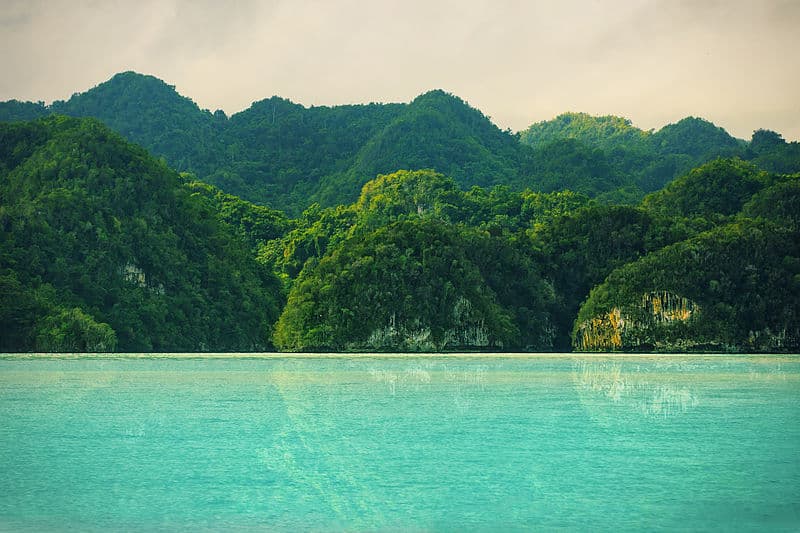
Over 57 splendorous coral white, ebony black and radiant gold beaches and coves surround San Jose Island, embedded between the temperate and calm turquoise waters of the Gulf of Panama.  Lush green vegetation covers the whole island over gently sloping hills which peak, at the north of the island, to 440 feet.  The coastline is very irregular, affording many anchorage locations.


Many fresh-water rivers and streams flow into the ocean creating a food source for many species of fish, both saltwater and brackish species.  This provides excellent opportunities for inshore fishing.  The waters of San Jose abound in tropical game fish, and are considered-among the best deep sea fishing grounds in the world.  Marlin, large Pacific sailfish, tuna, dolphin, wahoo, amberjack, cobera and red snapper, corvina and mackerel, as well as marine turtles, lobster, shrimp, giant oysters, clams and mussels make this a paradise for fishermen and divers.

Pearl Islands Overview

The Pearl Islands is an archipelago located about 90 kilometers southeast of Panama City. It's located in the center of the Gulf of Panama and is only accessible by boat or plane. The beautiful setting and calm waters of this region make it an attractive choice for a peaceful tropical island getaway. From fishing excursions to nature walks, you'll find a wealth of things to do and experience around the Pearl Islands on any given day.